
Key Takeaways
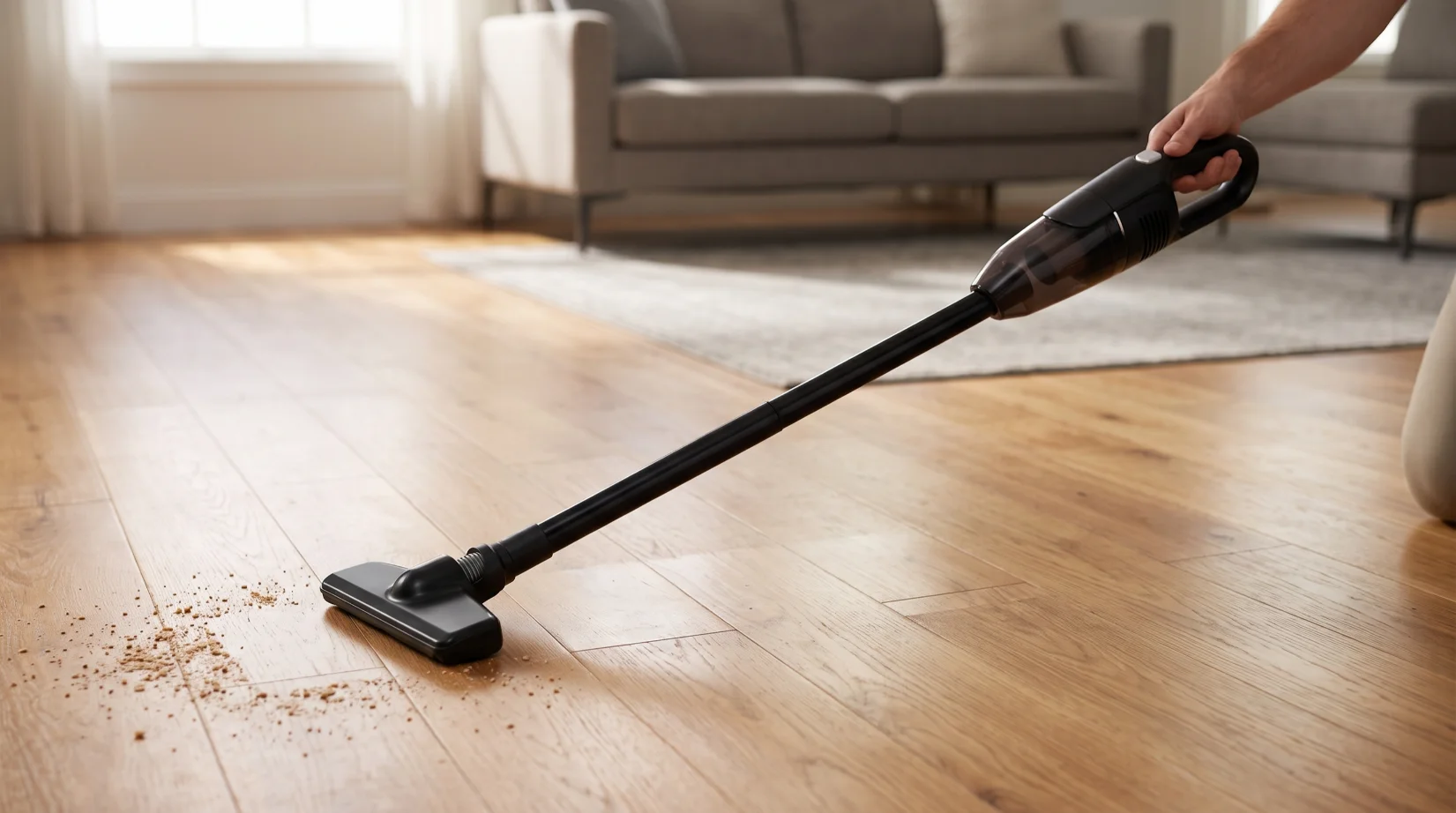
- Scratching is a design problem, not a suction problem: hard wheels, an always-on brush roll and a beater bar are what damage a wood finish.
- Look for soft rubber wheels, a brush roll you can switch off, and soft brush attachments instead of powered heads.
- Powered brushes and beater bars can remove finish and lift wood fibres from the grain, so they belong on carpet rather than on sealed wood.
- Wood is damaged cumulatively: grit acts like sandpaper under foot traffic, so frequency matters more than force.
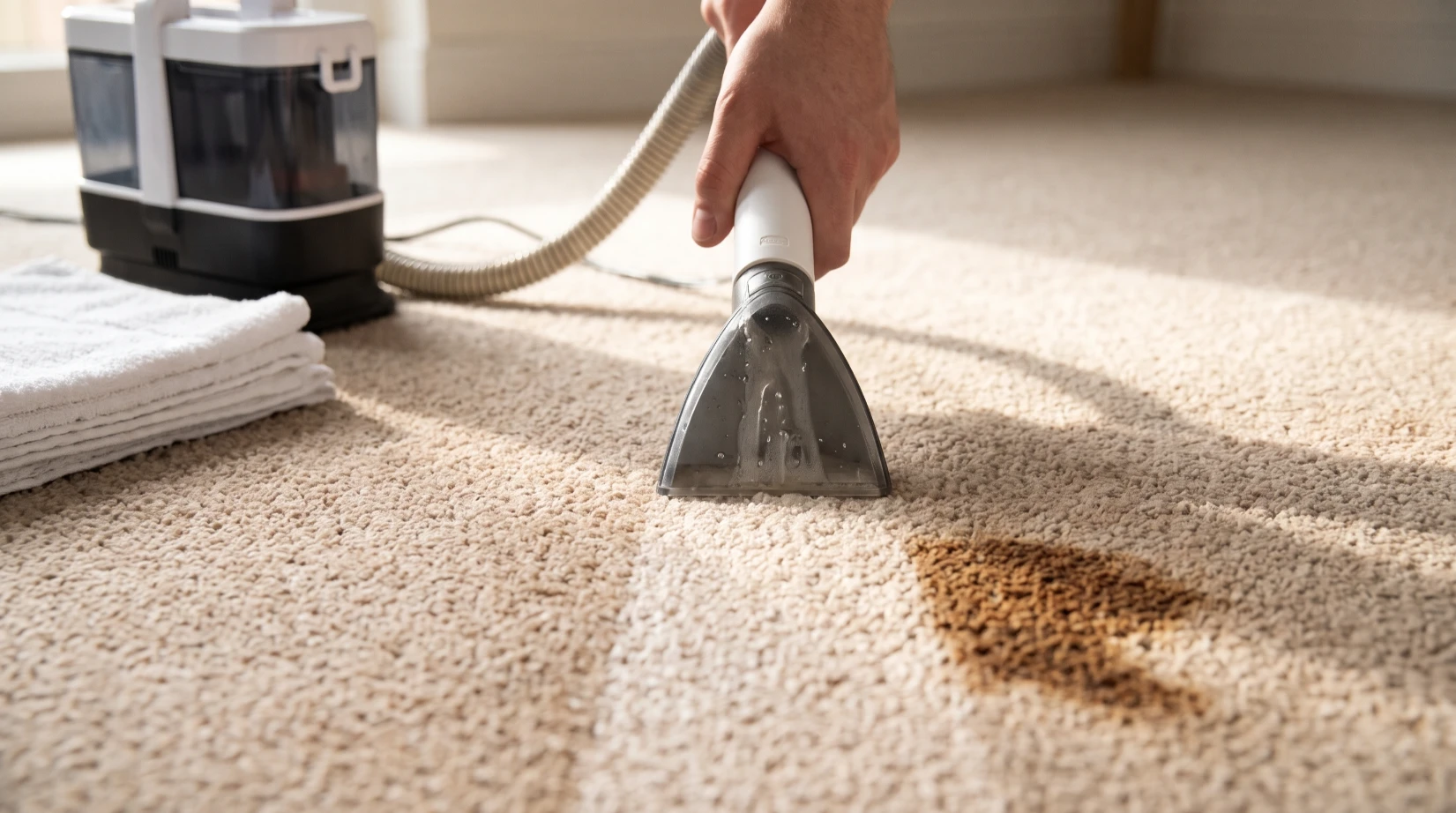
- Vacuuming is the dry step — never use a vacuum that applies water or steam to a wood floor.
Introduction
Most vacuum buying advice is about suction, and on a hardwood floor that is close to irrelevant. A hard floor releases dust easily, so almost any machine will pick it up; the risk is not that the vacuum leaves soil behind but that it damages the finish on the way past. That damage is cumulative and largely invisible at first, which is why it is worth choosing the machine on the parts that touch the floor rather than on the airflow figure. The parts that touch the floor are the wheels, the brush roll and the head housing, and each one has a known way of marking wood.
The industry consensus on wheels is unambiguous. A flooring contractor’s guidance, quoted in consumer testing, is that a vacuum for wood floors should have soft rubber wheels so that scratching or marring does not occur when the machine is moved and manipulated across the floor (Architectural Digest, 2026). The same guidance goes further on powered heads: power brushes on canister vacuums should be avoided in favour of soft brush attachments, because a powered brush can remove the finish and the wood fibres from the grain of the floor, and beater bars are too abrasive for this surface. Those two sentences rule out a large part of the vacuum market for wood floors, including most machines designed for carpet.
This guide covers the four mechanisms that damage a wood floor, the five checks that rule a machine in or out, the differences between hardwood, laminate and vinyl, and the technique that keeps grit from grinding the finish. In addition, it covers what to avoid, because two popular categories are unsuitable. In our experience, the owners who report scratches are rarely using an aggressive machine. They are using a carpet machine on a wood floor because it was already in the cupboard. Consequently, the most useful question before buying is not which vacuum is best but which one you will keep off the carpet and on the wood.
The One-Minute Answer
Choose a vacuum with soft rubber wheels, a switchable brush roll, no beater bar and a set of soft brush attachments. If your home is mostly wood with a few rugs, a cordless stick vacuum with a hard-floor setting covers the job and is easy to store. If you also have large carpeted areas, buy a machine that can do both properly rather than compromising on the one that matters less to you. And if a machine has no hard-floor setting at all, treat it as a carpet vacuum and keep it off the wood. Notably, that single rule removes most of the risk before you compare any other feature.
| Feature | Good for wood | Bad for wood | Why |
|---|---|---|---|
| Wheels | Soft rubber | Hard plastic or narrow hard castors | Soft rubber rolls over grit; hard wheels drag it |
| Brush roll | Switchable on/off | Always-on powered brush | A spinning brush flicks grit and can dull the finish |
| Beater bar | None | Any beater bar | Too abrasive for sealed wood surfaces |
| Attachments | Soft brush, crevice tool | Powered mini heads on wood | Soft brushes lift dust without abrasion |
| Weight | Light, easy to steer | Heavy and hard to turn | Heavy machines get dragged, and dragging scratches |
| Wet or steam function | None | Any water or steam delivery | Heat and moisture reach the seams and swell the boards |
Four Ways a Vacuum Damages a Wood Floor
The first and most common mechanism is wheel abrasion. A hard wheel does not roll over a grain of sand; it presses it into the finish and drags it, which leaves a fine line that light catches at an angle. Over months, the lines multiply along the paths you habitually take, and the finish develops a dull track down the middle of the room. Notably, the damage is not caused by the vacuum’s weight alone but by the combination of weight, hard wheel material and the grit that foot traffic has already brought in. Soft rubber wheels deform slightly over a particle instead of grinding it, which is why the material matters more than the load.
The second mechanism is the brush roll. A powered brush on a hard floor does two things: it flicks loose grit sideways rather than collecting it, and it can abrade a sealed finish directly if the bristles are stiff. The third is the beater bar, which is a weighted rotating bar designed to beat dust out of carpet pile. On wood there is no pile to beat, so all the energy goes into the surface, and the advice from the flooring side is simply to avoid it. The fourth is the head housing and its hard edges: when the head is pushed against a skirting board or a piece of furniture, the plastic edge can catch and mark the wood, which is why a soft bumper or a rounded housing is worth looking for. Meanwhile, the same grit that causes wheel abrasion also wears the finish under foot traffic, so vacuuming more often reduces damage from every one of these mechanisms.

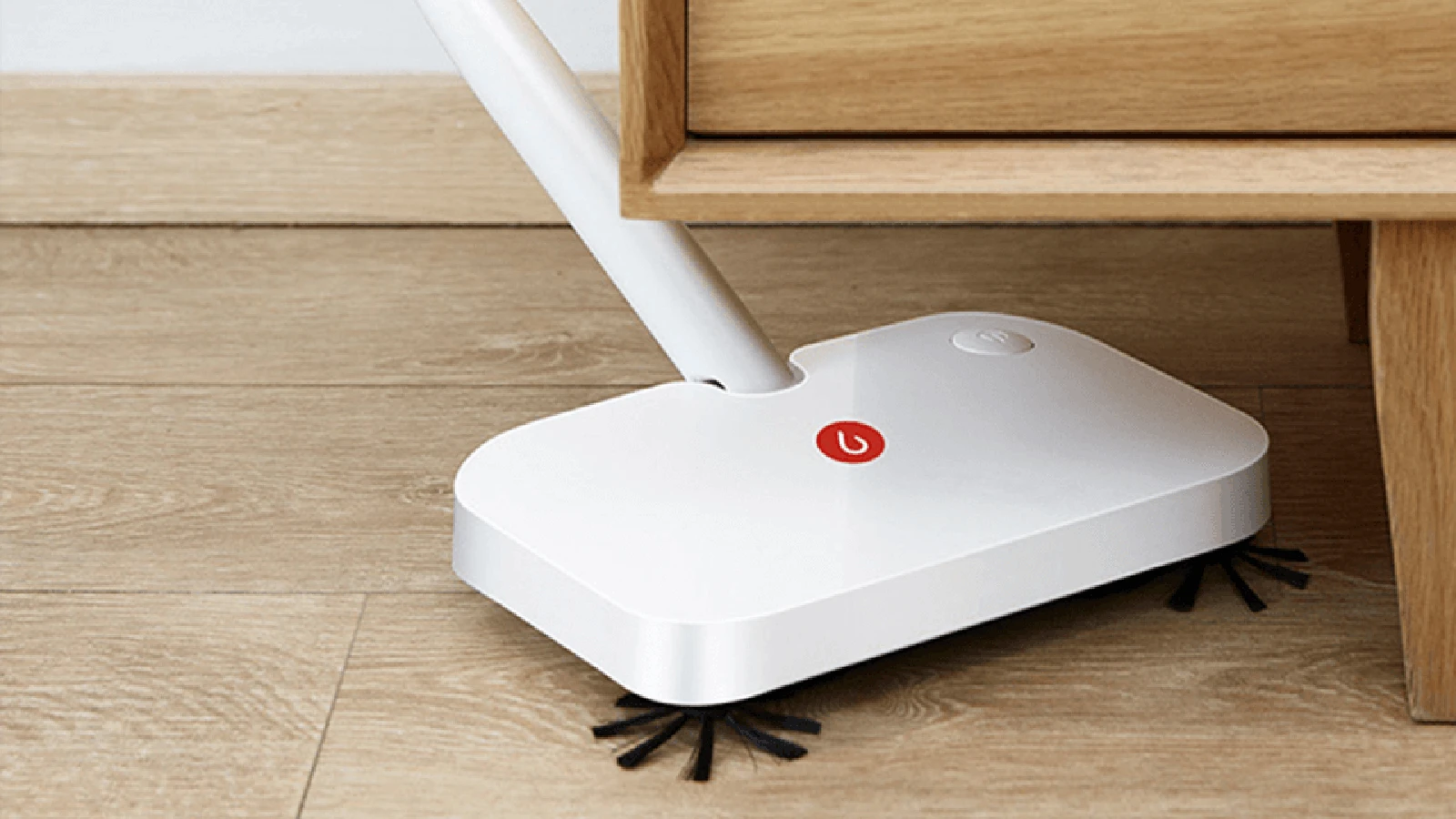
JESUN Multi-purpose Cordless Stick Vacuum (K908)
Cordless stick vacuum with a 500 ml dust cup, 2000 mAh battery and two suction levels (3000 Pa and 8000 Pa), 25 minutes on low and 13 on high, 1.3 kg. Light enough to steer rather than drag, which is the property wood floors need most.
The Five Checks
Check one: soft rubber wheels. Press a thumbnail into the wheel. If it gives, it is rubber and it will roll over grit; if it is hard and unyielding, it will drag. This is the single highest-value check because the wheels carry the whole machine across the floor on every pass.
Check two: a switchable brush roll. The machine must let you turn the roll off for hard floors. A machine whose brush roll runs whenever the motor runs is a carpet vacuum, and using it on wood means flicking grit around the room while risking the finish.
Check three: no beater bar. If the head contains a weighted bar rather than bristles or a soft roller, it is designed for carpet and is unsuitable for sealed wood. Beater bars are too abrasive for this surface, and no setting makes them safe.
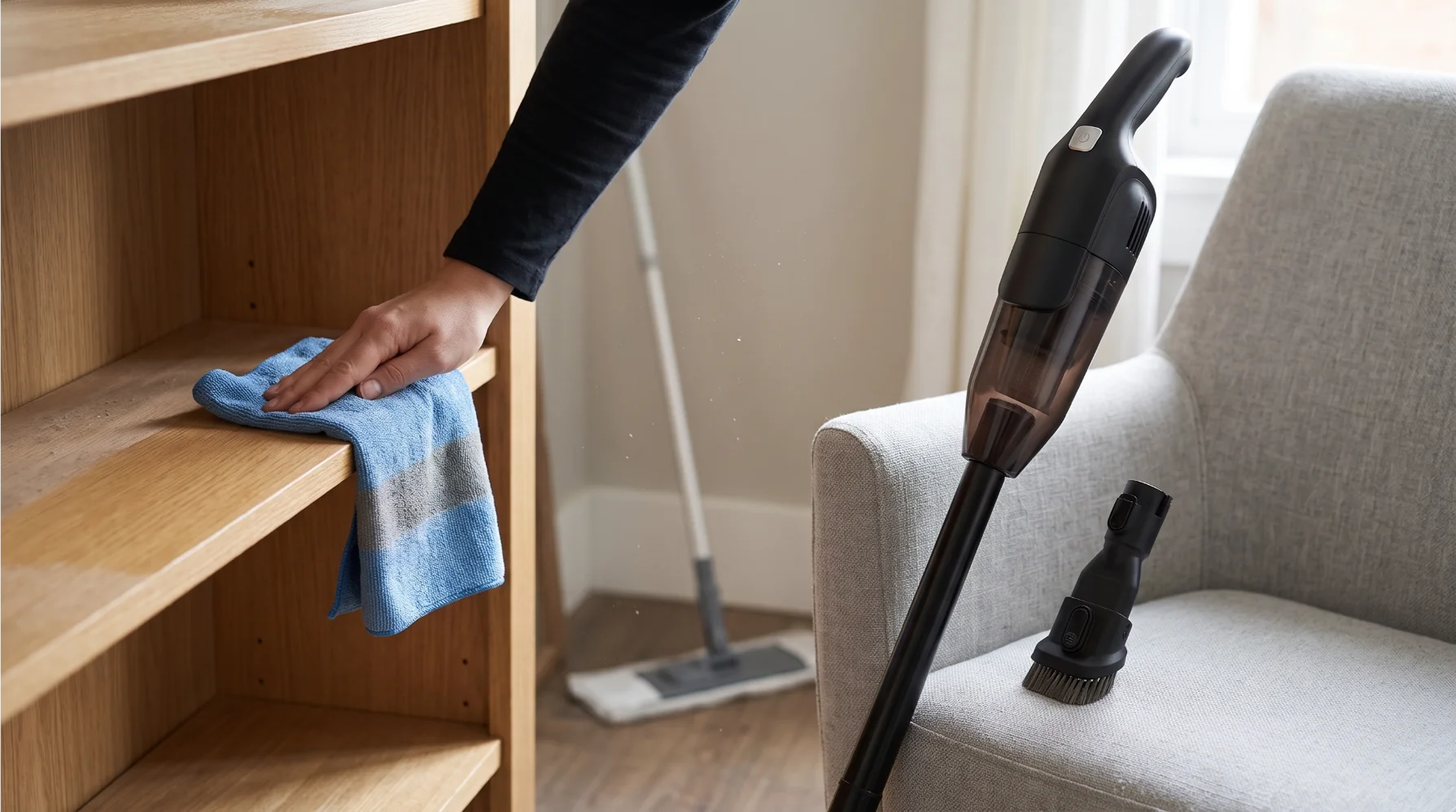
Check four: soft attachments. The powered mini heads that are sold for pet hair and stairs are the wrong tool on wood; use the soft brush and crevice tools instead. If you need agitation on wood, use a microfibre dust mop, which lifts dust by friction without a motor.
Check five: weight and steering. A light machine that turns easily is less likely to be dragged, and dragging is what turns a soft wheel into a scratching tool. If you have to move furniture or lift the head, a lighter machine will also get used more often, and frequency is what keeps grit off a wood floor.
Hardwood vs Laminate vs Vinyl
Hardwood, laminate and luxury vinyl look similar in a showroom and behave differently under a vacuum. Solid and engineered hardwood has a finish that can be dulled by abrasion and a structure that swells when water reaches the seams, which is why the checks above matter most on wood. Laminate is a photographic wear layer over a wood-fibre core: the surface is hard and reasonably scratch-resistant, but the core swells if water reaches it through the seams, so a wet or steam function is the risk rather than the wheels. Luxury vinyl plank is the most forgiving of the three: it tolerates more moisture and more abrasion, but it still scratches, and the plank joints should be kept dry.
The practical consequence is that a machine suitable for all three is one that is gentle on wood, because that is the strictest requirement. If a vacuum is safe for sealed hardwood, it is safe for laminate and vinyl. Meanwhile, a machine with a wet or steam function is not safe for any of them, because the risk is the water rather than the wheel. For reference, heat and pressure are what force moisture into the core of wood-based flooring, which is why flooring guidance on laminate is to never steam mop, soak or wet-mop (Cavalieri Flooring, 2026). The same reasoning applies to a vacuum that sprays.
Technique: Grit, Frequency and Moisture
Technique on a wood floor is mostly about grit. Fine sand and soil act like sandpaper under foot traffic, wearing the finish from the inside while a vacuum only needs to remove it before it gets walked in. Consequently, vacuuming the high-traffic paths more often and more lightly does more for the finish than a heavier session less often: two short passes a week beat one thorough pass on a floor that has already been walked over for seven days. In our experience, homes that vacuum wood floors twice a week show noticeably less traffic dulling after a year than homes doing the same total work in one weekend session. For example, a hallway that gets eight passes a week in four short sessions wears less than the same hallway vacuumed once for the same duration, because the grit never sits long enough to be ground in.
Three habits complete the routine. Keep the machine’s brush roll off and its suction moderate, because maximum suction is not needed to lift dust from a hard surface. Clean the wheels and the head housing after use, since a wheel carrying grit scratches on every subsequent pass. And keep water out of the process entirely: vacuuming is the dry step, and a damp microfibre mop is the wet step, kept separate. Public health guidance treats cleaning and drying as distinct steps for good reason, and on wood the drying step is what decides whether the floor is safe to walk on in five minutes or fifty (CDC, 2025).
What to Avoid
Four purchases are common and unsuitable. An upright carpet vacuum with a fixed beater bar is the clearest case, because there is no setting that makes a beater bar safe on sealed wood. A robot vacuum with a hard-wheel chassis and an always-on brush roll is the second: on wood it works well until it meets a grain of grit, and then it presses that grit into the finish along every run it makes. A wet or steam vacuuming appliance is the third, for the reasons covered above. And a heavy canister with a powered floor head is the fourth, unless the head can be swapped for a soft attachment.
Two smaller cautions are worth knowing. Hair and fibre wrapped around a brush roll reduce its effective diameter, which makes the machine feel weaker, and the usual response is to press harder — exactly the wrong move on wood. Clear the roll regularly, and let the machine work at its own pace. Meanwhile, check the filter: a loaded filter reduces airflow, and reduced airflow means more passes, and more passes mean more wheel travel over grit. In our experience, the cheapest protection for a wood floor is a clean filter and a clear brush roll, both of which cost nothing but a few minutes. We found that a vacuum with a freshly washed filter removed dust from a wood floor in one pass where the same machine with a loaded filter needed three, which is three times the wheel travel over the same grit.
Frequently Asked Questions
Can a vacuum scratch hardwood floors?
Yes, and the usual causes are hard wheels dragging grit, a powered brush roll running on a hard surface, a beater bar that is meant for carpet, and hard plastic edges catching on skirting boards. Soft rubber wheels and a brush roll you can switch off remove most of the risk.
Do I need a brush roll on hardwood?
No — you want the ability to turn it off. A brush roll is designed to agitate carpet pile so dust lifts into the airflow. On a hard floor there is no pile, so a spinning brush mainly flicks grit sideways and can dull a sealed finish over time.
Stick or canister vacuum for wood floors?
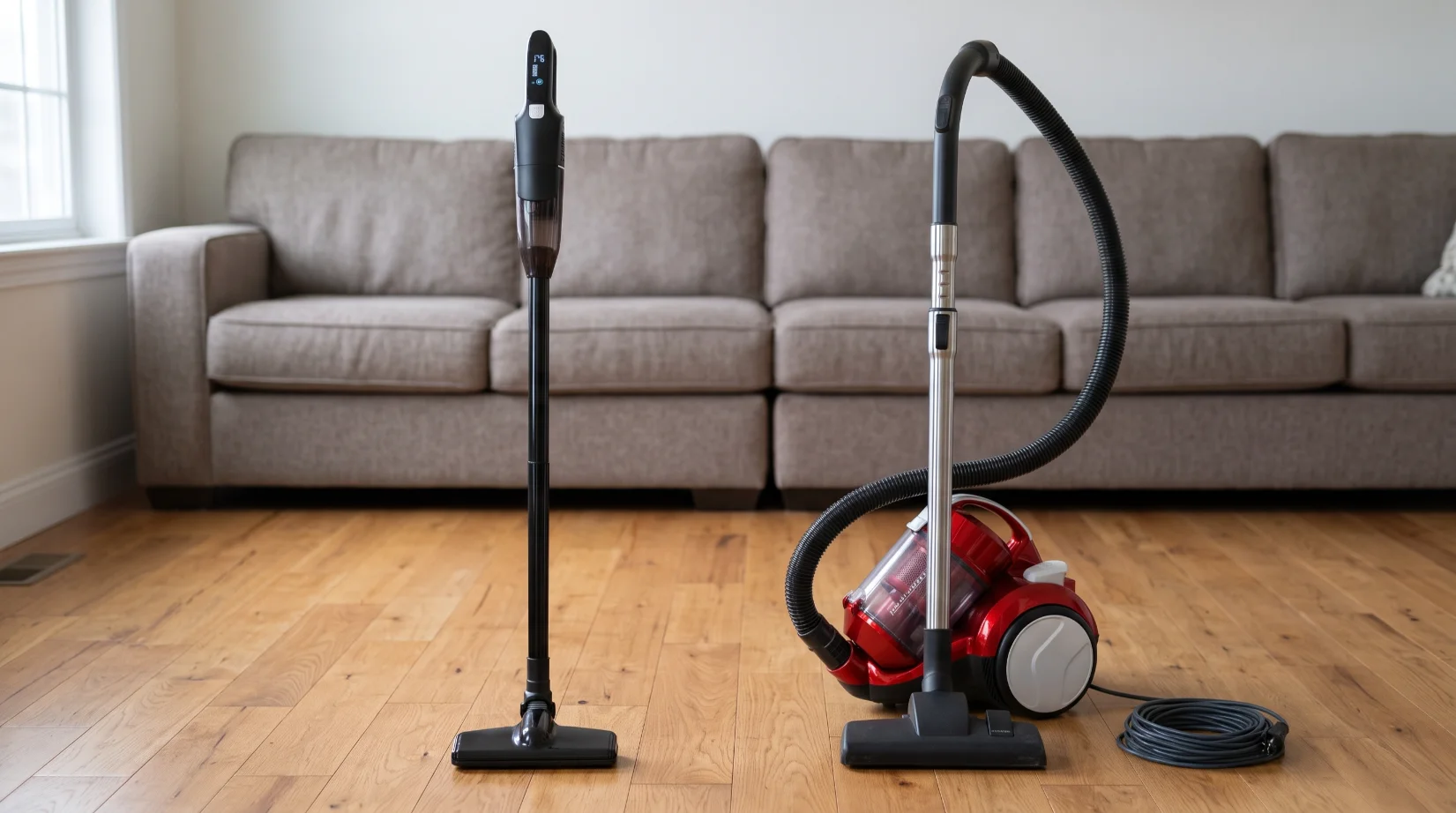
Either works if the wheels are soft rubber, the brush roll switches off and there is no beater bar. A stick vacuum is convenient and light, which matters because heavy machines get dragged. A canister with a hose reaches under furniture more easily but needs a soft floor attachment rather than a powered head.
What wheels are safe for hardwood floors?
Soft rubber. Press a thumbnail into the wheel: if it gives, it will deform slightly over a particle of grit and roll over it, while a hard plastic wheel presses the particle into the finish and drags it. Rubber also reduces the marks left by a machine that is steered rather than lifted.
How often should I vacuum hardwood floors?
Twice a week on the high-traffic paths is more effective than one long weekly session, because grit wears the finish while it sits on the floor. Keep the brush roll off, use a moderate suction setting, and clean the wheels and head housing after use so they do not carry grit around.
Sourcing vacuums for wood floors?
We manufacture cordless stick and canister vacuums with switchable brush rolls, soft attachments and washable filters, plus OEM or ODM packaging, from low MOQs.
Request Wholesale Pricing →Conclusion
Choosing a vacuum for a wood floor is a question about the parts that touch the surface, not about suction. Soft rubber wheels, a brush roll you can switch off, no beater bar, soft attachments and a light machine that steers rather than drags are the whole specification, and any machine that meets it will clean well without marking the finish. Laminate and vinyl are more forgiving, but the same machine covers them, so buy for the strictest surface in the house. That said, the habit that protects a wood floor most is frequency: grit wears the finish while it sits, so vacuuming twice a week lightly does more than a thorough session after a week of foot traffic.
We build cordless and canister vacuums with switchable brush rolls and soft tool kits, and we are happy to help you match a range to the flooring types your market installs.
References
- Architectural Digest — “The Best Vacuums for Hardwood Floors Are Gentle Giants” (Paul Henthorn, Slaughterbeck Floors: a vacuum for wood floors should have soft rubber wheels so scratching or marring does not occur when moving it across the floor; power brushes on canister vacuums should be avoided in favour of soft brush attachments, because they can remove the finish and wood fibres from the grain; beater bars are too abrasive for this floor type). architecturaldigest.com/story/best-vacuums-for-hardwood-floors-tested
- Consumer Reports — “Best Vacuums for Hardwood Floors” (a small dustbin may need emptying more than once during a sizable clean; attachments and charging-base storage). consumerreports.org/appliances/vacuum-cleaners/best-vacuums-for-hardwood-floors
- Cavalieri Flooring — “Laminate Flooring Care: Do’s & Don’ts Guide” (heat and pressure force moisture into the core; never steam mop, soak or wet-mop). cavalieriflooring.com/pages/blog/laminate-flooring-care-guide
- US Centers for Disease Control and Prevention — “When and How to Clean and Disinfect Your Home” (cleaning with soap and water removes most germs in ordinary household settings; disinfection is reserved for specific situations). cdc.gov/hygiene/about/when-and-how-to-clean-and-disinfect-your-home.html
- University of Illinois Extension — “A guide to keeping your sponges, dish rags and scrub brushes clean” (cleaning tools that are not washed and dried between uses become a contamination source rather than a cleaning aid). extension.illinois.edu/blogs/simply-nutritious-quick-and-delicious
This guide was written by the JESUN Cleaning Tools Team and reviewed by our product engineering group. You can read more about us or contact our team with questions about vacuum specifications.
Continue Learning
- How to Clean and Maintain Your Vacuum Cleaner — filters, belts and the parts that wear first.
- Vacuum cleaner manufacturer — cordless, carpet and canister lines in bulk.
- Cordless vacuum catalog — stick and handheld models with soft tool kits.

 English
 Spanish
 Russian
 Arabic