
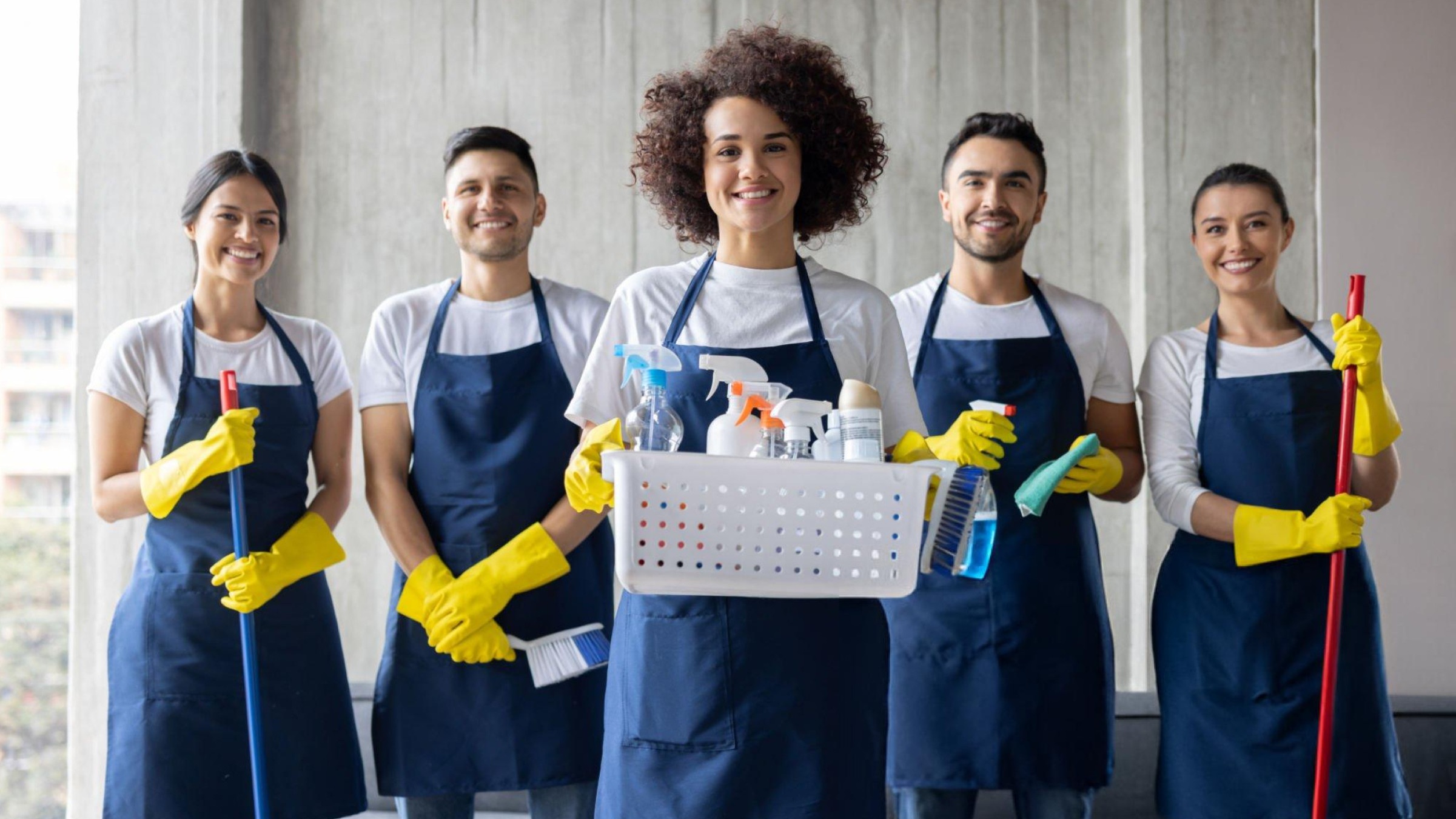
Staying informed about cleaning industry trends helps businesses stay competitive. For B2B buyers, manufacturers, and suppliers, these trends shape how products are made, bought, and sold. This article will highlight the top 10 cleaning trends for 2025. We’ll also see how companies like Jesun help businesses prepare and thrive.
Why Keeping Up with Current Market Trends is Important
Trendy companies offer better solutions, faster service, and smarter products. Trends show what people want now and what they’ll need later. Companies must adapt before their markets change.
Staying current helps meet new customer needs, such as safer ingredients or smart devices. Today, consumers want sustainability, speed, and convenience. Those who follow trends can offer these values.
Government regulations also change frequently. Agencies such as the U.S. Environmental Protection Agency (EPA), the European Chemicals Agency (ECHA), and China’s Ministry of Ecology and Environment update rules for cleaning products regularly.
Getting informed facilitates compliance with these new requirements without delay. Knowledge prevents expensive errors, from eco-labels to restrictions on chemicals
Trends drive innovation too. When businesses find out about what’s new, then they approach everything in new ways. That results in newer ideas, improved packaging, and streamlined processes.
Top 10 cleaning industry trends in 2025
The customer needs new tech in the field of cleaning. And global changes are updating how businesses make, package, and sell cleaning products. Here are the top 10 trends every business should know and act on.
1. Rise of Eco-Friendly Cleaning Products
Cleaning products are getting eco-friendly. By 2025, more companies will use biodegradable, non-toxic, and plant-based ingredients instead of ammonia, nonylphenol ethoxylates (NPEs), and volatile organic compounds (VOCs).
They’re safer for humans and for the environment, too. Consumers these days are demanding labels that include “natural,” “safe,” or “eco-certified.” It’s not just clean homes, it’s a cleaner world.
Stricter green laws also drive this trend. States are imposing restrictions on plastic and chemicals. Companies that adapt well in advance will dodge future penalties or bans.
Jesun is one of these companies that are up with these trends. Green formulas that meet today’s standards and customer needs are part of their private label company manufacturing.
2. Focus on Health and Hygiene Post-Pandemic
Cleaning has changed since COVID-19. It is now a top priority in homes and public spaces. Workplaces, shopping centres, schools, and transport hubs must follow strict sanitation rules.
The cleaning frequency and the need for more potent disinfectants have increased. Customers will know if a product can kill viruses or bacteria and will ask for certifications and test reports. Those businesses that can demonstrate their hygiene standards will be more trusted.
There’s demand for products that provide hospital-grade disinfection without causing adverse effects. Those that provide both comfort and safety are particularly in demand.
3. Sustainable Packaging Solutions
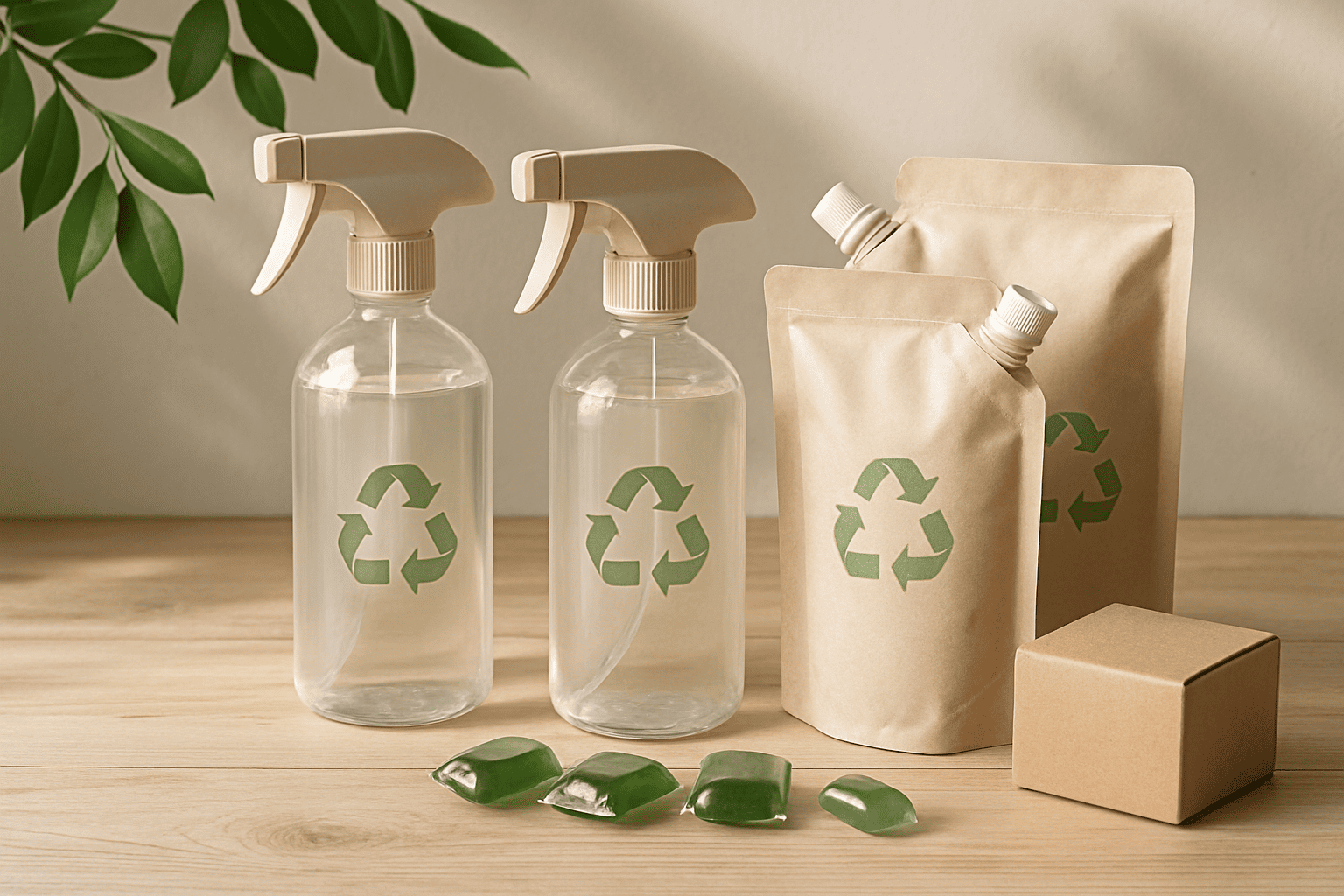
It’s not just about ingredients—it’s about packaging as well. Brands are phasing out single-use plastic. In 2025, we’ll see more brands provide bulk refills, compostable bottles, or formulas that require less space.
It benefits both the environment and profit margins. Reduced packaging results in lower shipping and storage costs. Brand image is enhanced as well. Consumers today seek packaging that is easy to recycle or reuse.
To fill this need, companies are revamping their packaging materials. They are collaborating with supply chains as well to minimize waste throughout and after production.
4. Smart cleaning technologies
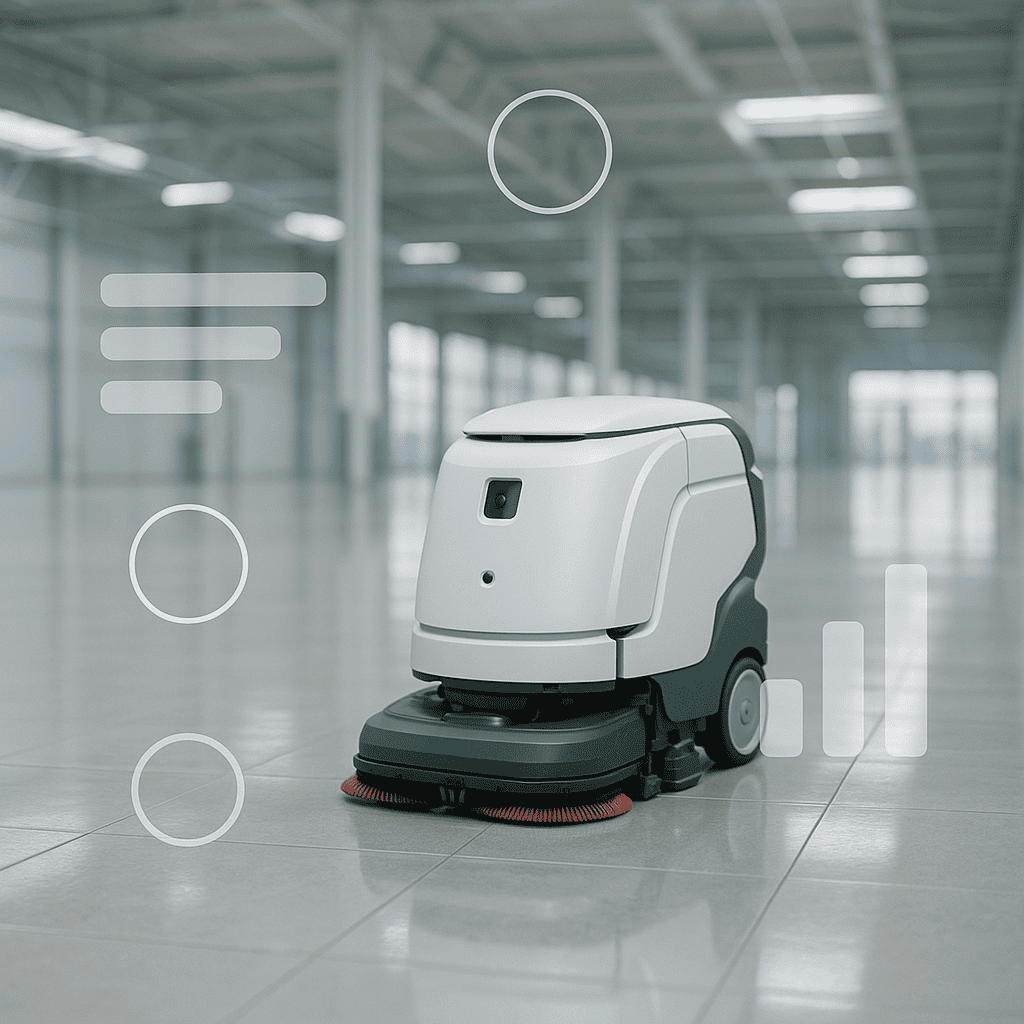
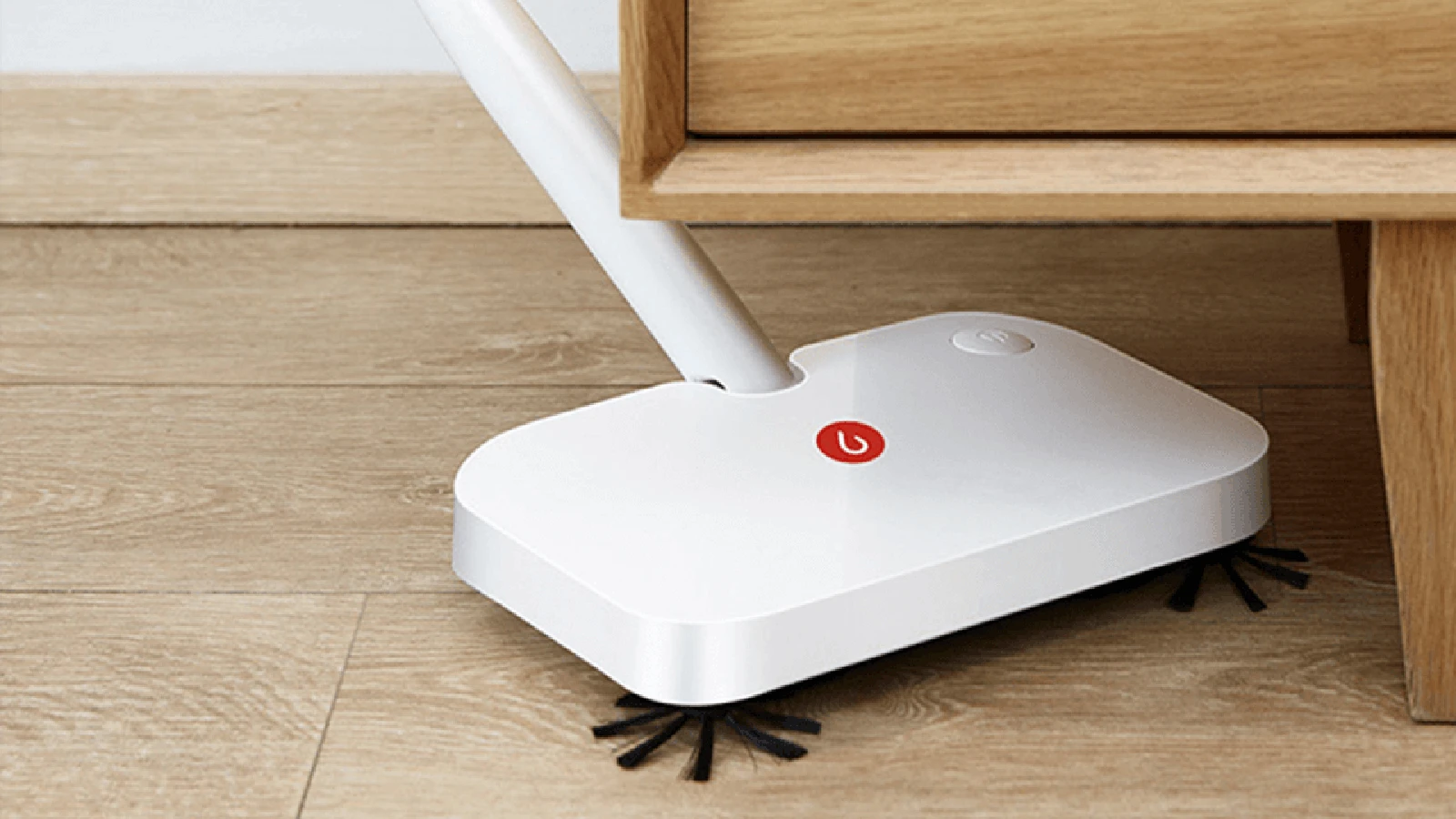
Technology is making its way into cleaning like never before. Electrical mops and vacuum cleaners are now in trend. These devices reduce cleaning time, lower working costs, and enhance cleaning effectiveness. They minimize muscle fatigue among cleaning personnel as well. Smart machines can map spaces, detect dirt, and tell managers how long cleaning will take.
These are crucial for large areas such as warehouses, malls, and airports. They automate processes, making them safer and eliminating human error.
Firms that invest in intelligent technology today will remain ahead of those that use solely human labor. The cleaning future is digital, and it’s happening already.
5. Automation and Efficiencies in Clean Operations
Behind-the-scenes automation is increasingly growing as well. In 2025, cleaning businesses are not merely enhancing tools—they are enhancing systems. Everything from staff scheduling to supply tracking is getting interconnected.
Managers can now use software to assign tasks, monitor progress, and handle customer complaints all from one dashboard. This saves time, reduces errors, and enables rapid work for teams.
It also aids in gathering data. Understanding how long tasks take helps businesses plan better. It also shows which products are used the most and where supplies need restocking.
This is especially helpful for cleaning companies with many clients or sites. It leads to smoother workflows and better service quality.
6. Private Label and Customization Solutions
Companies desire their own products to be manufactured specially for them. They want their logo on the label, their fragrance in the container, and their formula in the products. This is why private label cleaning products are growing in 2025.
OEM and ODM solutions are not just for large companies anymore. Small and medium-sized businesses now seek custom cleaning formulations for their specific markets.
The leaders in this category are Jesun. They provide complete product development, from packaging, labeling, and ingredients. This allows for B2B customers to develop their own product line in a timely manner.
Customisation suits specific needs. This includes formulas for sensitive skin, local scents, and special pack sizes for different areas.
7. Demand for Multi-Surface and Multi-Purpose Products
Simplicity is key. Consumers want fewer, more effective products. Instead of buying several cleaners for glass, wood, metal, and plastic, customers prefer one all-in-one solution.
It decreases the number of SKUs businesses have to manage, conserves space in stores, and facilitates simpler cleaning crew training.
Multi-purpose products work well in retail stores, hotels, and small offices. They facilitate speedy cleaning in fewer steps. This trend also promotes sustainability because fewer bottles translate into less packaging waste. Brands will launch universal cleaning products in 2025. These will work well on different surfaces.
8. Growth of Subscription and Supply-as-a-Service Models
Cleaning products are moving to service-based models. Instead of buying in bulk, businesses prefer regular small deliveries. This is known as subscription or supply-as-a-service.
This model helps businesses avoid stock shortages. It also tracks usage and simplifies spending. This is vital for hotels, restaurants, schools, and clinics that rely on timely deliveries.
The providers benefit as well. They have high-volume, repeat sales and improved inventory planning. They can build long-term relationships and offer add-ons like reporting or personalisation. It will continue growing in 2025, particularly in B2B cleaning.
9. Workforce Challenges and Solutions
One of your biggest challenges in the cleaning industry today is finding and maintaining good employees. Pay is increasing, and turn-over is high. Skilled workers are at a shortage at many companies.
These impact service quality and customer satisfaction. To tackle this, organisations are focusing on better training and offering bonuses. They are also using automation tools to cut down on human effort.
Automation helps reduce staff stress and speeds up work. For example, floor-cleaning robots let workers focus on cleaning windows and hard-to-reach spots. In 2025, anticipate increased investment in support tools for their workforce.
10. International Sourcing and Supply Chain Resilience
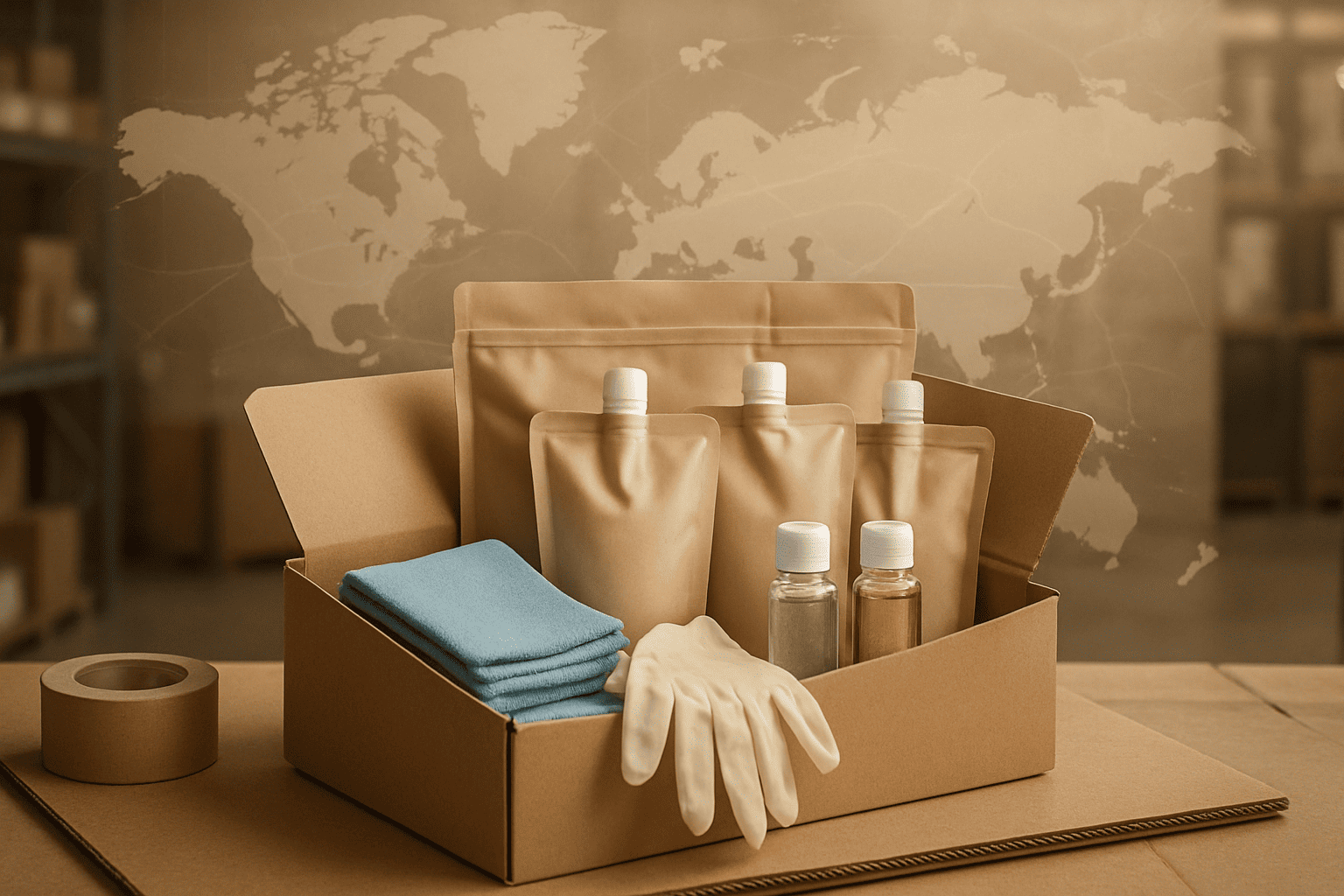
Global trade complexities have made supply chains unpredictable. From shipping slowdowns to raw material availability issues, businesses require fresh strategies. In 2025, intelligent businesses will use multiple sources and develop flexible material plans. Having just one supplier from one country is risky. That’s why diversification is important.
Buyers want more transparency. They want to know where their products come from and how they are made. Jesun helps create secure and scalable supply chains. They help companies source cleaning tools from locations outside China and offer secure logistics across different regions.
It not just provides availability but minimizes costs and lead times. It is an essential tactic in today’s global marketplace.
Join Jesun To Obtain Business Lead In The Cleaning Business
These ten trends are defining the cleaning industry’s future. To remain competitive, companies require the right partners. Jesun serves B2B purchasers with innovative, bespoke, and sustainable solutions. Whatever you require from private label, global sourcing, or packaging innovations, Jesun is here for you. Contact us today for your customised quote.
Explore more:
Top 10 Cleaning Trade Shows & Events To Attend in 2025
Complete Cleaning Business Supplies List: Everything You Need to Start
FAQs
What are the challenges companies have to face in 2025 around the world?
In 2025, the biggest challenges are shortages in human resources, rising prices, and the demand for eco-solutions.
How can businesses stay updated on cleaning product trends?
Track trade shows, read trade news, and work with expert suppliers like Jesun.
What should companies consider when searching for a cleaning product manufacturer?
Key factors include customization, quick delivery, eco-certification, and good support
How to obtain green certification?
To obtain green certification in the cleaning industry, businesses must meet sustainability standards, such as using eco-friendly products, reducing waste, and following environmentally responsible practices. Certifications like LEED, Green Seal, and EcoLogo assess compliance and grant recognition.
How is data analytics improving the cleaning industry in 2025?
Data analytics allows businesses to track product usage, staff performance, and cleaning patterns in real time. This helps reduce waste, avoid supply shortages, and improve cleaning efficiency. By analyzing trends, companies can make smarter decisions, optimize schedules, and increase overall productivity.

 English
  Spanish
  Russian
  Arabic