
Introduction
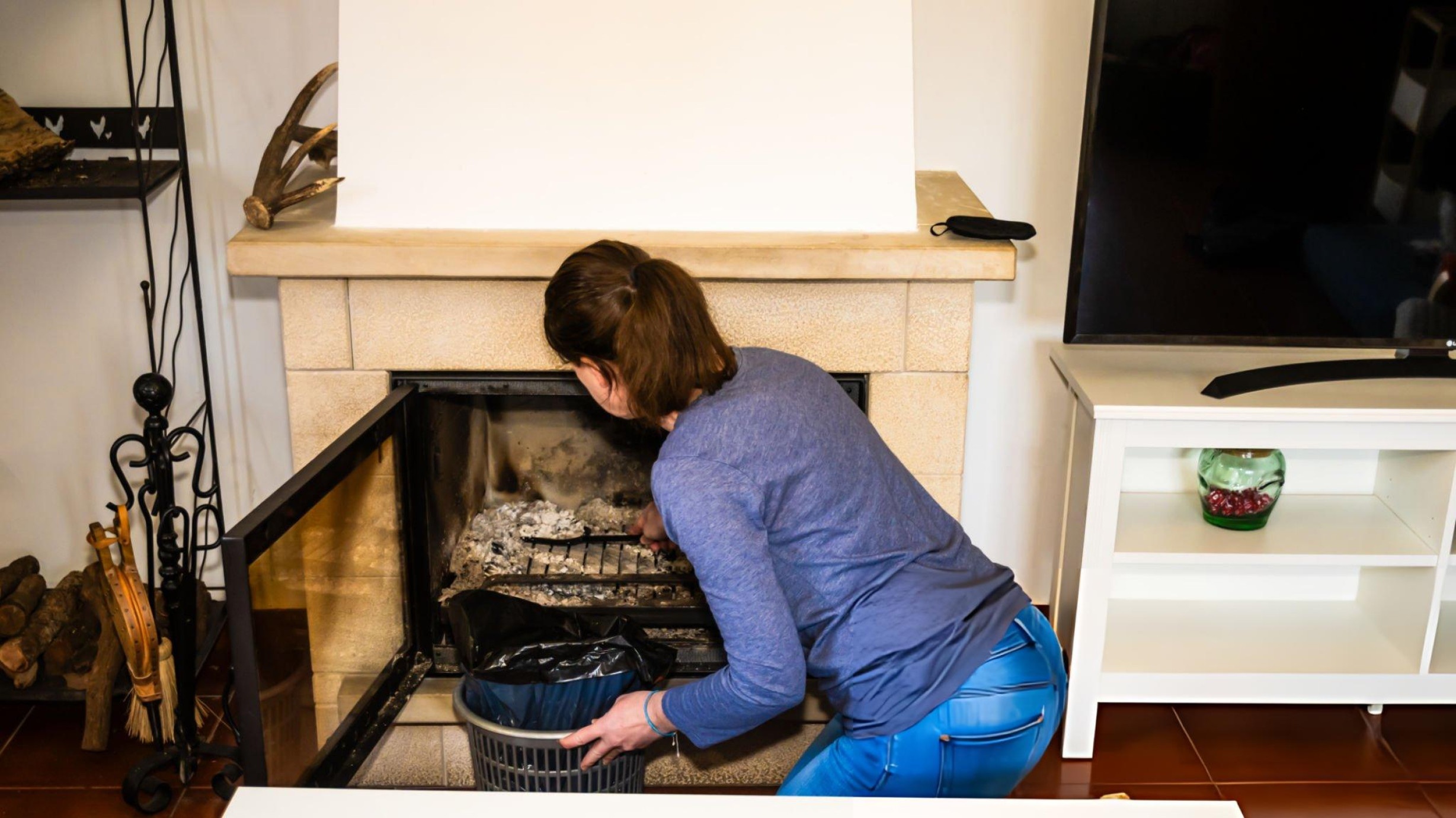
If your home has a fireplace or wood-burning stove, you must love the warmth and coziness it brings. But behind all that comfort is something that often gets overlooked, “your chimney”. Over time, ash, soot, and creosote can build up inside. It can become a serious fire hazard if not cleaned properly.
You may feel that cleaning your chimney is a challenging or messy job, but it’s something many homeowners can do themselves with a bit of guidance. Even if you plan to hire a professional, understanding how it’s done helps you know what to expect and how often it should be done.
In this guide, you’ll learn how to clean a chimney yourself step by step, and when it’s better to call in a professional. Whether you have a wood burner, fireplace, or stove, this guide will help you keep things clean, safe, and working properly.
Why Clean Your Chimney?
Most people do not think about their chimney until something goes wrong. However, just like any other part of your home, it requires regular care to remain safe and function properly.
- Fire Safety Starts Here
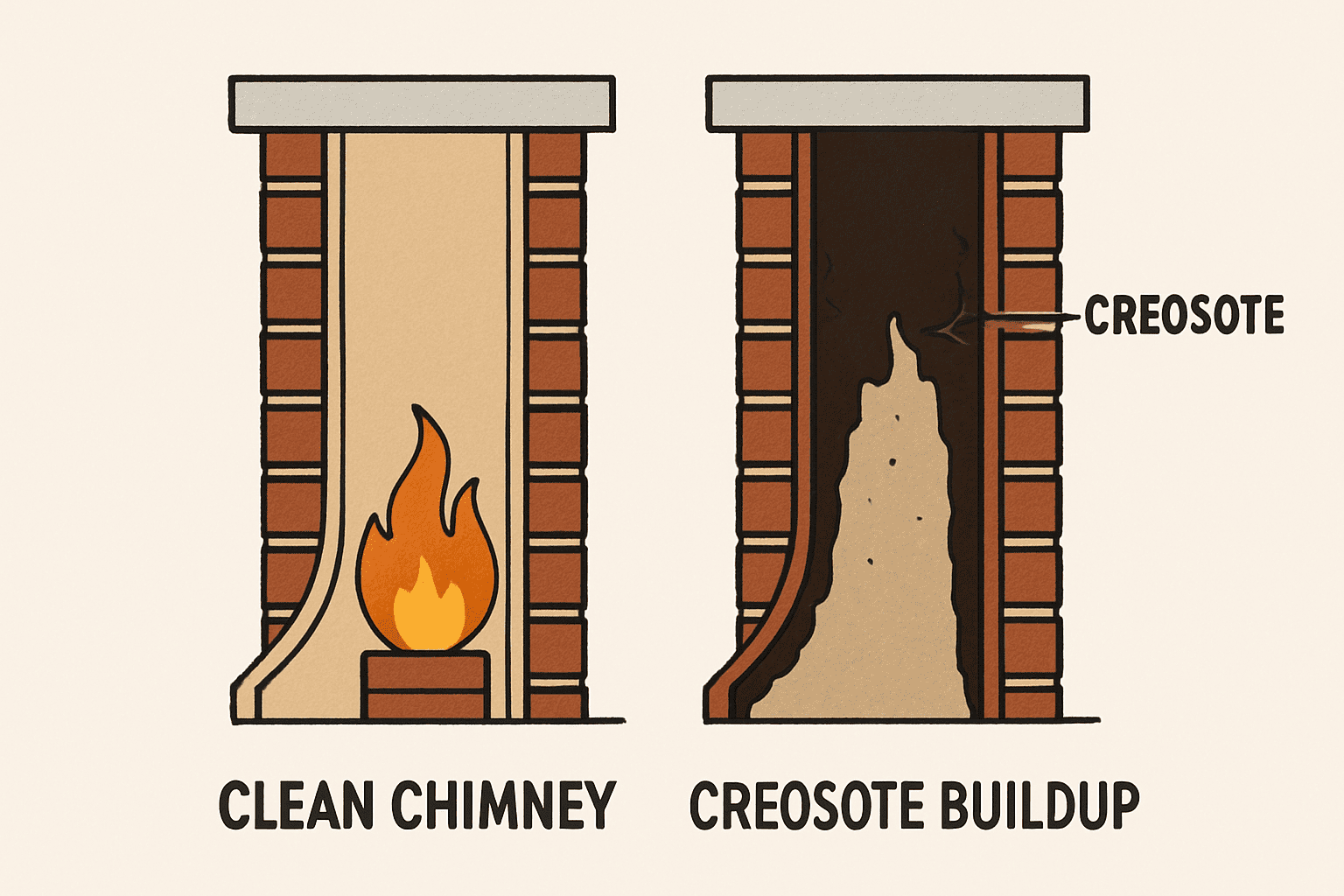
Inside every chimney, especially if it’s used often, creosote starts to collect. It sticks to the walls and builds up over time. The problem? It’s highly flammable. Even a small spark can light it up, and that’s how chimney fires start. Regular cleaning keeps that risk in check.
- Better Air, Better Burn
A clean chimney does more than just prevent fires. It helps your fireplace or wood stove run the way it’s meant to. When the airflow is clear, smoke exits quickly, and your fire burns hotter and cleaner.
- Avoiding Carbon Monoxide Poisoning
This one’s easy to miss. If smoke can’t move freely through the flue, it might drift back into your living space. Along with it? Carbon monoxide. It’s colourless, odourless and dangerous. Cleaning the chimney helps ensure that nothing gets trapped and your indoor air remains safe to breathe.
- Extending Chimney Lifespan
Chimneys aren’t cheap to fix. Letting soot and moisture sit inside for too long can slowly damage the bricks, liner, or metal parts. Cracks form. Rust spreads. And before you know it, the whole system needs repair. But a bit of maintenance now goes a long way in saving you from costly surprises later.
How Often Should You Clean a Chimney?
There’s no one-size-fits-all rule here, but if you use your fireplace or wood-burning stove regularly, cleaning your chimney once a year is a smart habit. That said, a few other factors can change how often it actually needs attention.
- General Guidelines
The National Fire Protection Association recommends having your chimney inspected at least once a year and cleaned as needed. For most households, a yearly cleaning before the cold season starts is enough. But if you burn a lot of wood through the winter, it may need a mid-season check too.
- Frequency of use
The more fires you burn, the faster soot and creosote build up. A fireplace that gets used every weekend is going to need more cleaning than one used just a few times a year.
- Type of wood
Not all firewood burns the same. Softwoods, such as pine, tend to produce more creosote, while hardwoods like oak or maple burn cleaner and hotter. If your wood is damp or not fully seasoned, it creates more smoke and more buildup inside the chimney.
Tools and Materials Needed for DIY Chimney Cleaning
Firstly, gather all the necessary supplies to make the cleaning process easier for you.
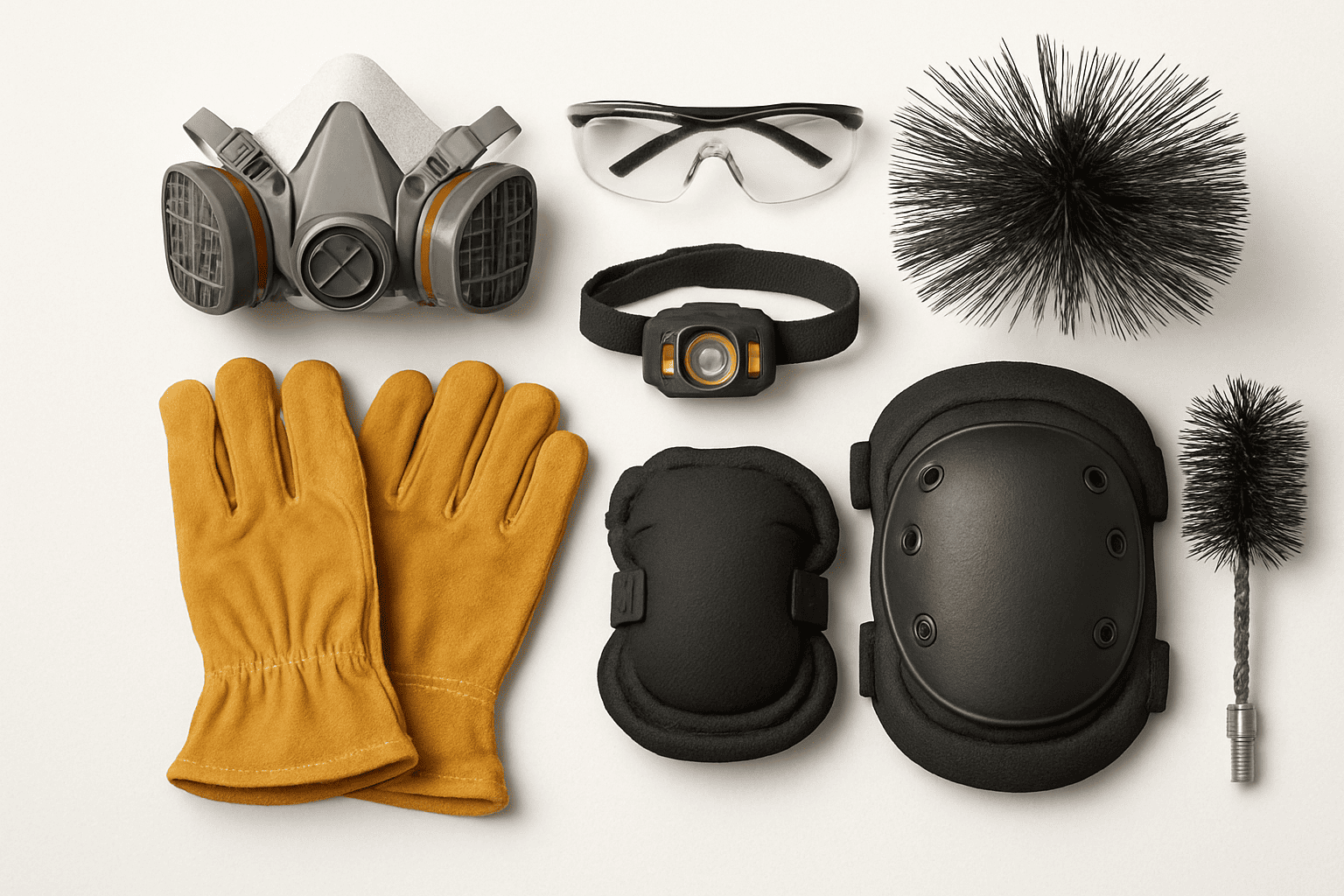
- Chimney brush
- Extension rods
- Drop cloth or plastic sheeting
- Shop vacuum (optional)
- Dust mask
- Safety goggles
- Flashlight or headlamp
- Ladder (for top-down cleaning)
Step-by-Step Guide to Cleaning a Fireplace or Wood Stove Chimney
Step 1: Prepare the Area
Lay down a drop cloth to catch soot. Move furniture, open a window, and gear up with goggles and a dust mask. A little prep makes cleanup easier later. Take a floor scrub brush to sweep up any old ashes or dust before you begin.
Step 2: Inspect the Chimney
Use a flashlight to check for soot, creosote buildup, or blockages. If anything looks too thick or unsafe, it’s best to stop and call a pro.
Step 3: Access the Chimney
Decide whether you’ll clean from the roof or indoors. Make sure your ladder is secure and you’re comfortable with the setup before moving on.
Step 4: Brush the Flue
Use your chimney brush and rods to scrub the walls inside the flue. You can choose from these methods:
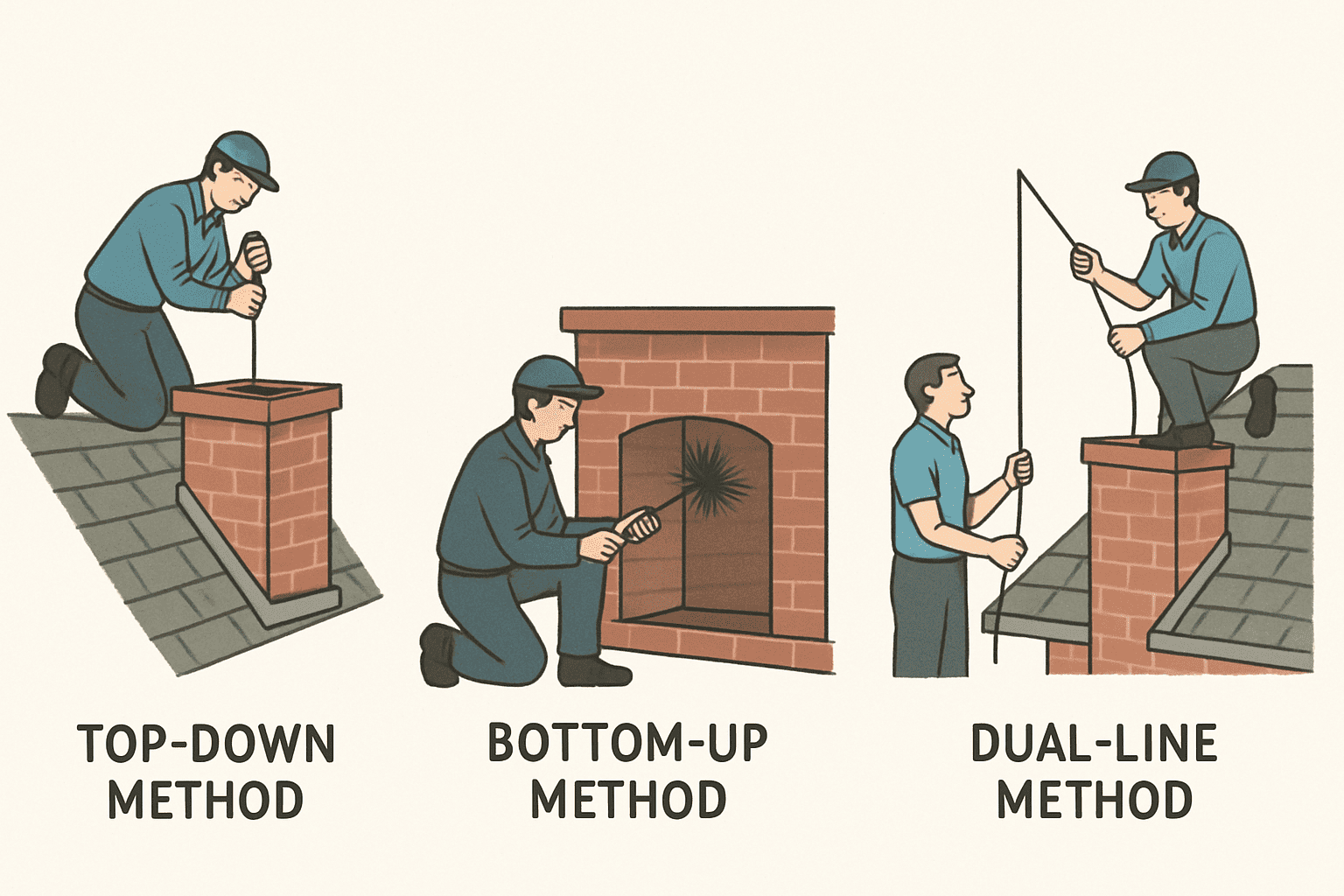
- Top‑Down Method
If you’re on the roof, insert the brush into the chimney and slowly work it downward. Add rods as you go. It’s messy, so try not to rush. Take your time and ensure you cover all sides.
- Bottom‑Up Method
This method is done from inside the house. Push the brush upward through the chimney, section by section. It’s convenient, but more soot tends to fall into the room, so seal things up well before you start.
- Dual‑Line Method
This one’s a two-person job. A rope is tied to both ends of the brush. One person stands on the roof, the other inside the house, and together they pull the brush up and down through the flue. It takes coordination, but it does a thorough job.
Step 5: Clean Up Debris
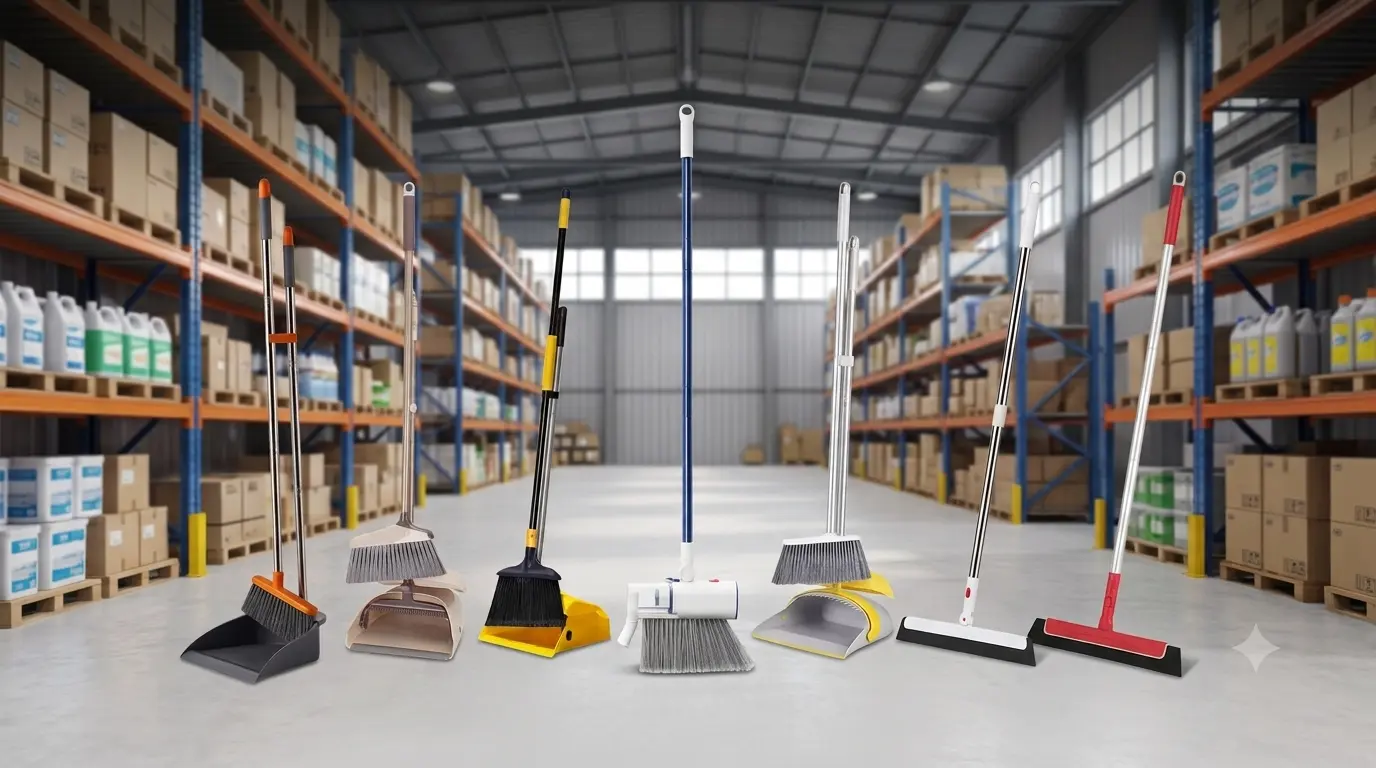
Sweep the loose soot from the firebox with a push broom. You can also use a vacuum. Fold up the drop cloth and wipe down nearby areas.
Step 6: Final Inspection and Reassembly
Double-check the chimney. Reattach any parts you removed. Once it looks clean and safe, you’re done.
Specific Cleaning Guidelines for Different Types of Chimneys
Not all chimneys are built the same, and they definitely don’t collect dirt or creosote in the same way. The way you clean a brick fireplace chimney is not exactly how you’d handle a wood stove pipe or a metal flue. That’s why it helps to know what kind of setup you’re dealing with and what areas need a little more attention.
Wood-Burning Fireplace Chimney
This is the traditional setup you’ll find in many older homes, typically featuring a brick chimney connected to a large, open fireplace. It’s cozy, sure, but also one of the more demanding types when it comes to regular cleaning.
- These chimneys tend to collect a lot of creosote, especially if you’re burning softwood or slightly damp logs.
- The smoke shelf (just above the damper) is a common trouble spot. It traps soot, ash, and bits of debris.
- Use a chimney brush that matches the shape of your flue. If it’s square, get a square brush.
- Try to clean it every couple of months during peak burning season.
Wood-Burning Stove Chimney
Wood stoves burn hotter and more efficiently, but that doesn’t mean they stay clean longer. In fact, they can create dense layers of creosote, especially in horizontal pipe sections.
- Start by detaching the stovepipe, if your setup allows—it makes cleaning easier.
- Horizontal flue sections clog up faster than vertical ones, so check them closely.
- Don’t forget to clean inside the firebox and above the baffle plates.
- It’s also a good idea to inspect where the stovepipe connects to the flue—debris loves to gather there.
Masonry Chimney
Built with brick or stone, these chimneys are solid but can start to crumble if moisture or age gets to them. They’re sturdy but need a gentler hand.
- Before you even grab a brush, check the mortar joints. Look for any cracks or loose bricks.
- Use a stiff bristle brush, but don’t scrub too hard—brick can chip easily.
- Avoid using water for cleanup unless the chimney is totally dry and won’t be used for a while.
- Even if you’re not using it often, it’s still smart to check it annually.
Prefabricated Metal Chimney
You’ll often see these in newer homes or as part of modern stove setups. They’re lightweight and easy to install, but they don’t tolerate rough cleaning methods.
- Stick with plastic or poly brushes to avoid scratching the liner.
- Avoid steel brushes unless your chimney’s manufacturer explicitly says they’re okay.
- Watch for rust, especially around joints and seams. Also, check for dents or bends that could restrict airflow.
Tips for Effective and Safe DIY Chimney Cleaning
Doing your own chimney cleaning can feel empowering, and it really can be, as long as it’s done with care. While it’s not rocket science, it does involve working with soot, confined spaces, and tools on rooftops.
- Safety Precautions
Safety comes first, every time. Chimney cleaning involves more than just dust and grime. You’re dealing with confined spaces, sharp metal edges, and sometimes unstable footing.
Therefore, wear a good dust mask or respirator to avoid inhaling ash and creosote. Goggles are also a must to protect your eyes from falling debris. Gloves will save your hands from grime and minor cuts.
- Reducing Creosote Buildup
Creosote is a sticky, flammable residue that clings to the inside of your chimney. The more of it you let build up, the higher your fire risk.
To keep it under control, burn only seasoned hardwood like oak or maple. Avoid softwood, wet logs, and definitely don’t burn trash or paper. Hot, clean-burning fires create less smoke, and that means less creosote.
- Maintaining Efficiency
A clean chimney helps your fireplace or stove work more smoothly. Better airflow means a stronger fire, less smoke indoors, and more heat in your home. Check that the damper opens and closes fully. If you notice smoke backing into the room, something likely needs attention.
- Seasonal Cleaning Plan
Cleaning once in a while isn’t enough. A seasonal plan helps you stay ahead of buildup and avoid surprises when winter hits. Ideally, inspect your chimney twice a year, once before and once after the burning season. The off-season is the perfect time to restock your tools, make repairs, and prepare for next year.
When to Call a Professional
If the creosote inside your chimney looks thick, shiny, or tar-like, that’s a clear sign to call a certified chimney sweep. It’s highly flammable and tough to remove on your own. Also, if you suspect any structural damage or can’t safely access certain parts of the chimney, it’s better to leave it to the professionals.
Average Cost to Clean a Chimney
Professional Cleaning Costs
In Australia, hiring a professional chimney sweep typically costs between $150 to $300, depending on where you live, the type of fireplace you have, and how much buildup there is. If your chimney hasn’t been cleaned in a few years or needs extra work, the price can go higher.
DIY Cost Savings
Doing it yourself can definitely save money, especially if you plan to clean regularly. A good-quality chimney brush and rods might cost you around $80 to $150 upfront, but they’ll last for years. You’ll also need basic safety gear, which adds a bit more.
Common Mistakes to Avoid While Cleaning a Chimney
While cleaning the chimney yourself, you can commit some really common mistakes that can be risky for you.
Skipping Inspections
It’s easy to think your chimney’s fine just because it looks okay on the outside. Skipping a proper inspection means you might miss something serious. Whether you clean it yourself or not, checking the inside regularly is just smart.
Using Improper Tools
Not all brushes are created equal. Using the wrong size or type can leave sections of your flue untouched, or worse, cause damage. A basic household brush won’t reach deep enough, and without flexible rods, you can’t clean evenly. The right tools matter more than we often assume.
Ignoring Safety
Chimney cleaning isn’t just messy, it can be risky. Breathing in dust, standing on an unstable ladder, or handling tools without gloves can all lead to problems. A mask, goggles, sturdy gloves, and safe footing might seem like overkill, but they make a big difference.
Burning Improper Fuels
Even if you clean your chimney regularly, the wrong type of firewood can undo all your work. Wet or treated wood produces heavy smoke and sticky creosote. That gunk clings to your flue and builds up fast. Stick with dry, seasoned hardwood to keep your chimney cleaner for longer.
Conclusion
A clean chimney isn’t just about keeping things tidy, it’s about safety, warmth, and getting the best out of your fireplace. Whether you tackle it yourself or call in a professional, regular maintenance makes a significant difference.
By staying on top of soot and creosote buildup, using the right tools, and knowing when to ask for help, you protect your home and everyone in it. It might take a bit of effort, but the peace of mind and that warm, crackling fire are always worth it. If you are looking for reliable tools to clean your chimney, Yocada’s cleaning tools can make the process easier and more efficient.
FAQs
How Do I Tell If My Chimney Is Blocked?
If smoke starts backing up into the room or you notice a strong, smoky smell even when the fire isn’t lit, your chimney might be blocked. You may also hear strange sounds like animal movement or see debris falling into the fireplace.
What to Burn To Clean A Chimney Naturally?
You can burn dry, seasoned hardwood to reduce creosote buildup over time. Some people also use chimney cleaning logs made with minerals that help loosen soot, but these work best as a supplement, not a replacement, for manual cleaning.
How Long Does It Take to Clean a Chimney?
For a DIY job, it typically takes 1 to 2 hours, depending on the chimney’s condition and your level of experience. A professional might finish faster, but the time also includes setup and cleanup.





 English
  Spanish
  Russian
  Arabic