
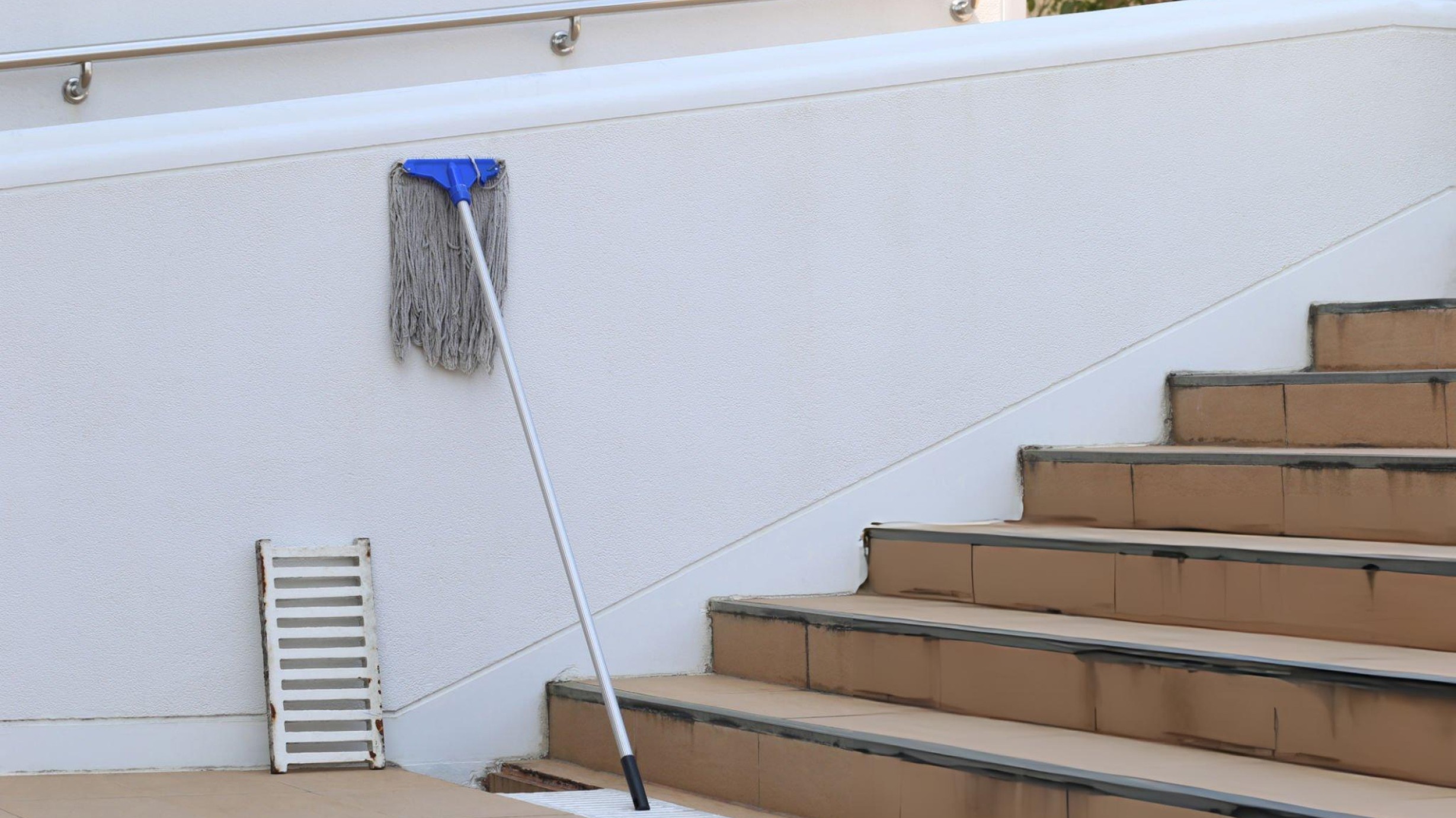
Keeping your floors clean is quite an essential part of making your home feel welcoming and healthy. But when choosing between a dry mop and a wet mop for cleaning, certain factors need to be considered.
Both have their own benefits and features. A dry mop is great for daily dust and debris, while a wet mop is better for sanitizing and deep cleaning. Your cleaning needs will guide your choice. This guide looks into the benefits of dry mopping and wet mopping.
In comparison, explore how each method works on different floor types. Key findings show that using both methods provides 40% better cleaning than just one. Also, selecting the proper technique can reduce cleaning time by up to 30% and help maintain the floor’s lifespan.
What is Dry Mopping?
Definition and Purpose
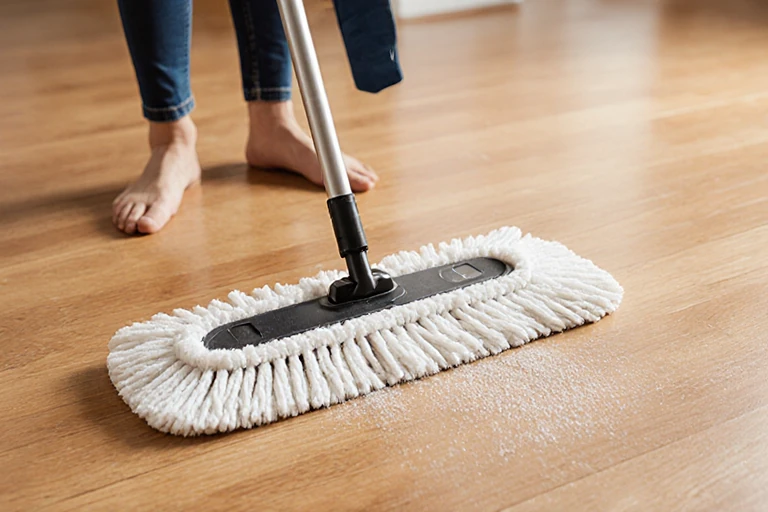
Dry mopping is a cleaning technique that removes dust, dirt, and debris from floors without using any cleaning solutions or water. The dry-mopped surface can be walked on immediately and requires no drying time. Static charge and microfiber friction in dry mopping create a magnetic effect. This effect attracts dust particles. Daily dry mopping helps control allergens. It also protects floor finishes from damage and keeps spaces looking clean. Research shows that dry mopping practices can reduce airborne dust particles by 60% compared to untreated floors.
Types of Dry Mops
The market offers different types of dry mops, which include:
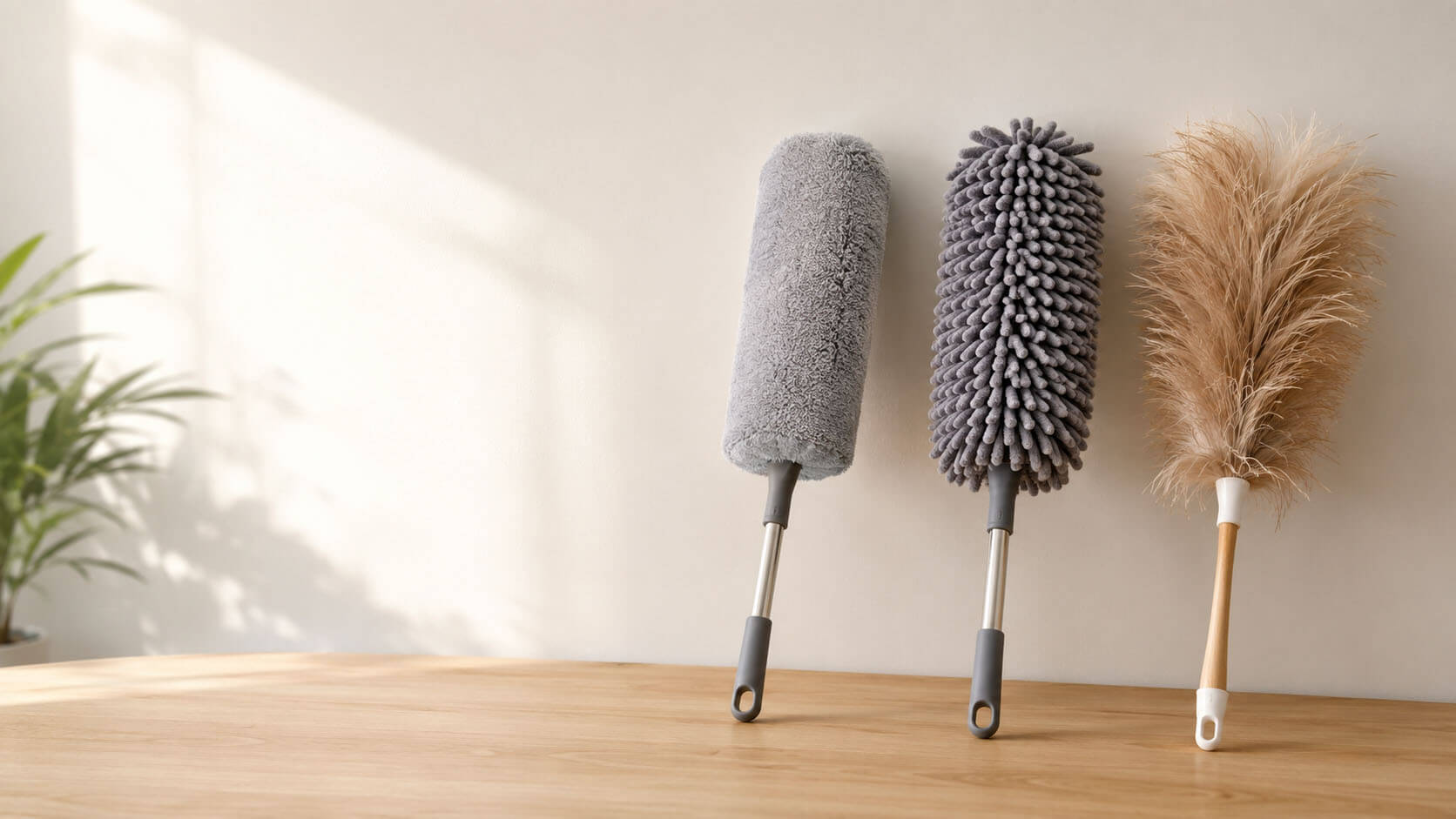
- The traditional dust mop uses cotton or synthetic loops. This helps clean smooth floor surfaces effectively.
- Microfiber mops use their unique structure to capture 95% of bacteria while operating without any chemical substances.
- Industrial mops range in width from 24 to 60 inches to serve large commercial buildings. Both manual and battery-powered sweepers offer sweeping and dusting functions.
Common Uses
Learning how to use a dust mop properly enables efficient daily maintenance cleaning across all floor types. Pre-cleaning with dust mops for floors removes 80% of dust and dirt before wet mopping begins. Commercial facilities see a 35% drop in cleaning chemical use by using dry mopping regularly.
What is Wet Mopping?
Definition and Purpose
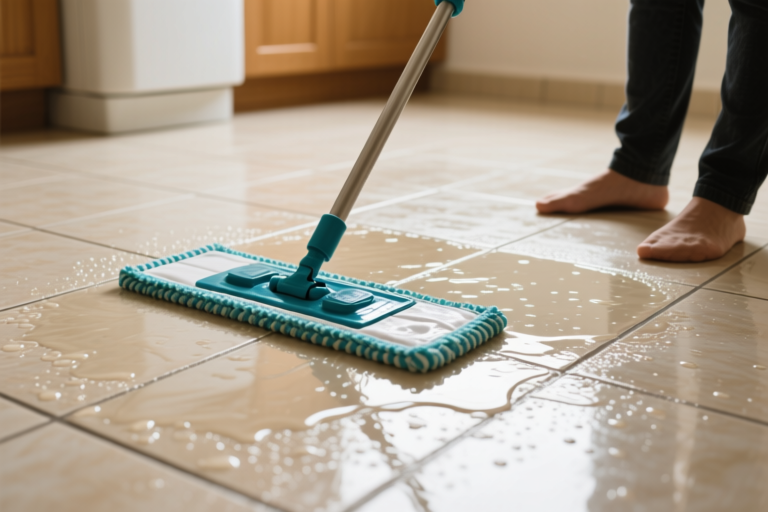
Wet mopping involves using water combined with cleaning solutions to penetrate floor pores and grout lines, thoroughly removing soil. This method lifts embedded dirt and bacteria, bringing surfaces back to their shine. The technique is essential for hygiene in hospitals, restaurants, and kitchens, where it removes 99.9% of germs when properly executed.
Types of Wet Mops
The selection of the correct mop tool determines the success of your cleaning process:
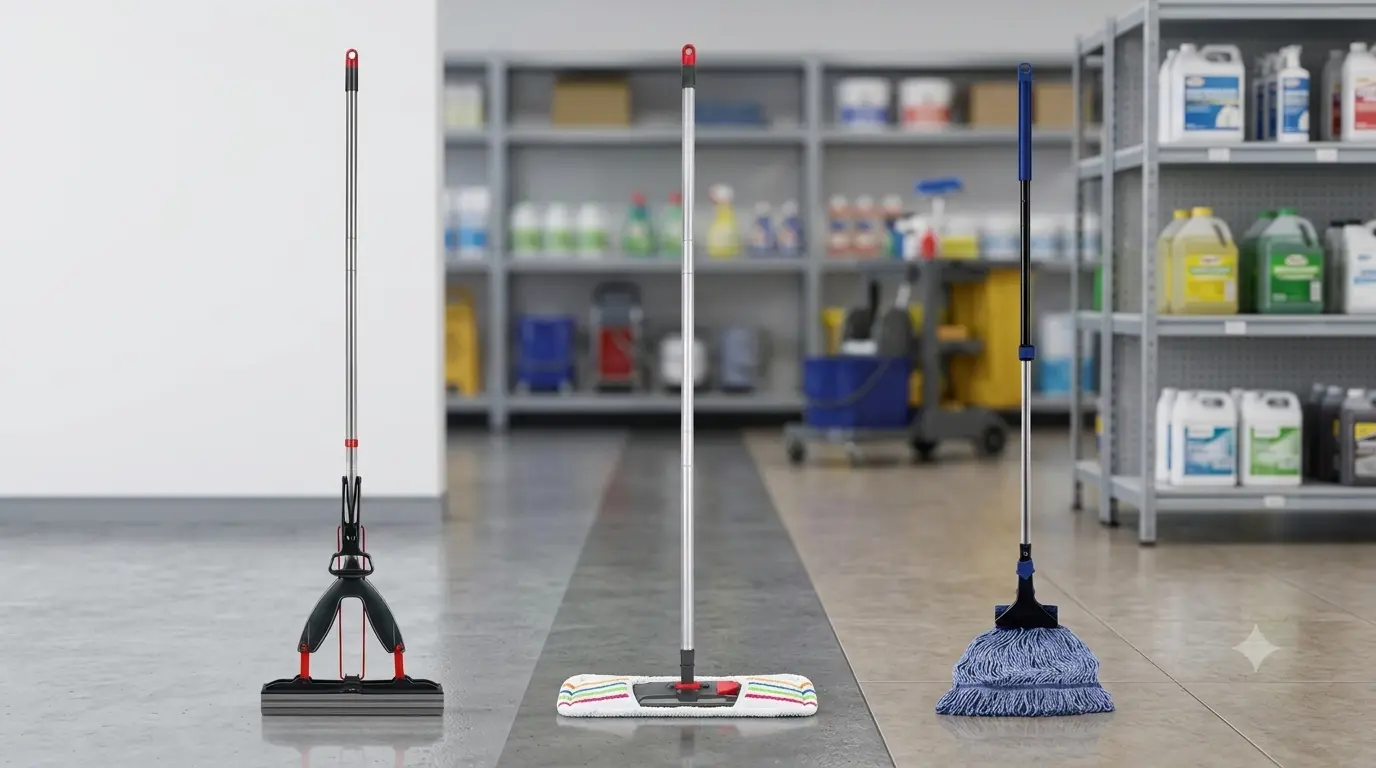
- String mops: Budget-friendly for large spaces, though they require more frequent replacement
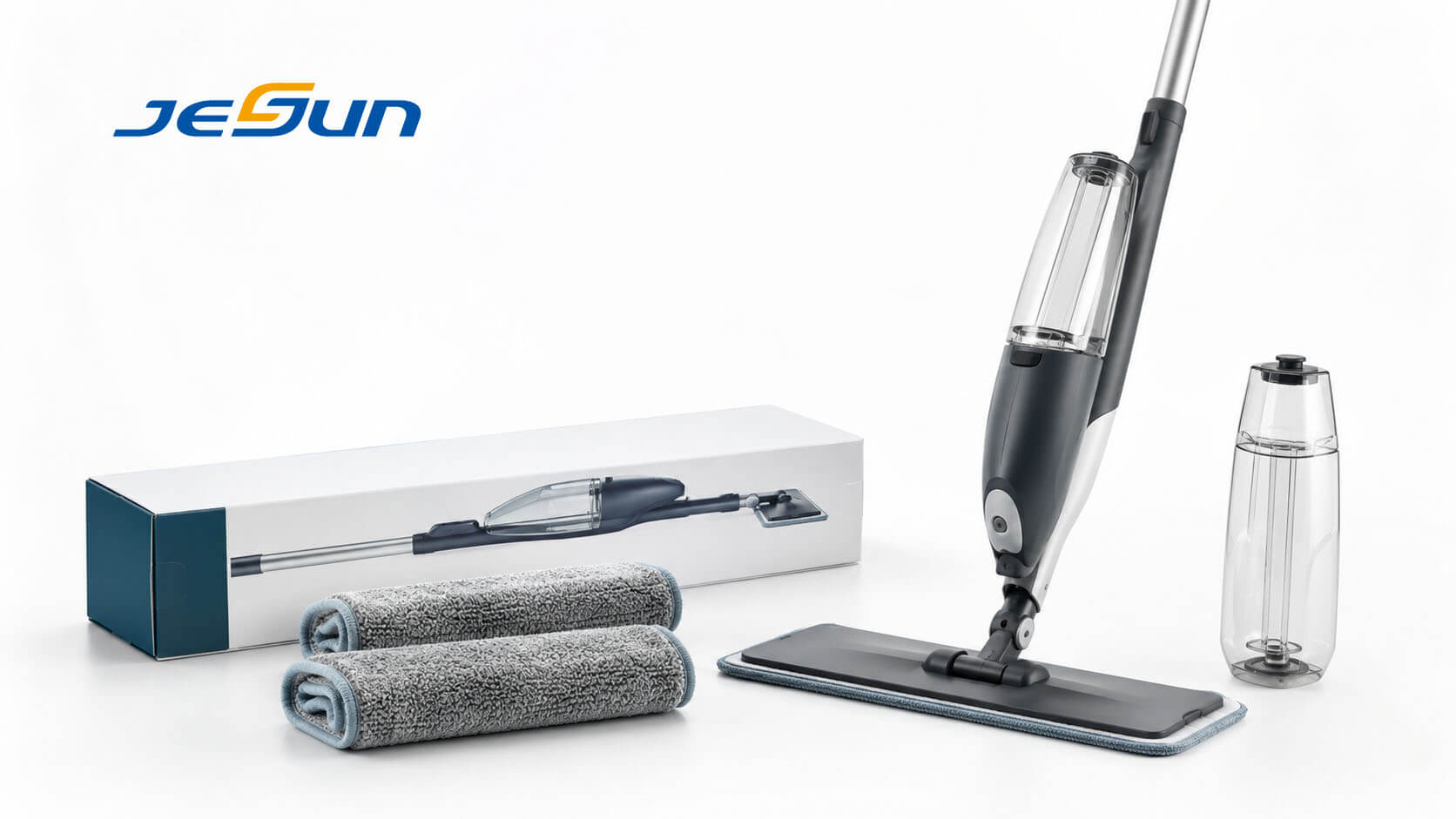
- Flat mops: Distribute cleaning solution evenly while using 40% less water
- Spin mops: Allow users to adjust water volume during cleaning
- Steam mops: Sanitize without chemicals, but should be avoided on unsealed wood or laminate
Common Applications
The top uses for wet floor cleaners are:
- Post-construction cleanup
- Sanitizing healthcare facilities
- Maintaining restaurant kitchens
- Emergency spill cleanup
Weekly deep cleaning sessions using appropriate wet mopping methods maintain floor life and appearance standards.
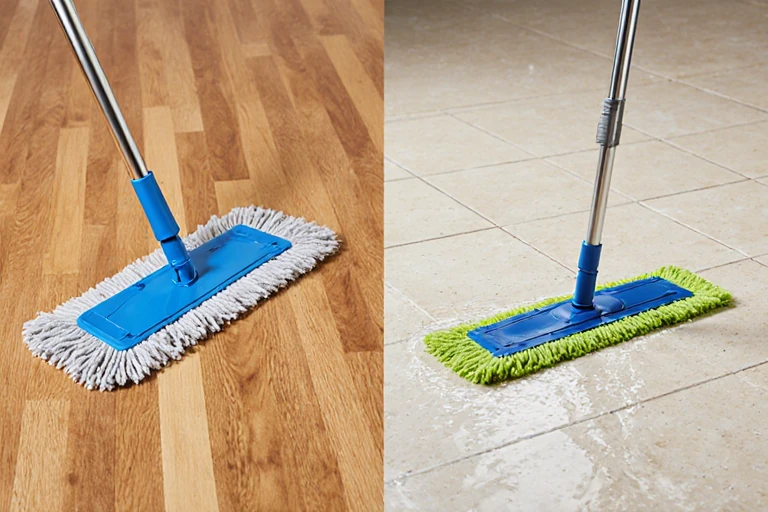
Dry Mop vs. Wet Mop: Key Differences
Cleaning Method
- Dry mops remove 95% of surface dust through static charge for fast daily maintenance.
- Wet mops break down dirt molecules for deep sanitization.
- Brooms create dust distribution, while dry mops collect particles for easy removal.
Time & Efficiency
- Dry mopping: Clean 1,000 square feet in 5 minutes with no drying time.
- Wet mopping: Requires 15-20 minutes of work plus 15-30 minutes drying time. The dry process reduces overall work requirements by 30%
Safety & Cost
- Wet floors increase slip risk by 23%, while dry mopping eliminates this hazard.
- Dry systems cost $30-$150; wet systems run $50-$300 plus cleaning products.
- Proper mop maintenance increases lifespan by 40%
Floor Type Considerations
Hardwood Floors
Dust mops provide optimal daily maintenance for hardwood without scratching delicate finishes. Since wood can absorb moisture in just 10 minutes and warp (costing $3-$8 per square foot to repair), dry mopping is the safest choice. When wet cleaning becomes necessary, use a barely damp, lint-free material that won’t snag on grain patterns.
Tile and Stone
Ceramic tiles handle both methods well, though grout requires special care. Dry mopping removes 70% of dust, preventing grout discoloration. Natural stone, like marble, requires neutral pH cleaners to prevent permanent etching. Combining daily dry mopping with weekly wet cleaning extends floor life by 10-15 years.
Vinyl and Laminate
Laminate’s pressed-wood core swells when exposed to excess water, making dry mopping essential. For necessary wet cleaning, a barely damp mop prevents moisture damage that voids warranties. Vinyl tolerates more moisture but still benefits from regular dry maintenance to avoid scratches.
Concrete and Industrial Floors
Industrial dry-floor mops handle heavy debris in warehouses, effectively removing metal shavings and production waste. Concrete’s porosity requires wet mopping with degreasers to avoid stains. Alternate between daily dry mopping and weekly wet scrubbing for best results.
Special Considerations and Comparisons
Dry Mop vs. Broom
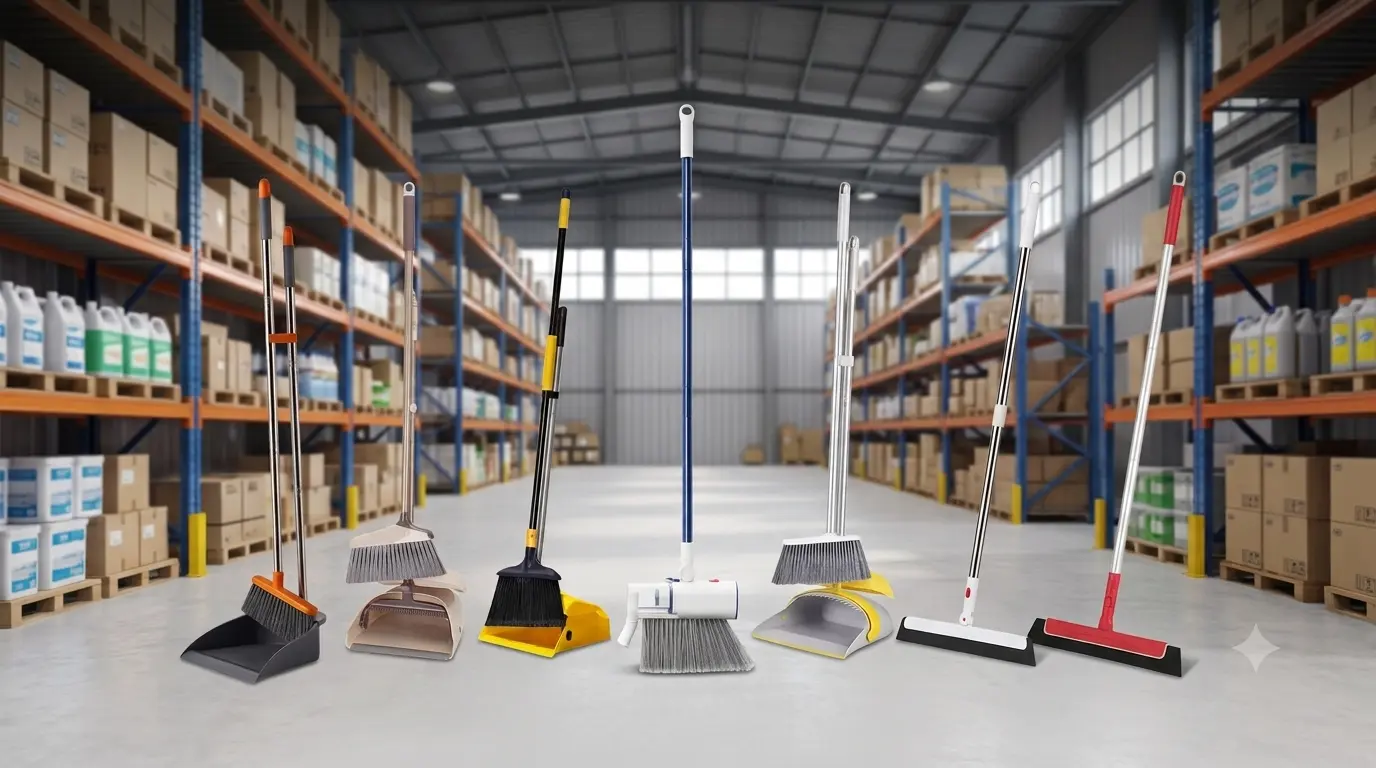
Dry mops outperform brooms for cleaning indoor spaces. Dry mops capture dust and allergens with their microfiber pads, producing cleaner air than brooms do. The cleaning process with dry mops takes less time because they can handle 2,000 sq. ft. in 10 minutes, whereas brooms need 20 minutes to complete the same task. Heavy debris in outdoor spaces and construction sites makes brooms more suitable for outdoor cleaning.
Traditional vs. Modern Systems
Modern cleaning technology has transformed maintenance routines. While disposable cleaning products offer convenience, they cost 10 times as much per use as reusable alternatives. Professional-grade systems help organizations cut cleaning supply costs by 45%, recovering investment in just 3 months while providing both environmental benefits and reduced expenses.
Choosing the Right Mop for Your Needs
For Homes
Select your mop based on floor type and cleaning preferences:
- Hardwood/laminate: Use a dust mop for daily maintenance
- Tile/vinyl: Implement wet mopping for complete sanitation
- High-traffic homes: Daily dry mopping with weekly wet cleaning
- Smaller households: Less frequent mopping with combination systems
For Businesses
Efficiency becomes essential when dealing with extensive areas.
- Industrial dry mops and automated scrubbers are best suited for facilities exceeding 10,000 square feet.
- Healthcare facilities and food service operations need CDC-approved wet mopping methods to achieve 99.9% germ elimination.
The reduced number of staff members should perform dry mopping daily, while wet cleaning should occur once per week. The combination of proper training and established procedures enables organizations to achieve professional results.
Conclusion
The choice between wet mopping and dry mopping ultimately depends on your specific cleaning needs and floor types. Each method serves a distinct purpose in maintaining clean, healthy floors. Whether you’re maintaining a busy household or managing a commercial facility, having the right tools makes all the difference. Quality cleaning equipment that suits your specific needs will save time, reduce costs, and extend the life of your floors. For those looking to upgrade their cleaning gear, companies like Jesun offer comprehensive mop solutions designed to handle everything from daily dust control to deep sanitization.
FAQs
Can I use the same mop for both dry and wet mopping?
While some mops are designed for dual functionality, it’s best to have separate mops for each method. Using a damp mop for dry mopping won’t be effective.
How often should I replace my mop heads?
String mop heads need to be replaced every 2-3 months with regular use. Microfiber mop heads can last 6-12 months. Replace any mop head that has a persistent odor, decreased cleaning efficiency, or shows fraying.
Why does my floor look streaky after mopping?
Streaking normally results from using too much cleaning solution, not wringing out the mop enough, or using dirty mop water. Use fewer products, use clean water whenever possible, and ensure your mop is damp, not soaking wet.



 English
  Spanish
  Russian
  Arabic