
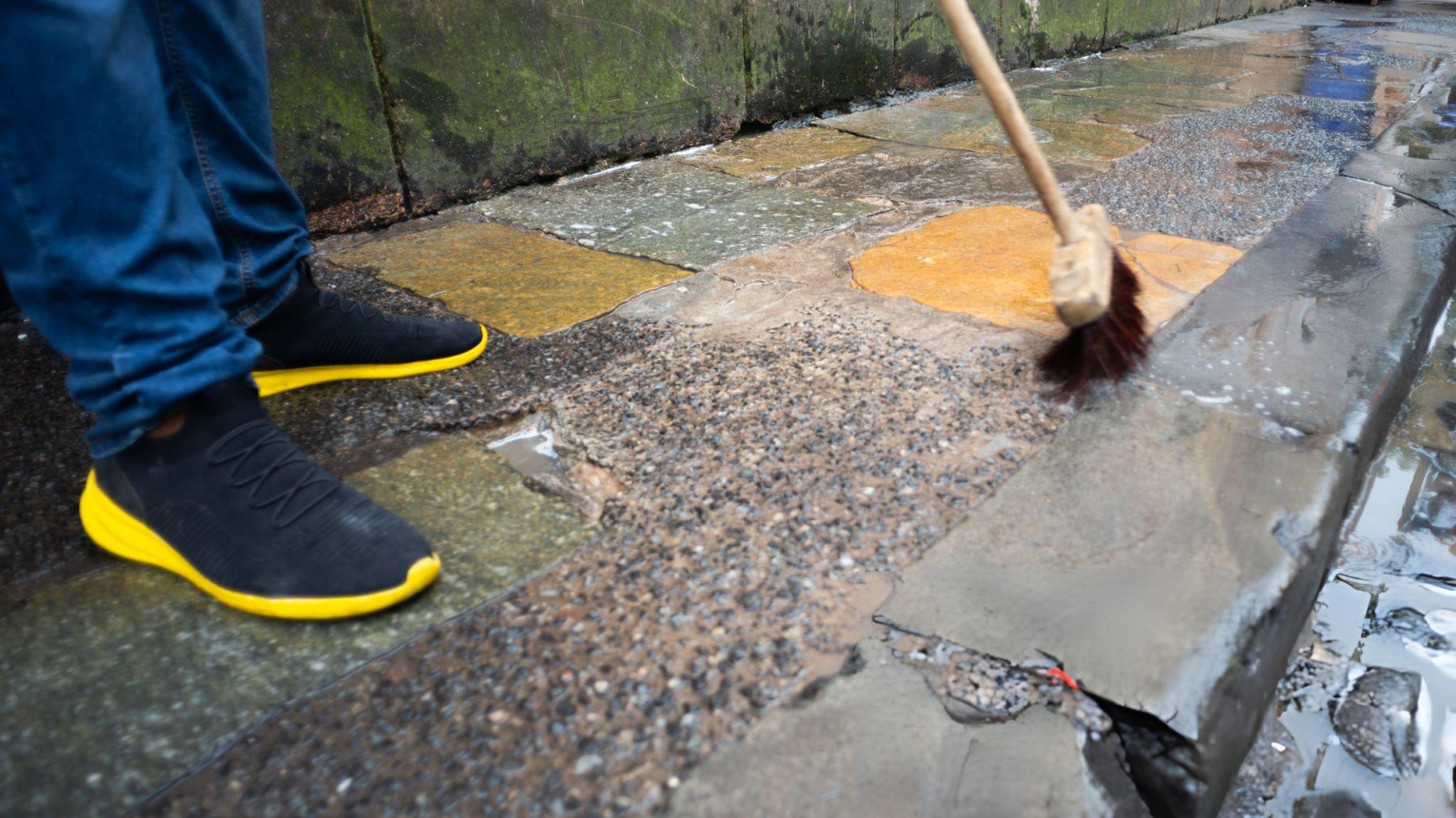
Indian sandstone is a natural stone with a high level of durability, which makes it a favourite. However, outdoor patios are prone to dirt, algae growth, stains, and weather conditions. Cleaning Indian sandstone paving slabs is a simple process that requires the right approach. Without using harsh chemicals, you can safely remove dirt and stains, keeping your patio looking new.
Introduction
Indian sandstone is one of the most common patio materials in the UK. It is valued mainly for its natural beauty as well as its long life. But like any stone, if you don’t clean it, the slabs can lose their bright colour and start to look dull. They can also become slippery when algae grows, making them unsafe to walk on.
The good thing is that sandstone doesn’t require much effort to look after. All that is needed is a bit of soap and water. For tougher stains, you can use any cleaner designed specifically for sandstone that works without harming the stone.
This guide explains step by step how to clean sandstone slabs the safe way. You will also learn how to remove oil, rust, and green stains, and whether tools like jet washing or bleach are safe for sandstone.
Why is Cleaning Indian Sandstone Patio Slabs Important?
The beauty of a patio is all about how well it is cleaned and maintained. If you ignore it, the slabs lose colour, collect stains, and even turn slippery with algae. This shortens the life of your patio. Here’s why regular cleaning matters.
Natural Weathering and UV Exposure: Just like anything left outside, sandstone changes over time. The sun’s UV rays fade the colours, while rain and wind also break down the surface a little at a time. A gentle clean helps protect it and keeps the slabs bright for a longer period.
Dirt Build-Up and Algae Growth: Indian sandstone has a porous surface, and the tiny pores can collect dirt, dust and plant matter. When damp, it becomes the perfect spot for algae and moss growth.
Moisture and Drainage Issues: If water sits on the slabs, it seeps in and encourages stains. Good drainage and regular cleaning stop these problems before they spread.
Incorrect Cleaning Methods or Harsh Chemicals: Blasting it with a pressure washer or pouring on strong bleach can actually ruin the stone. Harsh cleaners can also strip away its natural tones. Using mild soap or a sandstone cleaner keeps it safe and clean.
How to Clean Indian Sandstone Patio Slabs?
Here is a detailed guide on cleaning Indian Sandstone patio slabs step-by-step.
Tools and Supplies You’ll Need
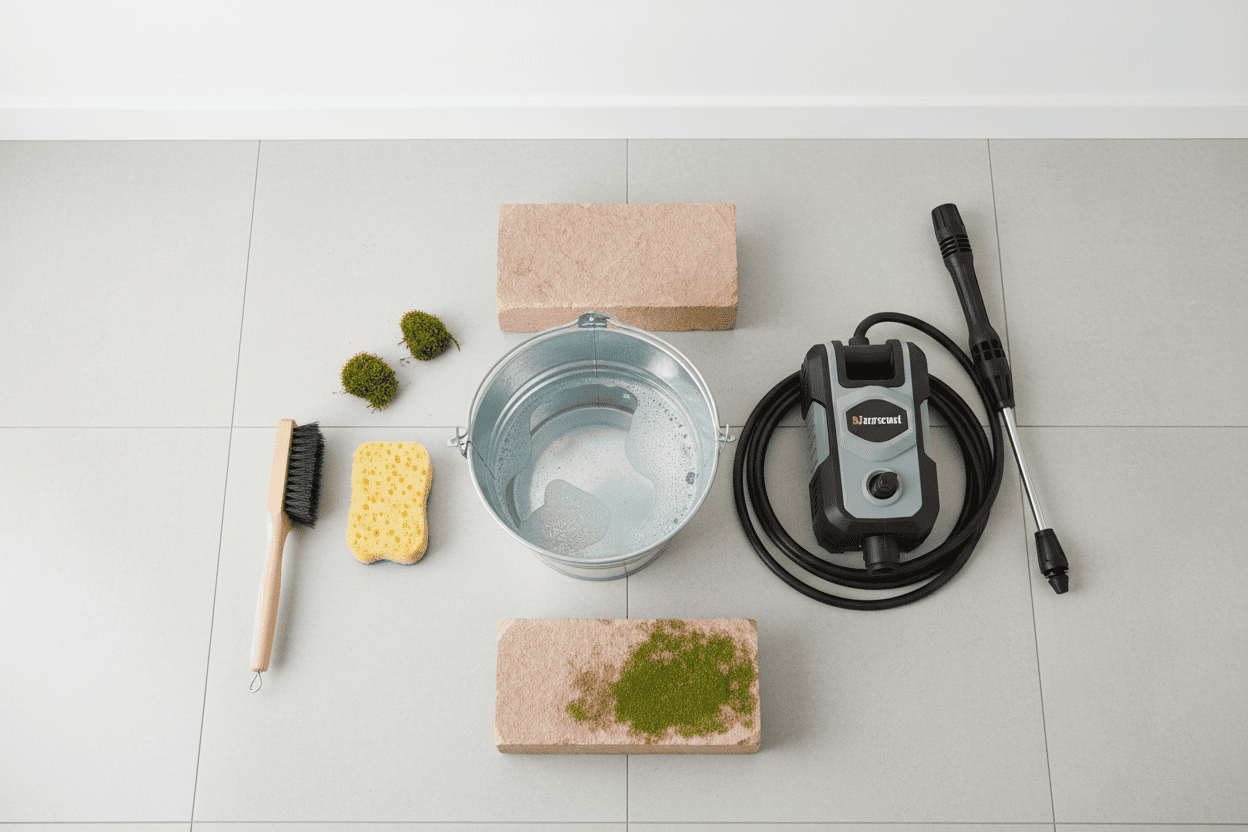
To clean your patio, you will need a few key items.
- Soft or stiff brush (not wire).
- Bucket, warm soapy water, or pH-neutral cleaner.
- Optional diluted bleach solution (1:1 or 1:4).
- Jet washer (low pressure only).
- Sealer for long-term protection.
Step 1: Clear and Prepare the Patio
Before cleaning the patio, prep the surface. Start by moving furniture, planters, or other items from the patio. Give it a good sweep first. You can use a push broom for convenience. Otherwise, once you add water, you’ll just end up with messy mud.
Step 2: Wash with Soapy Water
Now for washing, mix mild detergent with warm water. Scrub the slabs with a scrubber brush. After scrubbing, rinse the area completely with clean water to get rid of all the soapy residue. For large patios, a pressure washer on low setting can speed up rinsing. Always keep the nozzle wide and pressure gentle to avoid damage.
Step 3: Remove Algae and Green Stains
For tougher stains, you can use a stronger solution. Mix bleach with water in the ratio 1:4 to make a solution and apply it directly onto the stained areas. Leave it for 15-30 minutes, then scrub with your brush. Rinse the area well with clean water.
For very stubborn lichen, you can use a special iron-free fungicide. You can also use a pressure washer, but only at low pressure and with a wide spray to avoid etching the stone.
Step 4: Final Rinse with Water
After scrubbing all the stains, rinse everything with clean water. Use a hose or low-pressure washer with a wide nozzle. Don’t use narrow jets, as they can mark the sandstone surface.
Step 5: Let Dry and Seal (Optional)
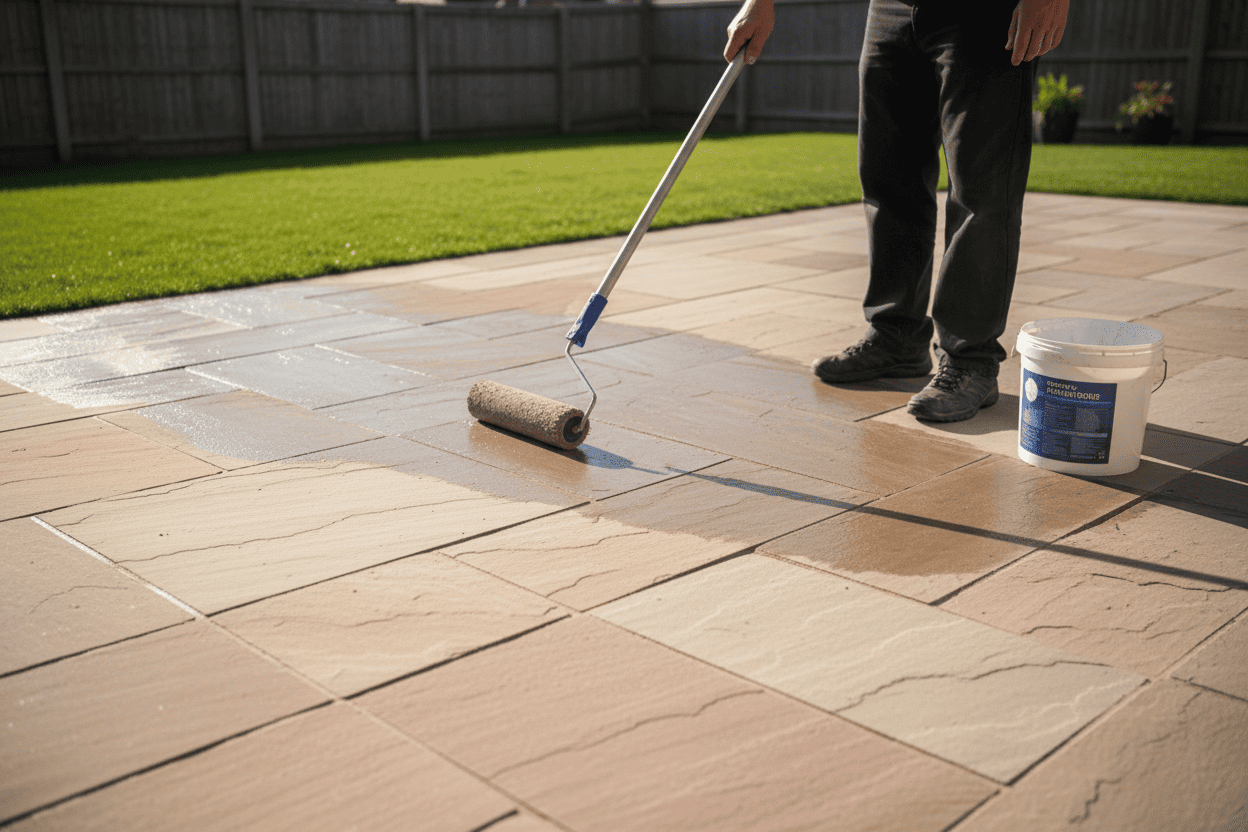
Once you’re done cleaning, allow the slabs to dry completely. This can take at least 24 hours. When the stone is dry, you can apply a breathable natural stone sealer. Sealing helps to create a protective layer on the surface, which prevents algae, stains, and fading from happening again so quickly.
How to Remove Different Stains from Sandstone?
Tackling specific stains requires different methods. Simply scrubbing with soapy water is not enough for tough spots like oil or rust. With the right cleaning agent for each type of stain, you can prevent any damage to the porous surface of the sandstone.
How to Remove Oil Stains on Indian Sandstone?
Most oil marks come from things like dripping BBQ trays or garden tools left outside. To remove the oil stains from Indian Sanstone:
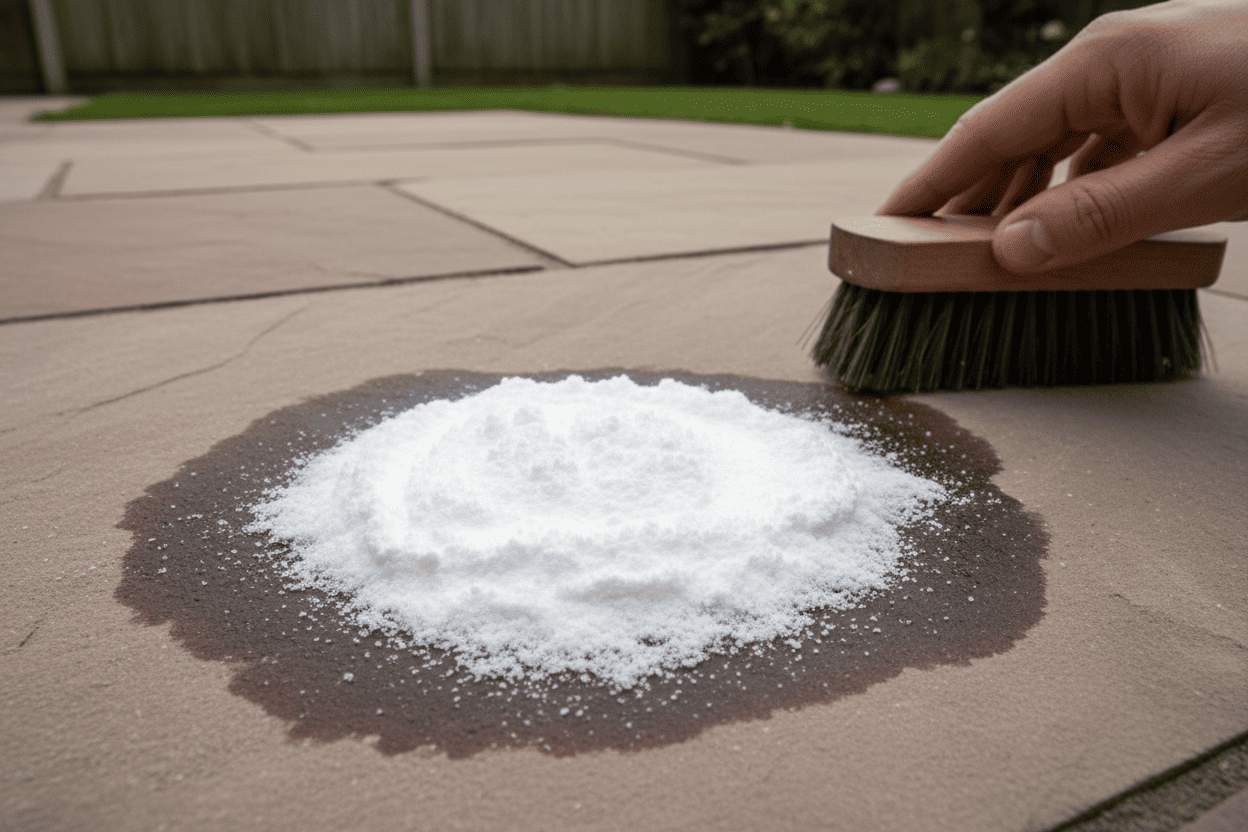
Mix baking soda with a small amount of water to form a paste. According to ACS Publications (1), baking soda is highly absorbent. It pulls oil out of the pores of sandstone like a sponge. Apply this paste directly onto the stain. Let it sit for 15–20 minutes to absorb the oil. Scrub with a brush and rinse well with clean water. For deep oil that has soaked in, you may need to repeat this process several times.
How to Remove Brown or Rust Marks on Sandstone?
Rust stains appear when metal furniture, tools, or garden items sit on the slabs in wet weather. These marks turn reddish-brown and spoil the clean look of the patio.
Rust looks scary, but there’s an easy trick to deal with it. You can mix lemon juice with a little salt to make a paste. According to a recent study (2), lemon works on rust because it contains citric acid. This mild acid reacts with the iron in the rust and helps break it down.
Apply the paste to the rusty area. Leave it on for 10–15 minutes, then scrub with a brush and rinse well. Avoid using any acidic cleaners that are stronger than lemon, as they can damage the stone’s surface.
Natural Deep Eutectic Solvents as Rust Removal Agents from Lithic and Cellulosic Substrates
How to Remove Black Spots and Tough Stains?
Those stubborn black spots? That’s lichen, which grips tight into the stone and won’t scrub off easily. You will need to use specialised patio black spot removers. Apply the product as directed. These cleaners work by breaking down the lichen’s roots. Some tough patches may need more than one treatment, especially on older patios.
How to Keep Your Indian Sandstone Patio Clean?
A clean patio lasts longer and looks brighter. Small habits make a big difference. Regular care stops these problems before they build up. Here’s how to keep it clean year-round:
- Sweep often: Dust, soil, and leaves left on the surface trap moisture and feed algae. A quick sweep keeps the stone dry and tidy.
- Wash yearly: A bucket of warm, soapy water and a stiff brush are usually enough. This removes surface dirt and light stains.
- Re-seal every 2–3 years: Sealing sandstone is a smart choice. It adds a protective barrier to the stone. A breathable sealer blocks oil, water, and algae from sinking in. It also protects against fading from sunlight.
- Check drainage: Make sure rainwater runs off instead of pooling. Standing water is the main cause of green algae.
Looking for Quality Cleaning Supplies? Here’s What You Need
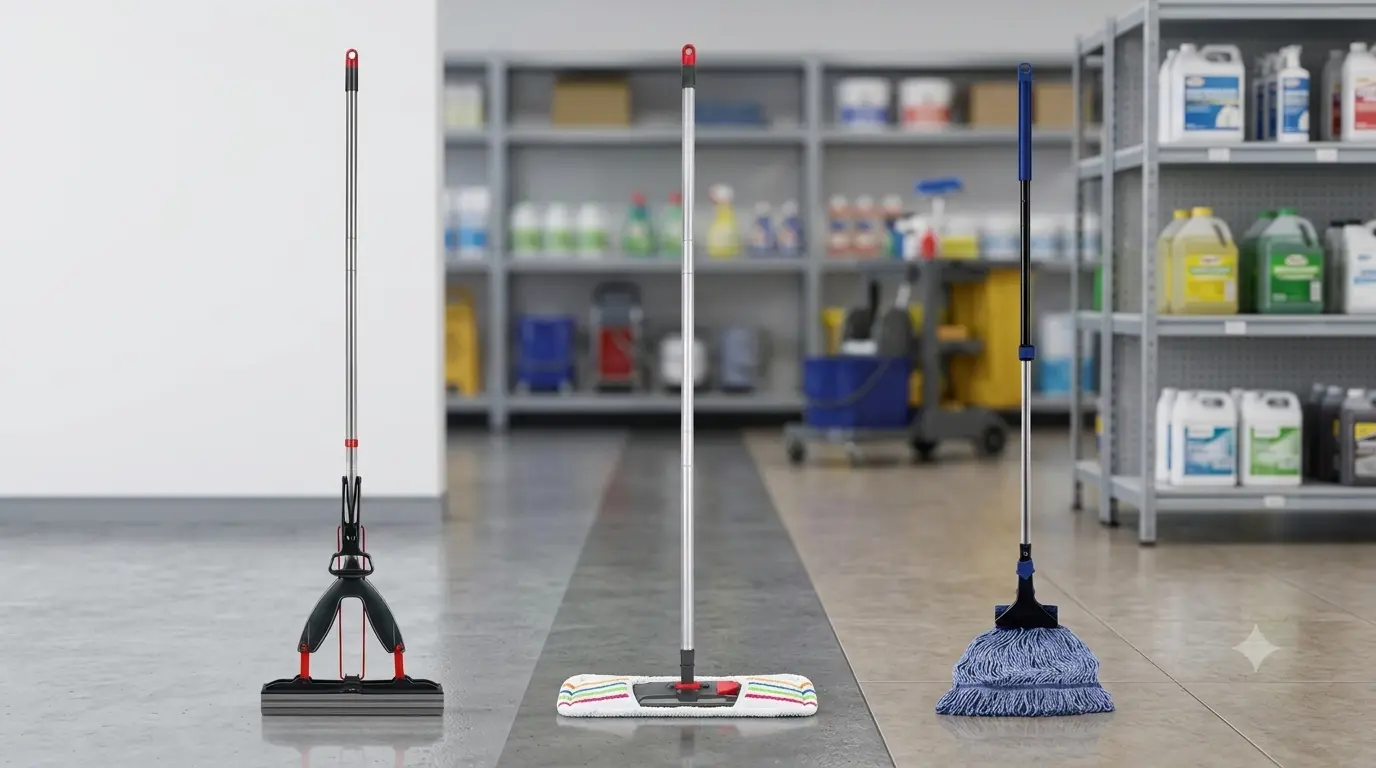
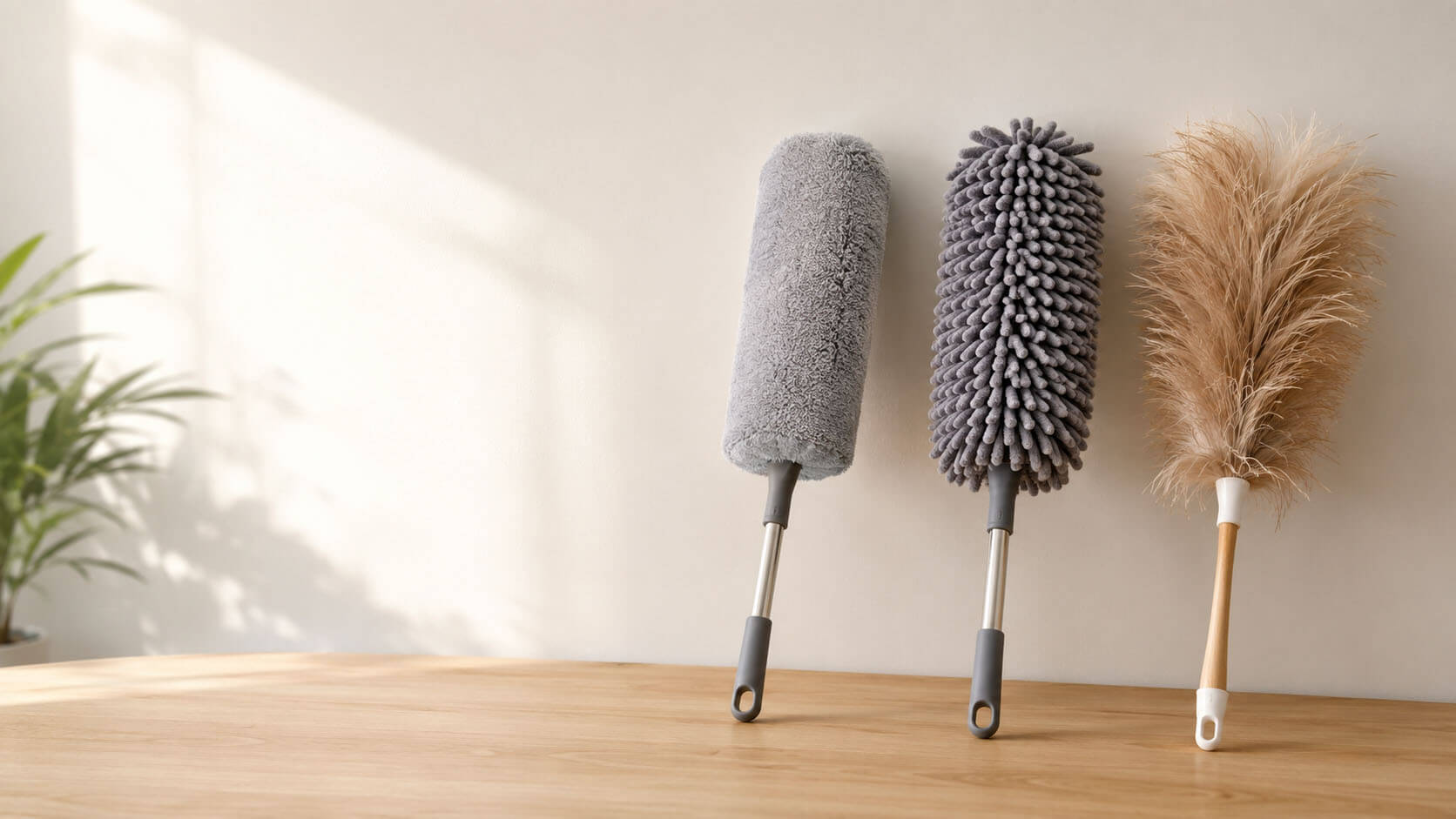
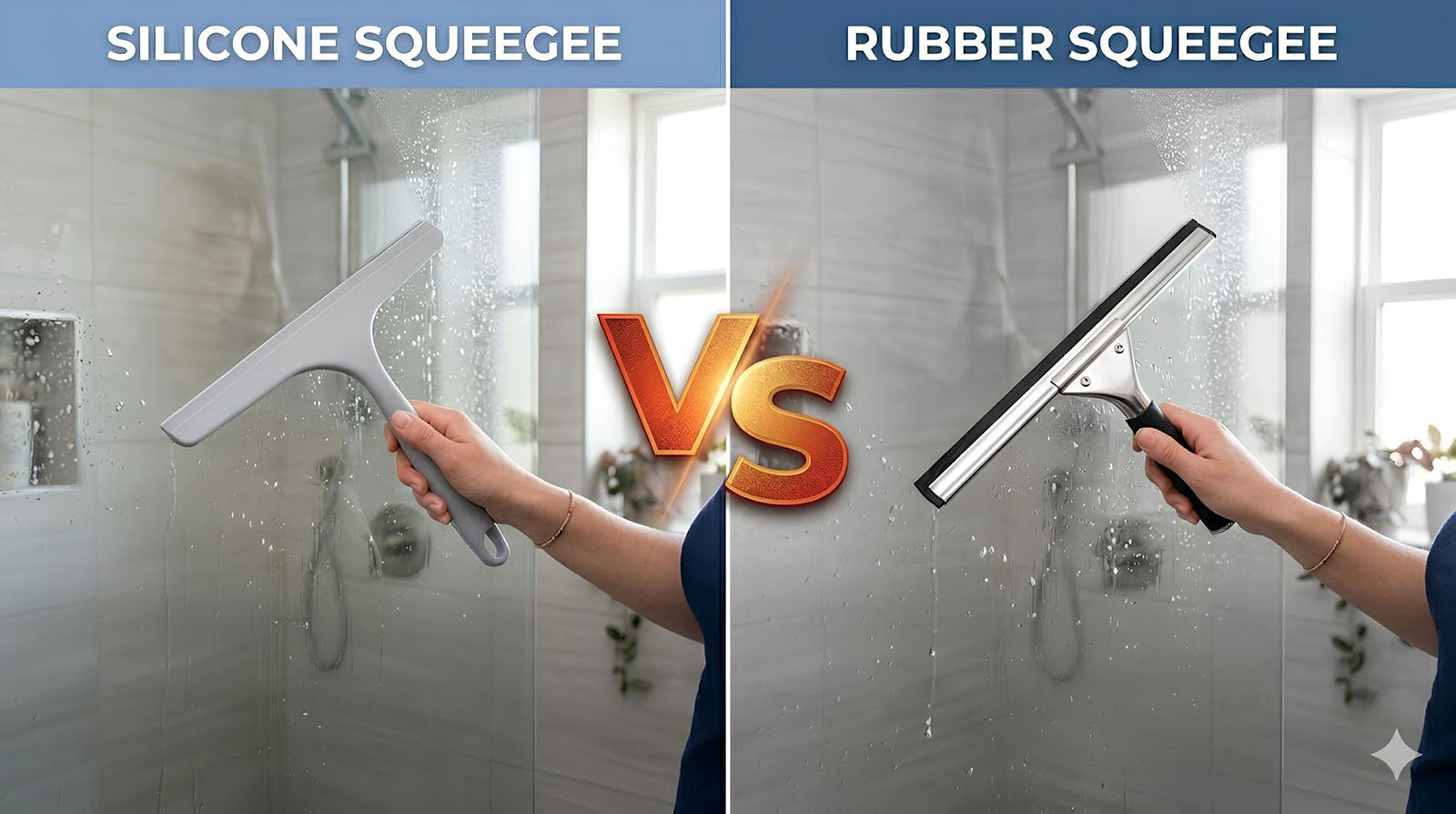
When it comes to cleaning your Sandstone Paving slabs, having the right tools makes all the difference. Jesun is a trusted brand that has been providing premium cleaning products for 38 years. We offer a versatile range of mops, brooms, and brushes.
Final Thoughts: Caring for Your Sandstone Patio
A beautiful sandstone patio is a great addition to any home. Its appearance and durability depend on proper care. Gentle cleaning is always better than using harsh chemicals or high pressure. With care, your sandstone patio can last for decades while keeping its natural charm.
FAQs
How Often Should You Clean Sandstone Patios?
You should deep-clean your sandstone patio at least once a year, preferably in the spring. In shaded or damp areas, you may need to clean twice a year to stop algae and stains from building up.
How to Stop Sandstone from Going Green?
The green layer is algae that grows in moisture. The best way to stop sandstone from going green is by keeping it dry and clean. Remove any organic debris like leaves and dirt regularly, and ensure the patio has proper drainage. A yearly clean with a pH-neutral cleaner also helps to kill and prevent algae and moss.
Can Sealing Prevent Sandstone from Going Green?
Yes, sealing can greatly help in preventing sandstone from going green. Sealer creates a protective layer on the surface of the stone, which makes it harder for algae, mould, and other growths to take root.
How Long Does Sandstone Sealer Last?
Most good sealers last 2–3 years. After that, you’ll notice water sinking into the slabs more quickly, which is a sign it’s time to reapply.







 English
  Spanish
  Russian
  Arabic