
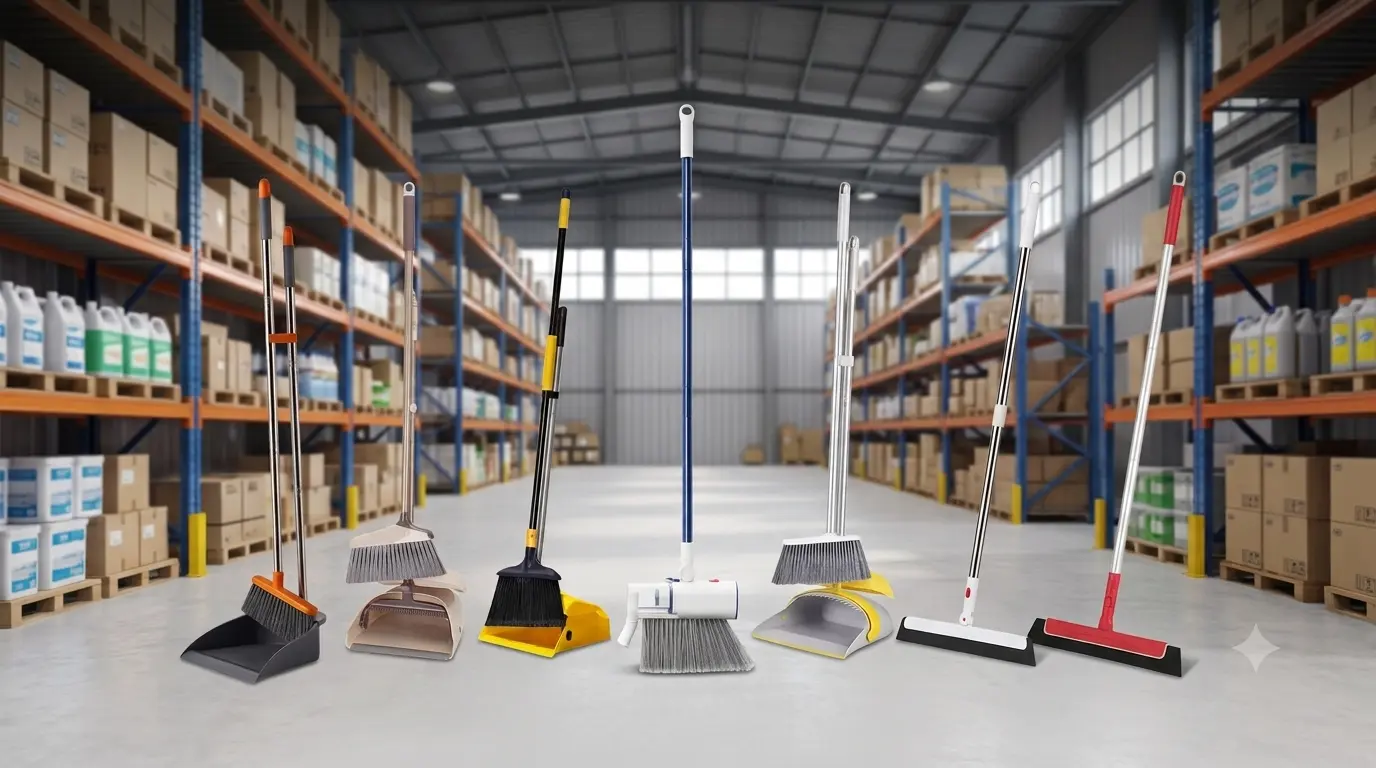
وصل سوق المكانس العالمي إلى $4.8 مليار في عام 2025 ومن المتوقع أن يرتفع إلى $7.1 مليار بحلول عام 2034 بمعدل نمو سنوي مركب قدره 4.51 تريليون طنداتا إنتيلو, 2026; رؤى بحوث الأعمالتشير التوقعات لعام 2026 إلى مسار مماثل بمعدل نمو سنوي مركب قدره 4.25 مليار إلى 5.72 مليار / 3.35 مليار للفترة 2026-2035، مع اختلاف المنهجيات وسنوات الأساس. ويتوسع القطاع التجاري بمعدل نمو سنوي مركب قدره 4.8%متجاوزة بذلك قطاع الأسر في 4.0% (داتا إنتيلو(2026). بالنسبة لمشتري B2B الذين يبحثون عن أدوات التنظيف، فإن الحسابات بسيطة: النصف التجاري من السوق ينمو بشكل أسرع من النصف المنزلي، والمزيج الصحيح من المنتجات هو الفرق بين هامش ربح أقل في البيع بالجملة وهامش ربح في البيع بالتجزئة يزيد عن 25%.
مع ذلك، فإن معظم المحتوى الإلكتروني المتعلق بأنواع المكانس موجه للمتسوقين الذين يختارون المكنسة المناسبة لمطبخهم، وليس لفرق المشتريات التي تحدد أي 4-6 منتجات ستغطي غالبية طلبات عملائها التجاريين. هذا الكتالوج يسد هذه الفجوة.
أهم النقاط
- سوق المكانس العالمي هو $4.8B في عام 2025 → $7.1B بحلول عام 2034 (بمعدل نمو سنوي مركب قدره 4.5%)، وينمو القطاع التجاري بوتيرة أسرع من القطاع المنزلي (4.8% مقابل 4.0%) (داتا إنتيلو, 2026; رؤى بحوث الأعمال, 2026).
- في مجال التوريد بين الشركات، تندرج المكانس ضمن 8 فئات وظيفية — الزاوية، الدفع، الردهة، الذرة، الخفاقة، الممسحة، كاسحة الشوارع/الصناعية، ومرمزة بالألوان — كل منها مرتبط بصناعة مستخدم نهائي مميزة.
- الإطار الصحيح هو الهندسة العكسيةاختر أولاً القطاع المهيمن من العملاء النهائيين، ثم اختر 4-6 أنواع من المكانس التي تغطي غالبية الطلب.
- للاطلاع على مواصفات المواد بالتفصيل (البولي بروبيلين مقابل البولي إيثيلين تيريفثالات مقابل النايلون)، راجع مقارنة مواد شعيرات المكانس. وللحصول على إرشادات حول اختيار الموردين والحد الأدنى للطلب، راجع دليل مشتري المكانس بالجملة.
كيف يتم تصنيف المكانس فعلياً في سوق الأعمال بين الشركات (B2B)؟
بلغت قيمة سوق المكانس العالمية 4.8 مليار دولار في عام 2025، ومن المتوقع أن تصل إلى 7.1 مليار دولار بحلول عام 2034، بمعدل نمو سنوي مركب قدره 4.51 تريليون دولار.داتا إنتيلو(2026). وضمن ذلك، يُعد القطاع التجاري هو النصف الأسرع نموًا - ومن المتوقع أن ينمو بمعدل 4.81 تريليون تيراغرام حتى عام 2034 مقابل 4.01 تريليون تيراغرام للقطاع المنزلي (داتا إنتيلو(2026). ويرتبط الطلب بصناعة التنظيف التجاري الأوسع نطاقاً، والتي تجاوزت قيمتها 1.7 مليار دولار أمريكي على مستوى العالم في عام 2025 (داتا إنتيلو, 2026).
ينقسم السوق حسب نوع المنتج إلى مكنسة ناعمة 32.4%، مكنسة زاوية 24.8%، مكنسة دفع 19.6%، ومكنسة صلبة 14.7% في عام 2025 (داتا إنتيلو(2026) - وهو تقسيم يتوافق مباشرةً مع فئات وحدات التخزين. حسب التطبيق، تمثل المنازل 44.61 تريليون من الإيرادات، والقطاع التجاري 29.81 تريليون، والقطاع الصناعي 17.41 تريليون. حسب المنطقة، تتصدر منطقة آسيا والمحيط الهادئ بإيرادات بلغت 38.21 تريليون من عام 2025 (بمعدل نمو سنوي مركب قدره 5.31 تريليون)، تليها أمريكا الشمالية بإيرادات بلغت 26.41 تريليون، ثم أوروبا بإيرادات بلغت 20.11 تريليون.
تصنف معظم أدلة المستهلك المكانس حسب شكل الرأس (زاوية، مسطحة، ضيقة) أو بواسطة غرفة (المطبخ، المرآب، الفناء). هذا التصنيف غير مناسب لمشتري الشركات، لأنه يتجاهل المحاور الثلاثة التي تؤثر فعلياً على قرارات وحدات التخزين في تجارة الجملة:
- حركة كاسحة — الدفع (حركة واسعة للأمام) مقابل السحب (حركة ضيقة للخلف)
- بيئة الاستخدام — داخلي/جاف، داخلي/رطب، خارجي/خشن، صناعي/مثبت على الآلات
- قطاع المستخدم النهائي — قطاعات التجزئة السكنية، والضيافة، وخدمات الطعام، والرعاية الصحية، والصناعة، والبلديات
يستند الإطار ذو الأنواع الثمانية الموضح أدناه إلى تلك المحاور الثلاثة. كل مكنسة ينبغي على مشتري B2B أخذها في الاعتبار تندرج ضمن أحد هذه الأنواع الثمانية - وتستخدم معظم خطوط الإنتاج الناجحة من 4 إلى 6 منها، وليس جميعها.
ما هي المكنسة الزاوية ومن يشتريها؟
تُعدّ المكانس الزاوية أكثر منتجات B2B مبيعًا في قطاعي المنازل والمتاجر الصغيرة، وتتميز برأس شعيرات مثلث أو مدبب مصمم للوصول إلى الزوايا، وألواح الحواف، والفجوة أسفل الأجهزة. وقد احتلت هذه المكانس المرتبة الثانية من حيث حصة السوق العالمية للمكانس. 24.81 تريليون تريليون في عام 2025، بنمو سنوي مركب قدره 4.61 تريليون تريليون حتى عام 2034 (داتا إنتيلو2026). في خط إنتاج نموذجي للسوق الشامل، تمثل المكنسة الزاوية بالإضافة إلى مجموعة مجرفة الغبار المتطابقة الجزء الأكبر من إجمالي حجم وحدة المكنسة.
تفاصيل البناء المهمة في أمر الشراء بالجملة:
- حجم الرأس: يتراوح عرض المسح بين 8 و13 بوصة. أما في متاجر التجزئة السكنية، فيميل العرض إلى 10-12 بوصة؛ بينما تحتاج قنوات التنظيف إلى 8-10 بوصات لعربات التنظيف الضيقة.
- زاوية الشعيرات: القطع بزاوية 30°–45°. الزاوية الحادة (الأقرب إلى 45°) تُحسّن الوصول إلى الزوايا؛ والقطع الأكثر استواءً يُزيل المزيد من الحطام في كل ضربة.
- مادة الشعيرات: مادة البولي إيثيلين تيريفثالات (PET) المُعَلَّمة لجمع الغبار الناعم على الأرضيات الداخلية الملساء؛ مادة البولي بروبيلين (PP) غير المُعَلَّمة لوحدات التخزين ذات المستوى الاقتصادي؛ مزيج شعر الخيل للمواقع المتميزة.
- مقبض: تلسكوبي (نطاق 120-140 سم) لوحدات التخزين الخاصة بالتجارة الإلكترونية؛ خشب ثابت أو ألومنيوم لوحدات التخزين الخاصة بأرضيات البيع بالتجزئة.
- التجميع: معظم المكانس المخصصة للبيع بالتجزئة بين الشركات (B2B) تُشحن كمجموعة مكنسة + جاروف بدلاً من مكنسة منفردة.
نطاق سعر الجملة: $0.40–$3.00 لكل وحدة FOB الصين، اعتمادًا على مادة الشعيرات والمقبض وتضمين مجرفة الغبار (دليل JESUN لتجارة المكانس بالجملة).
المستخدمون النهائيون المستهدفون: متاجر التجزئة السكنية، والمكاتب الصغيرة، وعربات تنظيف الفنادق، وخدمات الطعام الخفيفة، ومتاجر التجزئة ذات المساحات الصغيرة.
أذرع OEM/ODM: مادة المقبض (بولي بروبيلين / ألومنيوم / خشب)، لون الشعيرات (أبيض، رمادي، لون العلامة التجارية)، شكل المجرفة (مفتوحة / بغطاء / بأسنان)، خطاف التعليق، والتغليف بعلامة تجارية خاصة. تلبي هذه العناصر الخمسة معظم طلبات التخصيص الشائعة في جيسون.
ما هي المكنسة اليدوية وما هي الصناعات التي تستخدمها؟
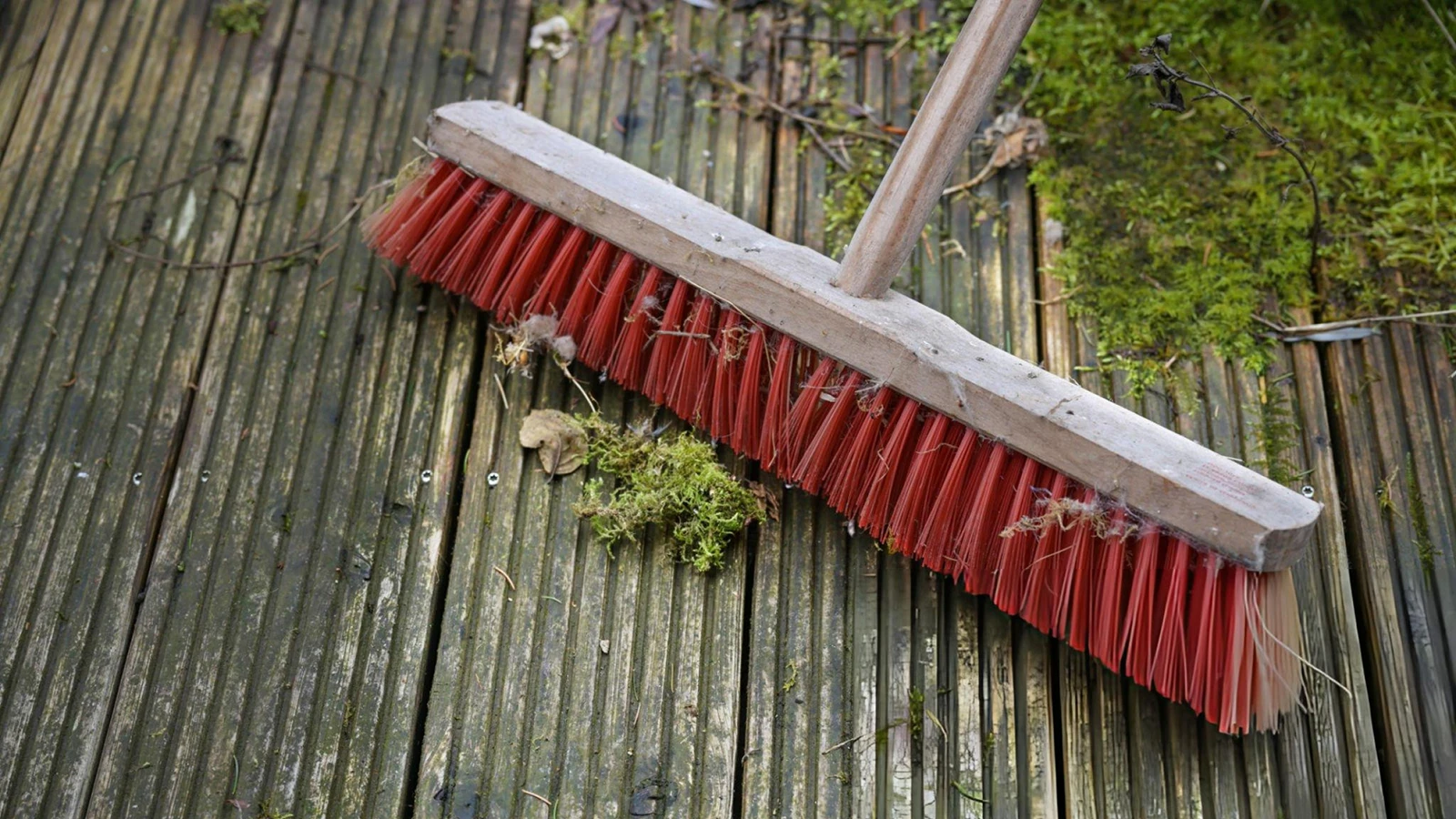
تغطي المكنسة اليدوية مساحة تتراوح بين 18 و60 بوصة من الأرضية لكل ضربة للأمام، وهي الأداة الأساسية في المستودعات والمصانع وأرصفة التحميل ومواقف السيارات ومناطق تجهيز الأغذية والمدارس والمستودعات الخلفية الكبيرة في متاجر البيع بالتجزئة. بلغت حصة سوق المكانس العالمية حسب نوع المنتج 19.61 تريليون طن في عام 2025، بنمو سنوي مركب قدره 5.11 تريليون طن حتى عام 2034. — ثاني أسرع نمو بين أنواع المنتجات الرئيسية (داتا إنتيلو2026). تعتبر المكنسة اليدوية مقاس 24 بوصة هي أعلى وحدة تخزين للمكانس من حيث حجم المبيعات في القنوات الصناعية؛ أما الأنواع من 36 بوصة إلى 60 بوصة فتسيطر على ممرات المستودعات ومناطق التحميل الخارجية.
تفاصيل البناء المهمة: عرض القطعة 18 بوصة / 24 بوصة / 36 بوصة / 48 بوصة / 60 بوصة (24 بوصة هو العرض الافتراضي للأغراض العامة؛ أما 36 بوصة - 60 بوصة فهي مفيدة فقط في المناطق المفتوحة الواسعة)، ومادة القطعة (خشب صلب، أو بلاستيك، أو بلاستيك مملوء بالرغوة للأعمال الشاقة)، ودرجة الشعيرات حسب النوع الفرعي — حسم الأمر (مادة PET أو نايلون ناعم للأرضيات الداخلية الملساء)، مسح متوسط (مزيج من البولي بروبيلين أو البولي إيثيلين تيريفثالات لممرات المستودعات)، مسح خشن (مصنوعة من البولي بروبيلين أو الألياف الطبيعية للأسطح الخارجية الخشنة). المقابض الملولبة المصنوعة من الخشب الصلب أو الألومنيوم أو الألياف الزجاجية قابلة للتبديل ويفضلها مديرو المرافق للتخزين.
نطاق سعر الجملة: $1.50–$8.00 لكل وحدة FOB، حسب العرض ومادة الشعيرات.
المستخدمون النهائيون المستهدفون: المستودعات، والمصانع، ومواقف السيارات، والمستودعات الخلفية لتجهيز الأغذية، والمدارس، والمستودعات الخلفية الكبيرة لمحلات البيع بالتجزئة، ومراكز الخدمات اللوجستية.
أذرع OEM/ODM: لون الكتلة، صلابة الشعيرات، طول المقبض، معالجة الشعيرات المضادة للميكروبات، فتحة التعليق، طباعة المقبض بعلامة تجارية خاصة.
تُعد الولايات المتحدة الأمريكية رائدة عالمياً في استيراد المكانس والفرش والمماسح، وتتجه معظم واردات هذه الفئة نحو قطاع المكانس اليدوية المخصصة للتوزيع الصناعي (شركة فيدلمان(2022). للاطلاع على علم المواد الكامنة وراء درجات الشعيرات، انظر قسمنا مقارنة بين شعيرات البولي بروبيلين (PP) والبولي إيثيلين تيريفثالات (PET) والنايلون.
ما هي مكنسة اللوبي ولماذا توفرها الفنادق والمكاتب؟
مكنسة اللوبي هي نسخة أصغر وأخف وزنًا من مكنسة الزاوية، وهي مصممة خصيصًا للأماكن الداخلية الضيقة وتنظيف واجهات الفنادق والمطاعم. المواصفات القياسية هي رأس شعيرات بطول 7-10 بوصات، ومقبض بطول 36-48 بوصة، وشعيرات ناعمة من مادة البولي إيثيلين تيريفثالات (PET) أو مزيج من شعر الخيل. يتم شحن معظمها كـ مجموعة مكنسة ومجرفة غبار عمودية (للمناطق العامة الأمامية) أو فرشاة ومقلاة معًا لعربات التنظيف (فيما يتعلق بتجهيز غرف الفنادق حيث تكون السرعة أهم من حجم تجميع الغبار).
نطاق سعر الجملة: $0.80–$2.50 لكل وحدة FOB، حسب مادة الشعيرات وتضمين مجرفة الغبار.
المستخدمون النهائيون المستهدفون: الفنادق والمطاعم ومتاجر البيع بالتجزئة ومباني المكاتب وغرف انتظار الرعاية الصحية وأماكن المؤتمرات.
تُستخدم مكانس ردهات الاستقبال بشكل متزايد كـ مُرمَّز بالألوان وحدات تتوافق مع أطر سلامة الأغذية HACCP أو BRCGS - أحمر لدورات المياه، أزرق للأغراض العامة، أخضر لإعداد الطعام (فيكان2026). وهذا يجعل مكنسة الردهة نقطة الدخول الطبيعية لخط إنتاج مرمز بالألوان.
أذرع OEM/ODM: اللون (الجمالية الأمامية)، شكل مجرفة الغبار (مفتوحة / بغطاء / بأسنان مشطية)، الشعار على المقبض، شكل التغليف (صندوق بيع بالتجزئة / كيس بولي بالجملة / كرتون ذو علامة تجارية خاصة).
ما هي مكنسة الذرة، وفي أي المناطق تُباع؟
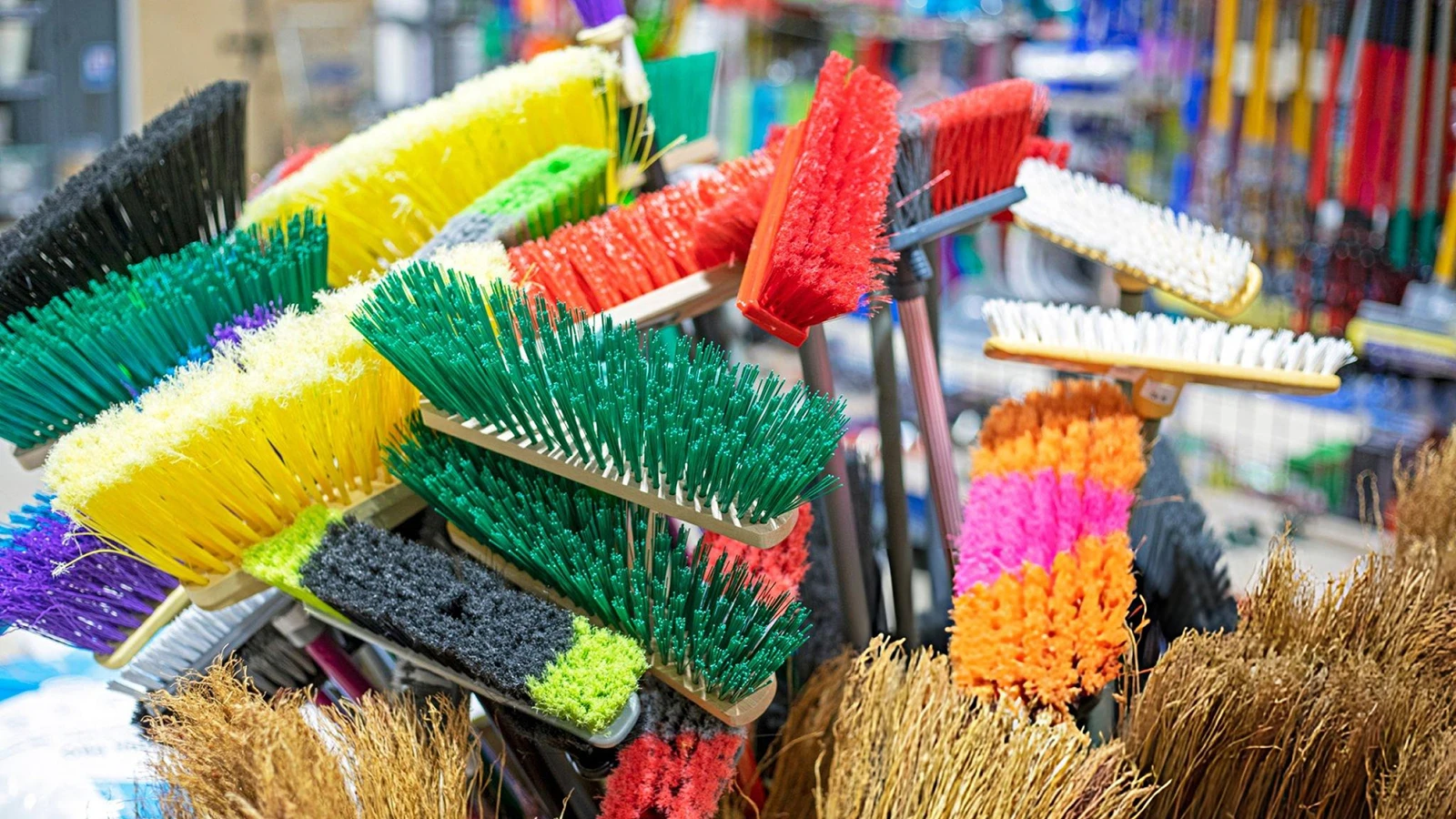
يستخدم مكنسة الذرة ذرة مكنسة — ألياف طبيعية مشتقة من الذرة الرفيعة — مجمعة ومربوطة بمقبض خشبي. مكانس من الألياف الطبيعية مجتمعة 27.31 تريليون طن من سوق المكانس العالمي حسب المادة في عام 2025، ثاني أكبر فئة من المواد بعد البلاستيك (داتا إنتيلو(2026). على الرغم من عقود من المنافسة الاصطناعية، لا تزال المكانس المصنوعة من الذرة هي المكانس الخارجية / ذات الأسطح الخشنة المهيمنة في أمريكا الشمالية وأمريكا اللاتينية وجنوب أوروبا وأفريقيا - وهي بالضبط المناطق التي تحددها Dataintelo كأسواق نمو، حيث تنمو أمريكا اللاتينية بمعدل نمو سنوي مركب قدره 4.71 تريليون طن، والشرق الأوسط وأفريقيا بمعدل 5.11 تريليون طن.
تفاصيل البناء المهمة: نمط الغرز (5 غرز، 6 غرز، أو مخيطة - كلما زاد عدد الغرز، زادت كثافة الشعيرات وقدرتها على التقاط الحطام الدقيق بشكل أفضل)، مقبض خشبي مستقيم (قطر 1-1.25 بوصة، طول 48-56 بوصة، مطلي أو غير مطلي)، ولون الشعيرات (بني ذهبي طبيعي أو مصبوغ لتمييز الألوان). 100% ألياف طبيعية + خشب = قابلة للتحلل الحيوي بالكامل، وهو توجه متزايد نحو المنتجات الصديقة للبيئة في تجارة التجزئة للمنتجات الطبيعية في الاتحاد الأوروبي والولايات المتحدة.
نطاق سعر الجملة: $2.00–$5.00 لكل وحدة FOB، حسب عدد الغرز، ونوع المقبض، والتغليف.
المستخدمون النهائيون المستهدفون: تشمل قطاعات البيع بالتجزئة الخارجية، ومراكز الحدائق، وورش الصيانة، والمنازل التقليدية، وأرصفة البلديات، وقنوات البيع بالجملة في أمريكا اللاتينية وجنوب أوروبا. وتبرز هذه القطاعات بقوة في متاجر الأدوات المنزلية الكبيرة في الولايات المتحدة، ومتاجر الدولار، والمكسيك، والبرازيل، وجنوب أوروبا، وأفريقيا جنوب الصحراء الكبرى. بينما تتراجع في شمال أوروبا وشرق آسيا، حيث تهيمن المواد الاصطناعية.
مخاطر الشراء: الذرة الرفيعة محصول زراعي، وتقلبات العرض أمر واقعي. قد تمتد فترات انتظار الحصول على مكانس الذرة إلى عدة أسابيع خلال دورات الحصاد المنخفضة (عادة الربع الأول، بعد استنفاد ما بعد الحصاد)، والعقود الآجلة في الربع الثالث/الرابع هي الخيار الأكثر أمانًا للبرامج التي تستمر على مدار العام.
ما هي مكنسة الخفق وأين تندرج في برنامج B2B؟
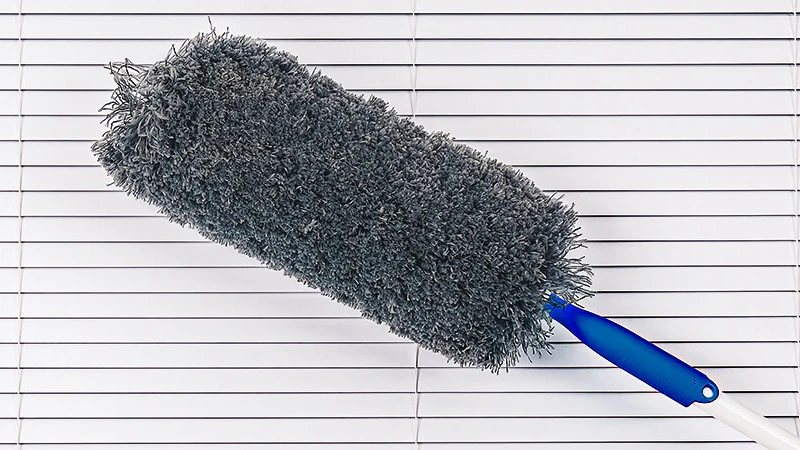
المكنسة الخفاقة هي مكنسة قصيرة المقبض ذات شعيرات كثيفة مصممة للاستخدام بيد واحدة، وعادةً ما تُستخدم مع جاروف صغير لتنظيف البقع بدلاً من كنس الأرضية بالكامل. المواصفات القياسية هي رأس شعيرات بطول 6-8 بوصات، ومقبض بطول 6-12 بوصة، وشعيرات كثيفة من البولي بروبيلين أو الألياف الطبيعية.
نطاق سعر الجملة: $0.30–$1.50 للوحدة الواحدة تسليم ظهر السفينة. المكانس اليدوية هي منتج منخفض السعر وعالي الكمية.
المستخدمون النهائيون المستهدفون: المطابخ التجارية والسكنية، ومجموعات تنظيف الانسكابات عند نقاط البيع بالتجزئة، وتفاصيل السيارات، ومحطات تقديم الطعام.
سياق الأعمال بين الشركات (B2B): في أغلب الأحيان رمز المنتج التكميلي في برنامج المكانس، وليس المنتج الرئيسي. في خط إنتاج نموذجي متعدد الوحدات، تُدرج مكنسة الخفق كوحدة "مجموعة تنظيف الانسكابات"، وليست المنتج الأكثر مبيعًا. من غير المألوف عرض مكنسة الخفق دون مكنسة زاوية أو مكنسة ردهة.
أذرع OEM/ODM: مادة الشعيرات (بولي بروبيلين، ألياف طبيعية، مزيج من شعر الخيل)، نوع خشب المقبض، عبوة البيع بالتجزئة (علبة صدفية، كيس بلاستيكي، بطاقة رأسية).
ما هي المكنسة ذات الممسحة المطاطية ومتى تتفوق على المكنسة العادية؟
تجمع مكنسة المسح بين الشعيرات وشفرة مسح مصنوعة من مادة TPR/المطاط في رأس واحد، حيث تقوم بكنس الحطام الجاف ودفع السوائل بحركة واحدة. ويغطي نطاق عرض الرأس من 12 إلى 24 بوصة معظم تطبيقات المطابخ التجارية والجراجات وأسطح حمامات السباحة. وتُعد تجارة التجزئة عبر الإنترنت أسرع قنوات التوزيع نموًا لهذه الأنواع من المكانس وغيرها، والتي توسعت من من المتوقع أن تصل إيرادات المكانس العالمية إلى 18.71 تريليون دولار في عام 2025، ومن المتوقع أن تصل إلى 281 تريليون دولار أو أكثر بحلول عام 2034 (بمعدل نمو سنوي مركب قدره 7.81 تريليون دولار). — أعلى معدل نمو لأي قناة (داتا إنتيلو(2026). تعتبر أمازون، وجي دي.كوم، وتي مول، وفليبكارت هي المتاجر الإلكترونية الرائدة في بيع المكانس في مناطقها.
تفاصيل البناء المهمة: شريط شعيرات PET ذو علامات للجانب الجاف، وشفرة TPR للأغراض العامة أو مطاط طبيعي للأرضيات الملساء الخالية من الخطوط، وعرض الرأس من 12 بوصة (للمطابخ التجارية الضيقة) إلى 18-24 بوصة (للمناطق الخلفية الأكبر حجمًا والجراجات)، ومقبض ألومنيوم ثابت أو تلسكوبي 48-60 بوصة.
نطاق سعر الجملة: $1.50–$5.00 لكل وحدة FOB، حسب العرض والمادة.
المستخدمون النهائيون المستهدفون: المطابخ التجارية، وأحواض السباحة، وأرضيات المرائب، ومتاجر بيع مستلزمات الحيوانات الأليفة، والمناطق الرطبة لتجهيز الأغذية.
المفاضلة بين الأداء والأداء: تتميز مكنسة المسح المطاطي بكثافة شعيرات أقل مقارنةً بمكنسة الدفع العادية. لذا، ينبغي على المشترين الذين لديهم تطبيقات ذات كميات كبيرة من المخلفات (أرصفة التحميل، المستودعات) تحديد مكنسة دفع منفصلة للتنظيف الجاف، وتخصيص مكنسة المسح المطاطي للمناطق المختلطة الرطبة والجافة.
جيسون مجموعة منتجات الممسحة يغطي هذا المنتج جانب الشفرات المطاطية من هذه الفئة، ويتناسب بشكل طبيعي مع منتج مكنسة الممسحة المطاطية المخصص لمشتري خدمات تنظيف الفنادق وخدمات حمامات السباحة. انظر أيضًا العناية الاحترافية بالأرضيات الجافة للحصول على أدوات ذات صلة.
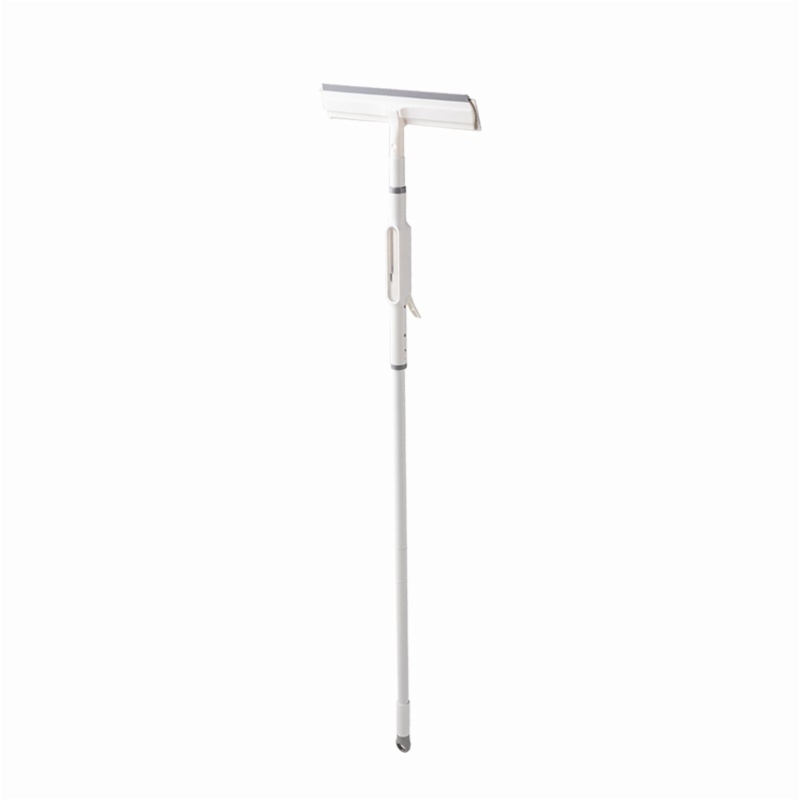
خط المسح
أدوات تنظيف الأرضيات الاحترافية، وشفرات تنظيف الأرضيات، وأدوات تنظيف الأسطح الرطبة للمطابخ التجارية والفنادق وقنوات صيانة المسابح.
عرض صفحة المنتج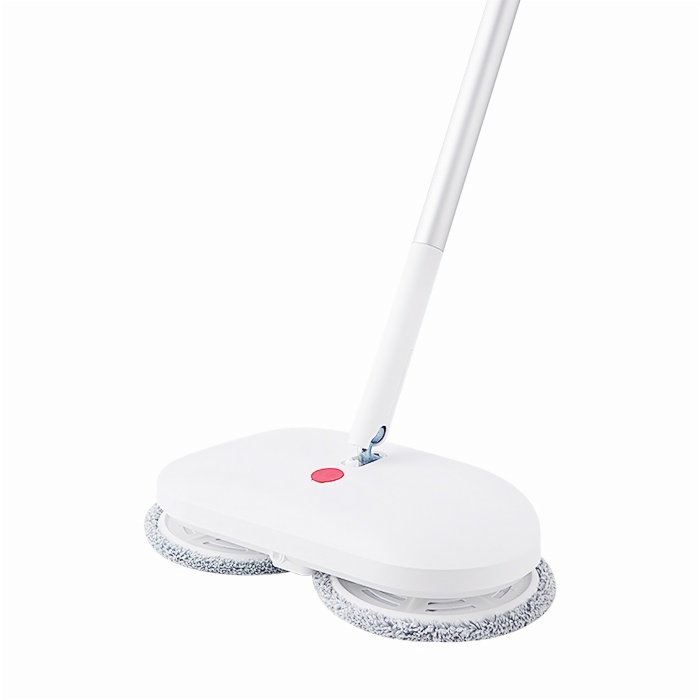
العناية بالأرضيات الجافة
أنظمة متطورة لتنظيف الأرضيات الجافة، ومماسح الغبار، وأدوات الألياف الدقيقة لصيانة المرافق ذات المساحات الكبيرة.
عرض صفحة المنتجأدت معايير النظافة التي تم تطبيقها بعد الجائحة إلى زيادة الطلب التجاري على أدوات الكنس والجمع المدمجة في خدمات الطعام والرعاية الصحية والضيافة - وتُعد مكنسة المسح المطاطية واحدة من أسرع الأنواع الفرعية نموًا في القطاع التجاري (رؤى بحوث الأعمال, 2026).
ما هي مكنسة كنس الشوارع أو المكانس الصناعية؟
مكنسة كنس الشوارع أو المكانس الصناعية ليست أداة يدوية، بل هي فرشاة أسطوانية أو على شكل قرص مصممة خصيصًا لكناسات الشوارع الآلية، وكناسات الشوارع البلدية، وممرات المطارات. وتُعد التطبيقات الصناعية أسرع فئات الاستخدام النهائي نموًا في سوق المكانس العالمي، حيث تمثل نسبة كبيرة من... بلغت الإيرادات 17.41 تريليون روبية هندية في عام 2025، وتنمو بمعدل نمو سنوي مركب قدره 5.71 تريليون روبية هندية حتى عام 2034. — أسرع من الأجهزة التجارية (4.8%) أو المنزلية (4.0%) (داتا إنتيلو2026). تشمل هذه الفئة المكانس الرئيسية، والمكانس الجانبية، ومكانس المزاريب، ومكانس الرقائقكل منها شكل مختلف مصمم لدور مختلف على الآلة.
تفاصيل البناء المهمة: المكنسة الرئيسية عبارة عن أسطوانة كبيرة القطر (عادةً 250-500 مم) مزودة بشرائط أو رقائق من الشعيرات مثبتة بشكل حلزوني لدفع الحطام إلى القادوس؛ أما المكنسة الجانبية فهي قرص أو رقاقة أصغر مثبتة بزاوية للوصول إلى الأرصفة والمزاريب؛ ومكنسة المزاريب عبارة عن رقاقة متينة من البولي بروبيلين أو الأسلاك لجمع الحطام المضغوط على خط الرصيف. وتشمل خيارات مواد الشعيرات البولي بروبيلين (للاستخدامات العامة)، أو الأسلاك (للاستخدامات الصناعية الثقيلة)، أو مزيج من البولي بروبيلين والأسلاك (حل وسط).
المستخدمون النهائيون المستهدفون: المشتريات البلدية، ومديرو المنشآت الصناعية، وخدمات المطارات الأرضية، والمراكز اللوجستية، وشركات إدارة العقارات التجارية الكبيرة - ملف تعريف مختلف للمشتري (مهندس / مدير عمليات) عن بقية هذا الكتالوج.
نطاق سعر الجملة: يتراوح سعر قلب المكنسة الواحد بين $30 و$300+، وذلك حسب القطر والمادة. هذا سعر صناعي.
دورة الاستبدال: عادةً ما تدوم المكانس الرئيسية لفترة تشغيل طويلة قبل استبدالها، بينما تتآكل المكانس الجانبية بشكل أسرع، مما يجعل مكانس الكنس الصناعية إيرادات ما بعد البيع المتكررة لا يتم تسويق هذه الفئة عبر قنوات البيع الصناعي وبوابات العطاءات البلدية، وليس عبر قنوات التوزيع بالتجزئة أو خدمات النظافة. انظر فرشاة دوارة من يونايتد للاطلاع على التصنيف الكامل للمكانس الصناعية.
ما هي المكانس المرمزة بالألوان ولماذا تدفع مصانع الأغذية علاوة سعرية؟
المكانس المرمزة بالألوان ليست نوعًا ماديًا منفصلاً من المكانس. إنها طبقة الامتثال يتم تطبيقها على المكانس الزاوية، ومكانس الردهة، ومكانس المسح لمنع التلوث المتبادل في أماكن تقديم الطعام، والرعاية الصحية، والصناعات الدوائية.
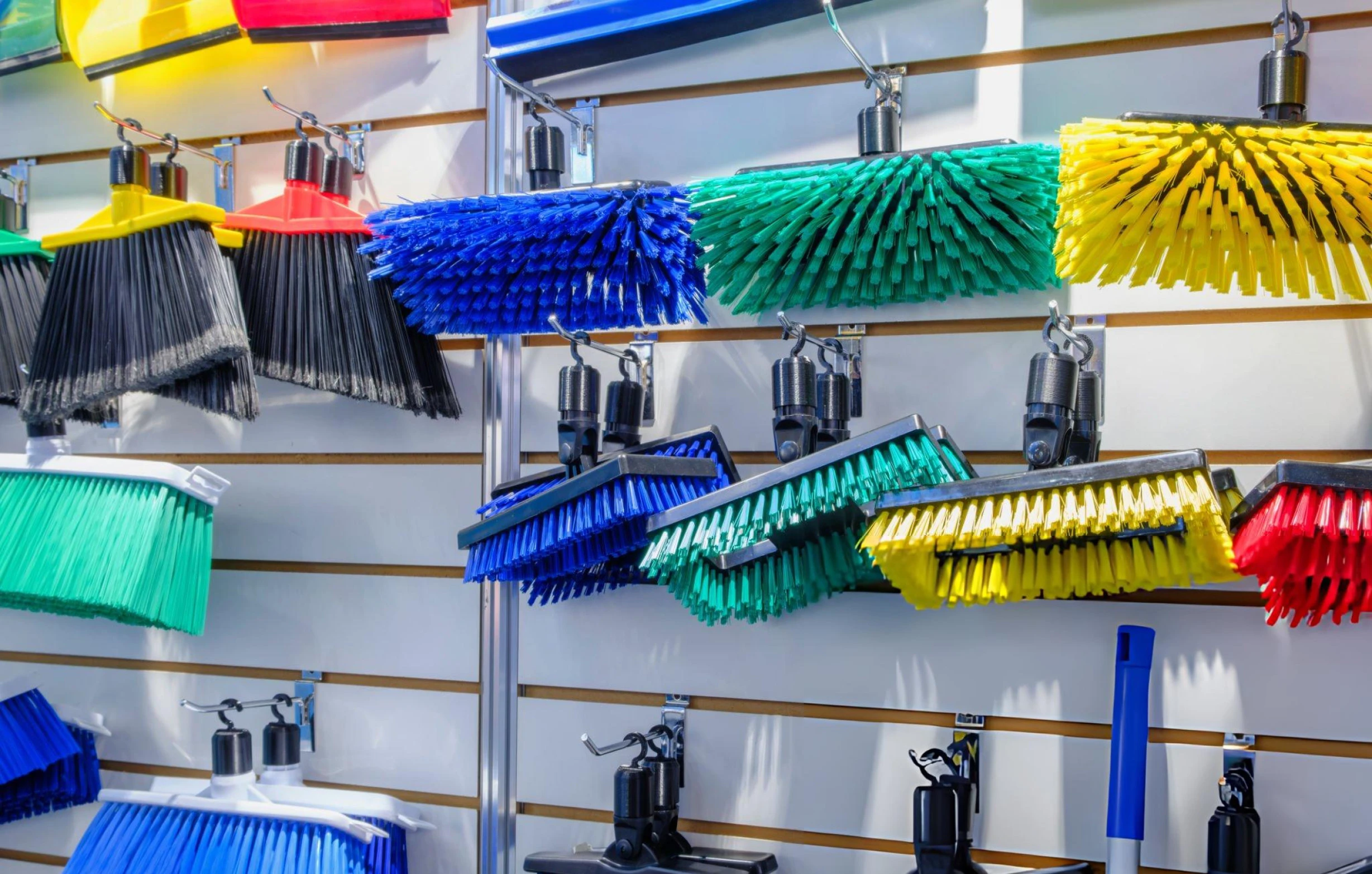
اتفاقية الألوان المعيارية الفعلية في الصناعة نشأ بواسطة فيكان: أحمر بالنسبة لدورات المياه والمناطق عالية الخطورة، أصفر للمناطق السريرية ومناطق العزل، أزرق بالنسبة للمناطق ذات المخاطر المنخفضة عموماً، أخضر لتحضير الطعام والأسطح الملامسة للطعام، أبيض لغرف الأبحاث النظيفة وإنتاج الأدوية. ألوان إضافية (البرتقالي، البنفسجي، البني، الأسود، الرمادي، الوردي) توسع النظام لتقسيم المناطق حسب الموقع.
أطر الامتثال التي تدفع الطلب: HACCP (السلامة الغذائية الأساسية)، BRCGS (مصنعي الأغذية بالتجزئة والعلامات التجارية الخاصة)، FSSC 22000 (شهادة ISO 22000)، IFS (سلاسل التوريد الأوروبية للبيع بالتجزئة)، وSQF (مصنعي الأغذية في أمريكا الشمالية).
متطلبات المواد: يجب أن تستخدم المكانس المخصصة لمناطق نظام تحليل المخاطر ونقاط التحكم الحرجة (HACCP) مواد متوافقة مع معايير إدارة الغذاء والدواء الأمريكية (FDA) ومعايير الاتحاد الأوروبي الخاصة بملامسة الأغذية، وفي العديد من مصانع الأغذية، يجب أن تكون يمكن الكشف عنها بواسطة جهاز الكشف عن المعادن لذلك يتم التقاط أي شظية مفقودة في خط الإنتاج بواسطة جهاز الكشف عن المعادن المدمج.
سعر الجملة المميز: عادةً ما تفرض المكانس المرمزة بالألوان والمتوافقة مع نظام تحليل المخاطر ونقاط التحكم الحرجة (HACCP) علاوة كبيرة مقارنة بوحدات التخزين القياسية، مما يعكس متطلبات إدارة الغذاء والدواء/الاتحاد الأوروبي لمواد ملامسة الطعام وتكلفة التخصيص (Vikan، 2026).
المستخدمون النهائيون المستهدفون: مصانع تجهيز الأغذية، والمطابخ التجارية، ومصانع الأدوية، والمستشفيات. انظر أدوات تنظيف المطابخ التجارية من جيسون بالنسبة للمنتجات ذات الصلة المتوافقة مع نظام تحليل المخاطر ونقاط التحكم الحرجة (HACCP).
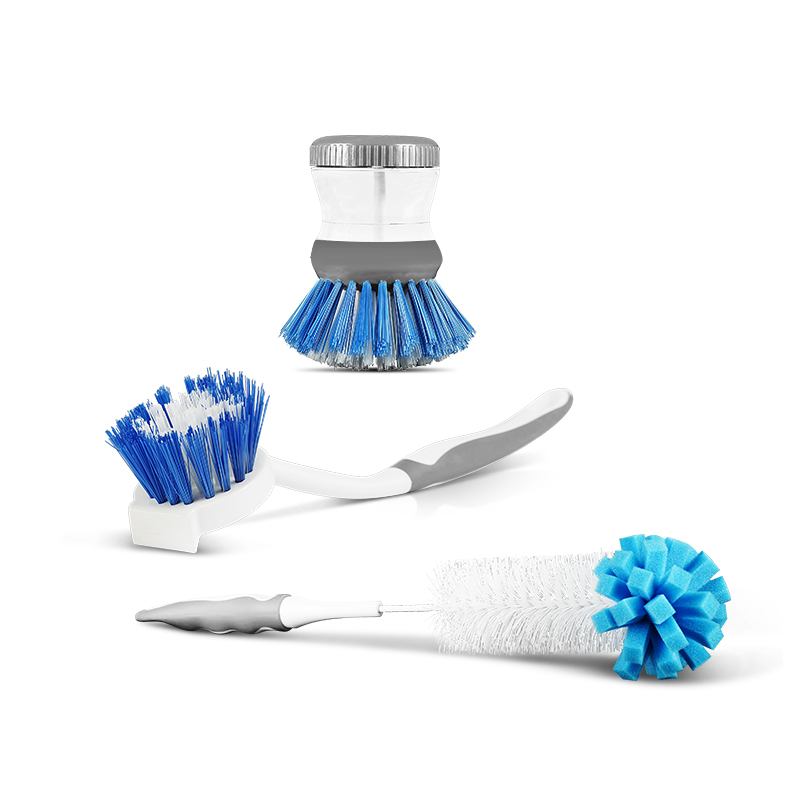
خط تنظيف المطبخ
أدوات تنظيف متوافقة مع نظام تحليل المخاطر ونقاط التحكم الحرجة (HACCP) للمطابخ التجارية، وتجهيز الأغذية، والصناعات الدوائية - فرش، ومكاشط، وأنظمة مرمزة بالألوان.
عرض صفحة المنتجأذرع OEM/ODM: مطابقة الألوان (حتى 12 رمزًا لكل نظام)، ورموز QR محفورة بالليزر لإمكانية التتبع، وإضافات الشعيرات القابلة للكشف عن المعادن، وطباعة المقابض ذات العلامات التجارية، وأنظمة دعامات الحائط لمنطقة HACCP.
كيف ينبغي لمشتري B2B أن يطابق أنواع المكانس مع سوق الجملة الخاص به؟
ينبغي تحليل مجموعة المكانس التي يختارها مشتري B2B من منظور العميل النهائي، وليس من منظور الكتالوج. الإطار: حدد القطاع الرأسي الرئيسي للمستخدم النهائي, اختر 4-6 أنواع من المكانس التي تغطي غالبية الطلب, حدد أنواع الشعيرات/المقبض/الرأس لكل نوع بناءً على أسطح السوق المستهدف ومخلفاته، و اختبار مع الحد الأدنى لكمية الطلب العينة قبل الالتزام بالإنتاج الكامل.
عدد وحدات التخزين الموصى بها حسب القطاع المستخدم النهائي:
| قطاع المستخدم النهائي | وحدات التخزين الموصى بها | أنواع المكانس |
|---|---|---|
| تجارة التجزئة في السوق الشامل / التجارة الإلكترونية | 4 | زاوية + ردهة + دفع (24 بوصة) + خفق |
| الضيافة / الفنادق / المطاعم | 5 | ردهة + زاوية + ممسحة ملونة + دفع + خفق |
| إدارة المنشآت الصناعية / إدارة المرافق | 3 | دفع (24 بوصة + 36 بوصة) + كاسحة شوارع |
| تصنيع الأغذية / الأدوية | 6 | عائلة مرمزة بالألوان (5 ألوان) + زر دفع شديد التحمل |
إرشادات حول الحد الأدنى لكمية الطلب ومدة التسليم (من دليل شراء المكانس بالجملة): وحدات تخزين متوفرة في المخزون بحد أدنى للطلب 100 وحدة مع مهلة تسليم 15 يومًا؛ تصنيع المعدات الأصلية القياسي (اللون/المقبض/الشعار) بحد أدنى للطلب 1500 وحدة مع مهلة تسليم من 15 إلى 30 يومًا؛ تصميم مخصص بالكامل بحد أدنى للطلب 1500 وحدة مع مدة إنتاج من أسبوعين إلى أربعة أسابيع + مدة شحن من أسبوع إلى ثلاثة أسابيع. للاطلاع على سير عمل تصنيع المعدات الأصلية/تصميم المعدات الأصلية، راجع دليل العلامات التجارية لأدوات التنظيف ذات العلامات التجارية الخاصة.
سوق المكانس العالمي مجزأ للغاية - إذ لا تتجاوز إيرادات أكبر خمس شركات مصنعة مجتمعة 28-321 تريليون دولار (داتا إنتيلو(2026) - مما يعني أن مشتري B2B يتمتع بقوة تفاوضية كبيرة فيما يتعلق بالسعر، ومدة التسليم، والتخصيص. تمثل محلات السوبر ماركت والهايبر ماركت 42.31 تريليون طن من توزيع المكانس، والمتاجر المتخصصة 22.61 تريليون طن، والتجارة الإلكترونية 18.71 تريليون طن (من المتوقع أن تتجاوز 28 تريليون طن بحلول عام 2034).
من الأخطاء الشائعة في التوريد الإفراط في تحديد عدد وحدات التخزين (SKU). فالمشتري الذي لديه برنامج لتوريد المكانس يتضمن من 12 إلى 18 وحدة تخزين، غالباً ما يعتبر أكثر من 20% من هذه الوحدات بطيئة الحركة، بينما يحافظ برنامج مُركّز على 4 إلى 6 وحدات تخزين على مخزون هذه الوحدات أقل من 10%. نقطة البداية الصحيحة ليست "أي نوع من المكانس يجب أن أخزّن؟" بل "ما هي شريحة العملاء النهائيين التي أستهدفها؟"
الأسئلة الشائعة
ما هو النوع الأكثر شيوعاً من المكانس المستخدمة في التنظيف التجاري؟
المكانس اليدوية (18-24 بوصة) والمكانس الزاوية تُعدّ المكانس اليدوية والمكانس الزاوية من أكثر أنواع المكانس التجارية مبيعًا من حيث عدد الوحدات. تهيمن المكانس اليدوية على المستودعات والمصانع والمناطق الخلفية، بينما تهيمن المكانس الزاوية على واجهات متاجر التجزئة السكنية والمتاجر التجارية الخفيفة. وقد شكّلت فئتا المكانس الزاوية واليدوية معًا النسبة الأكبر من المبيعات. 44.41 تريليون من إيرادات سوق المكانس العالمية في عام 2025 (زاوية 24.8% + دفع 19.6%) (داتا إنتيلو, 2026).
أي نوع من المكانس هو الأفضل لكنس أرضيات المستودعات؟
أ مكنسة دفع مقاس 24-36 بوصة تُعدّ الفرش ذات الشعيرات متوسطة الصلابة من البولي بروبيلين أو البولي إيثيلين تيريفثالات (PET) الخيار الأمثل للمستودعات. ولجمع الغبار الناعم على أرضيات المستودعات الملساء، يُنصح باستخدام فرش PET ذات الشعيرات المحددة؛ أما بالنسبة للمخلفات العامة على الخرسانة الخشنة، فإن فرش PP أو PET بدون شعيرات محددة تُعدّ خيارًا أفضل. يُعتبر عرض 24 بوصة هو العرض الافتراضي للاستخدامات العامة؛ بينما يُنصح باستخدام عرض 36 بوصة فقط في الممرات الواسعة. للاطلاع على مقارنة بين خصائص المواد والمتانة، يُرجى مراجعة دليلنا حول شعيرات PP وPET والنايلون.
ما نوع المكنسة التي تستخدمها المطاعم والفنادق للامتثال لمعايير نظام تحليل المخاطر ونقاط التحكم الحرجة (HACCP)؟
مكانس زاوية أو مكانس ردهة مرمزة بالألوان وفقًا لمعايير فيكان الصناعية: الأحمر لدورات المياه، والأصفر للمناطق السريرية أو مناطق العزل، والأزرق للمساحات العامة، والأخضر لتحضير الطعام، والأبيض للغرف النظيفة أو المناطق الصيدلانية. يجب أن تكون المكانس مصنوعة من مواد متوافقة مع معايير إدارة الغذاء والدواء الأمريكية/الاتحاد الأوروبي فيما يتعلق بملامسة الطعام، وفي مصانع تجهيز الأغذية، يجب أن تكون قابلة للكشف عن المعادن بحيث يتم التقاط الشظايا المفقودة في خط الإنتاج بواسطة جهاز الكشف عن المعادن المدمج.فيكان, 2026).
ما الفرق بين المكنسة المصنوعة من الذرة والمكنسة الاصطناعية؟
أ مكنسة الذرة يستخدم هذا المنتج ألياف الذرة الرفيعة الطبيعية (وهي ألياف مشتقة من الذرة الرفيعة) المربوطة بمقبض خشبي، دون أي مكونات بلاستيكية. مكنسة صناعية تُستخدم خيوط البولي بروبيلين (PP) أو البولي إيثيلين تيريفثالات (PET) أو النايلون في قاعدة بلاستيكية أو خشبية. وتُهيمن المكانس المصنوعة من ألياف الذرة على عمليات كنس الأسطح الخشنة في الهواء الطلق في أمريكا الشمالية وأمريكا اللاتينية وجنوب أوروبا؛ بينما تُهيمن المكانس الاصطناعية على التطبيقات التجارية والصناعية وخدمات الطعام الداخلية، حيث تُعد مقاومة الرطوبة والترميز اللوني والحفاظ على الشكل من العوامل الأكثر أهمية. للاطلاع على خصائص المواد المستخدمة في صناعة الشعيرات الاصطناعية، يُرجى مراجعة مقارنتنا بين البولي بروبيلين والبولي إيثيلين تيريفثالات والنايلون.
ما هو أفضل نوع من المكانس لتخزينه في متجر بيع بالتجزئة عبر الإنترنت أو قناة أمازون FBA؟
أ مجموعة بداية مكونة من 4 وحدات تخزين تغطي هذه المنتجات الجزء الأكبر من عمليات بحث المستهلكين: (1) طقم مكنسة زاوية + جاروف، (2) طقم مكنسة ردهة + جاروف، (3) مكنسة دفع 24 بوصة، (4) مكنسة خفق + جاروف. تتوافق هذه المنتجات الأربعة مع نوايا بحث المستهلكين السائدة على أمازون وفي التجارة الإلكترونية واسعة النطاق، وتتيح خطة تخزين واحدة لكل منصة نقالة دون تكديس المخزون. للاطلاع على إرشادات اختيار الموردين والحد الأدنى لكمية الطلب لهذا المنتج تحديدًا، يُرجى مراجعة دليل مشتري المكانس بالجملة.
خاتمة
من المتوقع أن يصل حجم سوق المكانس العالمي إلى 7.1 مليار دولار بحلول عام 2034، مع نمو القطاع التجاري بمعدل نمو سنوي مركب قدره 4.81 تريليون دولار، والقطاع الصناعي بمعدل نمو سنوي مركب قدره 5.71 تريليون دولار، وكلاهما أسرع من القطاع المنزلي الذي يبلغ معدل نموه 4.01 تريليون دولار.داتا إنتيلو، 2026). ثمانية أنواع من المكانس الوظيفية - الزاوية، والدفع، والردهة، والذرة، والخفق، والممسحة، ومكنسة الشوارع / الصناعية، والمرمزة بالألوان - تغطي مساحة B2B بأكملها، ولكن برنامج SKU مركز من 4 إلى 6 وحدات يتناسب مع قطاع مستخدم نهائي مهيمن واحد هو نقطة البداية الصحيحة لمعظم المشترين.
يتفوق برنامجٌ يضم 4-6 وحدات تخزين، مُصمم خصيصاً لشريحة مستخدم نهائي واحدة، على برنامج "كتالوج كامل" يضم 12-18 وحدة تخزين، وذلك في جميع المعايير المهمة لمشتري الجملة: رأس المال العامل، ومعدل دوران المنتجات البطيئة، وعمق تغطية العملاء. حدد الشريحة أولاً، ثم ابدأ بالتنظيف.
يُغطي برنامج المكانس من جيسون جميع الأنواع الثمانية، مع إمكانية التخصيص حسب الطلب من قِبل مُصنِّع المعدات الأصلية (OEM) بدءًا من 100 وحدة (متوفرة في المخزون) وحتى 1500 وحدة (حسب الطلب). للحصول على توصية بشأن رمز المنتج (SKU) المناسب للسوق، يُرجى مراجعة دليل مشتري المكانس بالجملة ومقارنة مواد شعيرات المكانس.
مراجع
- داتا إنتيلو. "تقرير أبحاث سوق المكانس 2034". أبحاث سوق المكانسمارس 2026. https://dataintelo.com/report/broom-market
- رؤى بحثية في مجال الأعمال. "حجم سوق المكانس وحصته ونموه وتحليل الصناعة، حسب النوع والتطبيق والرؤى الإقليمية والتوقعات حتى عام 2035." تقرير سوق المكانس22 يونيو 2026. https://www.businessresearchinsights.com/market-reports/broom-market-123123
- رؤى فورتشن للأعمال. "حجم سوق خدمات التنظيف وحصته ونموه". تقرير سوق خدمات التنظيف, 2025. https://www.fortunebusinessinsights.com/cleaning-services-market-107295
- رؤى السوق العالمية. "حجم سوق التنظيف التجاري وحصته واتجاهاته، تقرير - 2035". 2025. https://www.gminsights.com/industry-analysis/commercial-cleaning-market
- فيكان. "أدوات تنظيف سلامة الأغذية المرمزة بالألوان - مجموعة فيكان للنظافة." 2026. https://www.vikan.com/us/about-the-vikan-ranges/about-the-hygiene-range
- شركة فيدلمان وشركاه. "حجم سوق صناعة المماسح". حجم سوق الصناعة, 2022. https://fidelmanco.com/wp-content/uploads/2022/08/FCo-MarketSizeofMopIndustryglobal.pdf
- شركة يونايتد روتاري براش. "5 أنواع من المكانس الصناعية: مكانس المزاريب، والأنابيب، والشرائط، والمكانس الرئيسية، ومكانس الرقائق." 2024. https://united-rotary.com/5-types-of-industrial-brooms-gutter-tube-strip-main-and-wafer-brooms



 Arabic
  English
  Spanish
  Russian