
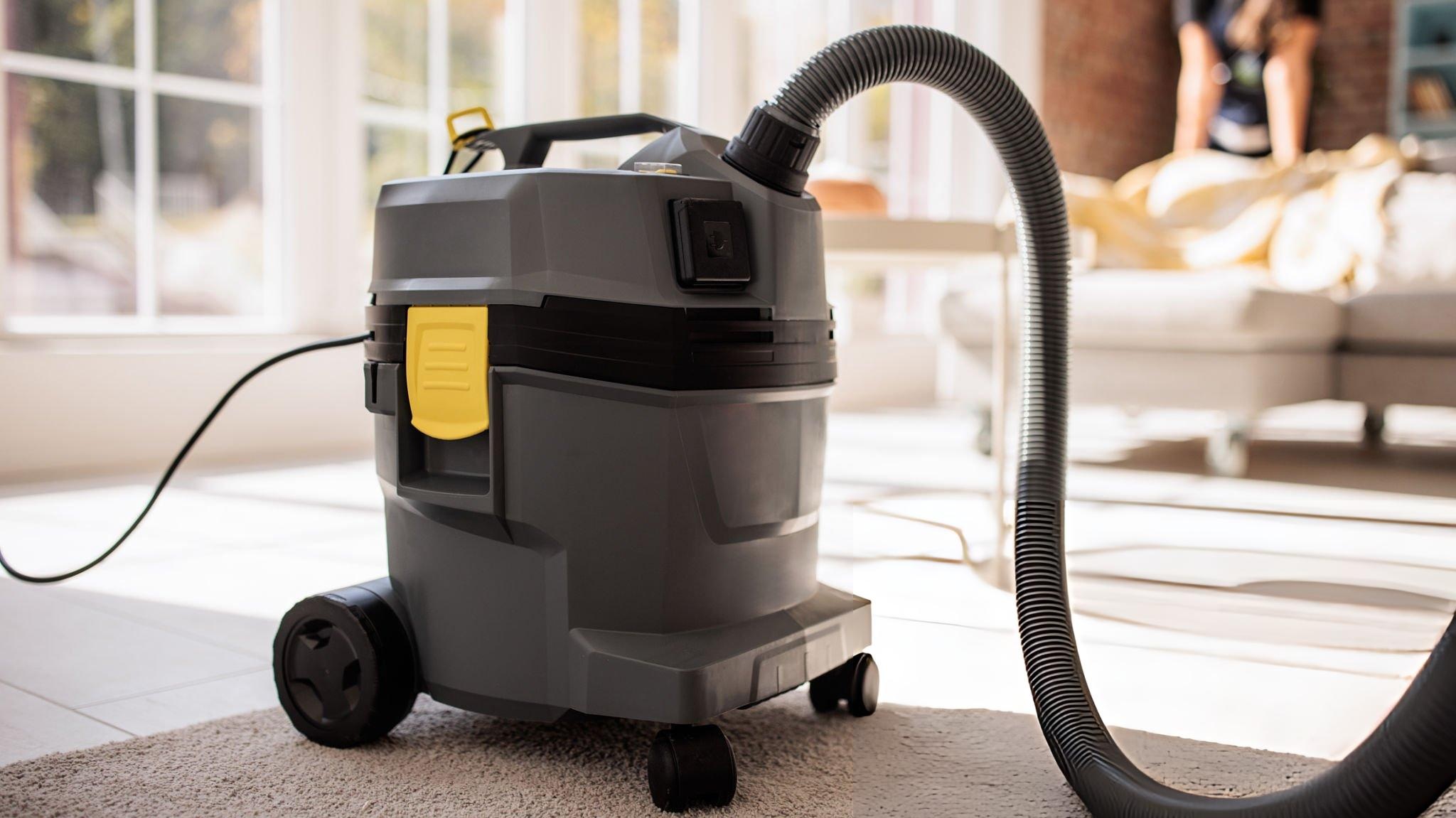
باختصار شديد
- تستطيع المكنسة الكهربائية الرطبة والجافة تنظيف كل من السوائل المنسكبة والفضلات الصلبة. تشمل الميزات التي تساعد على تقييم المكنسة الكهربائية الرطبة والجافة سعتها وقوة شفطها ونظام الترشيح الخاص بها.
- للاستخدام في المنازل، تعتبر النماذج ذات السعة الصغيرة (3-8 جالونات) مناسبة، بينما يفضل استخدام الوحدات الأكبر حجماً في ورش العمل.
- ينبغي مراعاة كل من معدل تدفق الهواء (CFM) والشفط المحكم، بالإضافة إلى القدرة الكهربائية (بالواط)، عند تقييم قوة الشفط.
- لتحقيق كفاءة تنظيف أفضل، من الضروري اختيار المكنسة الكهربائية المناسبة للتنظيف الرطب والجاف.
تم تصميم هذا الدليل لمستخدمي المنازل وعمال المصانع ومشتري معدات التنظيف الصناعية لمساعدتك في اختيار المكنسة الكهربائية الرطبة/الجافة المناسبة ذات السعة المناسبة وقوة الشفط ونظام الترشيح المناسب لحالة التنظيف الخاصة بك (المنزل/المرآب/الصناعي)، وحل المشكلات مثل الارتباك في الاختيار، ومعايير الأداء غير الواضحة، والإسراف في الإنفاق، أو الأداء غير الكافي.
ما هي المكنسة الكهربائية الرطبة والجافة وكيف تعمل؟
المكانس الكهربائية الرطبة والجافة يعمل هذا الجهاز بمحرك محكم الإغلاق ونظام ترشيح ثنائي الوظائف، مما يُولّد قوة شفط تسحب السوائل والحطام الصلب إلى خزان تجميع مقاوم للماء، على عكس المكانس الكهربائية التقليدية التي لا تستطيع التعامل مع الرطوبة. تتميز هذه المكنسة الكهربائية المنزلية للاستخدام الجاف والرطب بمحرك ونظام ترشيح ثنائي الوظائف، مما يضمن تنظيفًا فعالًا.
بخلاف المكانس الكهربائية العادية، تتميز هذه المكانس الرطبة والجافة بـ محرك محكم الإغلاق وخزان يمكنها جمع الماء مع الأوساخ والغبار والحطام. إذا كانت مهمة التنظيف تتطلب تنظيف الماء والغبار والحطام المختلط، فإن المكنسة الكهربائية الرطبة والجافة تُفضل على المكانس الكهربائية العادية.
المكونات الرئيسية للمكنسة الكهربائية الرطبة والجافة
تشمل الميزات الرئيسية للمكنسة الكهربائية الرطبة والجافة ما يلي:
نظام المحرك وتدفق الهواء
ليس من الخطأ اعتبار المحرك ونظام تدفق الهواء بمثابة قلب المكنسة الكهربائية. يُولّد هذا النظام قوة شفط عن طريق تحريك الهواء بسرعة عبر الجهاز، وبالتالي مما يوفر قوة تنظيف أقوى.
خزان التجميع (السعة)
على عكس المعتاد المكانس الكهربائية تستخدم المكانس الكهربائية الرطبة والجافة، التي تتميز بأكياس قابلة للاستبدال، خزانًا يخزن كلاً من السوائل والأوساخ.
نظام الترشيح (رغوة، خرطوشة، فلتر هيبا)
يُعد الفلتر مكونًا أساسيًا آخر في المكنسة الكهربائية. يحسن جودة الهواء، خاصة عند التعامل مع الجزيئات الدقيقة.
كيفية اختيار السعة المناسبة للمكنسة الكهربائية الرطبة والجافة؟
اختر السعة المناسبة بناءً على عدد مرات التنظيف وحجم المساحة: من 3 إلى 8 جالونات للاستخدام المنزلي، ومن 10 إلى 14 جالونًا للورش المتوسطة، وأكثر من 16 جالونًا للمواقع الصناعية - الخزانات الأكبر تقلل من عدد مرات التفريغ ولكنها تؤثر على سهولة النقل. تمتلئ المكانس الكهربائية ذات السعة الصغيرة بسرعة وتحتاج إلى تفريغ متكرر، بينما تستوعب المكانس ذات السعة الكبيرة كمية أكبر من الماء ولا تحتاج إلى تفريغ متكرر.
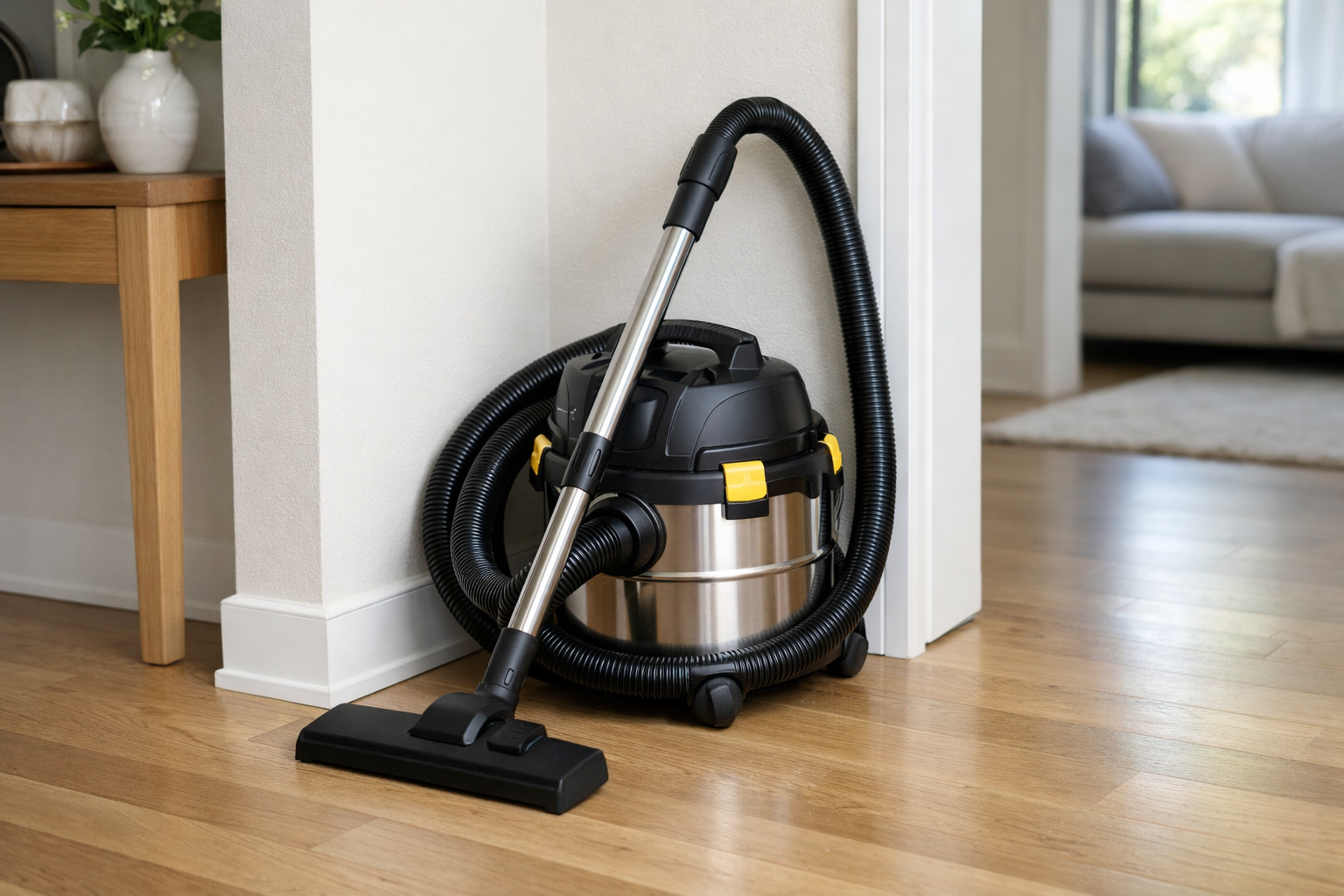
اختر السعة المناسبة لنطاق التنظيف: الخزانات الصغيرة (من 3 إلى 8 جالونات) مناسبة للاستخدام المنزلي العرضي، بينما يتطلب التنظيف المتكرر أو للمساحات الكبيرة خزانات بسعة 10 جالونات أو أكثر لتقليل فترات التوقف عن التفريغ. راجع الجدول أدناه للاطلاع على التوصيات التفصيلية.
دليل سعة المكنسة الكهربائية الرطبة والجافة
يُقدم أدناه دليل سعة المكنسة الكهربائية الرطبة والجافة في شكل جدول لمساعدتك على فهم المكنسة الكهربائية المناسبة لاحتياجات التنظيف الخاصة بك بسرعة.
|
سعة |
الاستخدام الموصى به |
|---|---|
|
3-5 جالونات |
تنظيف السيارات، المساحات الصغيرة |
|
6-9 جالونات |
خدمات تنظيف المنازل، والجراجات |
|
10-14 جالون |
ورش عمل متوسطة |
|
16-20+ جالون |
الاستخدام الصناعي الشاق |
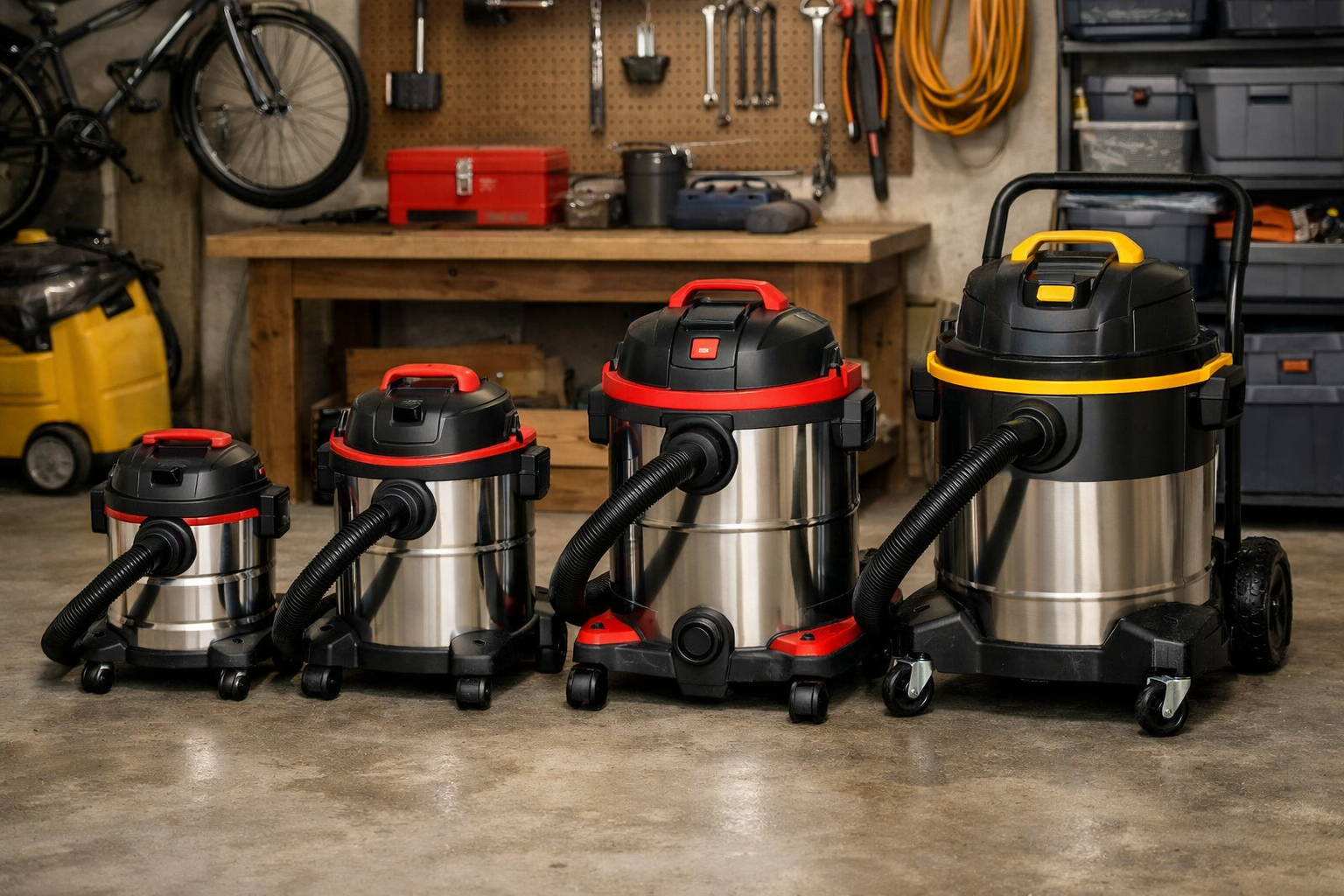
شرح جدول أحجام خزانات الوقود بالغالون من مكنسة شوب فاك
ببساطة، المكانس الكهربائية ذات الخزانات الأصغر تحتاج إلى تفريغ متكرر ولكنها سهل الحملبينما تشغل تلك ذات الخزانات الكبيرة مساحة أكبر، إلا أنها توفر كفاءة أفضل. لذا، فإن اختيار خزان كبير لتنظيف مساحة صغيرة ليس خيارًا حكيمًا.
كيفية تقييم قوة الشفط في المكنسة الكهربائية الرطبة والجافة؟
قيّم قوة الشفط بفحص كل من معدل تدفق الهواء (CFM) (لشفط الحطام الكبير) وقوة الشفط/رفع الماء (للسوائل والجسيمات الثقيلة) - فالقدرة الكهربائية وحدها لا تدل على فعالية التنظيف. يضمن الشفط الأقوى شفطًا أفضل للحطام الثقيل أو السوائل المنسكبة، بينما قد يترك الشفط الضعيف جزيئات الأوساخ أو يستغرق وقتًا أطول للتنظيف.
من المهم تقييم قوة الشفط باستخدام كليهما تدفق الهواء (قدم مكعب في الدقيقة) و رفع الماء (أي الشفط المحكم).
مقارنة بين نظام شفط الهواء المضغوط (CFM) ونظام الشفط المغلق للمكنسة الكهربائية الرطبة والجافة
مقارنة بين معدل تدفق الهواء (CFM) والشفط المغلق في المكانس الكهربائية الرطبة والجافة:
- CFM (قدم مكعب في الدقيقة) يقيس كمية الهواء التي تحركها المكنسة الكهربائية. معدل تدفق الهواء الأعلى (CFM) أفضل للحطام الكبير.
- شفط محكم الإغلاق وهو أمر مهم للسوائل أو الجسيمات الثقيلة و يقيس قوة الرفع.
شرح قوة شفط المكنسة الكهربائية الرطبة والجافة
يقع الكثيرون في خطأ النظر فقط إلى القدرة الكهربائية (بالواط)، ظنًا منهم أن القدرة الأعلى تعني أداءً أفضل. إلا أن هذا ليس صحيحًا دائمًا. فالقدرة الكهربائية في الغالب يشير إلى استهلاك الطاقة ليس فقط، وليس الكفاءة.
قد تستهلك المكنسة الكهربائية سيئة التصميم طاقةً أكبر، مما يؤدي إلى استهلاك طاقة أعلى دون توفير قوة شفط كافية. وبشكل عام، يكون تنظيف المنزل فعالاً مع معدل تدفق هواء معتدل، أما بالنسبة للاستخدام الصناعي، فيتطلب الأمر تدفق هواء أعلى ورفعًا أقوى.
ما هو نظام الترشيح الأفضل للمكنسة الكهربائية الرطبة والجافة؟
تعتمد أفضل عملية ترشيح على نوع الحطام الموجود: فلاتر إسفنجية للسوائل، وفلاتر خرطوشية للغبار العادي، وفلاتر HEPA للجسيمات الدقيقة والمواد المسببة للحساسية - اختر دائمًا فلتر HEPA إذا كانت جودة الهواء الداخلي مصدر قلق. أنواع مختلفة من المرشحاتبما في ذلك الرغوة والخرطوشة و مرشحات HEPA.
يعتمد أفضل نظام ترشيح على نوع الحطام. إذا تنظيف الجزيئات الدقيقة أو مسببات الحساسية، الترشيح المتقدم أمر لا غنى عنه.
أنواع الترشيح بالتفريغ الرطب والجاف
توجد أنواع مختلفة من المرشحات، بما في ذلك:
- مرشحات الرغوة: تحمي هذه المرشحات تلف المحرك بسبب الماء وتستخدم لتنظيف الفوضى السائلة.
- فلاتر الخراطيش: هذه المرشحات هي الأفضل لـ تنظيف الغبار والحطام.
- مرشحات هيبا: تُستخدم مرشحات HEPA، وهي الأكثر فعالية على الإطلاق، لالتقاط الجسيمات متناهية الصغر مثل المواد المسببة للحساسية والغبار المجهري.
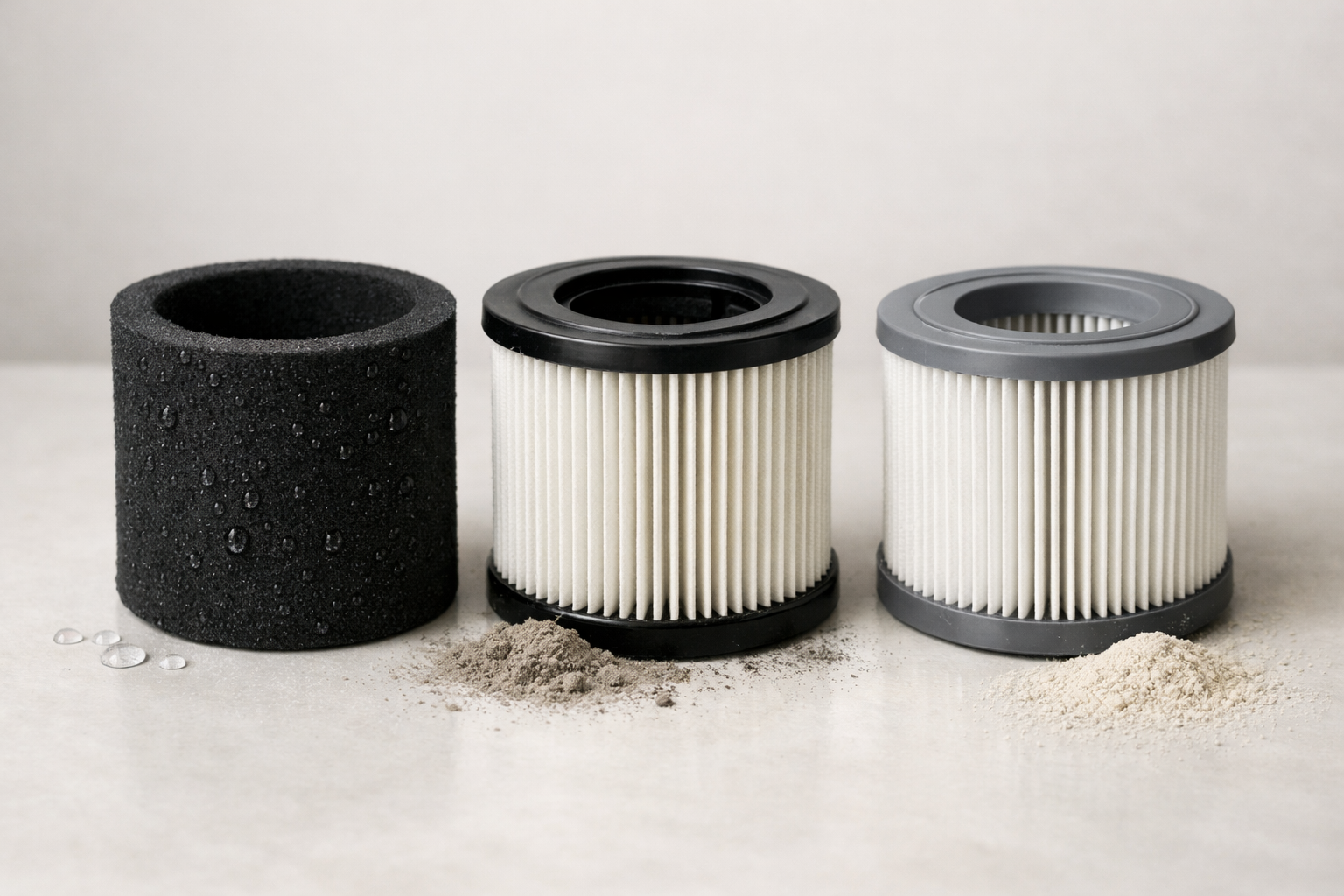
مكنسة كهربائية رطبة وجافة للغبار الناعم: ما الذي يجب البحث عنه
عند اختيار مكنسة كهربائية رطبة وجافة للغبار الناعم، ابحث عن:
- الترشيح متعدد المراحل: لتحسين الكفاءة، حيث أنه يلتقط الجسيمات على مستويات مختلفة.
- تصميم النظام المغلق: لمنع عودة الأوساخ إلى الهواء
من الضروري ملاحظة أن الجسيمات الدقيقة و قد يشكل شعر الحيوانات الأليفة خطراً على الصحة. لأنها قد تؤدي إلى مشاكل في الجهاز التنفسي أو الحساسية. لذلك، من المهم اختيار نظام الترشيح المناسب. بناءً على احتياجاتك في التنظيف.
دليل نطاق أسعار المكانس الكهربائية الرطبة والجافة
فيما يلي تفصيل بسيط للأسعار لمساعدة القراء على فهم الميزات التي يمكن توقعها في مستويات الأسعار المختلفة:
|
نطاق السعر |
نوع المكنسة الكهربائية |
الميزات التي يمكنك توقعها |
|---|---|---|
|
الميزانية ($30–$80) |
نماذج صغيرة محمولة |
شفط أساسي، خزان صغير، ملحقات محدودة |
|
متوسط المدى ($80–$200) |
المكانس الكهربائية المنزلية ومكانس المرآب |
قوة شفط أفضل، سعة أكبر، ملحقات متعددة |
|
منتصف علوي ($200–$400) |
نماذج منزلية/ورشة عمل متطورة |
تدفق هواء قوي، ترشيح مُحسّن، تصميم متين |
|
ممتاز ($400+) |
الوحدات الصناعية والثقيلة |
معدل تدفق هواء مرتفع، خزانات كبيرة، ترشيح HEPA، وقت تشغيل طويل |
يُساعد هذا الجدول القراء على تحديد نوع المكنسة الكهربائية التي يحتاجونها بسرعة. فالتوفير في الإنفاق على مهمة تتطلب جهدًا كبيرًا قد يؤدي إلى ضعف الأداء، بينما قد يكون الإنفاق الزائد على احتياجات التنظيف الأساسية غير ضروري.
ما هي الميزات التي يجب أن تبحث عنها في أفضل مكنسة كهربائية رطبة وجافة؟
لا يمكن للمرء ببساطة اختيار مكنسة كهربائية توفر قوة شفط أقوى، يحتوي على فلتر HEPA، وخزان ذو سعة كبيرة. في الواقع، يجب تقييم بعض الميزات الأخرى أيضًا عند شراء أفضل مكنسة كهربائية رطبة وجافة.
قائمة الميزات الأساسية
تشمل الميزات التي يجب مراعاتها قبل شراء المكنسة الكهربائية، على سبيل المثال لا الحصر:
- مادة متينة للخزان: احرص دائمًا على اقتناء مكنسة كهربائية ذات خزان متين لضمان استخدامها لفترة طويلة دون تشققات أو تلف.
- طول الخرطوم ومرونته: اختر مكنسة كهربائية بخرطوم طويل بما يكفي للوصول إلى الزوايا الصغيرة بسهولة من أجل تنظيف فعال.
- مستوى الضوضاء: للتنظيف الداخلي، تأكد من اختيار مكنسة كهربائية ذات مستويات ضوضاء منخفضة أو معدومة.
- المرفقات: تُسهّل الملحقات مثل المساحات والفرش وأدوات تنظيف الشقوق عملية تنظيف مختلف الأسطح. تأكد من اختيار مكنسة كهربائية مزودة بملحقات مناسبة للأسطح التي ترغب في تنظيفها.
متى يجب عليك تجنب اختيار المكنسة الكهربائية الرطبة والجافة؟ (القيود والبدائل)
تجنب استخدام المكانس الكهربائية الرطبة والجافة إذا كنت تنظف السجاد فقط (استخدم المكانس العمودية)، أو تتعامل مع الغبار الناعم الخطير (تحتاج إلى أنظمة صناعية)، أو لديك مساحة تخزين محدودة للغاية (اختر المكانس الكهربائية الصغيرة العصوية بدلاً من ذلك). على سبيل المثال:
- لو تنظيف السجاد فقطإذاً، عليك اختيار مكنسة كهربائية عادية.
- إذا كان التنظيف يتضمن غبار ناعم خطير، عندها ستحتاج إلى استخدام نظام صناعي.
- إذا كانت مساحة التخزين محدودة، فأنت بحاجة إلى منظف صغير الحجم
- إذا كنت تحتاج إلى مكنسة كهربائية للاستخدام العرضي فقط، فـ يكفي استخدام المكنسة الكهربائية الأساسية.
الأسئلة الشائعة
ما هو حجم المكنسة الكهربائية الرطبة والجافة التي أحتاجها؟
يعتمد حجم المكنسة الكهربائية الرطبة والجافة التي تحتاجها على احتياجاتك في التنظيف. تنظيف السيارات ومهام التنظيف البسيطةيمكنك اختيار وحدات صغيرة، بينما تناسب النماذج الأكبر ورش العمل ومهام التنظيف الشاقة.
أي نوع من المكانس الكهربائية الرطبة والجافة هو الأفضل؟
أفضل مكنسة كهربائية رطبة وجافة تناسبك هي تلك التي يتوافق مع السعة المطلوبة، قوة الشفط والترشيح. من الضروري ملاحظة أن المكنسة الكهربائية باهظة الثمن ليست بالضرورة الأفضل.
هل أحتاج إلى فلتر HEPA في المكنسة الكهربائية الرطبة والجافة؟
نعم، إذا كنت تنظف غبارًا ناعمًا (مثل غبار الجدران الجافة أو نشارة الخشب) أو كنت تعاني من الحساسية/الربو، فإن مرشحات HEPA تلتقط 99.971% من الجزيئات التي يصل حجمها إلى 0.3 ميكرون. أما بالنسبة للانسكابات السائلة العامة والحطام الكبير، فإن مرشحات الرغوة أو الخراطيش القياسية كافية.
هل يمكن للمكانس الكهربائية الرطبة والجافة أن تحل محل المكانس الكهربائية العادية؟
غير مناسبة للسجاد – تفتقر المكانس الكهربائية الرطبة والجافة إلى فرش التنظيف اللازمة لتنظيف السجاد بعمق. وهي ممتازة في تنظيف الأرضيات الصلبة والانسكابات والحطام، ولكنها تستخدم مكنسة كهربائية تقليدية عمودية أو أسطوانية للمناطق المغطاة بالسجاد.
الخلاصة: كيف تختار المكنسة الكهربائية المناسبة للتنظيف الجاف والرطب؟
اختر المكنسة الكهربائية المناسبة للتنظيف الجاف والرطب، وذلك بمطابقة سعتها مع حجم المساحة لديك (من 3 إلى 8 جالونات للمنازل، وأكثر من 10 جالونات للورش)، مع إعطاء الأولوية لتدفق الهواء (CFM) للغبار، وقوة الشفط المحكمة للسوائل، واختيار فلتر HEPA إذا كانت جودة الهواء مهمة بالنسبة لك. يجب اختيار المكنسة المناسبة بناءً على احتياجاتك الخاصة.
هل أنت مستعد لتحديث مجموعة أدوات التنظيف الخاصة بك؟ يسوعبفضل خبرتها الطويلة في مجال التصنيع، تُقدم شركتنا مكانس كهربائية رطبة وجافة مزودة بأنظمة ترشيح قابلة للتخصيص وخيارات تصنيع المعدات الأصلية. تواصلوا معنا للعثور على الطراز الأمثل الذي يلبي احتياجاتكم.

 Arabic
  English
  Spanish
  Russian