
أهم النقاط
- يؤدي كثرة حركة المشاة إلى دفع الغبار والمواد المسببة للحساسية والبكتيريا إلى أعماق ألياف السجاد التجاري.
- قد تزيل المنظفات الكيميائية القوية البقع، لكنها غالباً ما تضعف ألياف السجاد وتترك بقايا لزجة تجذب الأوساخ الجديدة.
- تستخدم طرق التنظيف الطبيعية الحرارة والأحماض الخفيفة والمساحيق الماصة لإزالة الأوساخ بأمان.
- يمكن إجراء التنظيف العميق بطريقتين: الطرق اليدوية مناسبة للصيانة الروتينية؛ أما المعدات فتتعامل مع المساحات الكبيرة أو الأوساخ الشديدة.
- يساعد التنظيف والصيانة المناسبان على إطالة عمر السجاد وتحسين عائد الاستثمار في الأرضيات.
يقدم هذا الدليل لفرق الصيانة طرق التنظيف العميق العملية التي تزيل الأوساخ المتراكمة دون استخدام مواد كيميائية قاسية، مما يساعد على إطالة عمر السجاد مع الحفاظ على جودة هواء داخلي صحي.
لماذا يجب تجنب استخدام المواد الكيميائية القاسية على السجاد التجاري؟
قد تزيل المنظفات القوية البقع بسرعة، لكنها غالبًا ما تُسبب مشاكل جديدة. تترك بعض المنتجات طبقة لزجة على سطح السجاد، يلتصق بها الغبار، مما يجعل السجاد يتسخ مجددًا بسرعة أكبر. كما أن المواد الكيميائية القوية تُضعف ألياف السجاد، وبعد الاستخدام المتكرر، يبدأ السجاد في فقدان بريقه وتلفه، وتتسارع عملية تآكل الألياف، مما يُقلل في النهاية من عمره الافتراضي.
قد تبقى المخلفات الكيميائية عالقة في الأماكن المغلقة، خاصة في المكاتب أو الفنادق ذات التهوية المحدودة، مما يجعل الناس يلاحظون الرائحة. لذا، يلجأ العديد من فرق الصيانة الآن إلى استخدام أساليب أكثر لطفًا، مثل الحلول الطبيعية. سجاد نظيف بفعالية دون ترك أي رواسب ثقيلة. يبقى السجاد منتعشاً، ويصبح الجو الداخلي أفضل لجميع مستخدمي المكان.
التحضيرات الأساسية قبل التنظيف العميق
يقلل التحضير السليم من وقت التنظيف بما يصل إلى 40% ويمنع تلف الألياف أثناء التنظيف العميق.** خطوتان رئيسيتان - الفحص وتجميع الأدوات - تضعان الأساس لنتائج فعالة.
فحص وصيانة السجاد
ابدأ بفحص سريع للسجادة. هذا يساعد في تحديد المناطق التي تحتاج إلى أكبر قدر من الاهتمام.
تحقق من وجود بقع وآثار أوساخ بالقرب من المداخل. المناطق ذات الحركة الكثيفة، مثل الممرات التي لا تتوقف فيها حركة المشاة، هي الأكثر أهمية. تتراكم الأوساخ والغبار في هذه المناطق يوميًا. إذا تُركت دون تنظيف، فقد تتغلغل الأوساخ عميقًا في ألياف السجاد.
يُعد التنظيف بالمكنسة الكهربائية بانتظام أهم خطوة. فهو يزيل الأوساخ قبل أن تتغلغل بعمق في السجادة.
الأدوات واللوازم التي ستحتاجها
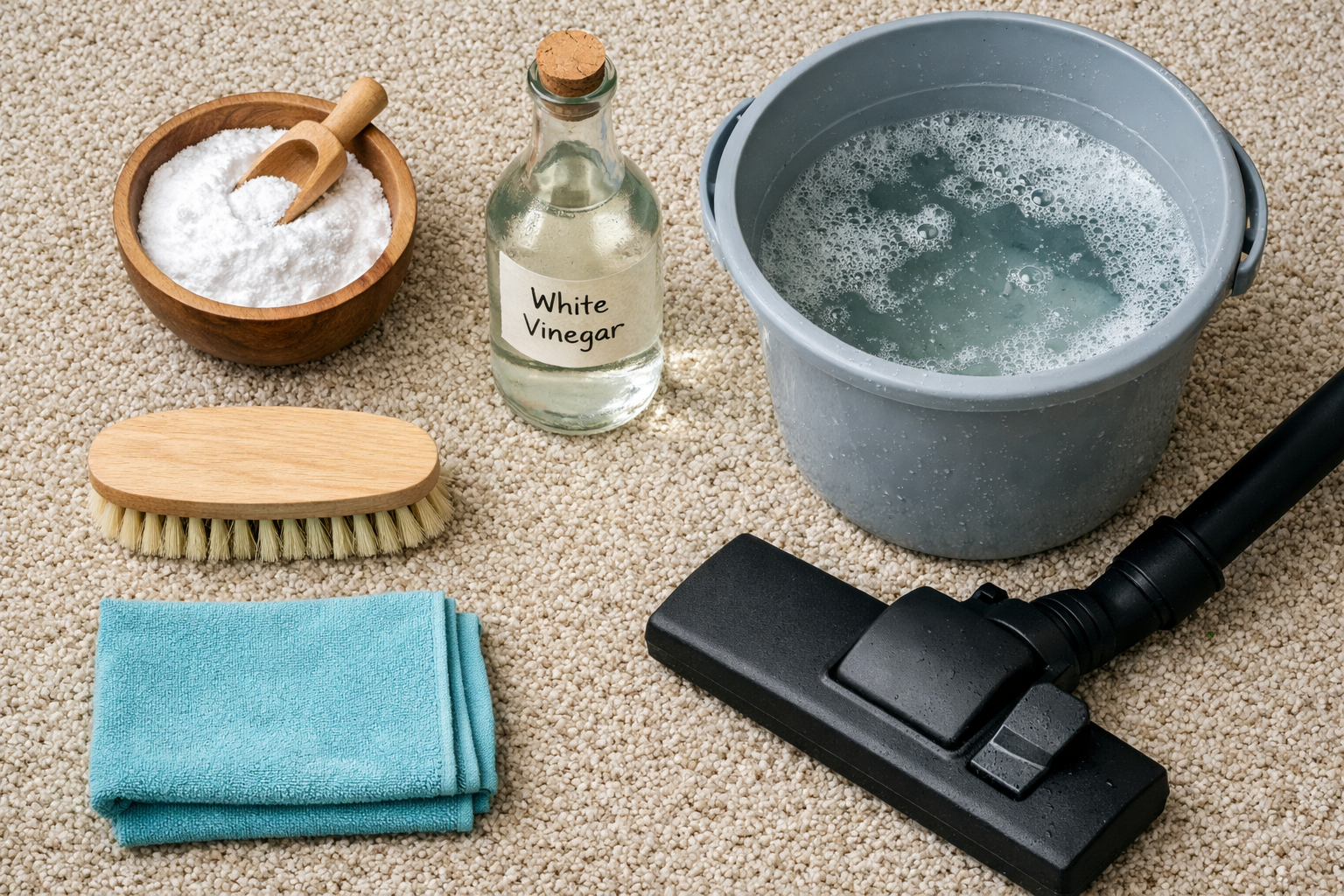
قبل البدء بتنظيف السجاد، من المهم تجهيز جميع الأدوات والمواد اللازمة لهذه المهمة. فوجود كل شيء جاهزاً يجعل العملية أسرع وأكثر كفاءة.
- قفازات
- ممسحة من الألياف الدقيقة
- دلو به ماء دافئ
- فرشاة ناعمة أو ليفة تنظيف
- مكنسة كهربائية ذات شفط قوي
- مكونات طبيعية مثل صودا الخبز والخل
كيفية تنظيف السجاد التجاري تنظيفاً عميقاً بدون استخدام مواد كيميائية قاسية؟
هناك طريقتان رئيسيتان لتنظيف السجاد التجاري. إحداهما يدوية، والأخرى تستخدم الآلات.
التنظيف العميق اليدوي:
التنظيف العميق اليدوي يُبقي الأمور بسيطة. لا حاجة لآلات ثقيلة. مجرد فرشاة، و ممسحة من الألياف الدقيقةودلو به محلول مخفف. عادةً ما يكون هذا كافياً لإنعاش السجادة دون الاعتماد على مواد كيميائية قوية.
غالباً ما تُستخدم المنظفات الطبيعية كجزء من عملية التنظيف. يساعد بيكربونات الصوديوم في التخلص من الروائح الكريهة، بينما تُساعد الخل أو الخلطات الحمضية في إزالة البقع الشائعة. يمنحك التنظيف اليدوي تحكماً دقيقاً في كمية الماء المستخدمة وقوة الضغط. فالإفراط في استخدام الماء قد يُبطئ عملية التجفيف ويُتلف ألياف السجاد. صحيح أن التنظيف اليدوي يستغرق وقتاً أطول، ولكنه عمل دقيق يُساعد على إطالة عمر السجاد.
التنظيف بمساعدة المعدات:
في المنشآت الكبيرة، تُستخدم أحيانًا آلاتٌ لتنظيف السجاد بعمق. وتُعدّ أجهزة شفط السجاد أو وحدات البخار من أكثرها شيوعًا. تستخدم هذه الآلات الحرارة لتفكيك الأوساخ وقوة شفط عالية لسحبها. وتُزوّد معظم المنشآت هذه الآلات بتركيبات تنظيف صديقة للبيئة.
تُسرّع المعدات العمل، وتغطي مساحة أكبر، لكنها تعمل على أفضل وجه عند دمجها مع الصيانة الدورية والتنظيف اليدوي الموجه عند الحاجة.
عملية تنظيف السجاد العميق خطوة بخطوة
اتباع عملية واضحة خطوة بخطوة يساعد على إزالة هذا التراكم بشكل فعال مع حماية ألياف السجاد وإطالة عمر الأرضيات التجارية.
الخطوة الأولى: التنظيف بالمكنسة الكهربائية جيداً
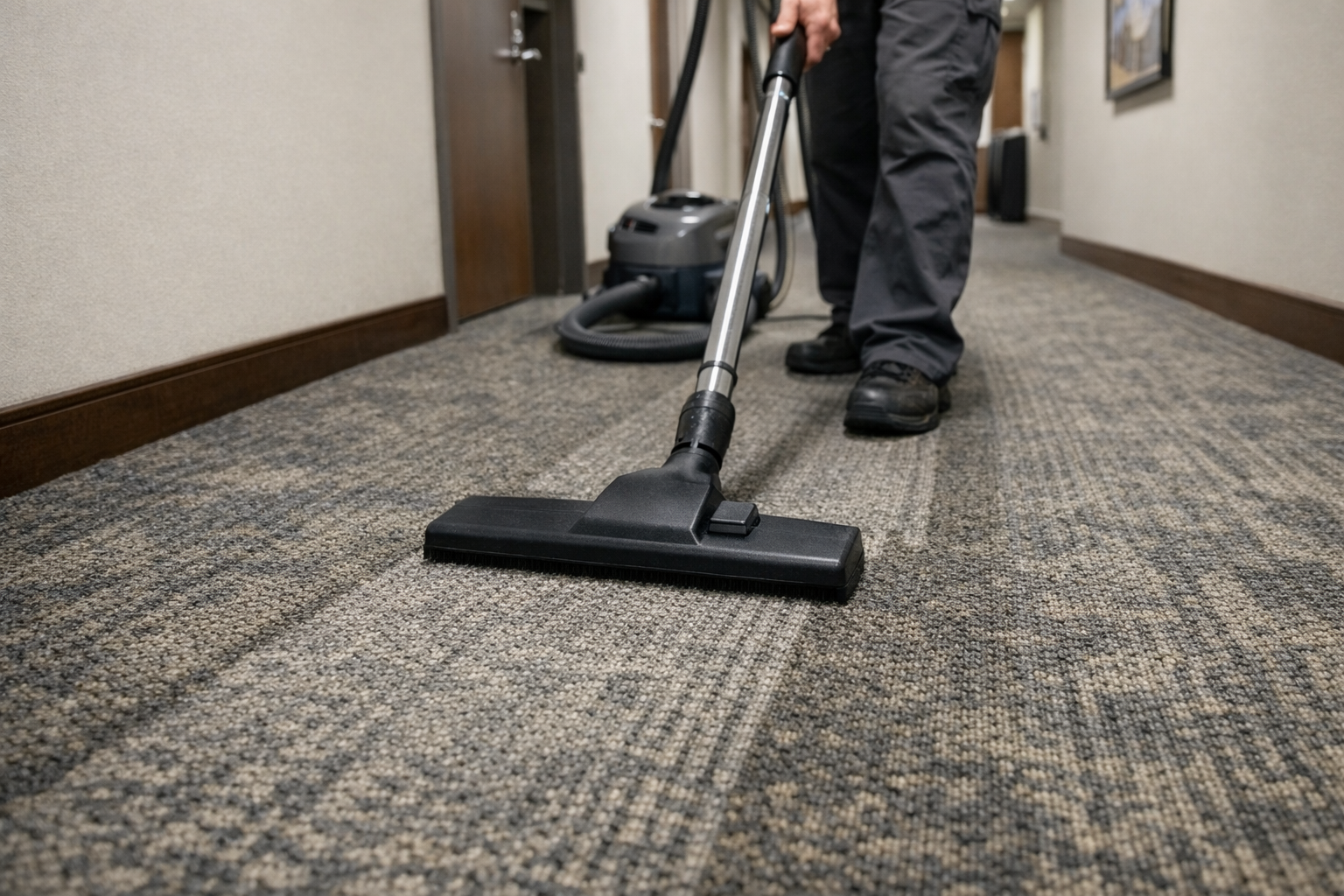
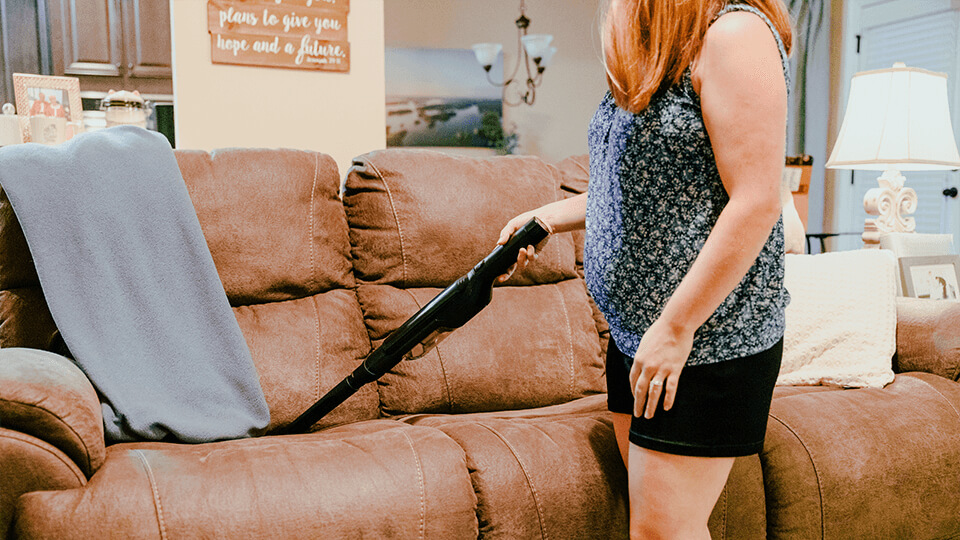
ابدأ باستخدام مكنسة كهربائيةيُهيئ هذا التنظيف السجادة لعملية تنظيف أعمق. معظم الأوساخ الموجودة في السجاد التجاري عبارة عن تربة جافة وغبار وحصى ناعم ينتقل عبر الأحذية. إذا بقيت هذه الأوساخ على السطح، فإنها تتغلغل في ألياف السجادة مع كل خطوة.
من الأفضل تحريك المكنسة الكهربائية عموديًا ثم أفقيًا. تضمن هذه الطريقة المزدوجة للتنظيف جمع جميع الأوساخ. كرر العملية عدة مرات، خاصة عند المداخل والممرات. لا تتجاهل الحواف والزوايا.
الخطوة الثانية: تنظيف المناطق المتضررة بشكل طبيعي
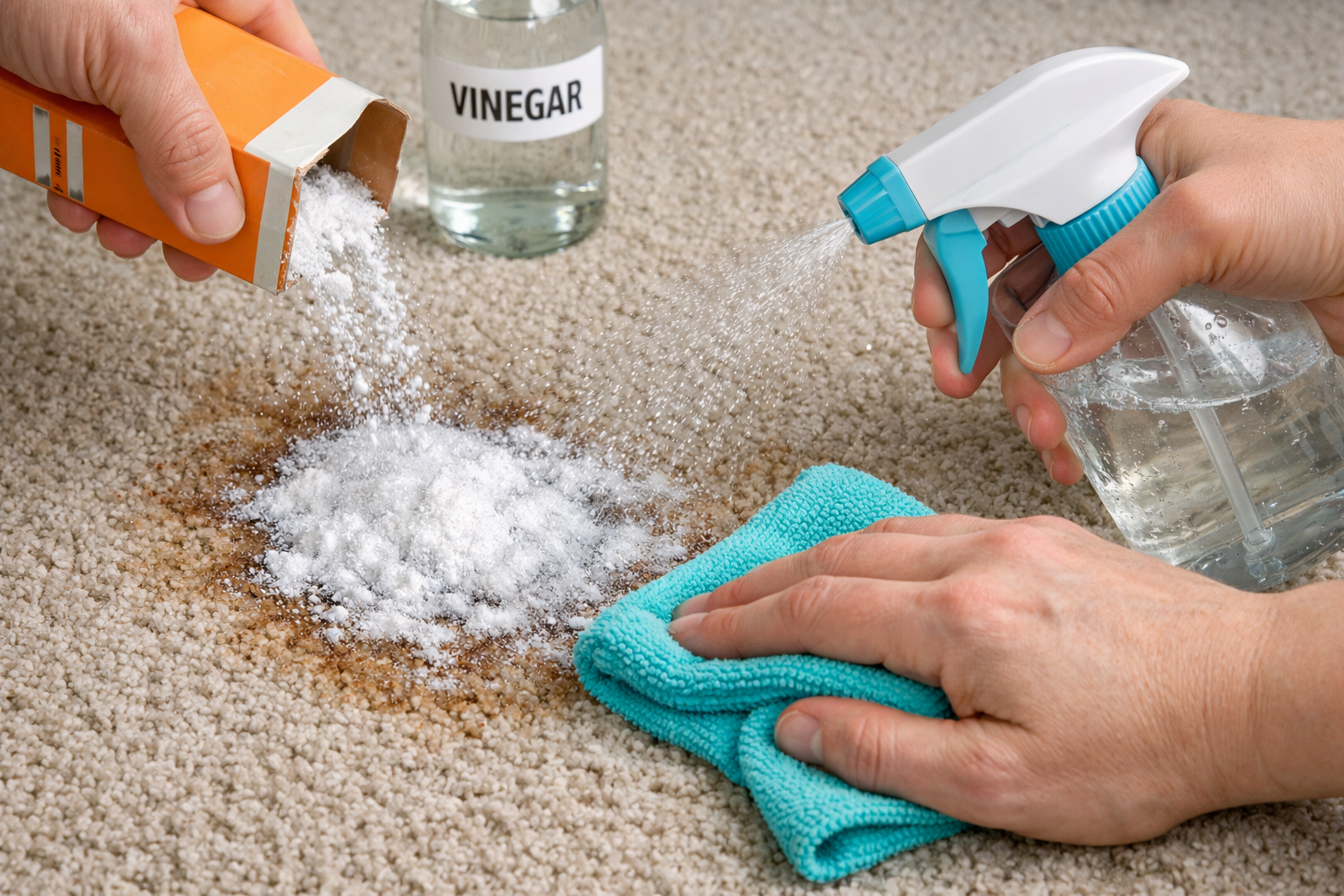
بدلاً من معالجة السجادة بأكملها، ابدأ بالبقع التي تحتاج إلى عناية إضافية.
رشي كمية قليلة من صودا الخبز على المناطق ذات الروائح الكريهة. وفقًا لـ هيلث لاينيمتص بيكربونات الصوديوم الرطوبة ويزيل الروائح. للبقع الظاهرة، استخدم محلولاً خفيفاً من الخل أو الحمضيات. رشّ برفق، ولا تُبلل الألياف. ثم جففها بقطعة قماش نظيفة من الألياف الدقيقة.
احرص دائمًا على التربيت بدلًا من الفرك، فالفرك يدفع البقعة إلى الداخل. يساعد التنظيف اللطيف بفرشاة ناعمة على إزالة الأوساخ العنيدة دون إتلاف السجادة. تضمن هذه الخطوة معالجة المناطق المتضررة قبل الانتقال إلى التنظيف الكامل.
الخطوة 3: وضع محلول التنظيف
حان الآن وقت التنظيف العميق باستخدام حلول طبيعية. هذه الحلول آمنة وفعالة ولطيفة على ألياف السجاد التجاري.
محاليل الخل
في دلوامزج محلولاً من أجزاء متساوية من الخل الأبيض المقطر والماء الدافئ. معلومات علمية يذكر أن الخل عامل تبييض طبيعي يزيل البقع بفعالية.
تنبيه: تجنب استخدام كمية كبيرة من الخل لأنه قد يترك رائحة نفاذة. قم دائمًا باختبار المنتج على منطقة صغيرة قبل استخدامه على السجادة بأكملها.
زيوت الحمضيات الطبيعية أو الزيوت العطرية
لإزالة البقع الخفيفة، استخدمي زيوت الحمضيات الطبيعية أو الزيوت العطرية. امزجي بضع قطرات من زيت عطري، مثل زيت الليمون أو البرتقال أو شجرة الشاي، مع الماء الدافئ. رشي المحلول برفق على السجادة، مع التركيز على المناطق الملطخة أو التي يكثر استخدامها. امسحي برفق بقطعة قماش من الألياف الدقيقة بدلاً من الفرك.
تجمع هذه الطريقة بين التنظيف وإزالة الروائح في خطوة واحدة، مما يحافظ على السجاد التجاري آمناً ومنعشاً وفي حالة جيدة.
مزيج من صودا الخبز ونشا الذرة
لإزالة الأوساخ أو الزيوت العنيدة، رشي مزيجًا من صودا الخبز ونشا الذرة على المنطقة. ضعي طبقة خفيفة على المنطقة المصابة. اتركيه لمدة 10-15 دقيقة، ثم افركيه بلطف باستخدام قطعة قماش من الألياف الدقيقة أو فرشاة ناعمة.
تنبيه: لا تفرط في استخدام البودرة. فالإفراط في استخدامها يُصعّب عملية التنظيف. طبقة رقيقة ومتساوية تكفي لإزالة الأوساخ.
الخطوة الرابعة: تجفيف السجادة
بعد التنظيف، يُعدّ التجفيف خطوةً أساسية. فألياف السجاد المبللة قد تحبس الأوساخ، بل وقد تُصاب بالعفن إذا تُركت رطبة. افتح النوافذ أو استخدم المراوح لتسريع عملية التجفيف. تجنّب المشي على السجاد وهو لا يزال مبللاً، فهذا يمنع الألياف من التسطح ويحول دون التصاق الأوساخ الجديدة.
اختيار محلول التنظيف المناسب لكل نوع من أنواع السجاد
يُساعد اختيار محلول التنظيف المناسب لنوع ألياف السجاد على منع التلف وتحسين إزالة البقع. إليك دليل سريع لأكثر خمسة أنواع شيوعًا من مواد السجاد التجاري.
- سجادة نايلون: متينة ومقاومة للبقع. تُناسب التنظيف اللطيف والمحاليل الطبيعية. تجنب استخدام المواد الكيميائية القاسية للحفاظ على قوة الألياف.
- سجاد بوليستر: ناعم وثابت اللون، لكنه عرضة للبقع الزيتية. استخدمي كمية قليلة من الماء ومنظفات خفيفة مثل الخل أو محاليل الحمضيات.
- سجاد أوليفين (بولي بروبيلين): مقاوم للرطوبة ولا يحتاج إلى صيانة كبيرة. يُنصح باستخدام مساحيق التنظيف الجاف أو التنظيف اليدوي الخفيف.
- سجادة صوفية: ألياف طبيعية رقيقة. يُنظف بكمية قليلة من الماء ومحاليل تنظيف لطيفة. يُجفف بالتربيت بدلاً من الفرك.
- سجاد ترييكستامتينة ومقاومة للبقع. تتحمل التنظيف الخفيف بالمنظفات الطبيعية. مناسبة للمناطق التجارية ذات الحركة المرورية العالية.
نصائح للحفاظ على نظافة السجاد لفترة أطول
لا تقتصر صيانة السجاد التجاري على التنظيف العميق فحسب، بل إن العناية اليومية تحمي الألياف وتطيل عمرها.
ابدأ بالتنظيف بالمكنسة الكهربائية. تحتاج المناطق ذات الحركة الكثيفة إلى عناية إضافية، ويساعد تنظيفها ببطء على إزالة الغبار والأوساخ قبل أن تتراكم. ضع دواسات عند المداخل الخارجية والداخلية. فهي تحبس الأوساخ عند الباب، مما يقلل من كمية الأوساخ التي تصل إلى السجاد. كما أن مطالبة الموظفين أو الزوار بخلع أحذيتهم يُساعد أكثر. افحص فلاتر نظام التكييف بانتظام. ينتشر الغبار في الهواء ويستقر على السجاد. فلاتر نظيفة تعني أرضيات أنظف.
متى يجب الاستعانة بالخدمات المهنية؟
أحيانًا لا يكفي التنظيف اليدوي. قد تحتاج المناطق ذات الحركة الكثيفة، والمساحات الكبيرة، أو السجاد شديد الاتساخ إلى عناية إضافية. اتصل بالمتخصصين إذا استمرت البقع أو الروائح الكريهة رغم استخدام المعالجات الطبيعية. فهم يمتلكون الأدوات المتخصصة والخبرة اللازمة لاستعادة السجاد بأمان.
يمكن للتنظيف الاحترافي الدوري أن يطيل عمر السجاد ويحسن جودة الهواء الداخلي. حتى أفضل أنواع العناية اليومية لا تستطيع الوصول إلى الأوساخ المتراكمة أو البقع العنيدة في الأماكن التجارية.
خاتمة
يُعدّ التنظيف العميق للسجاد التجاري دون استخدام مواد كيميائية قاسية خيارًا عمليًا وفعالًا. فمع التحضير المناسب، واستخدام المحاليل الطبيعية، والعناية المستمرة، تستطيع فرق الصيانة إزالة الأوساخ المتراكمة مع الحفاظ على ألياف السجاد.
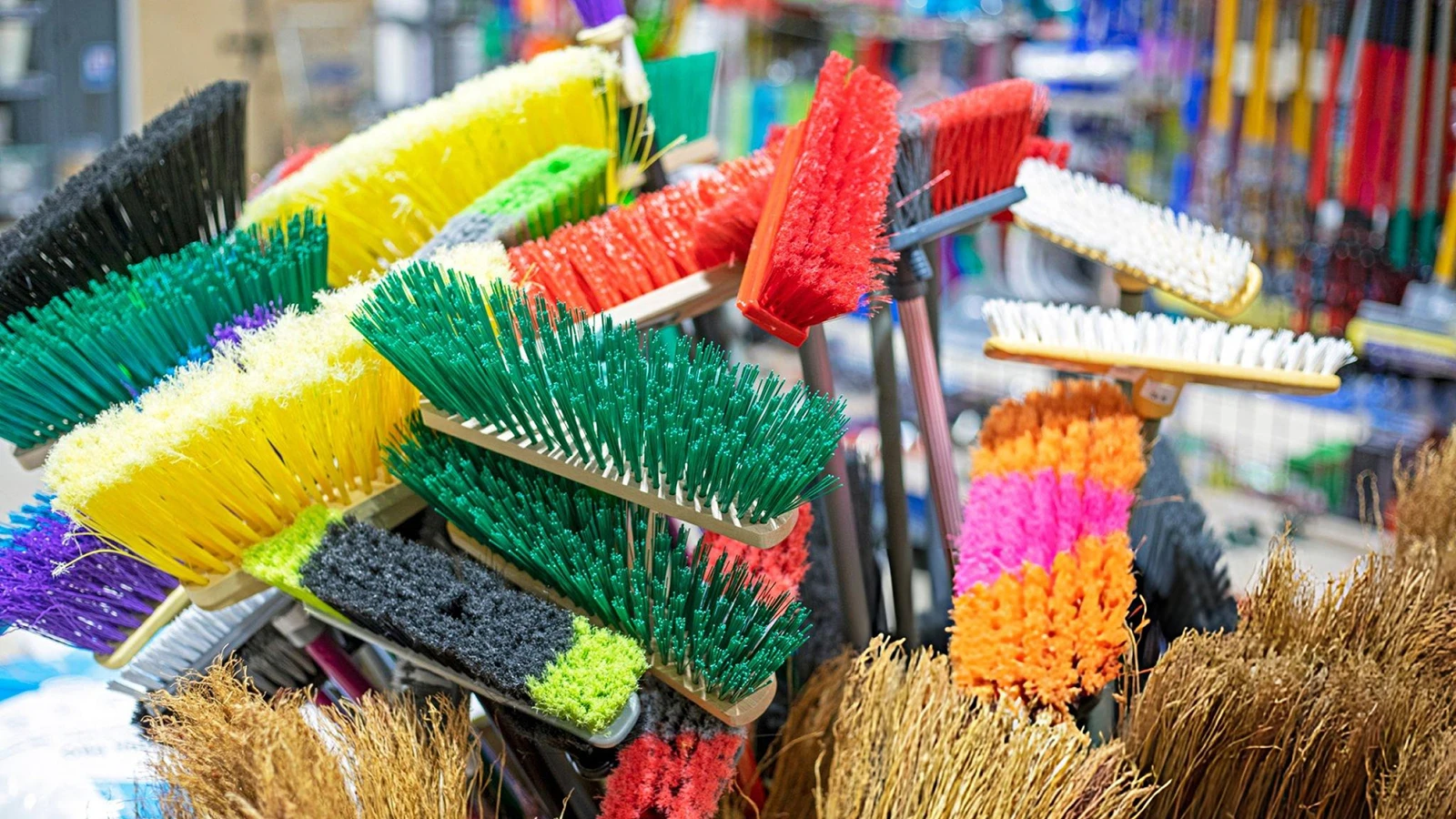
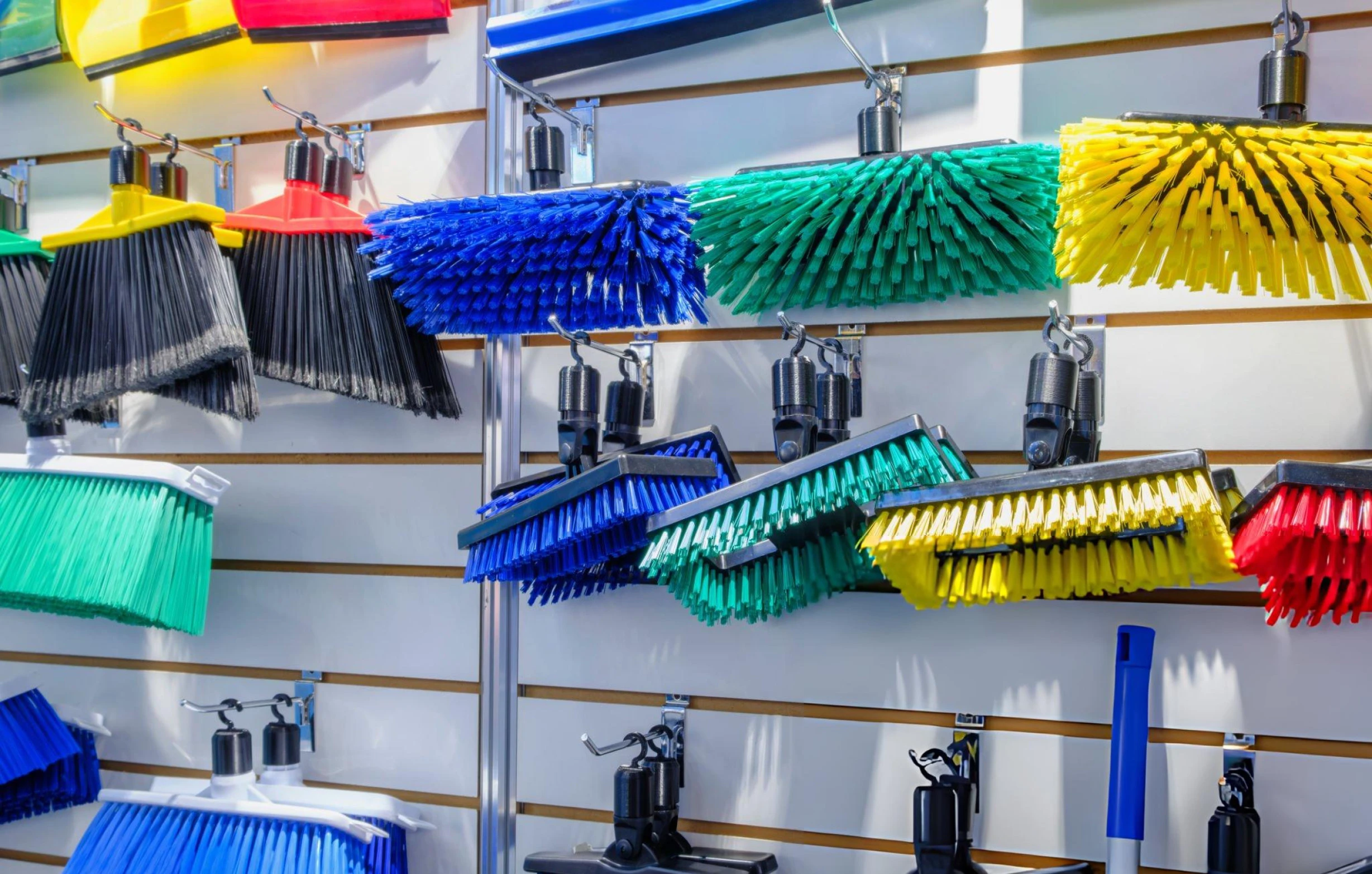
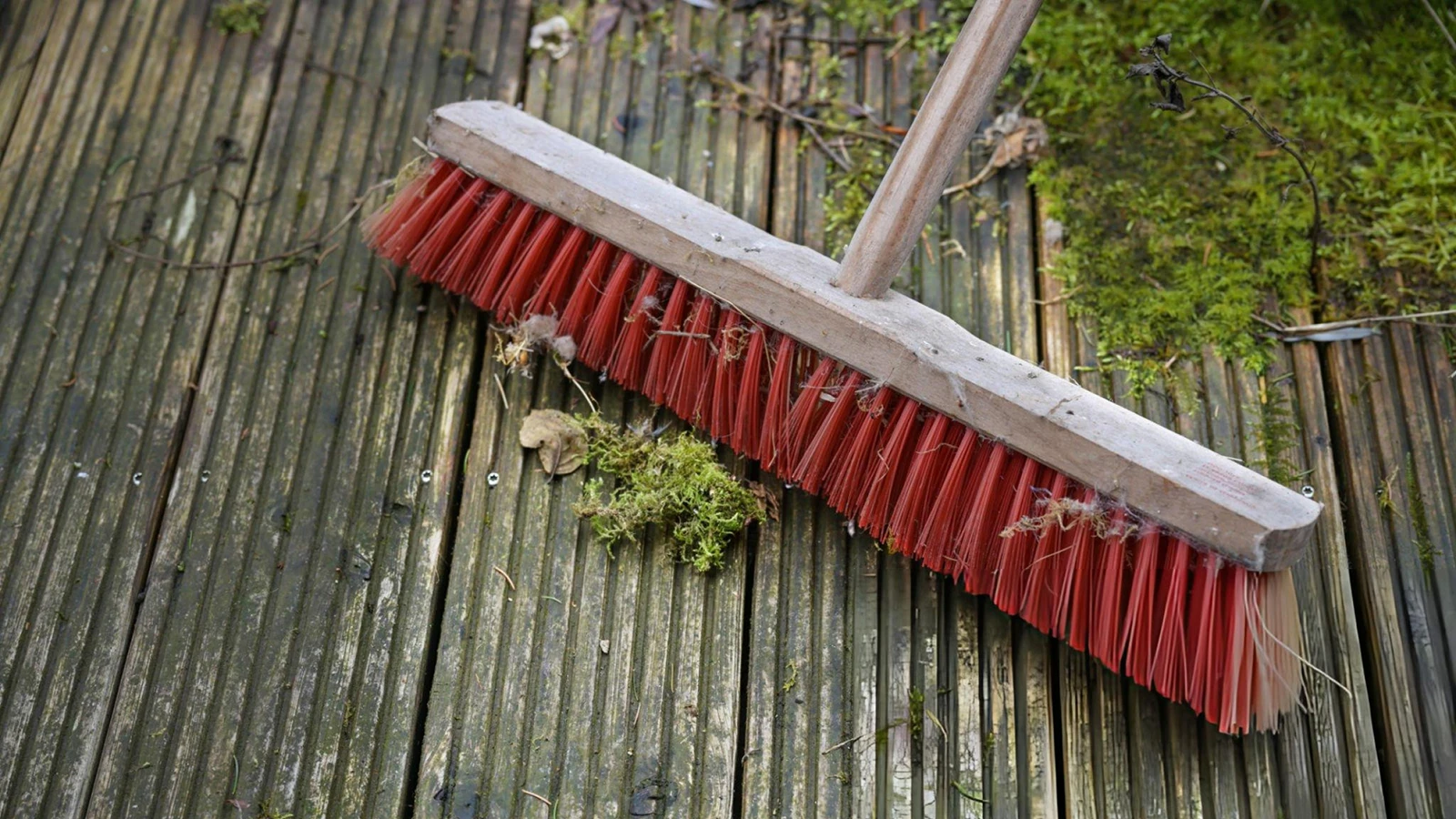
امتلاك الأدوات المناسبة يُحدث فرقًا كبيرًا. إذا كنت ترغب في جعل عملية التنظيف العميق أسهل وأكثر فعالية، يوكادا نقدم مجموعة من أدوات التنظيف العملية سهلة الاستخدام، بدءًا من فرش تنظيف الأرضيات وصولًا إلى مماسح الألياف الدقيقة وغيرها. تصفح منتجاتنا وحوّل مساحتك إلى مكانٍ مميز.
الأسئلة الشائعة:
هل التنظيف بالبخار هو أفضل طريقة لتنظيف السجاد؟
يُعدّ التنظيف بالبخار فعالاً في إزالة الأوساخ العميقة. تعمل الحرارة على تفتيت الأوساخ العالقة داخل الألياف، ثم يقوم الشفط بسحبها للخارج. لذا، نعم، يُمكنه التنظيف بدقة. لكنه يتطلب معدات. بالنسبة للعديد من المنشآت، يُعدّ التنظيف اليدوي باستخدام محاليل طبيعية بسيطة كافياً للصيانة الدورية.
هل يترك تنظيف السجاد الصديق للبيئة بقايا؟
ليس عادةً. تتحلل المنظفات الطبيعية كالخل أو صودا الخبز بسهولة، ولا تترك طبقة سميكة كما تفعل بعض المنتجات الكيميائية. مع ذلك، قد يؤدي استخدام كمية كبيرة من المحلول إلى تراكم الرواسب، لذا يُنصح باستخدام كمية قليلة.
هل من الآمن استخدام طرق التنظيف الطبيعية على جميع أنواع السجاد؟
نعم، السجاد الصناعي يتحمل المحاليل الطبيعية جيداً. أما الصوف فهو مختلف، فهو أكثر حساسية. مع ذلك، يُنصح بتجربة المنتج على منطقة صغيرة مخفية أولاً. هذه التجربة السريعة تساعد على تجنب تغير اللون أو تلف الألياف.
كم من الوقت يستغرق جفاف السجاد بعد التنظيف العميق بشكل طبيعي؟
يعتمد وقت التجفيف على نسبة الرطوبة وتدفق الهواء. تجف معظم السجادات خلال أربع إلى اثنتي عشرة ساعة. التهوية الجيدة تُسرّع عملية التجفيف، كما أن استخدام المراوح يُساعد أيضاً. تجنب المشي على السجادة حتى تجف تماماً.

 Arabic
  English
  Spanish
  Russian