

أهم النقاط
- A brush is finished when it stops doing its job, not when it looks worn — splayed bristles and a persistent smell are the two reliable signals.
- Typical replacement windows: dish brushes 3–4 months, bottle brushes 1–2 months, toilet brushes 3–6 months for bristle and 12–24 months for silicone, floor brushes 6–12 months.
- Microbiology research shows used cleaning tools become heavily colonised; one study found kitchen sponges carrying up to 54 billion bacteria per cubic centimetre.
- Storing a brush wet is what shortens its life, so the holder and drying routine matter as much as the material.
- Replace immediately after illness, after cleaning mould or biofilm, and whenever a brush has been used on a contaminated spill.
مقدمة
Most people replace a cleaning brush when it finally falls apart, which is far later than it should be. A brush stops cleaning properly long before it looks broken. Bristles splay outward, the tips round over, and the head stops reaching the surface it is supposed to scrub, so you press harder and scrub longer to get the same result. Meanwhile, the same brush is sitting in a damp holder, collecting organic residue in the gaps between tufts. The question worth asking is therefore not whether the brush still looks usable, but whether it still works and whether it is still hygienic. For example, a dish brush that has flattened at the tips will still rinse clean and look normal while failing to lift dried food from a pan. The same wear curve applies to every brush in the house, from toilet brushes ل kitchen cleaning brushes.
Those two questions have different answers. Function fails gradually and visibly, which makes it easy to judge. Hygiene fails invisibly and much earlier, which is why published research keeps finding heavy bacterial loads on cleaning tools that look perfectly fine. Consequently, the practical approach is to combine a visual check with a fixed replacement calendar rather than relying on either one alone. In our experience, households that adopt a simple schedule spend less on brushes overall, because they stop buying replacements in a panic and stop scrubbing with a tool that has quietly given up. Consequently, we recommend treating the replacement calendar as the primary trigger and the visual inspection as a confirmation rather than the other way around.
This guide sets out seven signs that a cleaning brush is finished, the replacement interval we recommend for each brush type, and the storage habits that decide how long a brush lasts. Notably, the same rules apply whether you are maintaining one kitchen brush at home or stocking a commercial housekeeping cart, though the intervals tighten considerably in commercial use.
Replacement Intervals at a Glance
Use this table as a default calendar, then shorten the interval whenever the brush is used daily, used with bleach or acid descalers, or stored in a closed holder. In contrast to what most packaging suggests, the material of the bristle changes the answer more than the price does.
| Brush type | Typical replacement | Replace sooner if | Main reason |
|---|---|---|---|
| Dish brushes | 3–4 months | Bristles flatten or the head smells after washing | Food residue feeds bacteria in a warm, wet head |
| Bottle brushes | 1–2 months | The head is softer and compresses faster | Softer tufts degrade sooner than dish-brush bristles |
| Kitchen scrub brushes | 3–6 months | Used on raw meat or a contaminated sink | Contact with food-borne pathogens |
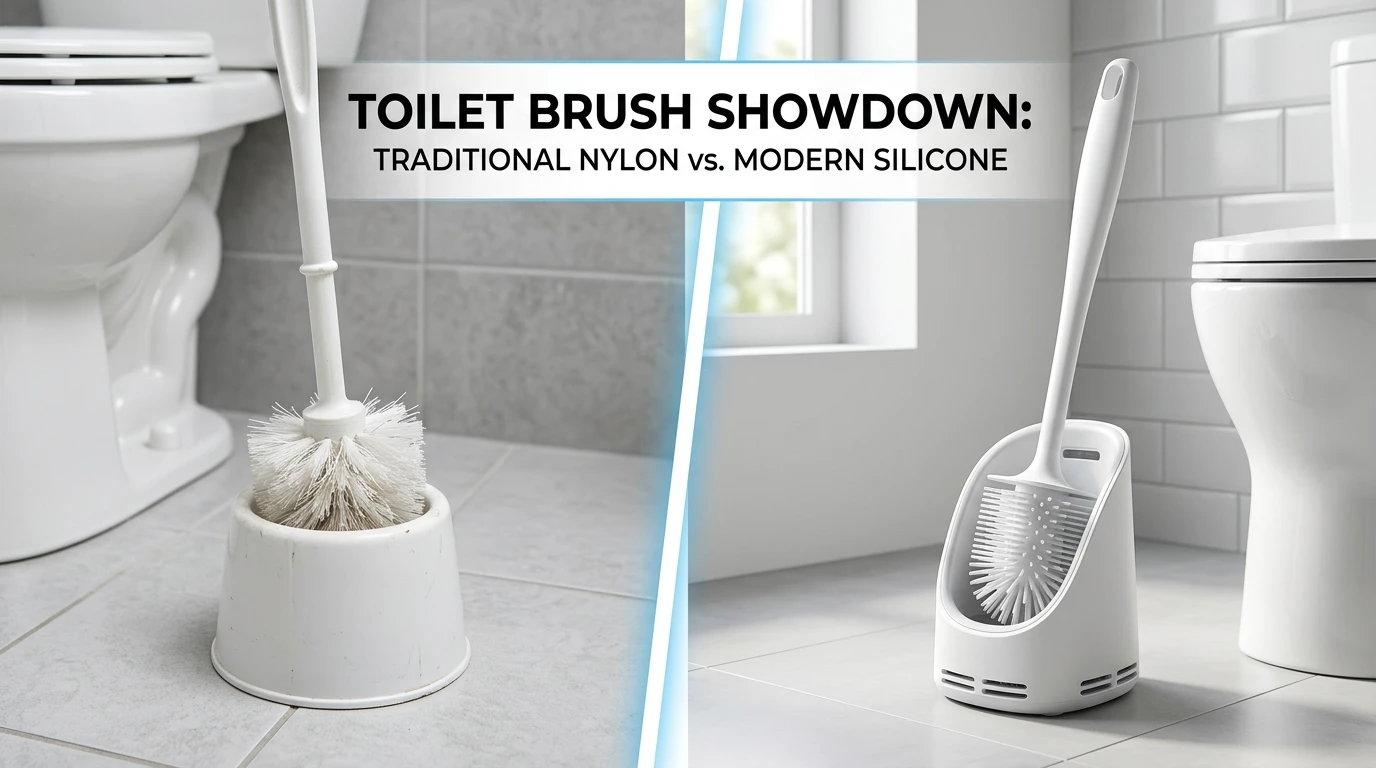
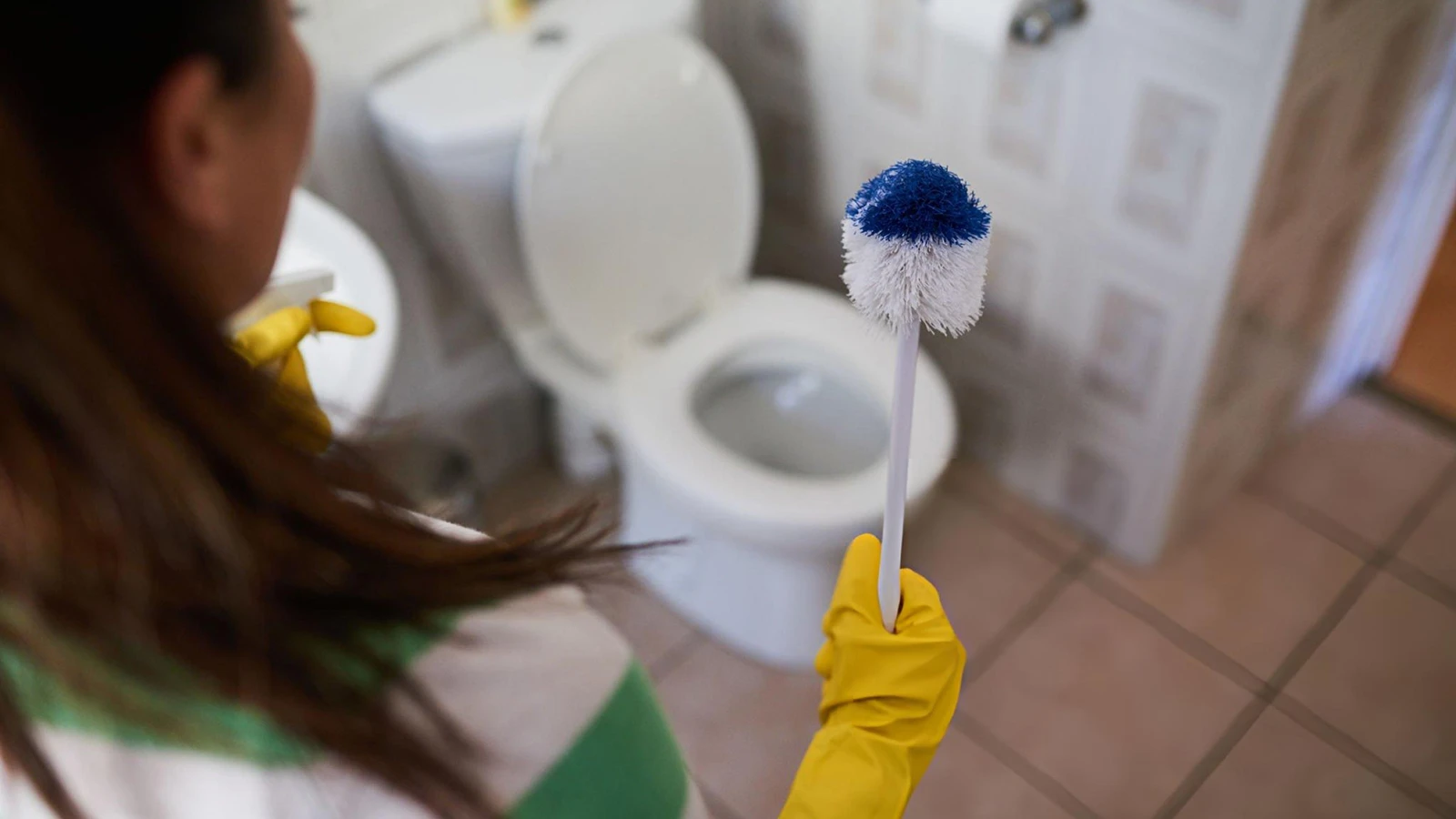
| Toilet brushes (nylon or PP) | 3–6 months | Bristles splay and no longer reach the water line | Bristle deformation, not just hygiene |
| Toilet brushes (silicone or TPR) | 12–24 months | Fins harden, crack or discolour permanently | Material fatigue rather than colonisation |
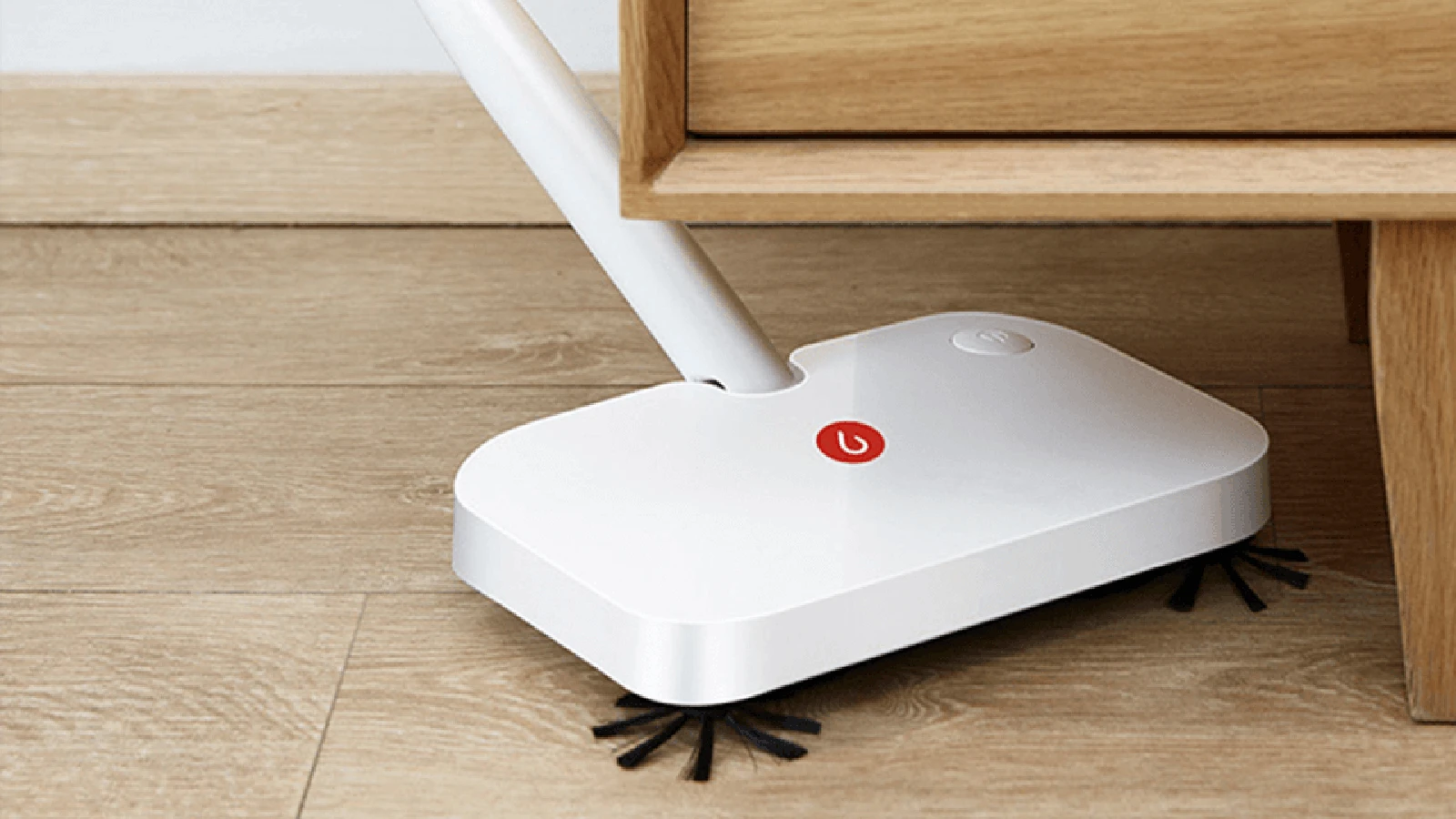
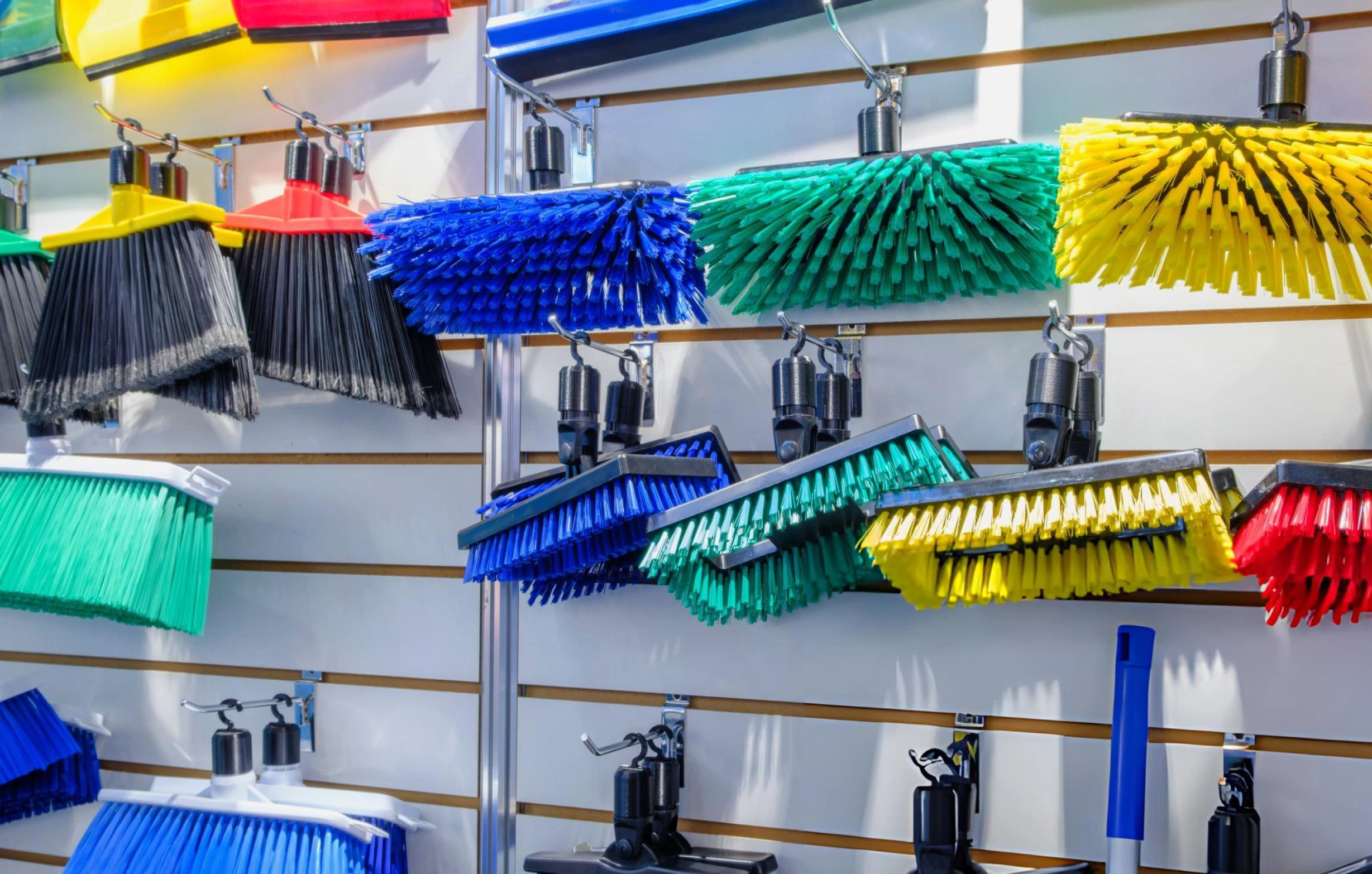
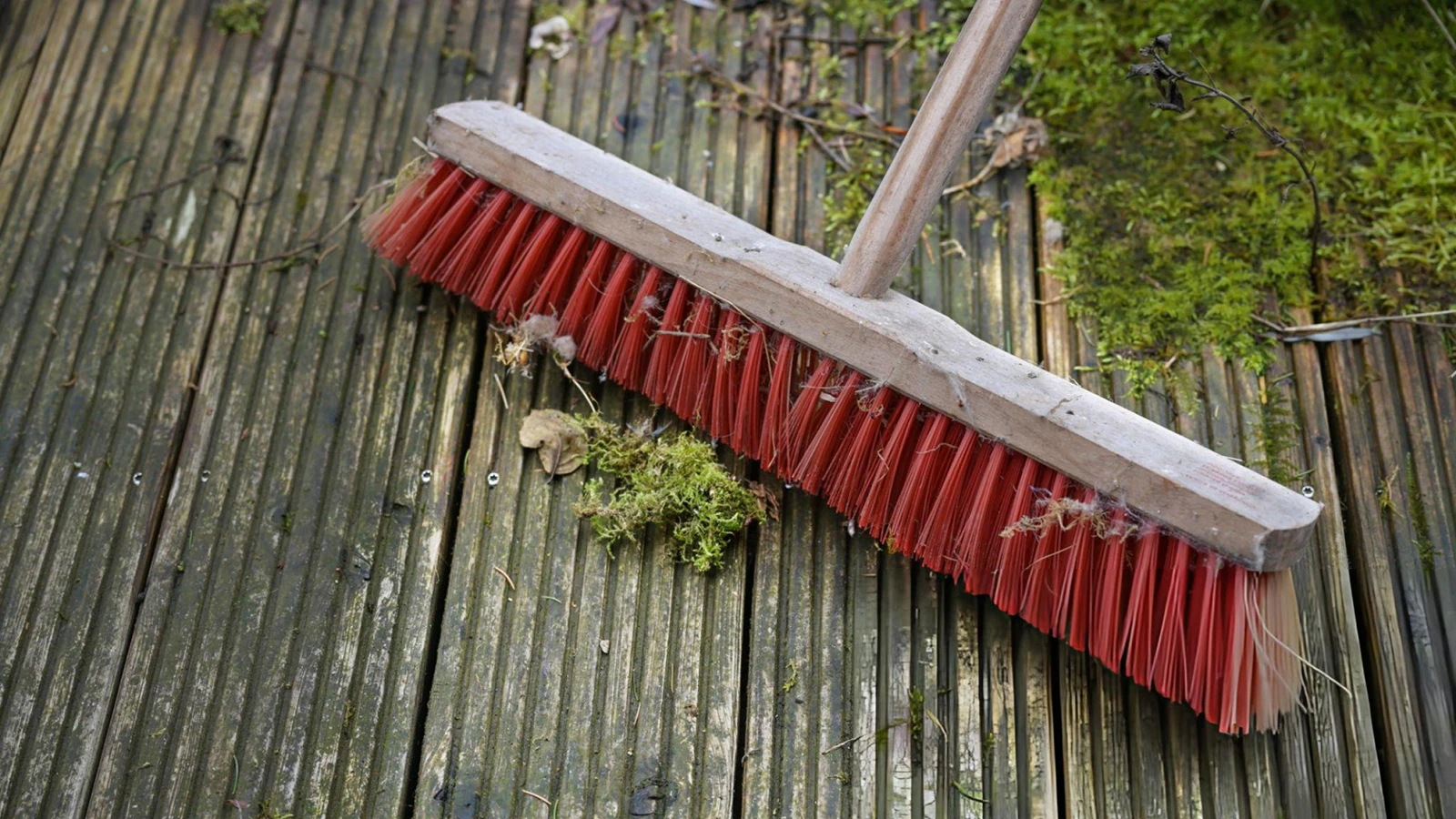
| Floor and deck scrub brushes | 6–12 months | Bristle length drops noticeably at the tips | Mechanical wear from abrasive surfaces |
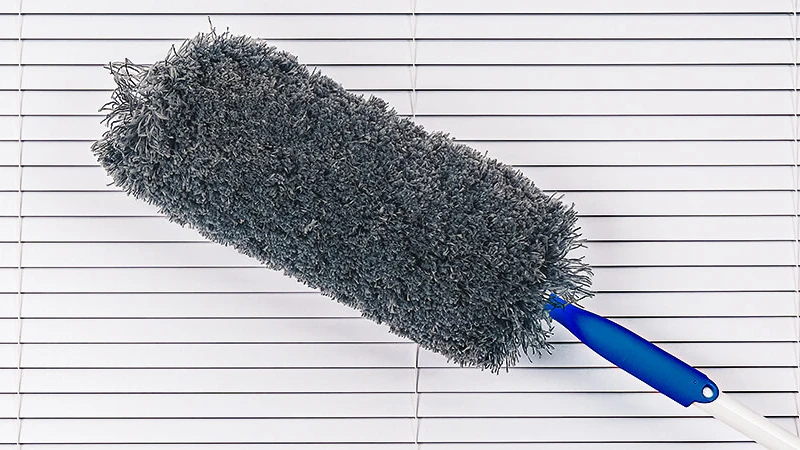
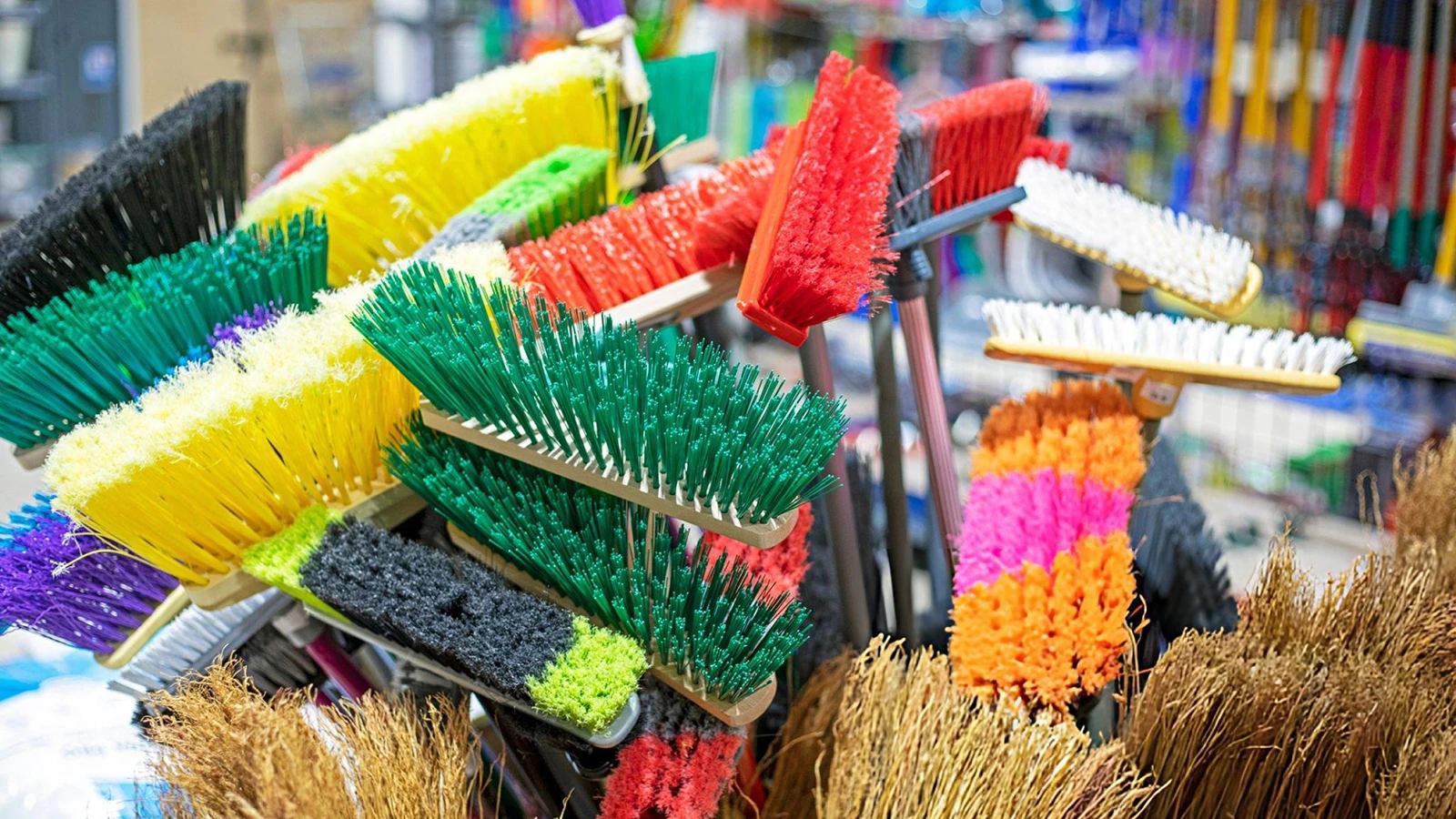
| Brooms and dusters | 12–24 months | Bristles curl, or the head sheds fibres | Loss of sweeping efficiency |
Two of those intervals come straight from published guidance rather than from our own preference. Consumer Reports puts dish brushes at three to four months and bottle brushes at one to two months, on the grounds that bottle brushes are softer and compress faster (Consumer Reports, 2025). Cleaning professionals quoted by ABC News put nylon and plastic toilet brushes at three to six months, and silicone brushes at up to two years, which lines up with the 12 to 24 months we work to (ABC News, 2026). The remaining intervals are the ranges we work to as a manufacturer, and you should shorten them further if the brush is used daily or with bleach.
The Seven Signs a Cleaning Brush Is Finished
Sign 1: The bristles splay and stop reaching the surface
This is the clearest functional signal, and it is the one most people ignore because the brush still looks whole. When tufts fan outward, the tips lift off the surface at the very moment you apply pressure, so the brush polishes rather than scrubs. Consequently, you compensate by pressing harder, which accelerates the splaying and can scratch the surface you are cleaning. Test it by pressing the head flat against a dry surface and looking for daylight between the bristle tips and the surface. In our testing, a nylon head used twice a week in a hard-water bathroom reached this point within three to six months, and the change was obvious once we looked for it. Similarly, a brush used on abrasive grout will reach that point faster than one used on smooth tile. On commercial machine brushes the same wear is measured rather than eyeballed: the trade rule is to replace a brush once the bristles wear down to about 19 mm (three-quarters of an inch), and sooner if they are bent or frayed regardless of length.
Sign 2: A smell that survives washing
Any brush that lives in water will smell faintly of the last thing it cleaned, and that is normal. A problem smell is one that persists after a hot soapy wash and a full dry, because it means the residue has moved into the structure of the head rather than sitting on the surface. Once organic matter is lodged between bristle tufts or inside a foam layer, no amount of rinsing reaches it, and the brush keeps seeding the surface it touches. That is why a persistent smell is a replacement trigger rather than a cleaning challenge. In our experience, brushes that reach this stage rarely recover, and the smell returns within days even after a disinfectant soak. In our experience, a disinfectant soak buys only a few days at this stage.
Sign 3: Discolouration that will not rinse away
Light staining on a well-used brush is cosmetic, but permanent discolouration is a structural warning. When a head stays grey, brown or yellow after washing, the pigment has bonded to the material or moved into pores that should not be there. On a bristle brush, discolouration at the base of the tufts usually means the bristle socket is holding residue. On a silicone head, darkening along the fins suggests mineral or biofilm build-up that the non-porous surface should have prevented. Either way, the brush is no longer the easy-to-rinse tool you bought, and the next cleaning job will spread whatever is left in it across the surface. For instance, a grey shadow along the base of the tufts is residue in the socket rather than surface staining.
Sign 4: Loose, shedding or broken bristles
Shedding is the point at which a brush becomes a liability rather than a tool. Bristles that come away during use end up in the sink, on the floor or in the toilet bowl, and broken stubs leave a hard edge that can scratch a glaze or a non-stick surface. On kitchen brushes, shedding is also a food-safety issue, because a bristle that has been in contact with raw meat can end up in a plate of food. Importantly, shedding usually starts well before the head looks worn out, since the failure happens at the anchor point where the tuft meets the head rather than at the tip. Check by tugging a few tufts gently after washing. We found that the anchor point fails before the tip does, so a brush can shed while still looking perfectly serviceable.
Sign 5: A cracked handle or a loosened joint
Handles fail differently from heads, and the failure is usually invisible until it matters. Plastic handles crack at the point where the head is moulded on, and two-piece handles work loose at the threaded joint, which then collects water and residue every time the brush is used. A cracked handle also means the brush cannot be fully cleaned, because the crack is a channel that no rinse reaches. Once a handle is loose, tightening it usually buys a few weeks rather than a repair. Since the handle is the part you grip, a joint that lets go mid-scrub is also a practical safety problem rather than just a hygiene one. In contrast, a stainless steel handle usually outlasts several heads.
Sign 6: The brush is still wet when you next use it
If the head is damp hours after the last clean, the brush never dries between uses, and that is the single biggest driver of microbial growth on any cleaning tool. A closed holder with no vents, a brush stored flat on a sink, or a mop head left in a bucket all create the same condition. Therefore, this sign is as much about the holder as about the brush. Replace the holder or move the brush to a ventilated position before replacing the head, because a new brush in a wet cup will reach the same state within weeks. In fact, drying is the cheapest hygiene improvement available in any cleaning routine. In addition, a brush left standing in a bucket of dirty water will never dry, no matter how good the holder is.
Sign 7: The brush has cleaned something it should not carry onward
Some events end a brush’s useful life regardless of age. Cleaning up after a stomach illness, scrubbing mould or biofilm, dealing with a pet accident, or clearing a blocked drain all load the head with contamination that ordinary washing is not designed to remove. In these cases, replace the brush rather than trying to disinfect it, and replace the holder if the head sat in it while wet. The same applies to any brush used on a spill involving blood or sewage. Public health guidance draws the line at cleaning for routine household surfaces and disinfection for specific contamination events, and a visibly soiled brush sits on the wrong side of it (CDC, 2025). Notably, this is the one case where the age of the brush is irrelevant to the decision.
Why Cleaning Brushes Get Dirty in the First Place
Cleaning tools collect what they remove, and a wet, warm, nutrient-rich head is close to an ideal growth environment. The evidence is unambiguous. A 2017 study published in Scientific Reports analysed used kitchen sponges and found dense microbial communities, with up to 54 billion bacteria per cubic centimetre and 362 bacterial types (operational taxonomic units, or OTUs) detected, including genera associated with infection in vulnerable people (Cardinale et al., 2017). Notably, the researchers found that routine cleaning methods reduced the visible load without eliminating the resistant fraction, which is why the authors concluded that regular replacement matters more than repeated sanitising. That finding applies directly to brushes, which share the same porous, damp architecture. Specifically, the porous structure that makes a sponge or brush head good at lifting dirt is the same structure that holds moisture and nutrients.
The pattern repeats across tool types. A much earlier study of hospital cleaning found that wet mops stored between uses were the source of widespread bacterial contamination on floors, and that chemical disinfection alone could not clear them (Westwood et al., 1971). The practical response, then, is drying and correct storage rather than a stronger disinfectant. More recently, an NSF International study reported by Consumer Reports found coliform bacteria on 75% of sampled household sponges and rags, and extension services at US universities make the same point about dish brushes and rags that are not washed and dried between uses (Consumer Reports, 2025). Consequently, the replacement calendar above is not about wear alone. It is a hygiene control that happens to coincide with the point at which the tool also stops working well.
A Simple Replacement Schedule
If you would rather not track individual brushes, use a schedule that resets on fixed dates and covers the whole house at once. The advantage is that you never have to judge a borderline brush in the moment.
- Every month: check every brush in the house for splayed bristles, shedding and persistent smells, and retire anything that fails. Bottle brushes run on a shorter one-to-two-month cycle, so treat them as monthly items.
- Every three months: replace dish brushes and kitchen scrub brushes, and wash the holders with them.
- Every six months: replace toilet brushes with bristle heads and any floor brush used on abrasive surfaces.
- Every twelve months: replace silicone toilet brushes, dusters and brooms, or check them and extend by another six months if they are still clean and firm.
- Immediately: replace after illness, mould, pet accidents or any spill involving blood or sewage.
For commercial cleaning, compress each interval by roughly half, because daily use with professional chemicals wears heads faster than household use. In addition, keep a spare head for each station so a failing brush can be swapped during a shift rather than being pressed back into service.
How to Make a Brush Last Longer
Two habits do most of the work. Rinse the head thoroughly after every use and let it dry in open air rather than dropping it straight into a closed holder, because drying is what prevents the build-up that ends a brush early. Once a week, wash the head and the holder in hot soapy water, and use a disinfectant only when the situation calls for it rather than as a routine. Similarly, keep brushes to a single job: a brush that cleans the toilet should not also clean the sink, and a floor brush should not move to a countertop. Cross-use transfers contamination between zones and shortens the life of both tools.

JESUN Silicone Toilet Brush and Holder Set (B8)
PP and TPR head with a matching holder, 36.5×9.8×4.3 cm, 0.25 kg. A set that ships with somewhere to stand the brush, which is the storage half of the drying rule.
Material choice also matters. Silicone and TPR heads resist bleach and acid descalers that degrade nylon, so a household that descales weekly will get more months out of a silicone head despite the higher purchase price. Replacing a head rather than a whole set is the third lever, and it is the one most people forget. Buying a brush with a replaceable head costs slightly more upfront and considerably less over two years. However, brushes used with heavy-duty acid descalers should be rinsed immediately after every use.
الأسئلة الشائعة
How often should I replace a cleaning brush?
Replace dish brushes every three to four months and bottle brushes every one to two months, kitchen scrub brushes every three to six months, bristle toilet brushes every three to six months, silicone toilet brushes every 12 to 24 months, and floor brushes every six to 12 months. Halve those intervals for commercial daily use.
Can I disinfect a brush instead of replacing it?
Disinfection reduces the load but does not reliably eliminate it, because residue and resistant organisms persist inside bristle tufts and foam layers. A hot soapy wash plus a full dry is enough for routine use. For illness, mould or sewage, replace the brush instead of trying to disinfect it.
Is a smelly brush always a sign it needs replacing?
A faint smell of the last cleaning product is normal and disappears after washing. A smell that survives a hot wash and a full dry means residue has moved into the structure of the head, and that brush will keep seeding the surfaces it touches. Replace it.
Does the brush holder affect how long a brush lasts?
Yes, and substantially. A closed, unventilated holder keeps the head wet for hours after each use, which is the main driver of microbial growth and odour. A ventilated or wall-mounted holder lets the brush dry between uses and will extend its usable life more than any change of bristle material.
Should I replace a brush after cleaning up after someone who was sick?
Yes. Illness clean-up, mould removal, pet accidents and spills involving blood or sewage all load a brush with contamination that routine washing is not designed to remove. Replace the brush and wash or replace the holder it was stored in.
Need replacement heads rather than whole sets?
We supply dish, bottle, kitchen, toilet and floor brushes, plus the ventilated holders that keep them dry, with OEM and ODM support and low MOQs.
Request Wholesale Pricing →خاتمة
A cleaning brush does not announce its retirement. It splay, softens, holds a smell and quietly stops scrubbing, while continuing to look like a brush you could use for another year. The seven signs above turn that judgement into a checklist, and the intervals in the table turn it into a calendar. Meanwhile, the storage habit behind all of it is simple: a brush that dries between uses lasts longer, smells better and cleans more effectively than one that lives in a wet cup. Replace on schedule, replace after contamination events, and replace the head rather than the whole set wherever the design allows. That said, none of the schedule above works if the brush never gets a chance to dry between uses.
We build kitchen, bathroom, toilet and floor brushes with ventilated holders across every price band, and we are glad to advise on the right interval for your market and use case.
مراجع
- Cardinale M, Kaiser D, Lueders T, Schnell S, Egert M — “Microbiome analysis and confocal microscopy of used kitchen sponges reveal massive colonization by Acinetobacter, Moraxella and Chryseobacterium species,” Scientific Reports 7:5791, 2017. nature.com/articles/s41598-017-06055-9
- Westwood JCN, Mitchell MA, Legacé S — “Hospital Sanitation: the Massive Bacterial Contamination of the Wet Mop,” Applied Microbiology 21(4):693–697, 1971. journals.asm.org/doi/10.1128/am.21.4.693-697.1971
- ABC News — “How often should you change your toilet brush?” (cleaning professionals quoted on nylon brushes at three to six months and silicone at up to two years). abc.net.au/news/2026-04-04/how-often-should-you-change-your-toilet-brush/106503772
- US Centers for Disease Control and Prevention — “When and How to Clean and Disinfect Your Home.” cdc.gov/hygiene/about/when-and-how-to-clean-and-disinfect-your-home.html
- Consumer Reports — “Household Cleaning Tools: How to Clean and When to Replace.” consumerreports.org/home-garden/cleaning/how-to-clean-and-when-to-replace-household-cleaning-tools
- University of Illinois Extension — “A guide to keeping your sponges, dish rags and scrub brushes clean.” extension.illinois.edu/blogs/simply-nutritious-quick-and-delicious
This guide was written by the JESUN Cleaning Tools Team and reviewed by our product engineering group. You can read more about us أو contact our team with questions about brush materials and replacement intervals.
Continue Learning
- How to Clean a Mop — the same drying rules, applied to mop heads.
- How to Clean a Duster — keeping fibre heads free of the dust they collect.
- كيفية تنظيف وصيانة المكنسة الكهربائية — filters, belts and the parts that wear first.
- Brush catalog — kitchen, bathroom, toilet and floor brushes across every price band.


 Arabic
 English
 Spanish
 Russian