
باختصار شديد
- تدوم شفرات السيليكون لفترة أطول، وتقاوم الحرارة والرطوبة، وتنتج خطوطًا أقل بمرور الوقت - مما يجعلها الخيار الأفضل للاستحمام والسيارات والأسطح المستخدمة يوميًا.
- توفر الشفرات المطاطية حافة أكثر صلابة وتحكمًا أدق في الماء على الزجاج المسطح - وهو ما يفضله عمال تنظيف النوافذ المحترفون الذين يستبدلون الشفرات بانتظام.
- عادةً ما تتراوح صلابة السيليكون بين 40-60 شور أ (أكثر ليونة ومرونة)؛ بينما تتراوح صلابة المطاط بين 55-75 شور أ (أكثر صلابة ودقة).
- نادراً ما تكون مشكلة التلطخ مشكلة مادية عندما تكون الشفرات جديدة؛ تصبح مشكلة مادية عندما يجف المطاط أو يتشقق أو يتصلب بشكل أسرع من السيليكون.
- للحصول على تنظيف سهل، اختر السيليكون. وللحصول على دقة قصوى في حواف الزجاج المسطح، اختر المطاط وخطط لاستبداله بشكل متكرر.
تقارن هذه المقالة بين شفرات الممسحة المصنوعة من السيليكون والمطاط من حيث المتانة، والقدرة على إزالة الخطوط، والمرونة، والملمس. وهي موجهة لأصحاب المنازل، ومحترفي التنظيف، والمشترين الذين يبحثون عن ممسحة للنوافذ، أو الحمامات، أو السيارات، أو الأرضيات. استخدم جدول المقارنة، ودليل اتخاذ القرار، وتوصيات السيناريوهات أدناه لاختيار مادة الشفرة المناسبة لسطحك.
ما هي الممسحة المصنوعة من السيليكون وما هي الممسحة المصنوعة من المطاط؟
تختلف مساحات السيليكون والمطاط في تركيب المواد، مما يحدد بشكل مباشر ملمسها، ومدة صلاحيتها، والأسطح التي تنظفها بشكل أفضل.
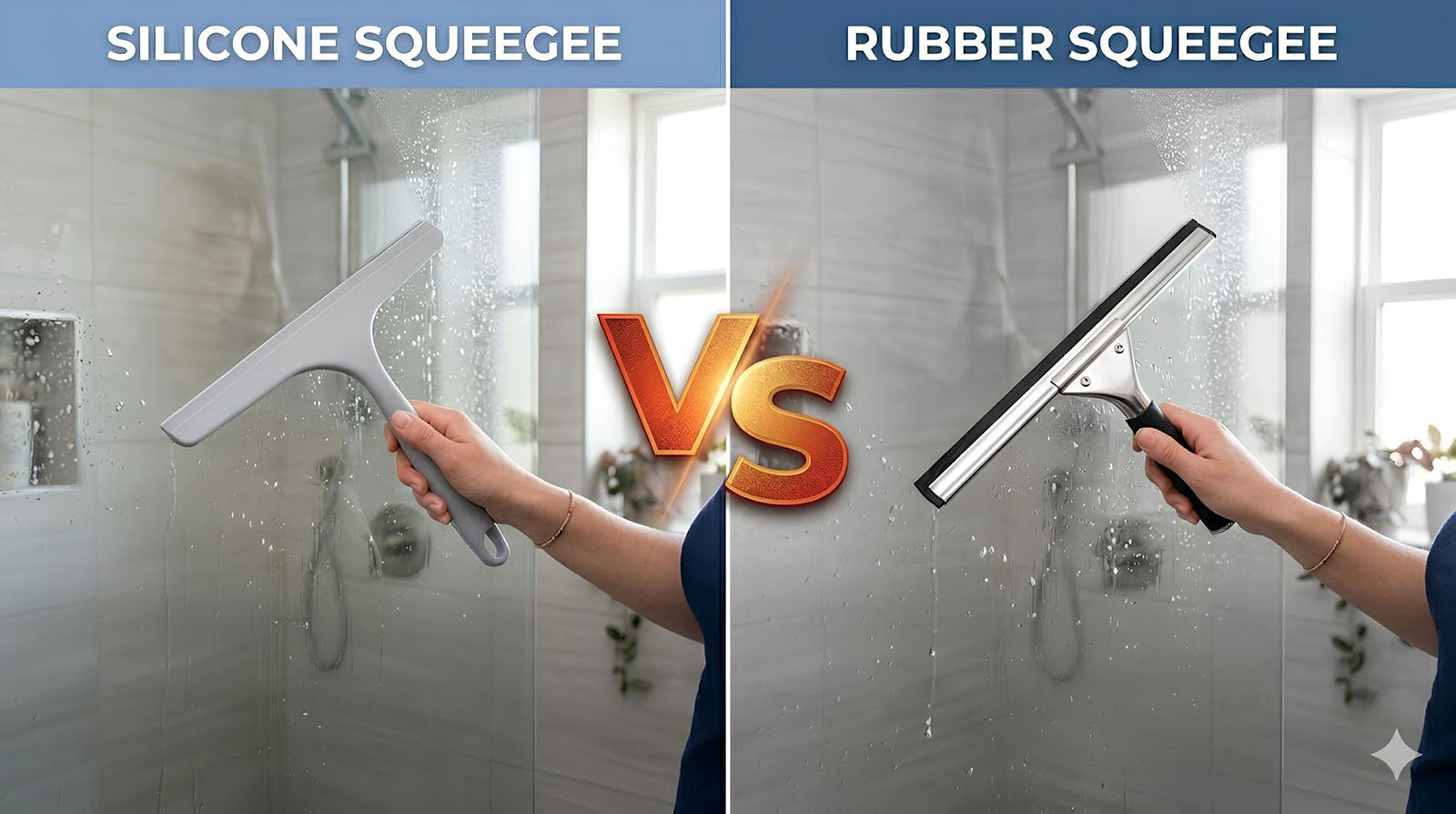
أ ممسحة سيليكون تستخدم شفرات مصنوعة من بوليمر صناعي مقاوم للحرارة والأشعة فوق البنفسجية والرطوبة. تتميز شفرات السيليكون بنعومتها ومرونتها، وتتلاءم بسهولة مع الأسطح المنحنية، مما يزيل الماء بأقل قدر من الخطوط. ولأن السيليكون لا يجف أو يتشوه بسهولة، فإنه يُستخدم على نطاق واسع في مساحات الدش، وشفرات تنظيف السيارات، والأدوات المنزلية متعددة الاستخدامات. بالنسبة لأبواب الدش الزجاجية تحديدًا، توفر مساحات السيليكون انزلاقًا فائقًا؛ إذ تتحمل المادة المرنة الحرارة والرطوبة دون تلف، وتجمع الماء والتكثيف بسهولة دون ترك أي خطوط، حتى مع الاستخدام المتكرر.
أ ممسحة مطاطية تستخدم شفرات مطاطية طبيعية أو صناعية تتميز بصلابتها وحافتها الحادة. المطاط متين وصلب، مما يجعله مثاليًا للأسطح الملساء والمسطحة كالزجاج. غالبًا ما يفضل عمال تنظيف النوافذ المحترفون المطاط لأن حافته الصلبة توفر تحكمًا أدق أثناء كل مسحة. مع ذلك، بمرور الوقت، وخاصة مع الشفرات المطاطية، قد تبدأ الحواف بالاهتراء أو تفقد مرونتها، مما يستدعي استبدالها بشكل متكرر.
شفرات المسح المصنوعة من السيليكون مقابل المطاط: الاختلافات الرئيسية
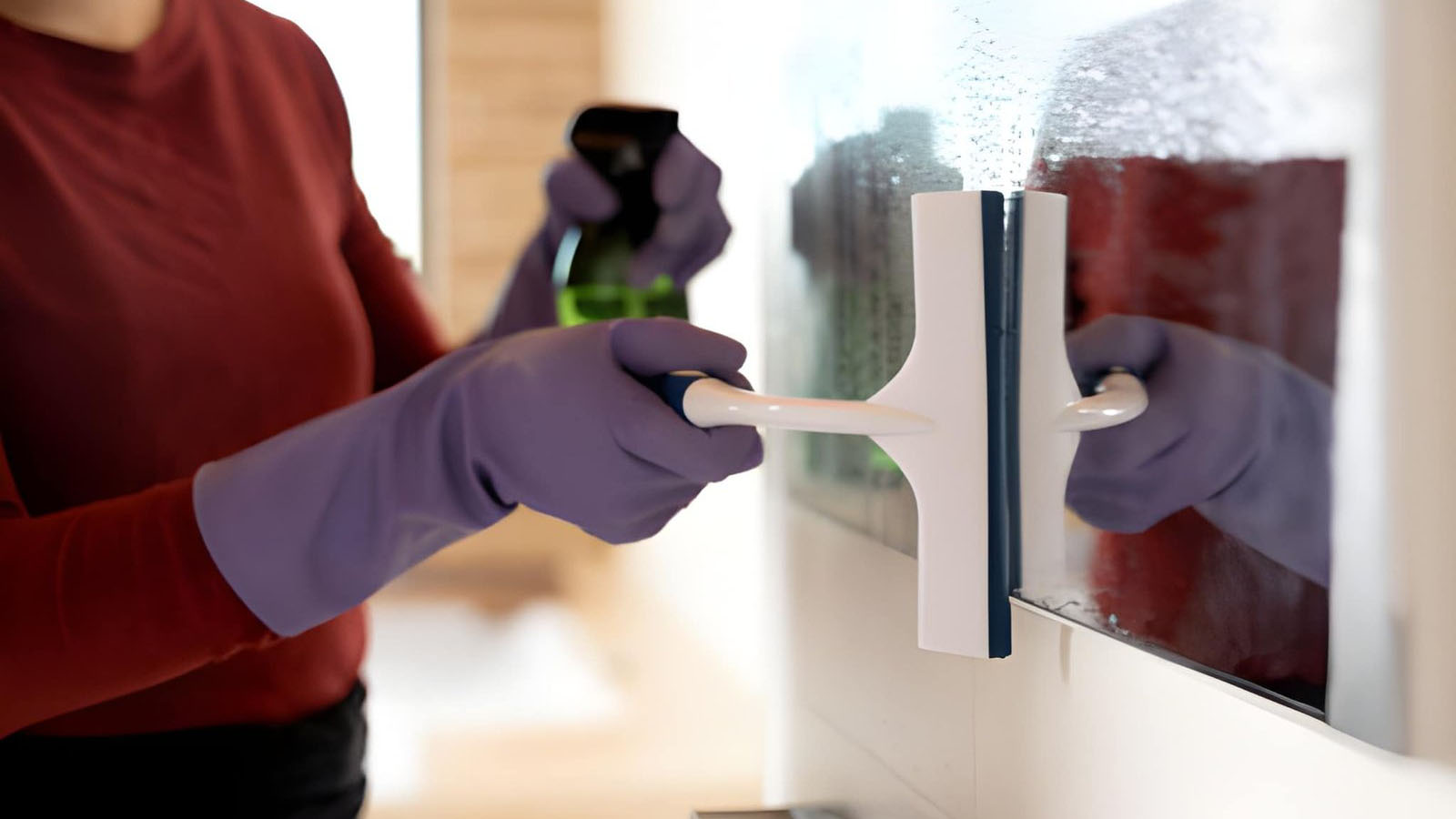
كلا المادتين فعالتان في التنظيف، لكن لكل منهما مزاياها في ظروف مختلفة. السيليكون هو الخيار الأفضل على المدى الطويل، فهو لا يحتاج إلى صيانة كثيرة؛ أما المطاط فهو الخيار الأمثل لتنظيف الزجاج المسطح بدقة عالية - عندما يكون نظيفًا.
جدول مقارنة: شفرات الممسحة المصنوعة من السيليكون مقابل المطاط
| ميزة | ممسحة سيليكون | ممسحة مطاطية |
| متانة | مقاومة عالية للحرارة والأشعة فوق البنفسجية والرطوبة | متوسط — يتلف بسرعة أكبر في الشمس والهواء الجاف |
| التعري | انخفاض في الجودة مع مرور الوقت؛ تبقى الحافة ناعمة لفترة أطول | منخفضة عند كونها جديدة؛ تزداد مع جفاف الحواف أو تشققها |
| المرونة | مرتفع (40-60 شور أ) | متوسط (55-75 شور أ) |
| الشعور / الانزلاق | سلس وهادئ | سحب قوي ومتحكم فيه |
| تردد الاستبدال | أقل تكرارًا | أكثر تواترا |
| أفضل الأسطح | دُش، سيارات، بلاط، زجاج منحني | نوافذ مسطحة، أرضيات |
أي مادة تنتج خطوطاً أقل؟
عندما تكون الشفرتان جديدتين، يكون الفرق في الخطوط الناتجة ضئيلاً. يظهر هذا الفرق تدريجيًا مع مرور الوقت: يحافظ السيليكون على حافة ناعمة ومتناسقة لفترة أطول، لذا يتراجع أداء إزالة الخطوط ببطء. قد تجف الحواف المطاطية أو تتشقق أو تتصلب، وكل ذلك يُسبب خطوطًا. إذا كانت ممسحة الزجاج تترك خطوطًا أو لطخات أو بقع ماء، فقد يكون ذلك دليلاً على أن الشفرة مهترئة أو تالفة؛ فالشفرة الحادة والنظيفة ضرورية للحصول على سطح أملس خالٍ من الخطوط.
ماذا يعني مقياس الصلابة (الديورومتر) لشفرات الممسحة؟
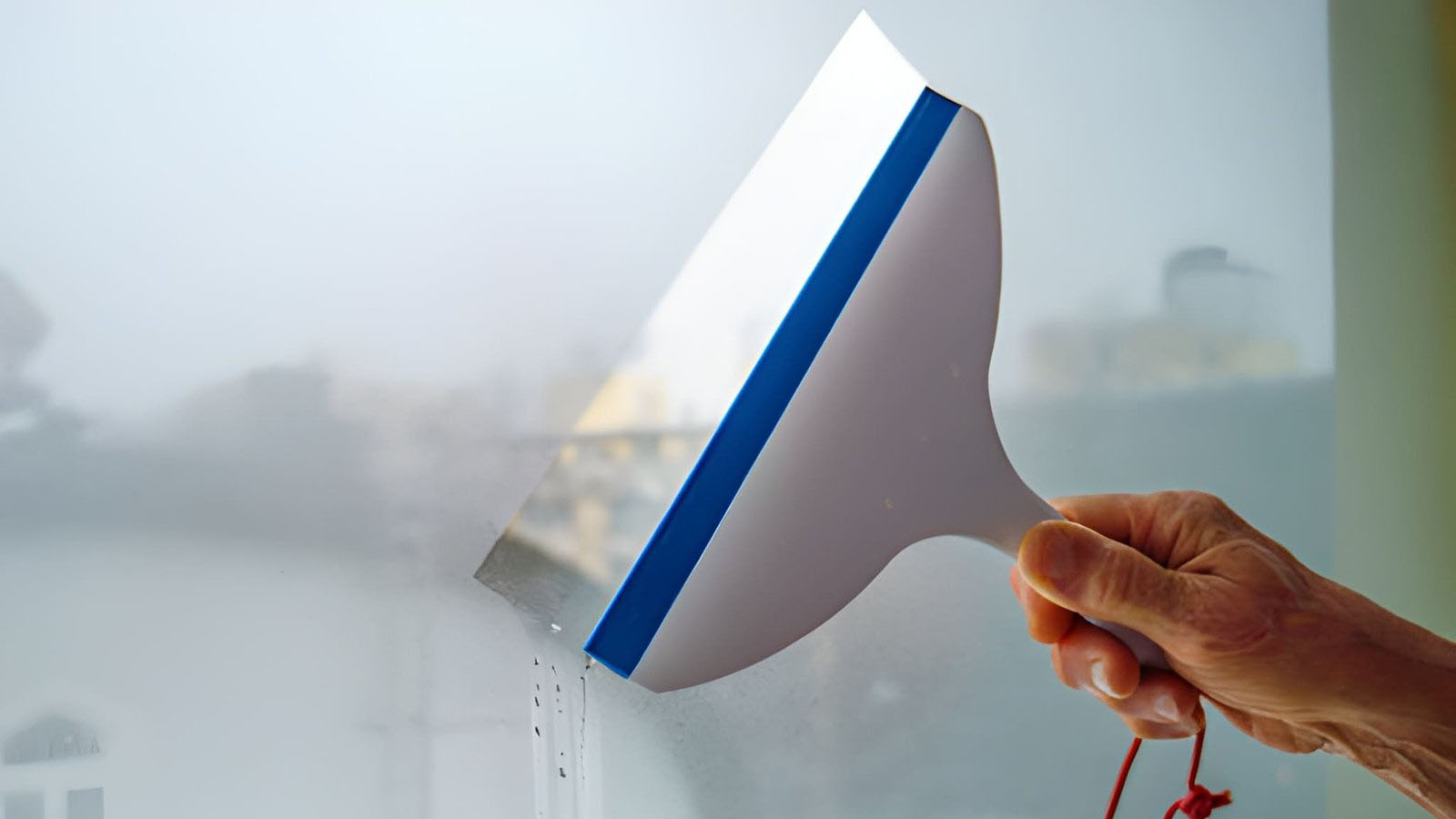
مقياس الصلابة، الذي تم قياسه على مقياس شور أيخبرك بمدى صلابة أو ليونة الشفرة - ويؤثر ذلك بشكل مباشر على المرونة والانزلاق والتحكم في الحافة.
تُقاس صلابة الممسحة المطاطية بجهاز قياس الصلابة (دورومتر)؛ حيث يشير ارتفاع قيمة الصلابة إلى صلابة أكبر للشفرة. أما بالنسبة لتنظيف الممسحات المطاطية، فإن النطاقات ذات الصلة هي:
- 40-60 شور أ (نطاق السيليكون): أكثر نعومة، وأكثر مرونة، وينزلق بسهولة فوق الأسطح المنحنية أو الخشنة.
- 55–75 شور أ (نطاق المطاط): أكثر صلابة، ويحافظ على حافة أكثر حدة، ويوفر مزيدًا من التحكم على الزجاج المسطح.
تتميز الشفرات ذات الصلابة المنخفضة بقدرتها على التكيف بشكل أفضل مع الأسطح غير المستوية، مثل فواصل البلاط أو زجاج الدش المنحني. أما الشفرات ذات الصلابة العالية، فتحافظ على شكلها تحت الضغط، ولذلك يفضل عمال تنظيف النوافذ المحترفون الذين يعملون على الزجاج المسطح استخدام المطاط الأكثر صلابة. إذا كنت ترغب في سحب أكثر سلاسة وبجهد أقل، فاختر خيار السيليكون ذي الصلابة المنخفضة. أما إذا كنت بحاجة إلى تحكم دقيق في الحواف ولا تمانع في استبدال الشفرات بشكل متكرر، فإن المطاط ذو الصلابة العالية هو الخيار الأمثل.
كيفية اختيار أفضل مادة لشفرة الممسحة
لا تبالغ في التفكير. اختر مادة الشفرة المناسبة لسطحك، وعدد مرات التنظيف، ومدى تحمل الصيانة.
الخطوة الأولى: حدد سطحك الأساسي. النوافذ الزجاجية المسطحة ← المطاط هو الأفضل. زجاج وبلاط الحمامات ← السيليكون أسهل على المدى الطويل. هيكل السيارة والزجاج الأمامي ← السيليكون ينزلق بشكل أفضل على المنحنيات. الأرضيات ← المطاط يدفع الماء بقوة أكبر.
الخطوة الثانية: فكّر في عدد مرات التنظيف. يُفضّل استخدام السيليكون بشكل يومي أو متكرر، فهو يدوم لفترة أطول مع الاستخدام المتكرر. أما الاستخدام المتقطع فيجعل المطاط خيارًا مناسبًا، لأنه لا يتلف بسرعة بين الجلسات.
الخطوة 3: حدد مدى التفاوت المسموح به في الاستبدال. إذا كنت ترغب في شفرة لا تحتاج إلى صيانة كثيرة ولا تفكر بها إلا نادرًا، فاختر السيليكون. أما إذا كنت تفضل حافة حادة كشفرة الحلاقة ولا تمانع في تغيير الشفرات كل بضعة أسابيع، فإن المطاط يوفر دقة أفضل على المدى القصير.
الخطوة الرابعة: مراعاة البيئة. تُسرّع الظروف الحارة والرطبة والمشمسة من تدهور المطاط. يتلف المطاط تحت أشعة الشمس وفي الهواء الجاف. أما السيليكون فيتحمل هذه الظروف دون أن يفقد شكله أو مرونته.
الخطوة الخامسة: قارن التكلفة الإجمالية. شفرات السيليكون أغلى ثمناً، لكنها تتميز بمتانة أكبر مقارنةً بالمطاط؛ فهي أكثر مقاومة للتآكل، وتدوم لفترة أطول، وأقل ضجيجاً أثناء التنظيف. أما شفرات المطاط، فهي أقل تكلفةً للشفرة الواحدة، لكنها تتطلب استبدالاً متكرراً، مما قد يجعلها أغلى ثمناً على المدى الطويل.
أفضل شفرة ممسحة حسب سيناريو التنظيف
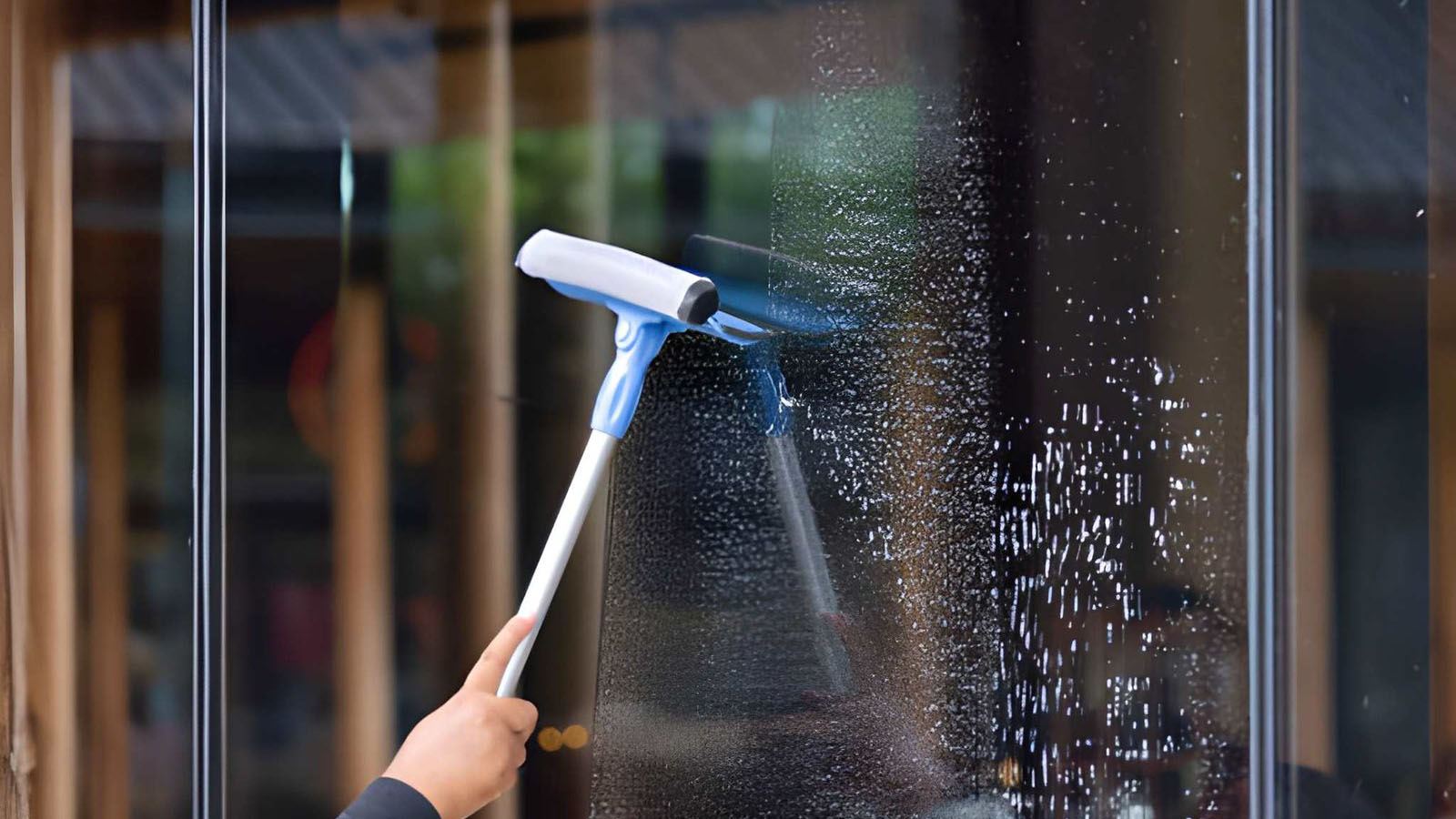
أبواب الاستحمام في حمام مزدحم: السيليكون. يبقى مرنًا في الهواء الرطب والدافئ، ويتحمل المسح اليومي دون أن يتلف. كما أنه يساعد على منع ظهور علامات الماء وتراكم بقايا الصابون.
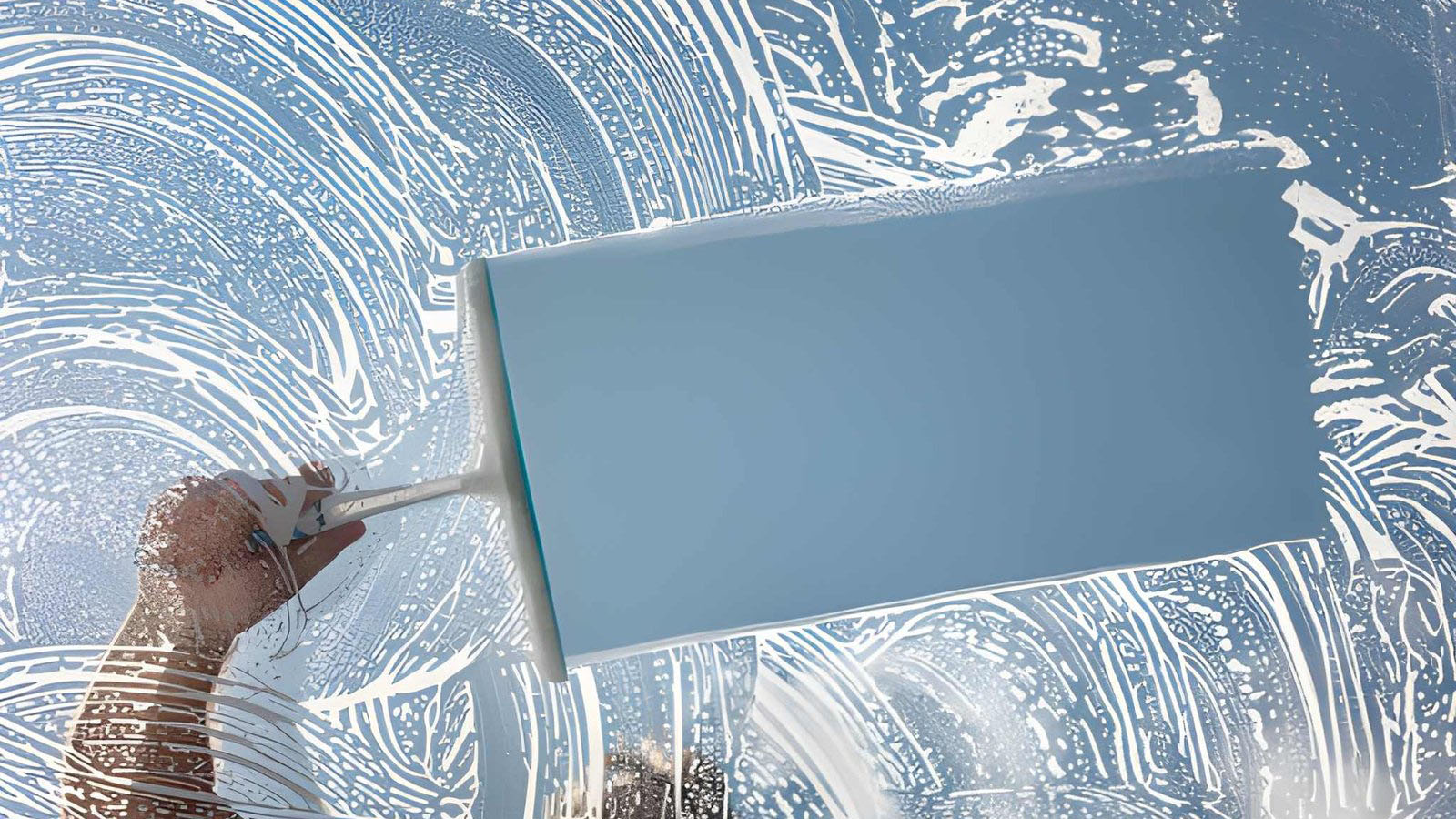
تنظيف النوافذ المسطحة (تنظيف احترافي أو دقيق): مطاط. توفر الحافة المطاطية الجديدة سحبًا نظيفًا ومحكمًا مع تحكم مثالي في الماء على الزجاج المسطح. استبدل الشفرة عند ظهور خطوط. لمزيد من الإرشادات التقنية، دليل تنظيف النوافذ من This Old House يقدم شرحاً مفيداً.
زجاج السيارة الأمامي وألواح الهيكل: السيليكون. يتكيف مع المنحنيات، وينزلق بسلاسة دون أن يعلق، ويتحمل تقلبات درجات الحرارة الناتجة عن التعرض لأشعة الشمس. ملاحظة: تأكد دائمًا من خلو السطح من أي شوائب قبل استخدام أي أداة مسح على طلاء السيارات لتجنب الخدوش.
تنظيف أرضية المرآب أو ورشة العمل: ممسحة أرضية مطاطية أعرض. تعمل الشفرة الأكثر صلابة على دفع المياه الراكدة والحطام الخفيف بكفاءة على الأسطح الخرسانية أو البلاطية المستوية.
كيفية منع وإصلاح آثار شفرة الممسحة
تنتج الخطوط دائمًا تقريبًا عن حافة متسخة أو حافة بالية أو تقنية غير صحيحة - وليس عن مادة الشفرة نفسها.
نظف الشفرة بين كل تمريرة وأخرى. امسح شفرة الممسحة بقطعة قماش خالية من الوبر بعد كل تمريرة لمنع ظهور الخطوط. وتُعد جزيئات الحصى الصغيرة أو البقايا التي يتم سحبها تحت الشفرة السبب الأكثر شيوعًا لظهور الخطوط.
حافظ على الزاوية الصحيحة. احرص على أن تكون الزاوية بين الشفرة والسطح من 30 إلى 45 درجة. فالزاوية المنخفضة جدًا تُلطخ الماء بدلًا من جمعه، بينما الزاوية الحادة جدًا تجعل الشفرة تنزلق.
استبدل الشفرة البالية على الفور. إذا كان المطاط أو السيليكون الموجود على الشفرة متصدعًا أو ممزقًا أو به خدوش، فلن ينزلق بسلاسة على السطح. تُعد الحافة البالية أحد أكثر أسباب ظهور الخطوط المستمرة شيوعًا وأسهلها إصلاحًا. بالنسبة للمطاط المستخدم في تنظيف النوافذ الاحترافي، دليل مجلة American Window Cleaner لأدوات تنظيف النوافذ المطاطية يوفر معلومات إضافية حول أنواع الشفرات وعمرها الافتراضي.
متى وكيف يتم استبدال شفرة الممسحة
يمكن استبدال شفرات السيليكون والمطاط على حد سواء. العملية واحدة: أزل الشفرة القديمة من مكانها، وأدخل الشفرة الجديدة بشكل مستقيم ومتساوٍ، ثم اختبرها على سطح مستوٍ. إذا كانت الشفرة مائلة ولو قليلاً، فستلاحظ وجود خطوط فوراً.
علامات تدل على أن الوقت قد حان للاستبدال:
تبدو حافة الشفرة جافة، أو بها خدوش، أو متعرجة، أو غير متساوية. تظهر الخطوط حتى بعد مسح الشفرة جيدًا. لقد تصلبت الشفرة ولم تعد مرنة عند الضغط عليها. الشفرات الحادة أو الجديدة تقلل من ظهور الخطوط على الزجاج؛ القاعدة العامة هي تغييرها بعد 15 ساعة من الاستخدام (أو قبل ذلك إذا لزم الأمر). تدوم شفرات السيليكون عادةً لفترة أطول بكثير من شفرات المطاط قبل الوصول إلى هذه المرحلة.
إذا كنت بائع تجزئة أو موزعًا وتبحث عن شفرات بديلة أو مساحات زجاج بالجملة تقدم شركة جيسون، بكميات كبيرة، خيارات شفرات من السيليكون والمطاط مع إمكانية التخصيص حسب الطلب. تصفح مجموعتنا الكاملة من ممسحات النوافذ و مواد التنظيف للحصول على أسعار الجملة.
التعليمات
هل الممسحة المصنوعة من السيليكون أم المطاط أفضل لزجاج الدش؟
يُعدّ السيليكون خيارًا أفضل لزجاج الدش في معظم الحالات. وبالنسبة لأبواب الدش الزجاجية تحديدًا، توفر ماسحات السيليكون انزلاقًا ممتازًا؛ إذ تتحمل هذه المادة المرنة الحرارة والرطوبة دون أن تتلف، كما أنها تجمع الماء والتكثيف بسهولة من الزجاج دون ترك أي آثار أو خدوش، حتى مع الاستخدام المتكرر.
كم مرة يجب عليّ استبدال شفرة الممسحة؟
يعتمد ذلك على مدى تكرار استخدامك ونوع مادة الشفرة. مع الاستخدام اليومي، قد تحتاج الشفرات المطاطية إلى الاستبدال كل بضعة أسابيع؛ أما الشفرات المصنوعة من السيليكون فقد تدوم لعدة أشهر أو أكثر. يختلف معدل استبدال شفرات الممسحة المطاطية بناءً على الاستخدام والتآكل؛ وكقاعدة عامة، يُنصح باستبدالها كل 3 إلى 6 أشهر للاستخدام المعتدل.
هل يمكنني استخدام ممسحة سيليكون على طلاء السيارة؟
نعم، ولكن بحذر. من المحتمل أن تكون أداة المسح المصنوعة من السيليكون لطيفة بما يكفي لعدم إتلاف السطح، ولكن عليك توخي الحذر الشديد لأن مجرد وجود ذرة غبار أو شوائب على السطح وتعلقها في أداة المسح قد يُسبب ضررًا كبيرًا. احرص دائمًا على شطف السطح أولًا لإزالة أي جزيئات عالقة.
ماذا تعني كلمة Shore A على شفرة الممسحة؟
يُعدّ مقياس شور A المقياس القياسي لقياس صلابة شفرات الممسحة. تُقاس صلابة شفرة الممسحة بوحدة شور؛ ويشير هذا الرقم إلى صلابة المطاط الموجود في الشفرة، والتي سُميت نسبةً إلى مخترعها، ألبرت فرديناند شور. عند تنظيف الممسحات، تعني أرقام شور A المنخفضة (40-60) نعومةً ومرونةً أكبر، بينما تعني الأرقام المرتفعة (55-75) صلابةً ودقةً أكبر.
اختر الشفرة المناسبة لعملك
شركة جيسون هي شركة صينية متخصصة في تصنيع مساحات عالية الجودة، وتقدم حلولاً من السيليكون والمطاط منذ عام 1986. وتفتخر جيسون بامتلاكها 8 مصانع إنتاج في الصين ومصنع واحد في الخارج في كمبوديا، مع إنتاجية لا مثيل لها في هذه الصناعة.اتصل بجيسون للطلبات بالجملة، وخدمات تصنيع المعدات الأصلية/تصميم المعدات الأصلية، وتخصيص المنتجات.


 Arabic
  English
  Spanish
  Russian