
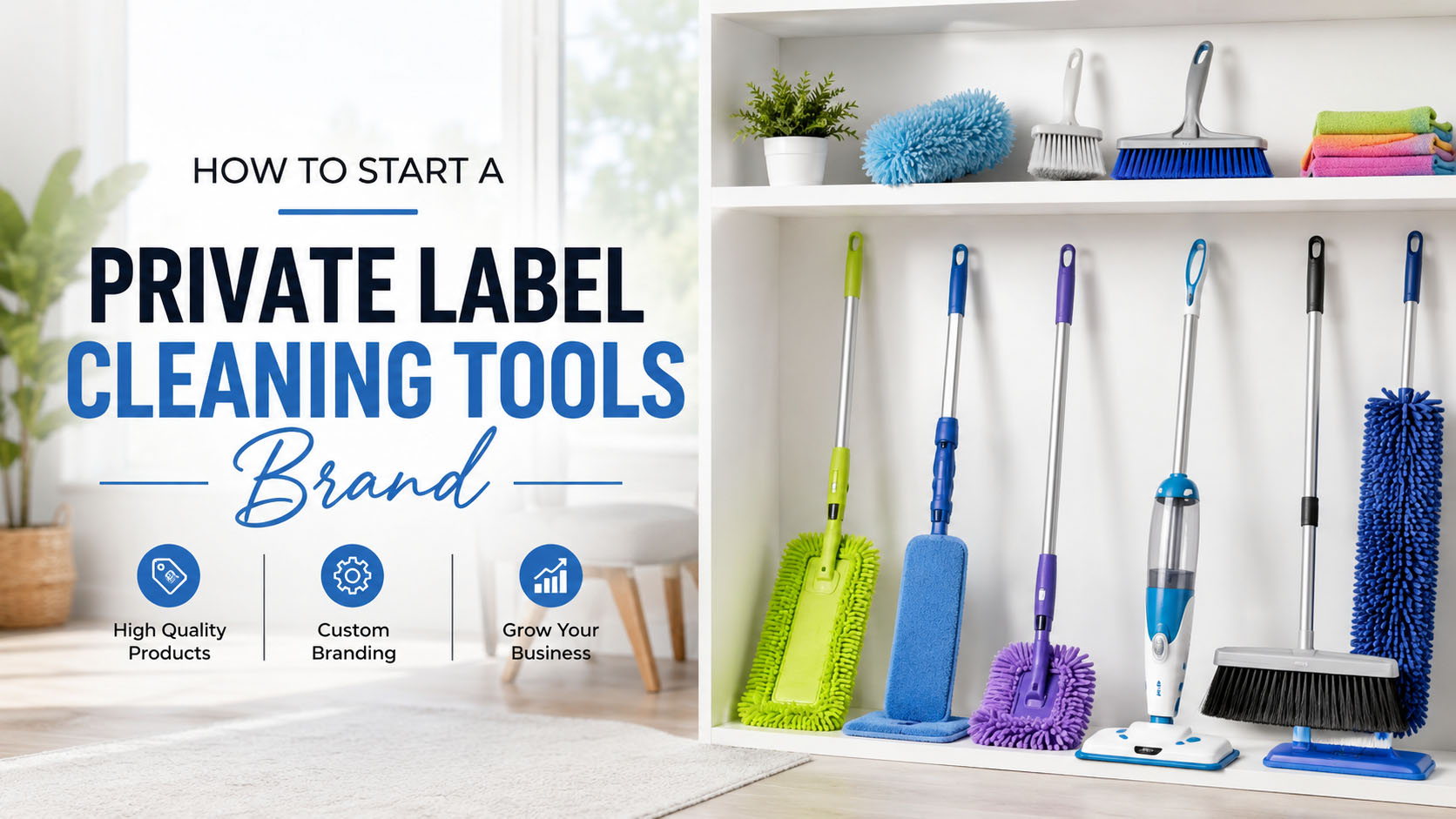
Los productos de limpieza de marca blanca permiten a las empresas vender productos de marca sin necesidad de tener una fábrica propia, asociándose con un fabricante que se encarga de la producción y el envasado.
Desde la búsqueda de productos hasta su lanzamiento al mercado, esta guía describe el proceso práctico para crear una marca de productos de limpieza de marca propia.
Introducción
Una mayor concienciación sobre los hábitos de limpieza ha provocado un aumento en la demanda de herramientas de limpieza de marca propia. Cosas como fregonas, pinceles, y plumeros El sector sigue creciendo tanto en el comercio minorista como en el comercio electrónico. Los minoristas y distribuidores pueden vender sus propios productos de limpieza de marca propia en colaboración con los fabricantes. Asociarse con un fabricante permite a las empresas lanzar rápidamente sus propios productos de limpieza de marca propia sin necesidad de tener una fábrica propia.
Crea tu propia marca de herramientas de limpieza. Comprende el abastecimiento, la creación de marca y la selección de productos para simplificar el proceso.
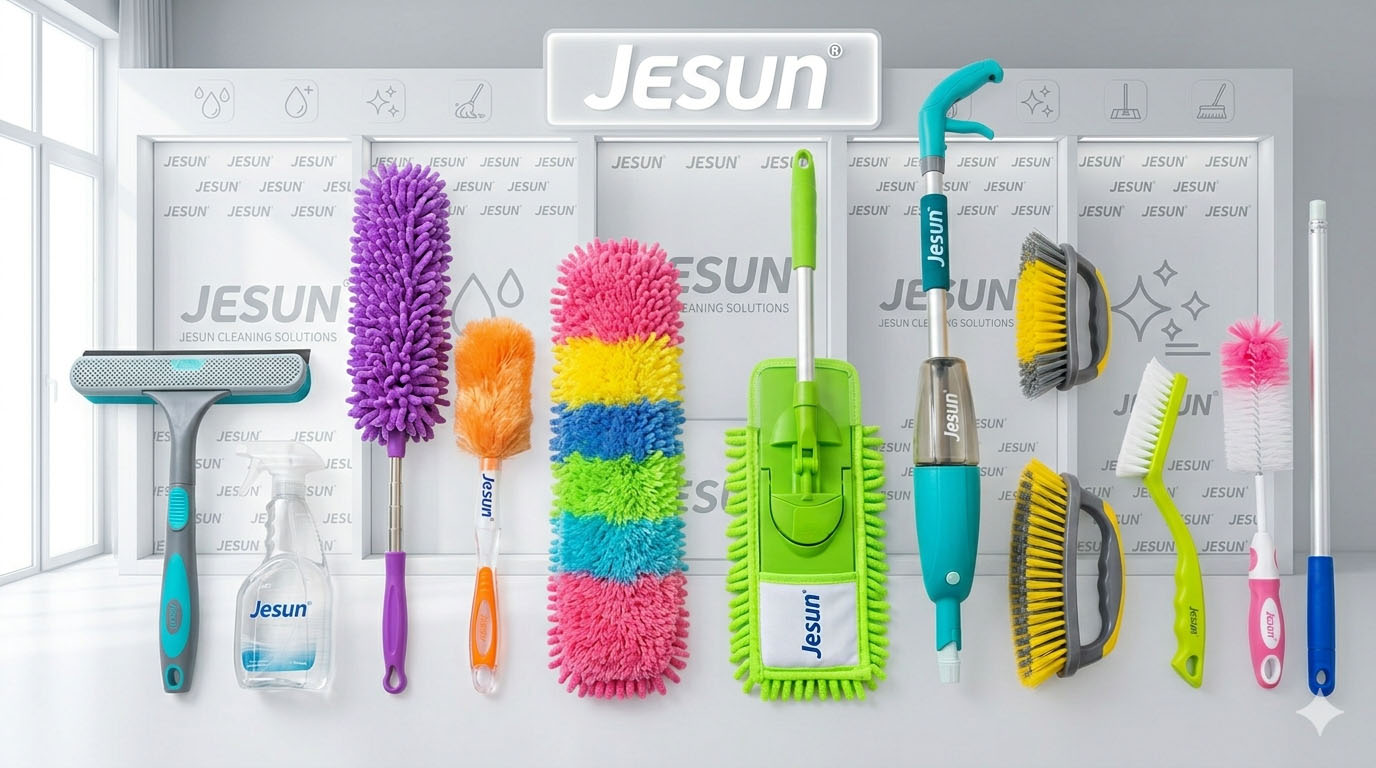
¿Qué es la fabricación de herramientas de limpieza de marca blanca?
La fabricación de productos de limpieza de marca blanca consiste en que una empresa venda productos de limpieza bajo su propia marca. Un fabricante especializado produce los productos, y los minoristas, distribuidores y empresas de comercio electrónico se asocian con dicho fabricante para lanzar productos de marca sin necesidad de poseer una fábrica propia.
El fabricante es responsable de la producción, el control de calidad y el suministro a granel, mientras que el propietario de la marca se centra en la imagen de marca, el empaquetado y los canales de venta. Muchas empresas utilizan esta estructura para lanzar una marca propia de productos de limpieza con una menor inversión y una entrada inmediata al mercado.
Marca privada vs. OEM vs. marca blanca: ¿Qué modelo se adapta mejor a su negocio?
Los diferentes modelos de fabricación ofrecen distintos niveles de personalización y control.
| Modelo | Nivel de personalización | Caso de uso típico | Propiedad de la marca |
| Marca blanca | Personalización moderada (logotipo, embalaje, pequeños cambios de diseño). | Minoristas y distribuidores lanzan herramientas de limpieza de marca propia. | La marca es propiedad del comprador. |
| Fabricante de equipos originales (OEM) | Alto nivel de personalización y control del diseño del producto. | Marcas consolidadas que desarrollan productos únicos | Marca propiedad del comprador |
| Etiqueta blanca | Personalización mínima, producto genérico vendido a múltiples marcas. | Lanzamientos rápidos de productos con muy poco esfuerzo de desarrollo. | La marca es propiedad del comprador, pero el producto es idéntico en todas las marcas. |
Para la mayoría de los distribuidores y minoristas que se adentran en el mercado de la limpieza, las herramientas de limpieza de marca propia ofrecen el mejor equilibrio entre personalización, coste y rapidez.
Cómo iniciar una marca de productos de limpieza de marca propia paso a paso
Si una empresa quiere lanzar una marca de productos de limpieza de marca propia con bajo riesgo de fabricación y un gran potencial de éxito, es fundamental seguir una estrategia detallada de abastecimiento de productos.
Paso 1: Identifique su mercado y la dirección de su producto.
El primer paso consiste en identificar a los compradores potenciales, como minoristas, vendedores en línea o distribuidores de productos de limpieza. El análisis de la competencia también ayuda a identificar los productos de limpieza con mayor demanda, como fregonas y productos de microfibra.
Paso 2: Elija el fabricante adecuado de herramientas de limpieza de marca propia.
Elegir al fabricante adecuado de herramientas de limpieza de marca propia influye directamente en la calidad del producto, el precio y la estabilidad de la marca a largo plazo. Una empresa que mantiene una sólida relación con su proveedor siempre es rentable y está en crecimiento.
Criterios de evaluación: qué buscar en un fabricante.
El mejor fabricante de herramientas de limpieza de marca blanca debe contar con capacidad de producción y ofrecer opciones de personalización. Un control de calidad fiable y una producción escalable son igualmente importantes, ya que de lo contrario será difícil para la empresa garantizar una calidad constante del producto.
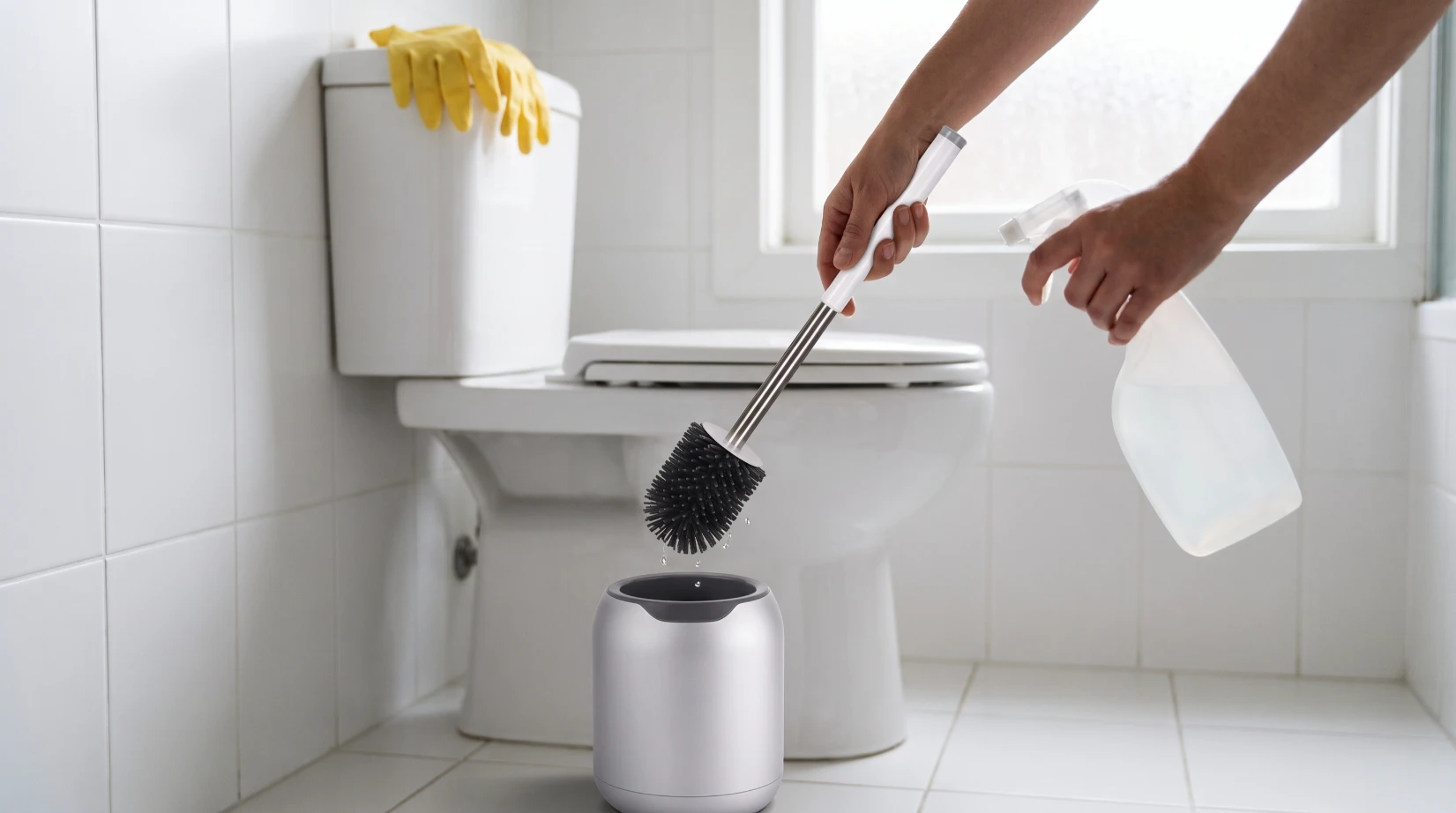
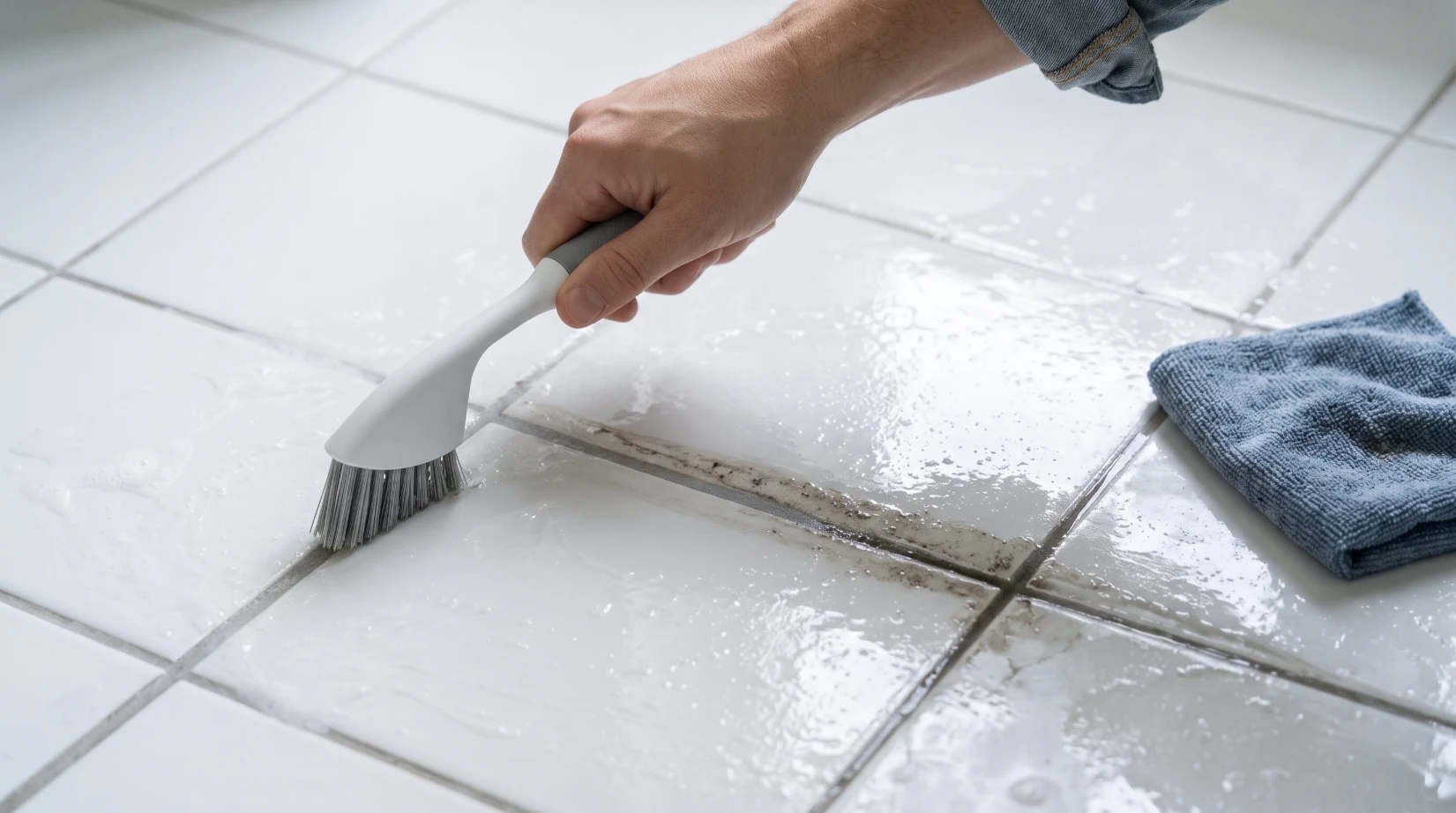
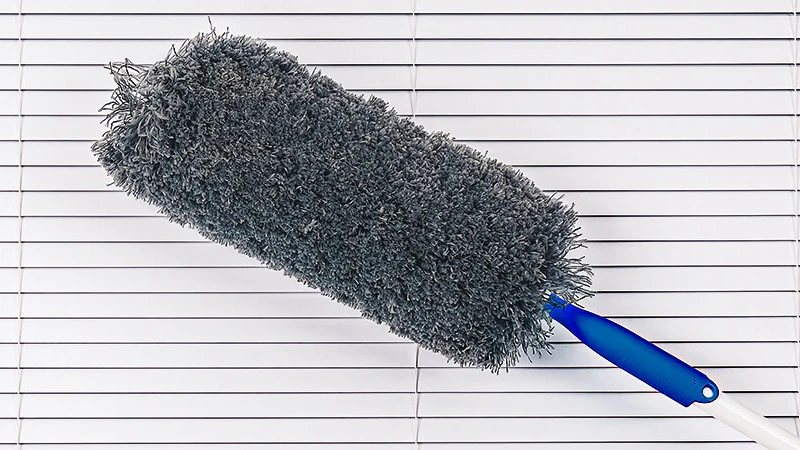
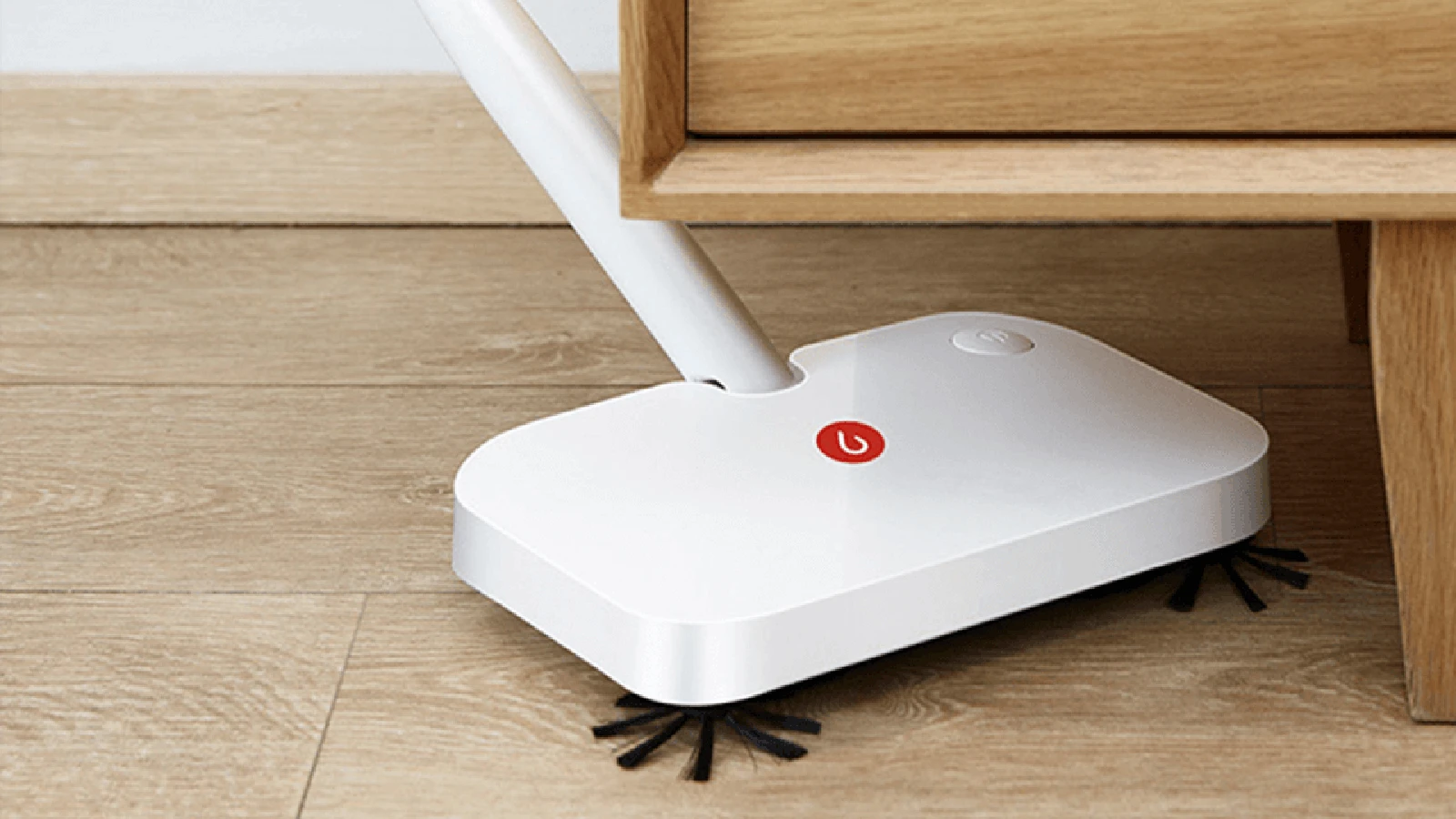
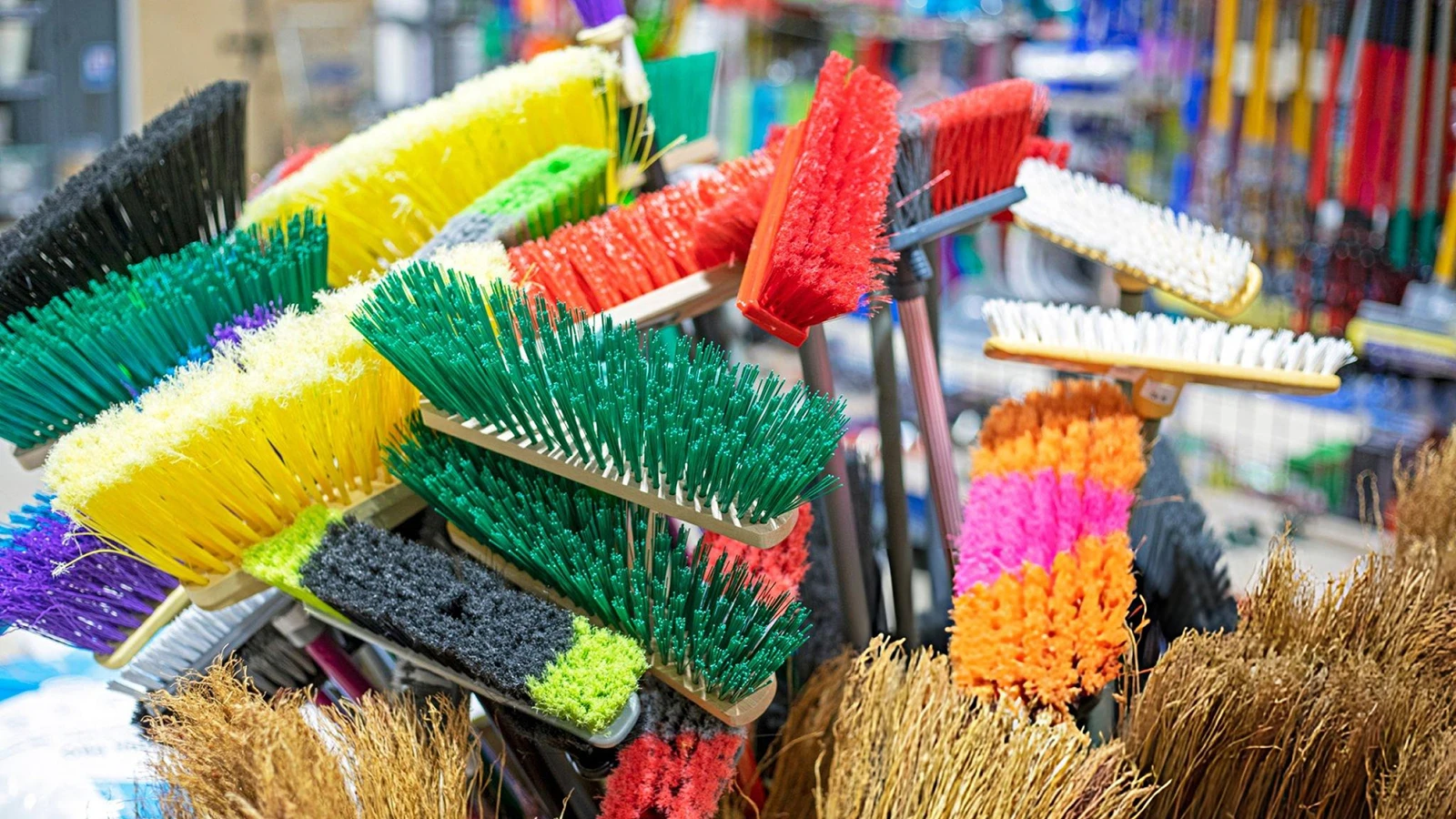
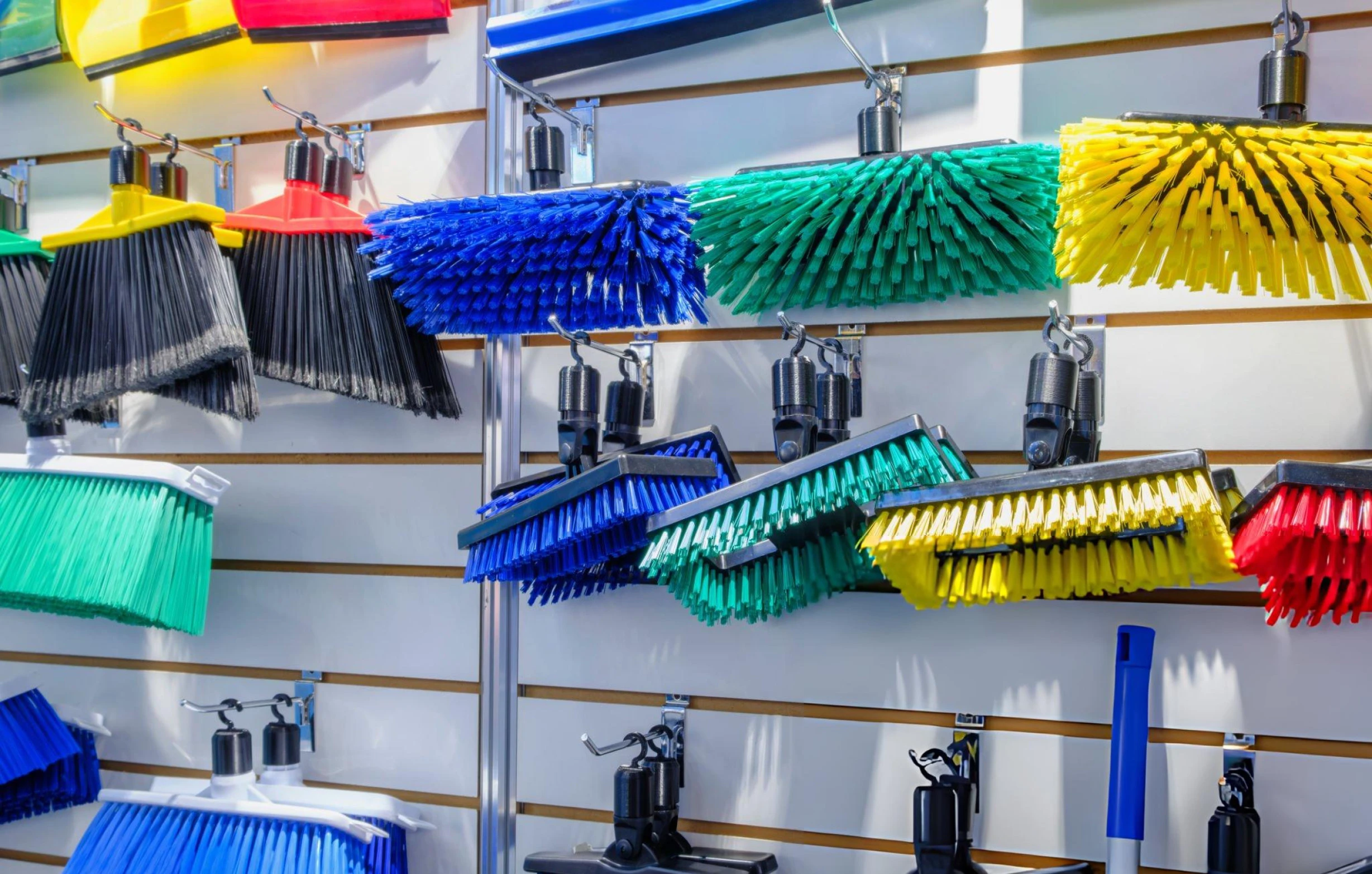
Gama de productos: Un buen fabricante de herramientas de limpieza de marca propia debe ofrecer una amplia gama de productos, incluyendo: trapeadores de microfibra, trapeadores con rociadorescobas, plumeros y cepillos de limpieza. Un catálogo de productos más amplio permite a las marcas empezar con una gama pequeña y expandirse posteriormente.
Capacidad de personalización: El fabricante también debería poder ofrecer opciones de personalización, como añadir el logotipo de la empresa u ofrecer diferentes opciones de embalaje.
Requisitos de MOQ: Los requisitos de cantidad mínima de pedido (CMP) especifican cuántas unidades deben pedirse en una sola tanda de producción. Una CMP más baja beneficia a la empresa, ya que no tiene que pagar grandes cantidades por adelantado.
Procesos de control de calidad: Los fabricantes establecidos suelen seguir procedimientos de control de calidad documentados y a menudo implementan estándares como: ISO 9001, desarrollado por el Organización Internacional de Normalizaciónpara mantener una calidad de fabricación y un control de procesos uniformes.
Capacidad de producción: Un fabricante debe contar con el equipo, la mano de obra y los sistemas operativos necesarios para gestionar el creciente volumen de pedidos sin demoras.
Preguntas clave que debe hacerse antes de firmar un contrato con un proveedor.
Al planificar el lanzamiento de una marca de productos de limpieza de marca propia, las siguientes preguntas le ayudarán a evaluar si un fabricante puede brindar un soporte confiable a su negocio.
¿Cuáles son sus plazos de entrega habituales para la producción? Los plazos de entrega son esenciales para la planificación del inventario y para evitar la falta de existencias.
¿Pueden proporcionarme muestras del producto antes de realizar el pedido al por mayor? Las muestras pueden utilizarse para verificar la calidad del producto y los materiales antes de realizar pedidos grandes.
¿Qué opciones de personalización ofrecen? La personalización es importante porque determina hasta qué punto los productos se ajustan a la identidad de tu marca.
¿Qué proceso de control de calidad siguen? La producción a gran escala requiere procedimientos de inspección para mantener la calidad uniforme del producto.
Certificaciones que importan
Ciertas certificaciones demuestran la fiabilidad de la producción y las prácticas éticas. La norma ISO 9001 de la Organización Internacional de Normalización refleja sistemas de gestión de la calidad estructurados. Licenciatura en Ciencias La Iniciativa de Cumplimiento Social Empresarial (Business Social Compliance Initiative) se centra en las condiciones laborales éticas dentro de las cadenas de suministro. ALCANZARLas certificaciones, supervisadas por la Agencia Europea de Sustancias Químicas, garantizan que los materiales que utilizan cumplen con la normativa química. Las fábricas con estas certificaciones suelen seguir prácticas de producción y cumplimiento más rigurosas. Antes de elegir un fabricante, asegúrese de que cuente con todas las certificaciones esenciales para garantizar el cumplimiento de las normas oficiales del sector.
Señales de alerta que indican una fábrica poco fiable
Tratar con los fabricantes se complica cuando la comunicación es deficiente. Las respuestas tardías y vagas pueden ser un gran problema. Un fabricante que no es transparente en cuanto a precios, proceso de producción o materiales genera dudas. Un proveedor que se niega a proporcionar una muestra del producto también podría ser fraudulento.
Asegúrese de que el fabricante que elija sea de confianza y un experto en el sector que realice pruebas de producto y controles de calidad periódicos.
Paso 3: Seleccione los productos adecuados para su marca.
Seleccionar el producto adecuado desde el principio ayuda a evitar el exceso de inventario y los costos ocultos adicionales. En lugar de lanzar varios productos a la vez, concéntrese en los productos de limpieza que tienen demanda y que la gente compra con regularidad.
Cómo identificar las herramientas de limpieza más demandadas
Al revisar las opciones de productos, busque herramientas que resuelvan problemas comunes de limpieza y que sean fáciles de reemplazar o comprar nuevamente, como fregonas pulverizadoras, fregonas de microfibra, cepillos, plumeros y otros utensilios para limpiar ventanas. Busque opciones que tengan una demanda constante en lugar de las que son tendencia temporalmente.
Matriz de decisión para la selección de productos
Elegir los productos adecuados es un paso clave para construir una marca de limpieza propia exitosa. Esta matriz de decisión ayuda a evaluar las posibles herramientas de limpieza de forma estructurada, lo que permite a las empresas centrarse en productos con mayor potencial de mercado y que ofrecen rentabilidad a largo plazo.
| Factor | Por qué es importante |
| Demanda del mercado | Una mayor demanda aumenta el potencial de ventas. |
| Costo de fabricación | Impacta en los márgenes de beneficio y la estrategia de precios. |
| Tamaño de envío | Los productos de mayor tamaño aumentan los costos de logística y almacenamiento. |
| Nivel de competición | La alta competencia exige una imagen de marca más sólida para destacar. |
| Diferenciación de productos | Las características únicas ayudan a la marca a atraer y retener clientes. |
Comience con una línea de productos enfocada.
Empieza con 2 a 4 herramientas de limpieza básicas en lugar de crear un catálogo completo desde el primer día. Esto te da margen para evaluar la demanda del mercado sin asumir riesgos significativos. Además, los comentarios iniciales de los clientes se convierten en tu mejor guía para mejorar, añadir o eliminar productos en la siguiente fase.
Paso 4: Desarrolle su marca y empaque.
Una marca sólida y un empaque claro determinan la facilidad con la que tus herramientas de limpieza captan la atención en el mercado. Incluso los productos de alta calidad con una marca débil pueden ralentizar las ventas y dificultar la competencia.
Construyendo una marca de limpieza reconocible
Para las herramientas de limpieza, lo mejor es usar un nombre de marca sencillo. Esto se debe a que los clientes aprenden rápidamente los nombres simples, lo que se traduce en pedidos frecuentes y repetidos. El logotipo debe ser profesional y el posicionamiento de la marca debe reflejar claramente sus valores, como la asequibilidad, la durabilidad o la sostenibilidad.
Las estrategias de empaque influyen en las decisiones de compra.
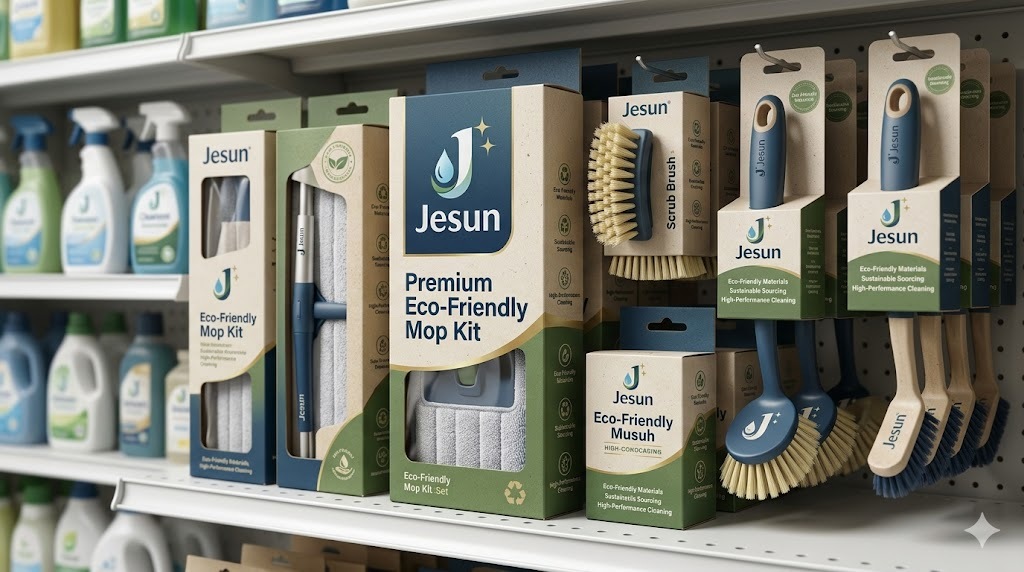
El empaque influye en las decisiones de compra más de lo que la mayoría de la gente cree. Un empaque listo para la venta ayuda a que su producto destaque en los estantes, mientras que las opciones ecológicas atraen a compradores conscientes.
Información de la etiqueta y elementos de marca
Cada etiqueta debe incluir el nombre del producto. Debe contener instrucciones de uso, notas de seguridad, etc. Además, la información de contacto en la etiqueta genera mayor confianza en los clientes.
Paso 5: Garantizar el cumplimiento y la calidad del producto.
Los estándares de seguridad y calidad del producto no son opcionales. Protegen su marca de devoluciones, quejas y problemas legales, especialmente al trabajar con un fabricante de herramientas de limpieza de marca blanca.
Seguridad del producto y cumplimiento de los materiales
Los fabricantes deben utilizar materiales seguros que cumplan con los estándares esenciales de seguridad del producto, incluidos plásticos, fibras y recubrimientos, para garantizar que sean aptos para la limpieza doméstica y comercial. Además, los riesgos de exposición a productos químicos deben controlarse en todo momento.
Requisitos de etiquetado para herramientas de limpieza
Las etiquetas deben indicar claramente qué es el producto y cómo usarlo. Una etiqueta adecuada incluye una descripción sencilla del producto, los datos del fabricante e instrucciones de uso claras para que los clientes puedan utilizarlo correctamente.
Procesos de garantía de calidad
Los buenos fabricantes no solo producen, sino que también prueban. Las pruebas de producto ayudan a confirmar que las herramientas de limpieza funcionan como se espera en condiciones normales de uso. Las comprobaciones de durabilidad garantizan que artículos como trapeadoresLos pinceles y los mangos no se rompen fácilmente durante el uso diario.
Paso 6: Planifica tus canales de lanzamiento iniciales
Elige los canales de venta y planifica las promociones.
Comienza por decidir en qué plataformas venderás tus productos. La mayoría de las marcas nuevas empiezan con plataformas de comercio electrónico porque son más fáciles de implementar y requieren menor inversión. Algunas marcas también recurren a alianzas con minoristas o a la distribución B2B si ya tienen contactos en el mercado.
Generar visibilidad de marca desde el principio
Cuando tus canales y promociones estén en orden, es hora de dar visibilidad a tu marca. Debes tener listados de productos fáciles de entender, con una imagen de marca coherente y mensajes sencillos en todas partes. Incluso una pequeña exposición a través de plataformas online o redes sociales puede ayudarte a obtener comentarios iniciales y comprender la respuesta del mercado.
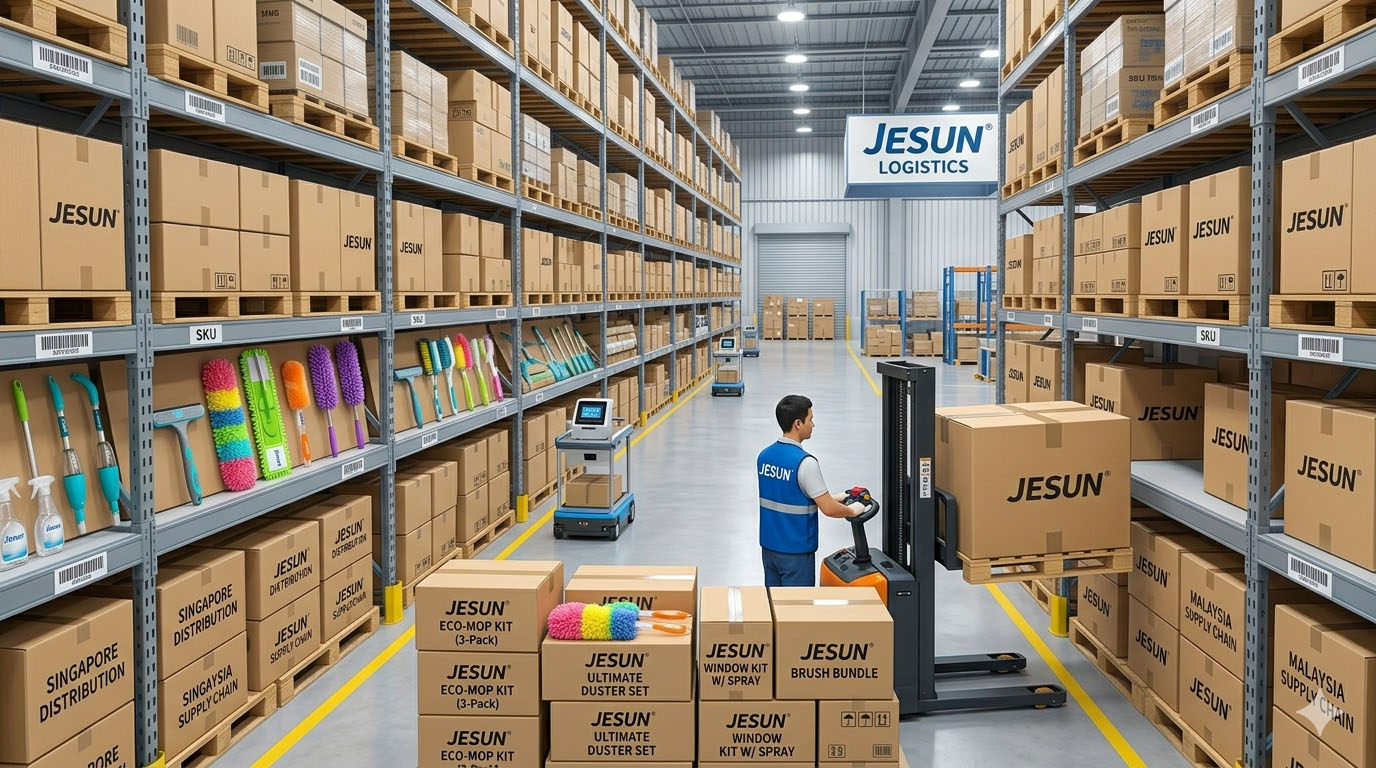
Planificación de inventario y gestión de la cadena de suministro para marcas de productos de limpieza de marca propia.
Si quieres que tu marca de limpieza de etiquetas sea estable, rentable y esté lista para crecer, planifica bien tu inventario. Sin una planificación adecuada, incluso los productos con mayor potencial pueden ser descartados.
Cómo calcular los puntos de reorden y el stock de seguridad
Los puntos de reorden te ayudan a saber exactamente cuándo realizar el próximo pedido para evitar quedarte sin existencias. El stock de seguridad es la cantidad adicional que mantienes como reserva en caso de que la demanda aumente repentinamente o se retrasen los envíos.
- Stock de seguridad = (Consumo diario máximo × Plazo de entrega máximo) − (Consumo diario promedio × Plazo de entrega promedio)
Esto le indica cuánto stock adicional debe mantener como reserva en caso de picos de demanda o retrasos en los envíos.
- Punto de reorden = (Uso diario promedio × Plazo de entrega promedio) + Stock de seguridad
Esto muestra el nivel exacto de existencias en el que debería realizar un nuevo pedido a su fabricante de herramientas de limpieza de marca propia para que nunca se quede sin productos mientras espera nuevo inventario.
Gestión de los plazos de entrega, desde la fábrica hasta el almacén.
Un seguimiento inconsistente genera problemas en las marcas que se enfrentan a déficits de suministro o exceso de existencias, lo que puede afectar al flujo de caja y a la regularidad de las ventas.
Planificación de la demanda estacional de productos de limpieza
La demanda aumenta durante ciertos periodos, como las fiestas navideñas. Preparar el inventario con antelación ayuda a mantener los estantes abastecidos cuando la demanda sube. Muchas marcas subestiman este pico de ventas y se quedan sin existencias durante sus semanas de mayor actividad.
Herramientas y sistemas para el seguimiento de inventario con múltiples referencias (SKU)
Si tu marca cuenta con varios productos de limpieza, el control manual del inventario puede resultar tedioso. Utilizar sistemas o software básicos de gestión de inventario te permite supervisar los niveles de stock de diferentes referencias en tiempo real. Además, facilita la realización de pedidos a tiempo, el control de costes y evita quedarte sin productos de alta demanda.
¿Cuánto cuesta lanzar una marca de productos de limpieza de marca propia?
Lanzar una marca de productos de limpieza de marca blanca no tiene un coste fijo. Depende de varios factores, como el tipo de producto, el tamaño del pedido, las opciones de embalaje y el plan de lanzamiento.
Desglose de costos por categoría
La fabricación suele absorber la mayor parte del presupuesto, concretamente el importe que se paga al fabricante por la producción de los utensilios de limpieza. El embalaje y el etiquetado suponen gastos adicionales. El envío y la logística también pueden resultar costosos, sobre todo cuando los productos se importan internacionalmente.
Escenarios presupuestarios para empresas de diferentes tamaños
Un lanzamiento pequeño suele centrarse en un número limitado de productos con empaques básicos y cantidades de pedido menores. Una marca de tamaño mediano aumenta la variedad de productos, invierte más en imagen de marca y realiza pedidos más grandes para obtener mejores precios. Una gran empresa de distribución opera con mayores niveles de inventario, gamas de productos más amplias y una mayor inversión en marketing a través de múltiples canales de venta.
Costos ocultos que la mayoría de las marcas nuevas pasan por alto
Las marcas nuevas suelen olvidar los costes adicionales que van más allá de la fabricación. El transporte, los aranceles aduaneros, el almacenamiento y las pruebas a menudo incrementan el coste total.
Cómo minimizar la inversión inicial
La forma más sencilla de reducir el costo inicial es comenzar con menos referencias para no inmovilizar capital en grandes inventarios. Negociar la cantidad mínima de pedido (MOQ) con el proveedor también puede ayudar a reducir el flujo de caja en las primeras etapas.
Herramientas de limpieza de marca blanca, errores costosos y la realidad.
Muchas marcas nuevas se enfrentan a ciertos desafíos al entrar en el mercado de herramientas de limpieza. Analizar ejemplos reales ayuda a comprender dónde surgen los problemas y cómo corregirlos para expandir el negocio.
Caso práctico 1: Elegir al fabricante equivocado
Un problema común surge cuando una marca elige un proveedor basándose únicamente en el precio. En este caso, el fabricante entregó productos de calidad inconsistente, con piezas de plástico más débiles y acabados irregulares. Los clientes notaron estas diferencias, lo que generó quejas y devoluciones frecuentes. Posteriormente, las empresas optaron por proveedores certificados con un mejor control de calidad, lo que supuso un ligero aumento en los costos de producción y una mayor uniformidad en el producto, recuperando así la confianza de sus clientes.
Caso práctico 2: Lanzar demasiados productos demasiado pronto
Otro error común entre las marcas nuevas es lanzar demasiados productos demasiado pronto. La idea de posicionarse como una marca de limpieza integral desde el principio genera problemas. El inventario se vuelve difícil de gestionar y los esfuerzos de marketing se dispersan demasiado. Finalmente, la empresa reduce su catálogo y se centra en unos pocos productos clave. Con una comunicación más clara y un mejor control de existencias, las ventas se vuelven más fáciles de gestionar.
Caso práctico 3: Un mal embalaje perjudica las ventas.
En algunos casos, la calidad del producto es buena, pero el empaque no logra atraer a los compradores. Un empaque simple puede resultar en bajas ventas, ya que el producto no destaca y pasa desapercibido para los clientes. En estos casos, las empresas rediseñan el empaque con una imagen de marca más clara, mejores colores e información más contundente del producto para captar la atención.

Preguntas frecuentes
¿Cómo empezar con un presupuesto reducido?
Empiece con una gama de productos reducida en lugar de lanzar muchos artículos. Elija dos o tres herramientas de limpieza con demanda constante. Colabore con fabricantes de confianza que ofrezcan cantidades mínimas de pedido bajas y embalaje estándar. Vender a través de plataformas en línea también puede reducir los costes iniciales de puesta en marcha de una tienda.
¿Es rentable la marca blanca?
La marca blanca puede ser rentable cuando se gestionan bien los precios y las cadenas de suministro. Las empresas controlan la marca y los precios de venta al público, lo que permite obtener mejores márgenes.
¿Cómo consiguen los minoristas herramientas de limpieza de marca propia?
Los minoristas suelen adquirir los productos de fabricantes o proveedores de marca blanca. Antes de realizar pedidos al por mayor, revisan las muestras, comprueban los estándares de calidad y ultiman los detalles de la marca, como el embalaje y la ubicación del logotipo.



 Spanish
  English
  Russian
  Arabic