
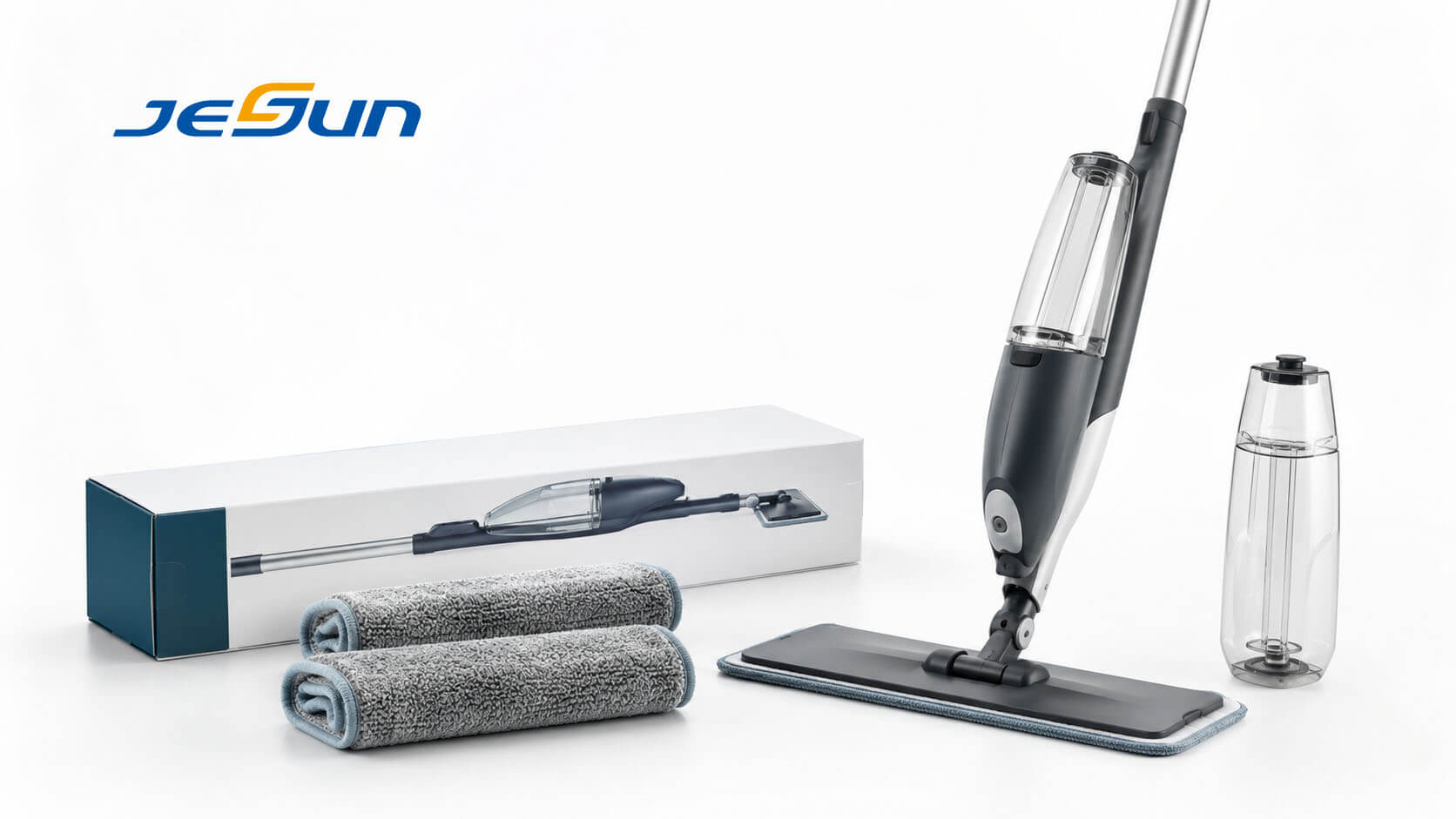
Вкратце:
- А швабра-распылитель под собственной торговой маркой позволяет брендам продавать чистящие средства, не владея собственными производственными мощностями.
- А Производитель распылительных швабр OEM Занимается проектированием, производством и упаковкой продукции.
- Покупатели могут персонализировать системы распыления, насадки для швабр, ручки, резервуары и элементы брендирования.
- Понимание минимального объема заказа, факторов ценообразования и сроков помогает покупателям планировать оптовые закупки.
- Правильная оценка поставщиков и контроль качества снижают риски, связанные с закупками.
Введение
Мировой рынок чистящих средств, включая продукцию под собственной торговой маркой, переживает стремительный рост. Согласно данным... последние данные исследования рынкаОжидается, что рынок вырастет с 126,64 млрд рупий в 2024 году до 178,3 млрд рупий к 2028 году, сохраняя среднегодовой темп роста в 8,91 млрд рупий. На этом быстрорастущем рынке чистящих средств значительное место заняли товары под собственной торговой маркой.
Для запуска собственной линейки чистящих средств не обязательно иметь собственное производство. Многие дистрибьюторы, розничные продавцы и интернет-магазины запускают свои линейки продукции с помощью OEM-производителей швабр с распылителем, которые производят продукцию, а основная задача бренда — продажа.
Однако, закупка швабр с распылителем у поставщика, специализирующегося на производстве швабр с распылителем, требует тщательного планирования. Перед размещением оптовых заказов покупатели должны оценить компоненты продукта, возможности индивидуальной настройки, цены и контроль качества. В этом руководстве объясняется, как работает производство швабр с распылителем на заказ и что покупателям следует учитывать при создании собственного бренда швабр с распылителем.
Что такое производитель швабр с распылителем и как он работает?
Производитель оригинального оборудования (OEM) распылительные швабры Компания производит швабры в соответствии с требованиями клиентов, что позволяет дистрибьюторам и розничным продавцам продавать продукцию под собственной торговой маркой.
В индустрии чистящих средств заводы-производители (OEM) изготавливают продукцию в соответствии с требованиями заказчика к дизайну, упаковке и брендингу. Заказчик занимается маркетингом и дистрибуцией, в то время как завод сосредотачивается только на проектировании, материалах и массовом производстве.
Полезно различать модели OEM и другие модели закупок:
| Модель | Как это работает | Настройка |
| OEM | Изделие изготавливается по спецификациям заказчика. | Высокий |
| ОДМ | Фабрика предоставляет готовый дизайн, который покупатели переименовывают, добавляя свой собственный логотип. | Низкий |
| Стандартная оптовая торговля | Готовый продукт, продаваемый оптом с минимальными изменениями. | Низкий |
На практике проект по производству швабр с распылителем под собственной торговой маркой обычно проходит по четкому сценарию: покупатель предоставляет требования к продукту, а поставщик швабр с распылителем на заказ представляет образцы. После утверждения образцов завод приступает к серийному производству. Такое сотрудничество позволяет покупателям сегмента B создавать собственную линейку чистящих средств, полагаясь при этом на производственный опыт завода.
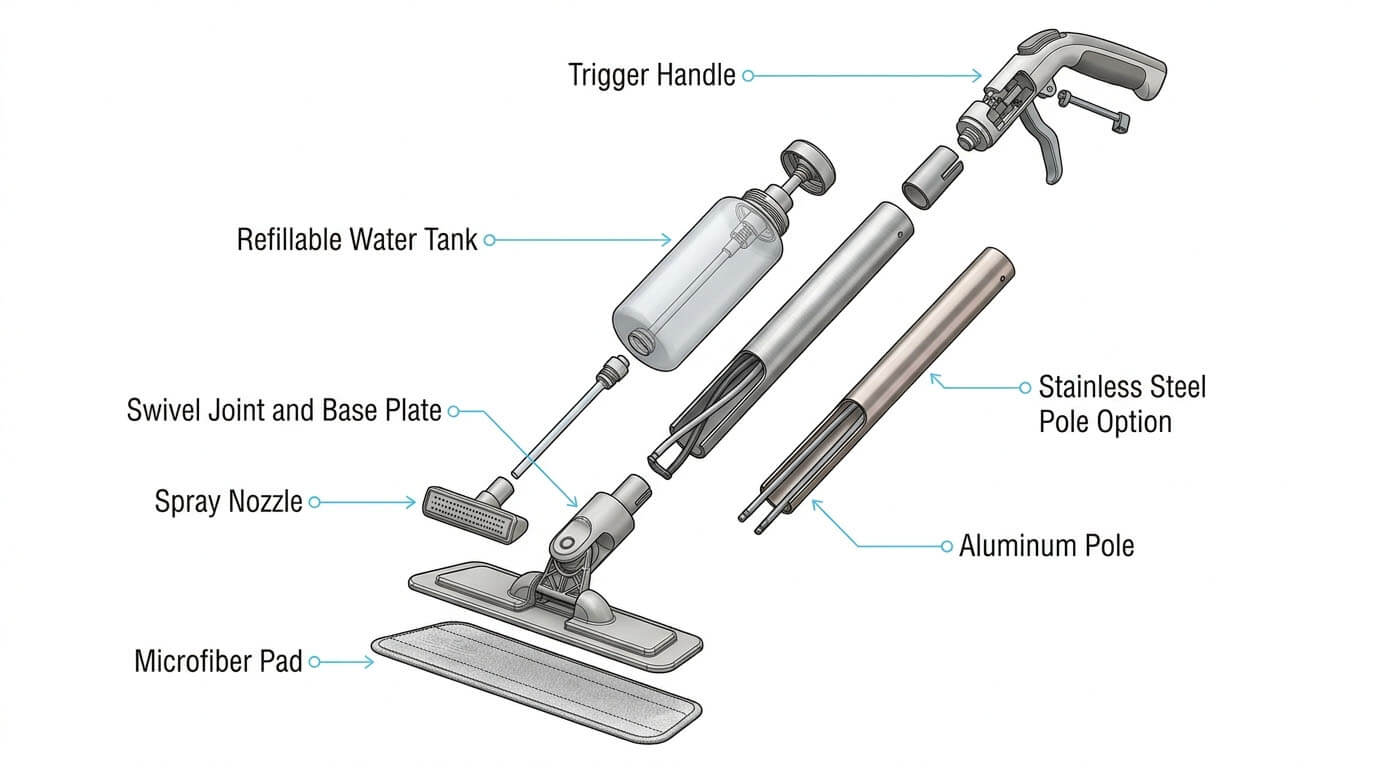
Комплектующие и материалы для распылительных швабр: что необходимо указать покупателям-производителям оригинального оборудования.
Успешный поиск поставщиков OEM-продукции начинается с четкого определения основных компонентов и материалов швабры-распылителя до начала производства. При сотрудничестве с поставщиком швабр-распылителей на заказ покупатели должны указать требуемую функциональность продукта. Эти решения влияют на эффективность уборки, долговечность и производственные затраты на швабру-распылитель под собственной торговой маркой, предназначенную для ежедневного использования в домашних условиях.
Типы распылительных механизмов
Система распыления определяет, как чистящий раствор подается на пол.
Системы распыления с курком: Ручной курок на рукоятке активирует насос, который распыляет жидкость из бутылки. Это наиболее распространенная конструкция, используемая в бытовых швабрах-распылителях, благодаря своей простоте и надежности.
Системы распыления под давлением: В некоторых моделях для более равномерного распределения жидкости используется внутреннее давление, хотя они и включают в себя несколько более сложные внутренние компоненты.
Конструкция сопла: Размер и угол распыления форсунки регулируют распределение воды по полу. Более широкий распыл часто улучшает охват уборки.
Долговечность компонентов: Внутренние насосы, пружины и трубки должны пройти многократные испытания на прочность при нажатии на курок, чтобы предотвратить поломки при длительной эксплуатации.
Материалы для насадок для швабры
Эффективность уборки пола зависит от типа насадки для швабры.
- Микрофибровые подушечки: Широко используется для уборки дома. Микрофибра улавливает мелкую пыль и жир. Исследования показали, что... Международная ассоциация поставщиков санитарно-гигиенического оборудования Предполагается, что материалы из микрофибры удаляют больше частиц, чем традиционный хлопок, в различных ситуациях уборки.
- Смеси хлопка: Обладает хорошей впитываемостью и низкой стоимостью, но обычно тяжелее во влажном состоянии.
- Одноразовые прокладки: Используется на рынках розничной торговли, ориентированных на удобство.
- Многоразовые прокладки: Моющиеся микрофибровые подушечки чаще встречаются в экологически чистых бытовых чистящих средствах.
Конструкция рукоятки и стойки
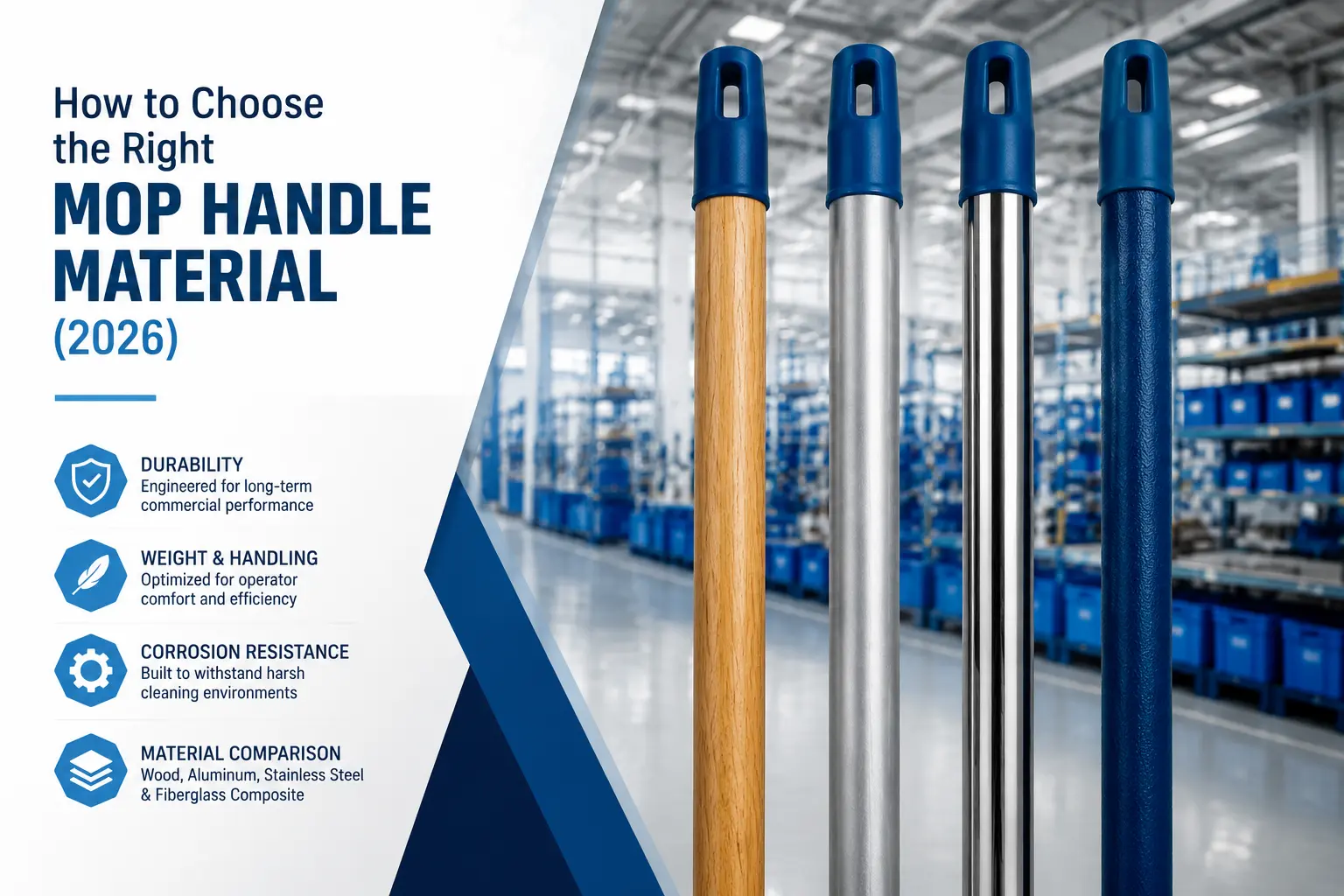
Конструкция ручки и штанги швабры-распылителя имеет значение для комфорта, долговечности и общего качества изделия. Производитель швабр-распылителей предлагает два варианта материалов: сталь и алюминий. Нержавеющая сталь очень прочна и подвержена коррозии, что делает ее подходящей для длительного и интенсивного использования. Алюминий же легче и удобнее для переноски, что также приводит к снижению затрат на доставку при оптовых заказах.
Конструкция также может быть адаптирована в соответствии с потребностями рынка. Телескопические ручки позволяют пользователям изменять длину для большего комфорта в различных ситуациях уборки. Часто добавляются эргономичные рукоятки для улучшения контроля и снижения нагрузки на руки при длительном использовании.
Проектирование резервуара для воды
Конструкция резервуара для воды одинаково важна для повышения удобства использования и эффективности уборки. Производители швабр с распылителем обычно выпускают бутылки, вмещающие от 300 до 600 мл воды, в зависимости от конструкции изделия.
Чем меньше резервуар для воды, тем легче будет изделие, что облегчит его заправку. С другой стороны, больший резервуар для воды позволит вам очистить большую площадь без перерыва. Большинство поставщиков швабр с распылителем предлагают многоразовые и съемные резервуары.
В случае с мочалкой-распылителем, выпускаемой под собственной торговой маркой, резервуар для воды обычно изготавливается из пластик без бисфенола-А, обеспечивая безопасность для использования в домашних условиях и соответствие типичным стандартам потребительских товаров.
Поворотный шарнир и опорная пластина
Шарнирное соединение и опорная пластина очень важны, поскольку от них зависит, насколько легко перемещать швабру с распылителем во время уборки. Производители швабр с распылителем обычно предлагают механизм вращения на 360 градусов, который позволяет головке швабры плавно вращаться вокруг мебели и в труднодоступных местах.
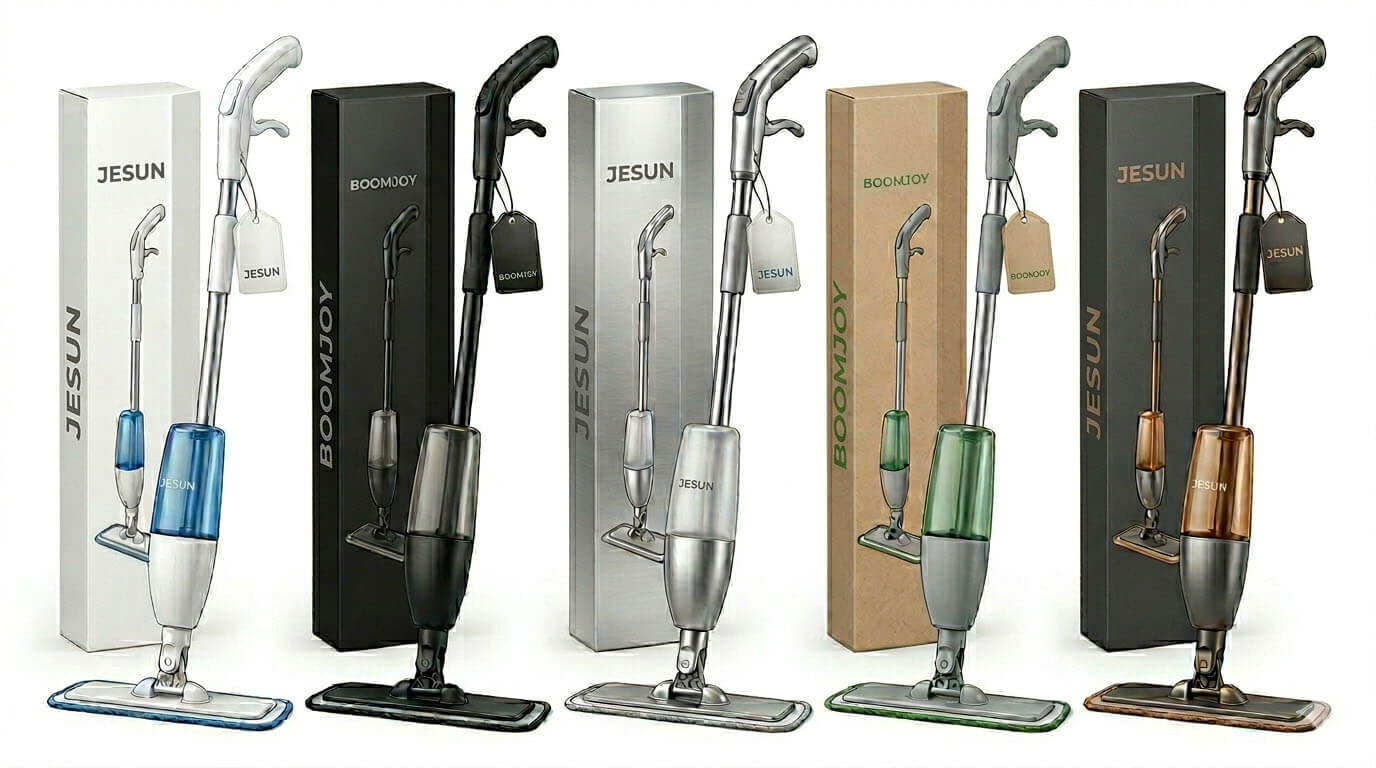
Как персонализировать швабру-распылитель: дизайнерские решения для разных рынков
Индивидуальная настройка швабр с распылителем зависит от рыночного назначения продукта, с учетом различных требований к его характеристикам для бытового и коммерческого использования.
Как целевые рынки влияют на решения в области дизайна продукции
Потребители ожидают разных характеристик в разных регионах. Например, европейские потребители высоко ценят качество и соответствие стандартам. В отличие от них, на бюджетных рынках приоритет отдается экономии средств, что, в свою очередь, влияет на выбор материалов, стиль упаковки и структуру продукта.
Требования к уборке в домашних условиях и в коммерческих целях
В бытовых швабрах-распылителях обычно приоритет отдается комфорту и удобству. Коммерческие модели требуют более прочных компонентов, большей долговечности и более длительного срока службы из-за частого использования.
Визуальная персонализация бренда
Цвет играет ключевую роль в брендинге. Производитель швабр с распылителем выбирает цвет в соответствии с требованиями бренда, позиционированием в розничной торговле или ассортиментом продукции. Они размещают логотипы на различных частях швабры с распылителем, что помогает людям узнавать швабру под собственной торговой маркой в магазинах или в интернете.
Виды упаковки для розничной и электронной коммерции при доставке
Розничная упаковка ориентирована на видимость товара на полке, в то время как упаковка для электронной коммерции отдает приоритет прочности при транспортировке. Компания, производящая швабры с распылителем на заказ, часто использует оба типа упаковки как для продаж в магазинах, так и для онлайн-продаж.
Создание нескольких товарных позиций для разных ценовых сегментов
Зачастую бренды разрабатывают несколько вариантов своей продукции, исходя из бюджета, с вариациями в материалах и характеристиках, чтобы ориентироваться на разные рынки.
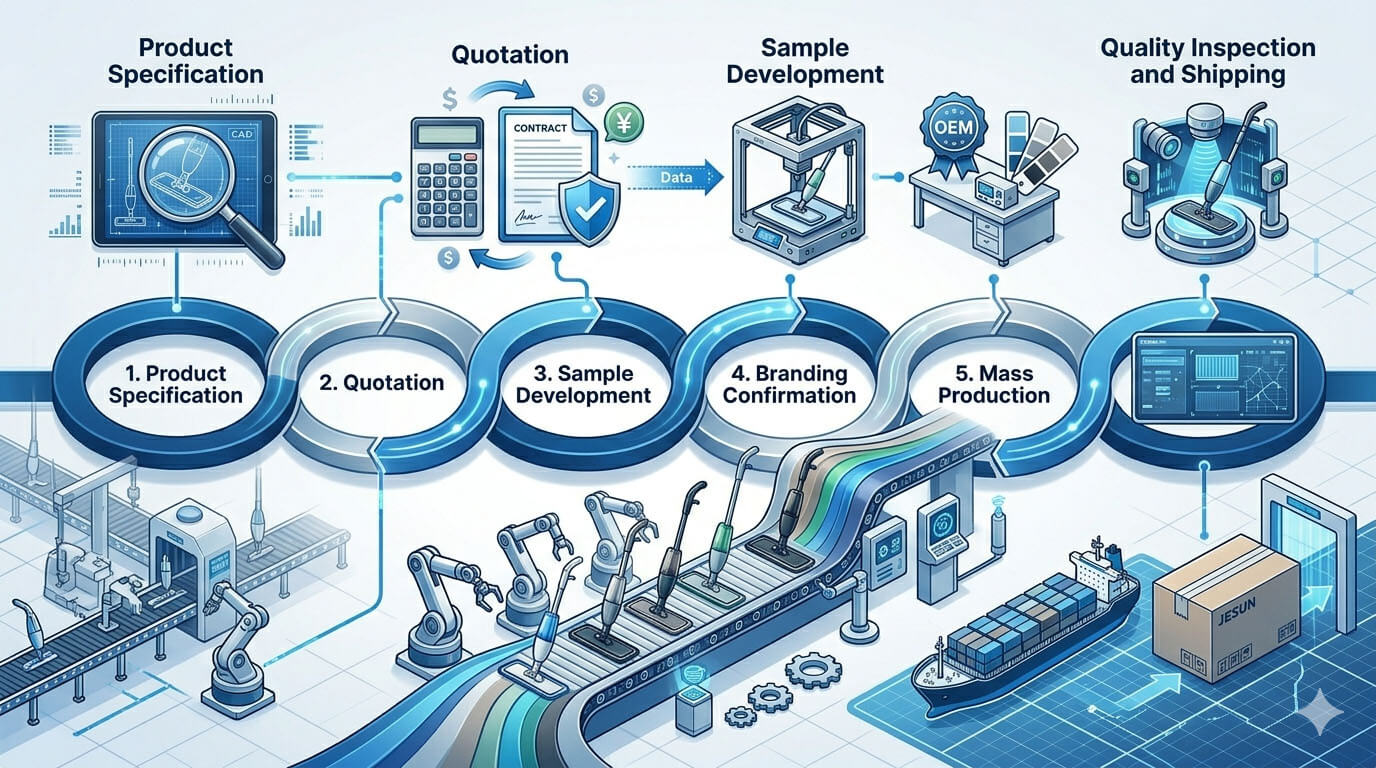
Каков пошаговый процесс работы с производителем швабр-распылителей?
Процесс OEM-производства включает в себя четкую пошаговую процедуру, от планирования продукта до окончательной отгрузки, гарантируя, что швабра-распылитель соответствует требованиям бренда до начала массового производства.
Шаг 1: Определение технических характеристик продукта и целевого рынка.
Этот этап закладывает основу для всего проекта. Сначала покупатели определяют ключевые характеристики продукта, такие как материал насадки для швабры, тип распылительной насадки, объем резервуара, материал ручки и длина штока, учитывая ценовой диапазон и целевой рынок, на основе которых руководствуется производитель.
Шаг 2: Свяжитесь с поставщиком OEM и запросите ценовое предложение.
Технические характеристики продукции передаются потенциальным OEM-поставщикам для получения информации о ценах, минимальном объеме заказа и деталях производства. Рекомендуется проанализировать различные варианты, прежде чем выбирать OEM-поставщика.
Шаг 3: Запросить образцы и провести тестирование продукции.
Образцы проверяются на консистенцию распыления, подвижность ручки, герметичность и эффективность очистки, чтобы подтвердить, что продукт работает должным образом.
Шаг 4: Подтверждение дизайна продукта и фирменного стиля.
После утверждения образцов окончательные детали дизайна фиксируются, включая цвет изделия, размещение логотипа и структуру упаковки для розничной или электронной коммерции.
Шаг 5: Начало серийного производства
Следующим этапом является подготовка материалов, сборка и крупномасштабное производство в соответствии с подтвержденными техническими условиями.
Шаг 6: Контроль качества и подготовка к отгрузке
Этот заключительный этап гарантирует, что изготовленная швабра-распылитель соответствует отраслевым стандартам качества перед отправкой. Производитель швабр-распылителей, работающий по схеме OEM, обычно следует требованиям AQL (допустимый предел качества) в соответствии с рекомендациями ISO 2859-1, разработанными Международной организацией по стандартизации.
На данном этапе проводятся следующие проверки:
- AQL выборочная проверка
- Испытание на прочность курка распылителя
- проверка на герметичность резервуара для воды
- Проверка работоспособности и сборки швабры
- Прочность упаковки для транспортировки
Условия ценообразования и оформления заказов на швабры-распылители (OEM): разъяснение.
Цена на швабры с распылителем от OEM-производителя варьируется в зависимости от материала, конструкции и объема заказа. Стандартные швабры для выполнения основных домашних дел доступны по цене, но модернизированные модели со специализированными системами распыления, более прочными ручками или изготовленными на заказ коробками стоят дороже за единицу.
Типичный минимальный объем заказа составляет от нескольких сотен до нескольких тысяч единиц в зависимости от требований к индивидуализации и пресс-форме.
Пять ключевых факторов, влияющих на себестоимость швабры-распылителя за единицу продукции, включают:
- Материалы: микрофибровые подушечки, тип металла ручки и качество бутылки.
- Уровень персонализации: Печать логотипов, изменение цвета или разработка конструкции.
- Дизайн упаковки: Розничная упаковка против упаковки для электронной коммерции
- Объем заказов: Увеличение объема заказа снижает себестоимость единицы продукции.
- Требования к пресс-формам/инструментам: Для новых разработок требуются дополнительные затраты на настройку.
Способы оплаты и общепринятые торговые термины
Оплата обычно производится банковским переводом (T/T), а оставшаяся сумма оплачивается до отгрузки. Некоторые поставщики также могут предлагать гарантию сделки или поэтапную оплату.
Сроки поставки швабр-распылителей от производителя: сколько времени занимает от запроса до доставки?
Понимание этого графика помогает покупателям более эффективно планировать запуск продукции и управление запасами при разработке швабр с распылителем под собственной торговой маркой. Полный процесс закупок у производителя швабр с распылителем обычно занимает 60–90 дней, в зависимости от уровня индивидуализации, времени на изготовление образцов и способа доставки.
Этап запроса и составления коммерческого предложения (3–7 дней)
Процесс начинается с того, что покупатель связывается с поставщиком швабр с распылителем и сообщает свои требования к продукту. Поставщик рассматривает такие характеристики, как система распыления, материалы, упаковка и количество заказа, а затем готовит коммерческое предложение и базовое описание продукта.
Разработка образца (7–15 дней)
Завод изготавливает прототип на основе согласованных технических характеристик. На этом этапе могут быть внесены корректировки в механизм распыления, конструкцию ручки или дизайн флакона в соответствии с концепцией продукта, предложенной покупателем.
Отправка и утверждение образцов (7–14 дней)
Образец отправляется покупателю для тестирования. Как правило, покупатели оценивают эффективность распыления, результаты очистки, долговечность и общую удобность использования, прежде чем одобрить продукт для производства.
Подготовка к производству (10–15 дней)
После утверждения образца завод приступает к подготовке сырья, согласованию дизайна упаковки и планированию производства.
Серийное производство (25–40 дней)
На этом этапе завод собирает швабры с распылителем, производит насадки для швабр, наносит логотипы и завершает упаковку.
Контроль качества и инспекция (3–5 дней)
Перед отгрузкой группы контроля качества проводят функциональное тестирование и проверку.
Доставка и таможня
Экспортные документы подготовлены, и товар отгружен. Морская перевозка обычно занимает 20–40 дней в зависимости от пункта назначения, в то время как авиаперевозка быстрее, но дороже.

Как обеспечить качество при заказе швабр-распылителей оптом
Контроль качества имеет огромное значение при работе с производителем швабр-распылителей. Покупатели должны тщательно проверять продукцию перед отправкой. Многие бренды также используют услуги сторонних инспекционных компаний перед отгрузкой. Кроме того, проверка заводских сертификатов необходима для обеспечения соответствия продукции стандартам качества.
Как оценить и выбрать подходящую швабру-распылитель от производителя (OEM Factory)
Прямые поставки с завода против торговых компаний: ключевые различия
Работа напрямую с производителем швабр-распылителей обычно обеспечивает лучший контроль затрат, более четкую коммуникацию и более широкую поддержку в индивидуальной настройке. Торговые компании могут упростить поиск поставщиков, но могут взимать дополнительные сборы и снижать прозрачность производственного процесса.
| Фактор | Прямые поставки с завода | Торговая компания |
| Структура затрат | Снижение себестоимости единицы продукции, уменьшение средней наценки. | Более высокая цена из-за посредника. |
| Коммуникация | Прямой контакт с производственной командой. | Информация передается через промежуточный слой. |
| Гибкость персонализации | Упрощенная модификация конструкции и технических характеристик. | Ограниченная гибкость в зависимости от партнеров-производителей. |
| Прозрачность контроля качества | Покупатели могут запрашивать аудиты и проверки. | Меньшая прозрачность в производственном процессе |
5 Критических критериев оценки
Перед тем как выбрать или назначить поставщика, покупателям следует рассмотреть несколько операционных факторов. поставщик швабр с распылителем на заказ.
Поставщик должен быть опытным и иметь подтвержденную репутацию производителя чистящих инструментов. Он должен обладать достаточными знаниями и опытом. производственная мощность и сборочной линии, предлагая персонализация Способность поддерживать дизайн бренда и упаковки. Поставщик должен иметь четкие процедуры контроля качества с адекватной системой проверки. система управления качеством. Для беспроблемного начала работы настоятельно рекомендуется выбрать поставщика с опытом международных перевозок.
Тревожные сигналы, на которые следует обратить внимание
При оценке поставщика спрей-швабр под собственной торговой маркой на начальных этапах обсуждения могут возникнуть тревожные ситуации, указывающие на потенциальный риск.
- Цены, значительно ниже типичных рыночных тенденций, могут указывать на использование неэффективных материалов или упрощение производственных процессов.
- Некоторые поставщики могут неохотно предоставлять образцы продукции, что затрудняет проверку качества продукции перед размещением крупных заказов.
- Ещё одна проблема возникает, когда информация о компании противоречива или данные о владельцах завода неясны.
- Медленная или нечеткая коммуникация на начальных этапах переговоров также может создать проблемы позже при обсуждении технических условий, сроков или стандартов качества.
Поиск поставщиков швабр-распылителей: реальные проблемы и способы их предотвращения.
Даже после выбора поставщика и размещения заказа проблемы могут возникнуть в процессе производства или доставки. Выявление этих рисков на ранней стадии помогает предотвратить дорогостоящие ошибки.
Утечка из резервуара с водой Это наиболее распространенная проблема, встречающаяся в некачественных швабрах-распылителях. Запрос отчетов о проверке на герметичность перед началом производства помогает снизить этот риск. Слабые механизмы запуска Также спусковой механизм может выйти из строя после многократного использования, если внутренние пружины недостаточно прочны, поэтому испытания на прочность спускового механизма необходимо проводить во время отбора проб.
Другая проблема заключается в том, насадки для швабры с низкой износостойкостьюкоторая может потерять впитывающую способность после нескольких стирок. Проверка качества микрофибровой насадки важна для надежной швабры-распылителя под собственной торговой маркой. Проблемы с логистикой также могут возникнуть из-за непрочных коробок и плохой загрузки паллет, что приводит к... Повреждена упаковка во время международной доставки.
Недоразумения в технических характеристиках Это также может привести к неправильному выбору цветов, размеров или размещению логотипа. Четкие чертежи, письменные спецификации и окончательное утверждение образца могут помочь предотвратить подобные проблемы.
Заключительные мысли: Как правильный выбор производителя швабр-распылителей способствует росту бренда
Предприятия, ищущие надежного OEM-производителя производитель чистящих средств или поставщик швабр с распылителем на заказ может сотрудничать с ДЖЕСУН разработать конкурентоспособную собственную торговую марку оптовая продажа швабр-распылителей Продукция, адаптированная к потребностям рынка. Обладая 38-летним опытом производства, компания JESUN специализируется на выпуске практичных и надежных чистящих средств для мировых рынков.
Дистрибьюторы и розничные продавцы могут сотрудничать с их командой для разработки распылительных швабр, соответствующих техническим характеристикам продукции, требованиям к брендингу и упаковке. Чтобы узнать о возможностях сотрудничества в рамках OEM-производства, персонализации продукции или выпуске продукции под собственной торговой маркой, посетите страницу контактов JESUN и обсудите свои требования с их командой.
Часто задаваемые вопросы
Какие сертификаты должен иметь производитель швабр с распылителем?
Надежный производитель швабр с распылителем должен соблюдать общепризнанные стандарты качества и безопасности. К распространенным сертификатам относятся ISO 9001, REACH и RoHS, подтверждающие соответствие требованиям управления качеством и нормам химической безопасности.
Могут ли заводы-производители создавать эксклюзивные пресс-формы для конкретного бренда?
Да. Многие заводы-производители оригинального оборудования (OEM) могут разрабатывать эксклюзивные пресс-формы для этих целей. швабра-распылитель под собственной торговой маркойКак правило, производители платят сбор за разработку пресс-формы, который гарантирует ее использование только для производства продукции данного бренда на рынке.
Как покупатели могут защитить конструкцию своей швабры с распылителем при работе с OEM-поставщиками?
Покупатели обычно подписывают соглашения о неразглашении информации (NDA) и соглашения о производстве, прежде чем делиться эскизами. Регистрация товарных знаков и дизайна продукции также помогает защитить бренд при работе с поставщиком швабр с распылителем на заказ.
Может ли один производитель выпускать несколько моделей швабр с распылителем для разных рынков?
Да. Опытный производитель швабр с распылителем может выпускать несколько моделей с различными характеристиками, материалами и ценовыми уровнями. Это позволяет дистрибьюторам предлагать швабры с распылителем начального, среднего и премиум-класса под собственной торговой маркой для различных розничных рынков.



 Russian
  English
  Spanish
  Arabic