
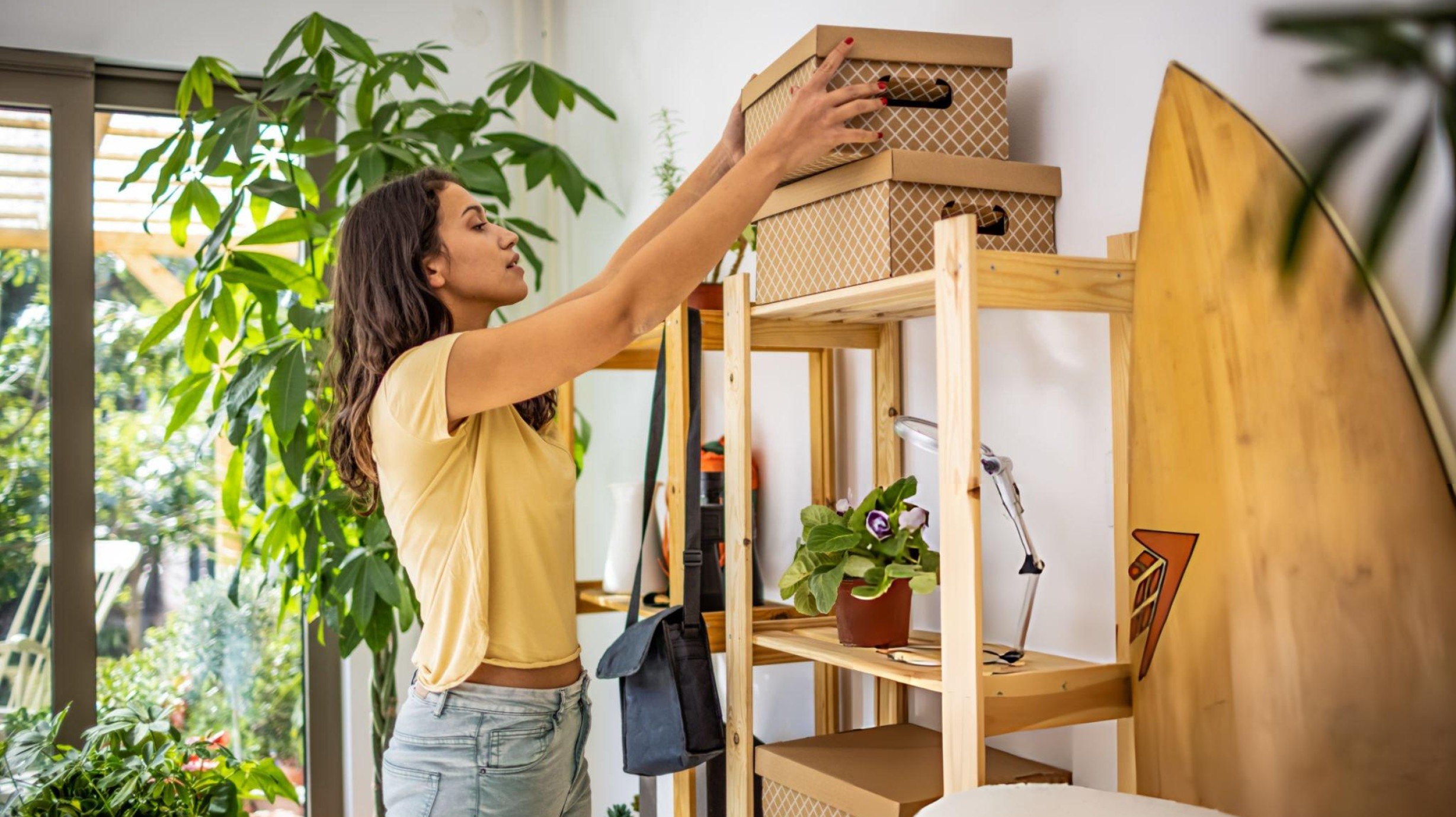
В среднем американцы тратят год своей жизни на поиски потерянных вещей. Эта поразительная статистика показывает, как беспорядок отнимает у нас время и душевное спокойствие. 541% американцев сообщают о чувстве подавленности из-за беспорядка. беспорядок в домеВ этом руководстве вы узнаете простые шаги для Организуйте свой дом Экологически устойчивый подход, комната за комнатой. Вы будете экономить около 30 минут каждый день, значительно снизите стресс и избавитесь от рутинных дел. В конце вы научитесь создавать системы, которые помогут вам поддерживать спокойствие в вашем пространстве и облегчат вам жизнь. Организуйте свой дом навсегда.
Почему организация домашнего пространства важнее, чем вы думаете.
Скрытые издержки беспорядка в доме
Потеря каждой вещи в сумме дает немалые затраты: в среднем мы тратим десять минут в день на поиски среди хлама. беспорядок в доме. Вот почему организация дома Это не просто эстетично, это реальная экономия времени и денег. Когда вы Организуйте свой домБлагодаря этому вы избегаете штрафов за просрочку платежей, предотвращаете дублирование покупок и снижаете затраты на хранение. Аккуратное пространство также снижает стресс, поскольку 80% расходов на здравоохранение связаны с проблемами, вызванными стрессом. Наконец, лучшая организация повышает производительность, освобождая ваш разум для важных задач.
Преимущества организованного дома, меняющие жизнь.
Хорошо организованный дом может изменить вашу жизнь. Во-первых, он снижает уровень стресса и тревоги. Вы будете заходить в спокойные комнаты, которые успокаивают ваш разум. За этим последует улучшение сна, поскольку вы не будете бояться беспорядка в спальне, когда придет время засыпать. Ваша ясность ума также улучшится; вам будет легче планировать свой день и ставить цели.
Во-первых, вы сэкономите время. Поиск ключей или важных документов не будет отнимать время от вашей утренней рутины. Сэкономленные на дубликатах покупок и штрафах за просрочку платежа деньги накапливаются в течение нескольких месяцев. Вы даже можете найти вещи, которые сможете продать, пополнив свой кошелек. Порядок в доме также улучшает ваши отношения. Вы будете чувствовать себя увереннее, приглашая друзей в гости. Семейная жизнь также будет протекать спокойнее без ссор из-за потерянных вещей. Короче говоря, чистота в доме приносит мир, здоровье и дополнительное время для того, что действительно важно.
Фонд: Наведите порядок в доме, прежде чем организовывать пространство.
Вы не можете по-настоящему Организуйте свой дом Если он все еще переполнен, начните с... наведение порядка в домеОтпустите все, что вам не нужно или что вы не любите. Психология показывает, что избыток вещей подпитывает нерешительность и чувство вины. Только после сокращения количества вещей вы сможете внедрить долгосрочные решения. организация дома Системы, которые работают. Занимайтесь уборкой по одной комнате за раз, ставьте реалистичные цели и наблюдайте, насколько проще это станет. Организуйте свой дом впоследствии.
Захламленность загоняет нас в замкнутый круг чувства вины и нерешительности. Мы храним вещи «на всякий случай», даже если этот случай никогда не наступит. Ставьте реалистичные цели: разбирайте по одной комнате или категории вещей за раз. Позвольте себе быть несовершенным. Вам не нужно освобождать весь чердак за один день. Удаление лишних вещей в первую очередь позволит вашей системе организации пространства «дышать» и прослужит дольше.
Метод расхламления с использованием 4 коробок
Один из самых простых способов рассортировать вещи — использовать четыре коробки:
- Держать Вещи, которыми вы регулярно пользуетесь и которые приносят вам радость.
- Пожертвовать Вещи в хорошем состоянии, которые вам больше не нужны.
- Продавать Более ценные вещи можно выставить на продажу в интернете или на распродаже подержанных вещей.
- Мусор Сломанные или непригодные вещи. Когда вы берете вещь, решите, в какую коробку ее положить. Если вы колеблетесь более 10 секунд, склоняйтесь к тому, чтобы пожертвовать или продать. Четко обозначьте каждую коробку. Установите сроки: доставьте пожертвования к следующей субботе. Разместите объявления о вещах в интернете в течение недели. Такое чувство срочности предотвращает откаты и помогает вам двигаться вперед.
Основные идеи и системы организации домашнего пространства
Создание «домов» для всего
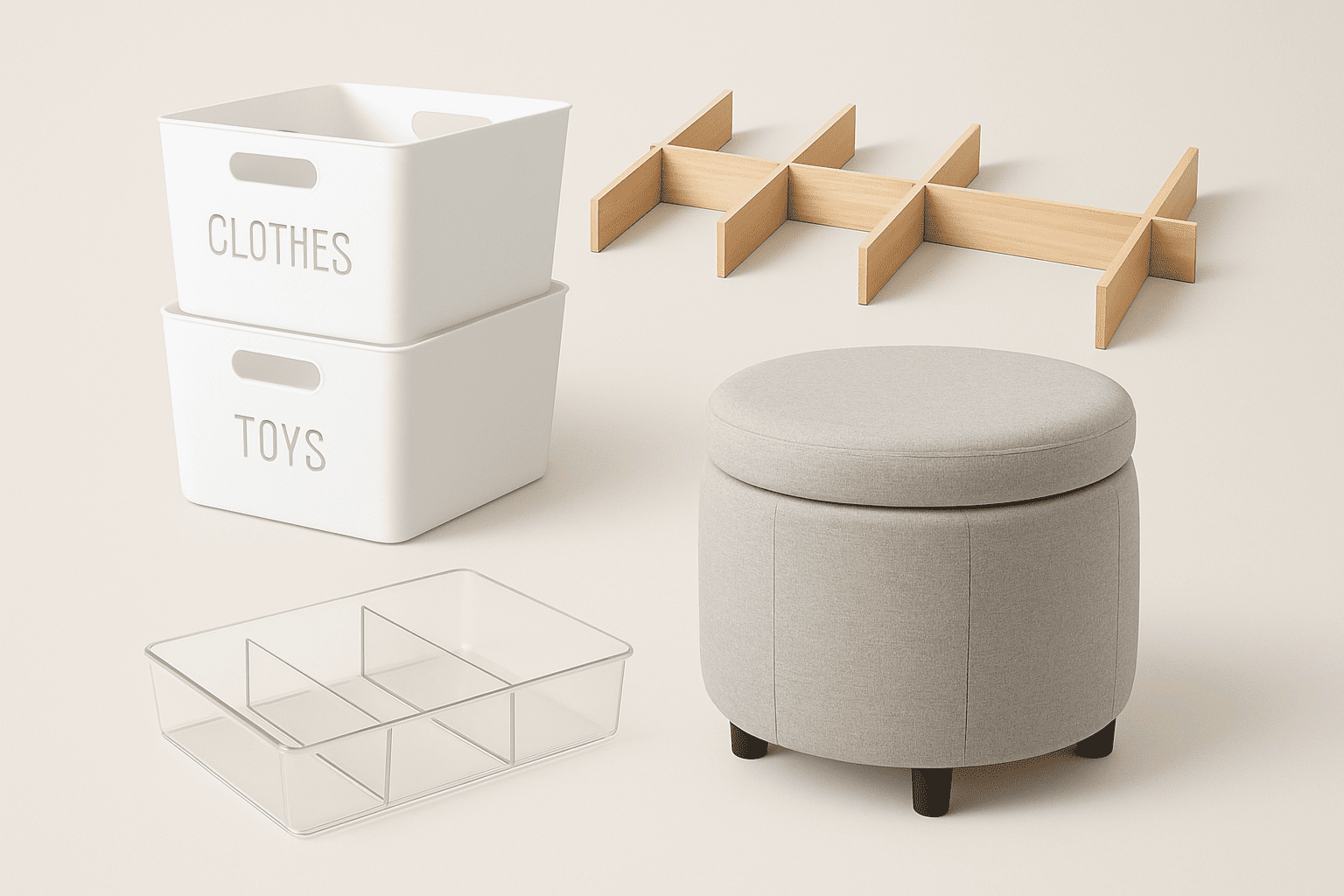
Выделите каждому предмету своё место, чтобы вам больше не пришлось ничего искать. Следуйте правилу «всему своё место»: храните инструменты там, где вы ими пользуетесь, и группируйте похожие предметы вместе. Подписывайте корзины или контейнеры для быстрого доступа. Организуйте свой домБлагодаря таким «домикам» ежедневная уборка становится очень простой. Простой этикеточный принтер или доска для надписей помогут всей семье придерживаться этого правила и поддерживать его в рабочем состоянии.
Эффективные интеллектуальные решения для хранения данных
Выберите контейнеры, подходящие вашему пространству и стилю. Для шкафов подойдут штабелируемые контейнеры, для столовых приборов — разделители для ящиков, а для кастрюль и сковородок — подвесные полки. Органайзеры для обуви, которые вешаются на дверь, отлично подойдут для хранения чистящих средств, шарфов или закусок. Многофункциональная мебель, например, пуфики со скрытым хранилищем, может служить одновременно и сиденьем, и местом для хранения. При ограниченном бюджете используйте обычные предметы по-новому. Попробуйте использовать стеклянные банки для хранения принадлежностей для рукоделия или оберните коробки из-под обуви оберточной бумагой для организации кабелей. Для более крупных проектов, таких как обустройство склада или офиса, мы предлагаем комплексные коммерческие решения. Наша команда оценит ваш рабочий процесс, а затем установит стеллажи, изготовленные на заказ. Это повысит эффективность и моральный дух на вашем рабочем месте.
Пошаговое руководство по организации пространства в доме по комнатам
Как организовать пространство в каждой комнате: стратегический подход
Начните с комнат, которыми вы пользуетесь реже. Гостевые комнаты или кладовые идеально подойдут для начала. Вы наберете темп без ежедневного давления. Затем займитесь зонами с высокой проходимостью, такими как кухни и гостиные.
Разделите время на небольшие отрезки: пятьдесят минут работы, десять минут отдыха. Это поможет вам сосредоточиться и избежать выгорания. Переходя из комнаты в комнату, применяйте тот же метод: сначала навести порядок, потом организовать пространство. Делайте фотографии «до» и «после», чтобы отслеживать прогресс и поддерживать мотивацию. И привлекайте членов семьи: поручите каждому задание, даже если это что-то простое, например, сортировку журналов.
Организация кухонного пространства
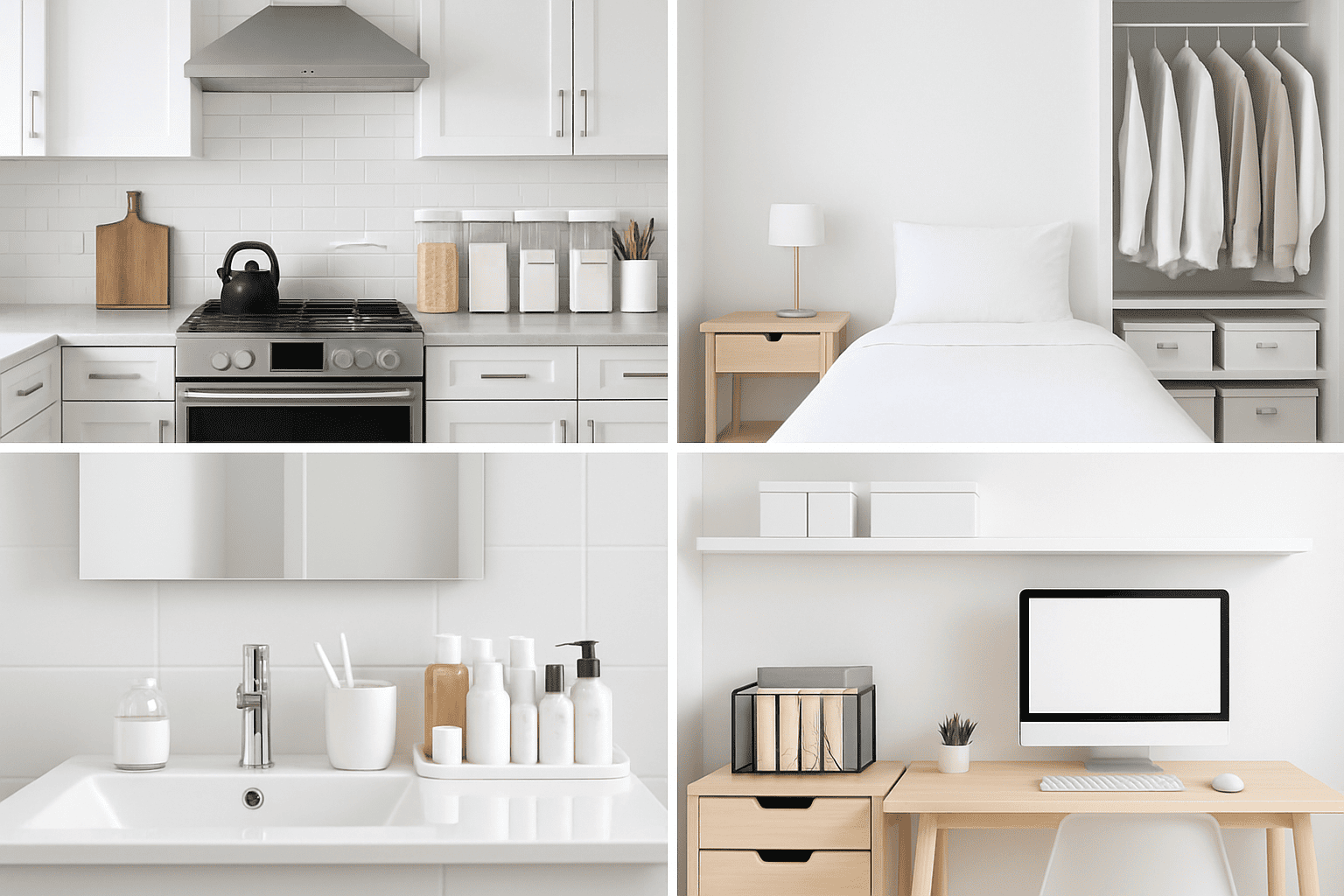
Чистая столешница значительно упрощает приготовление пищи. Уберите бытовую технику, которой вы редко пользуетесь, и храните ее в шкафах. Ежедневно протирайте поверхности, чтобы избежать беспорядка. Внутри шкафов сгруппируйте посуду по типу и частоте использования.
Расставьте обычные тарелки и миски на уровне глаз, а предметы для особых случаев — на более высоком уровне. В кладовой используйте прозрачные контейнеры для круп, закусок и принадлежностей для выпечки. Подпишите каждую банку и повесьте на дверь простой список необходимых продуктов. Так вы будете знать, когда нужно пополнить запасы. Расположите бытовую технику так, чтобы наиболее часто используемые были под рукой.
Ежедневно перед сном проводите быструю пятиминутную проверку:
- Уберите остатки еды.
- Протрите столешницы.
- Подготовьте ножи и разделочные доски на завтра.
Прочитайте эту статью о Как убрать кухню.
Гостиная
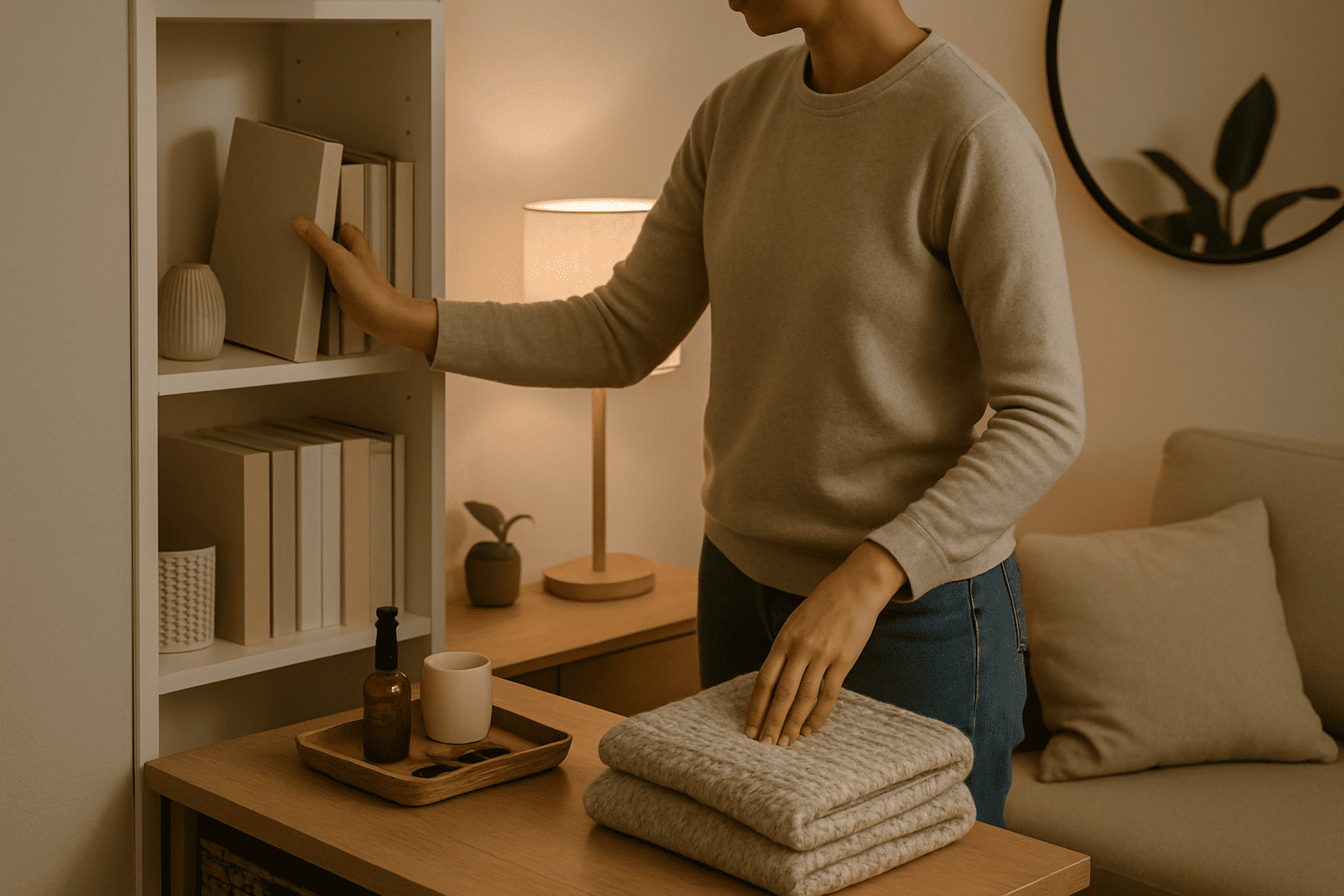
Электронные устройства и пульты дистанционного управления должны храниться в специально отведенном месте или на полке. Выберите мебель, например, пуфик со скрытым отделением для хранения, который также может использоваться как сиденье. Каждый вечер уделяйте две минуты на уборку: взбейте подушки, сложите пледы и уберите лишние вещи. Эти небольшие шаги помогут вам. Организуйте свой дом и сделайте свою гостиную всегда уютной.
Спальня
Складывайте сезонную одежду в контейнеры под кроватью, чтобы освободить место в шкафу. Оформите прикроватную тумбочку минималистично: только лампа, книга и будильник. Задвиньте коробки из-под обуви под кровать для дополнительного хранения. Для утреннего ритуала разложите одежду на завтра на стуле или крючке. Эти привычки помогут вам Организуйте свой дом Превратите спальню в уютное место для отдыха.
Ванная комната
Шкафчики в ванной часто превращаются в место для хранения туалетных принадлежностей. Разделите похожие предметы, такие как средства по уходу за кожей, инструменты для укладки волос и лекарства, на прозрачные лотки или разделители для ящиков. Храните предметы повседневного обихода на уровне глаз, а запасные — в верхнем шкафу. На столешнице храните только предметы первой необходимости в небольшом лотке, чтобы избежать визуального беспорядка. Повесьте полотенца на вешалку или крючки, чтобы освободить место на полках. Складывайте запасные полотенца вертикально, чтобы их было легко достать. Наконец, разбирайте свою аптечку каждые шесть месяцев. Выбрасывайте просроченные лекарства и оставляйте только то, что вам нужно. аккуратная ванная комната задает спокойный тон на весь день.
Домашний офис/рабочее место
Горы бумаг могут задушить ваши лучшие идеи. Внедрите простую систему хранения документов: «К выполнению», «В процессе» и «Архив». Переходите на цифровой формат, когда сможете сканировать чеки и важные документы. Для хранения канцелярских принадлежностей используйте органайзеры для ящиков или настольную подставку, чтобы поддерживать порядок на рабочем месте. В конце каждой недели уделяйте пять минут уборке рабочего стола и просмотру файлов. Храните лишние принадлежности, бумагу для принтера и конверты в подписанном контейнере под столом. Для более масштабной поддержки мы предлагаем консультации. Мы разрабатываем системы для больших офисов, которые повышают производительность и моральный дух сотрудников.
Индивидуальные решения по организации пространства для различных типов домов
Организация пространства в квартире и небольших помещениях
Жизнь в квартире требует максимального использования каждого квадратного метра при сохранении функциональности и стиля. Сосредоточьтесь на многофункциональной мебели и вертикальных решениях для хранения, которые не загромождают компактное пространство. Используйте обратную сторону дверей для хранения вещей и подумайте о контейнерах под кроватью для сезонных предметов.
В квартирах-студиях необходимо четко зонировать пространство для различных видов деятельности. Используйте перегородки со встроенными шкафами, чтобы разделить спальную, рабочую и гостиную зоны. Выбирайте многофункциональную мебель, например, пуфики с ящиками для хранения или обеденные столы с выдвижными ящиками. Оставляйте поверхности свободными, чтобы создать иллюзию большего пространства.
- Используйте настенные системы хранения, чтобы поддерживать порядок на полу.
- Выбирайте мебель со скрытыми отделениями для хранения.
- Используйте прозрачные контейнеры для обеспечения визуальной целостности.
- Внедрите системы вертикальной организации пространства в шкафах.
- Создайте выделенные зоны для различных видов повседневной деятельности.
В однокомнатных квартирах особенно полезны системы организации пространства в шкафах, позволяющие максимально эффективно использовать место для развешивания и складывания одежды. Используйте решения для хранения, соответствующие размерам вашего шкафа. Храните сезонную одежду и редко используемые вещи в труднодоступных местах. Держите предметы первой необходимости под рукой.
Организация проживания в частном доме
Большие дома создают уникальные проблемы. Больше комнат, за которыми нужно ухаживать, и дополнительное место для хранения вещей затрудняют поддержание порядка. Создайте системы для каждой комнаты, которые помогут в её основном назначении. Это также предотвратит перемещение вещей по дому.
В двухэтажных домах необходимы системы организации пространства на обоих этажах, чтобы избежать постоянных подъемов и спусков по лестнице. Храните чистящие средства на каждом этаже и организуйте прачечные, которые соответствуют планировке вашего дома. Создайте зоны отдыха возле входных дверей для хранения повседневных вещей.
- Организуйте системы хранения в каждой основной жилой зоне.
- Используйте подвальное и чердачное помещения для долгосрочного хранения.
- Создайте прихожие или зоны для организации пространства у входа.
- Организуйте хранение инструментов и сезонных вещей в гараже.
- Разработать системы для нескольких спален и ванных комнат.
В домах с несколькими спальнями необходимы индивидуальные системы организации пространства для каждого члена семьи. Научите детей организовывать пространство способами, соответствующими их возрасту. Предоставьте им простые системы, с которыми они смогут справиться самостоятельно. Создайте общие пространства, удобные для всей семьи.
Организация владельцев таунхаусов и кондоминиумов
Таунхаусы предлагают больше пространства, чем квартиры, но меньше места для хранения вещей, чем частные дома. Разумно используйте вертикальное пространство. Подумайте о встроенных системах хранения, чтобы максимально эффективно использовать нестандартные углы и пространство под лестницей. Сосредоточьтесь на системах, которые эффективно интегрируются в многоуровневое пространство.
В квартирах и таунхаусах общие стены означают, что системы хранения должны минимизировать передачу шума. Выбирайте решения для хранения, которые не требуют стука или перетаскивания. По возможности используйте ящики и дверцы шкафов с доводчиками.
- Максимально используйте потенциал хранения на лестницах и в коридорах.
- Для хранения подходящих вещей используйте наружные складские помещения.
- Координировать системы организации на нескольких уровнях.
- При выборе решений для хранения вещей у общих стен следует отдавать предпочтение бесшумным вариантам.
- Внедрите системы доступа для быстрых ежедневных перемещений.
Поддержание порядка в доме
Ежедневные привычки для долгосрочного успеха
Примите правило одного касания: разбирайтесь с почтой и документами немедленно. Каждый вечер уделяйте 15 минут наведению порядка в ключевых местах, мытье посуды, уборку курток, расстановку игрушек. Привлеките членов семьи, распределив между ними простые задачи. Эти рутины помогут вам. Организуйте свой дом ежедневно и предотвращать повторное появление беспорядка.
Контрольный список сезонного технического обслуживания
Сезонные организационные проверки помогают адаптировать системы к меняющейся погоде, видам деятельности и потребностям семьи. Каждый сезон приносит различные организационные проблемы и возможности для обновления ваших систем с целью обеспечения их оптимальной функциональности.
Организационные задачи на весну:
- Наведите порядок в шкафах и уберите зимнюю одежду на хранение.
- Подготовьте все необходимые принадлежности для весенней уборки и составьте график генеральной уборки.
- Переберите детскую одежду и найдите вещи, которые вам больше не подходят по размеру.
- Организуйте расположение садовой мебели и принадлежностей для удобного доступа.
- Пересмотрите и обновите комплекты для подготовки к чрезвычайным ситуациям после зимы.
- Избавьтесь от продуктов, накопившихся в кладовой за зимние месяцы.
- Организуйте хранение весеннего спортивного инвентаря и снаряжения для активного отдыха на природе.
Приоритеты организации летнего сезона:
- Организуйте хранение туристического снаряжения в легкодоступных местах.
- Установите системы хранения на открытом воздухе для игрушек для бассейна и летнего инвентаря.
- Разберите летнюю одежду и уберите тяжелые зимние вещи.
- Создайте системы для управления увеличением количества белья, стираемого после активного отдыха на природе.
- Организуйте хранение садового инвентаря в гараже или на открытом воздухе.
- Создайте системы для летних развлечений и обедов на открытом воздухе.
- Организуйте подготовку летних развлечений для детей и лагерную подготовку.
Организационная работа на осень:
- Организуйте подготовку к началу учебного года и обустройте рабочие места для выполнения домашних заданий.
- Уберите летнюю одежду на хранение и достаньте осенний гардероб.
- Подготовьте зимнюю экипировку и снаряжение до наступления холодов.
- Проверьте и обновите комплекты для подготовки к зимним бурям.
- Организуйте хранение праздничных украшений и спланируйте переходы между сезонами.
- Уберите летние вещи и приведите в порядок принадлежности для занятий в помещении.
- Разработать системы для управления возросшим объемом бумажной работы, связанной со школьными занятиями и внеклассными мероприятиями.
Необходимые элементы организации пространства зимой:
- Организуйте зимнюю одежду и снаряжение для удобного доступа каждый день.
- Создайте системы организации пространства в помещении, чтобы проводить больше времени дома.
- Подготовьте материалы для упаковки подарков к праздникам и сезонные украшения.
- Создать системы управления оборудованием для зимних видов спорта.
- Организуйте хранение спортивного инвентаря и принадлежностей для занятий спортом в помещении.
- Создайте уютные системы организации пространства, чтобы проводить больше времени всей семьей дома.
- Спланируйте и организуйте запасы для подготовки к чрезвычайным ситуациям в зимний период.
Регулярное сезонное обслуживание предотвращает устаревание и неэффективность систем организации пространства. Планируйте ежеквартальные проверки, чтобы оценить, что работает хорошо, а что нуждается в корректировке в зависимости от меняющихся потребностей и занятий вашей семьи.
Когда следует обратиться за профессиональной помощью
Иногда вам нужна дополнительная помощь. Если вы чувствуете, что зашли в тупик, испытываете тревогу или если ваши проекты никак не могут быть завершены, профессиональный организатор может помочь. Он предлагает проверенные методы и практическую поддержку. Это инвестиция, которая часто окупается за счет экономии времени и снижения стресса.
Организация, использующая технологии
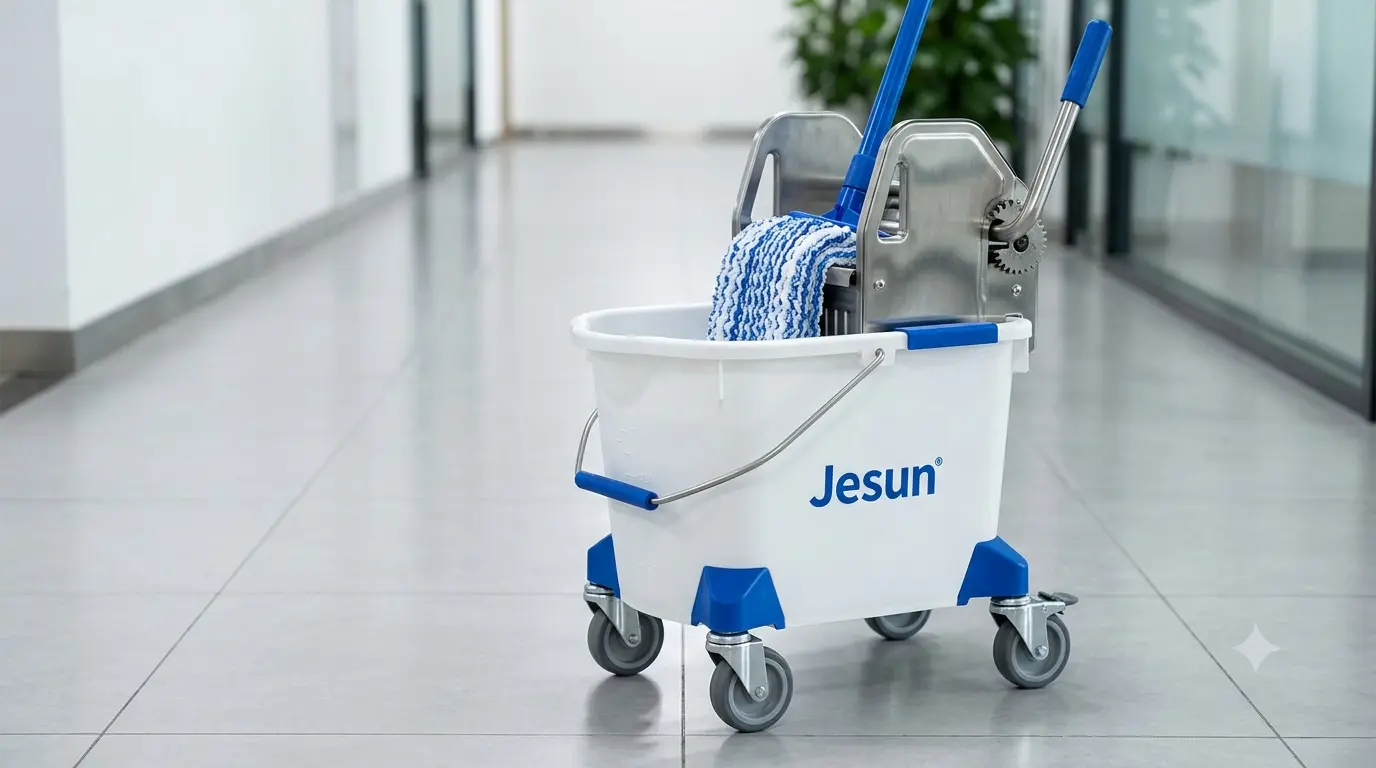
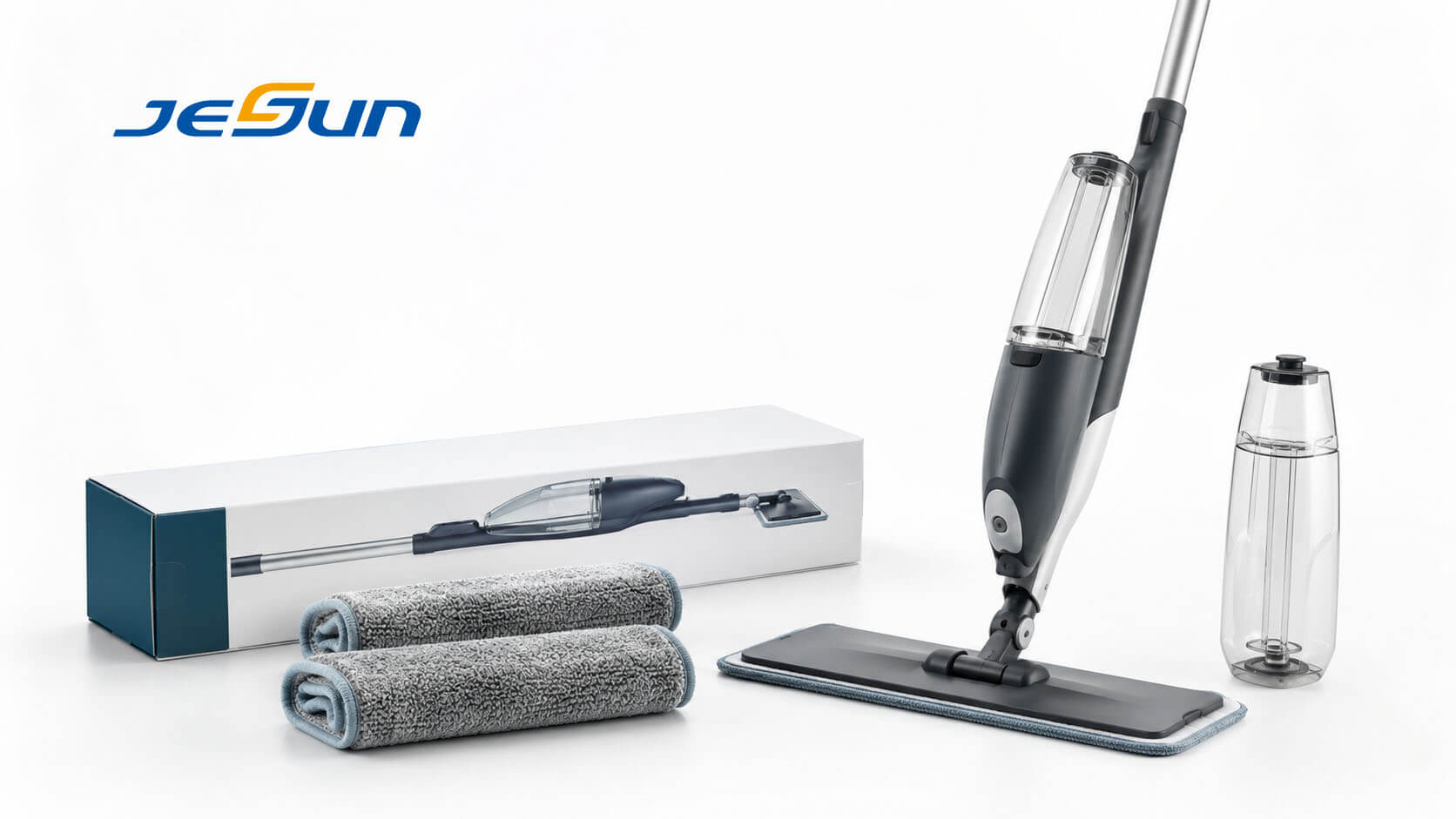
Воспользуйтесь преимуществами интеллектуальных инструментов, таких как инновационная система уборки Jesun. электрическая швабра Самоочищается и сушится. Просто нажмите кнопку на ведре, и вам не придется мыть швабру вручную. Низкий уровень шума позволяет убирать даже ночью. Беспроводная вращающаяся швабра вращается 200 раз в минуту, сокращая время удаления грязи. Ее микрофибровая насадка впитывает воду, устойчива к истиранию и не повреждает пол. Используйте этот гаджет с простым приложением для учета или контейнерами для хранения с QR-кодами. Это простой способ поддерживать порядок в доме с меньшими усилиями.
Продвинутые советы по наведению порядка для решения конкретных проблем
Работа с эмоциональной привязанностью
Сентиментальные вещи проверят вашу решимость. Начните с того, что соберите памятные вещи в одну коробку. Возьмите каждую вещь в руки один раз и решите, вызывает ли она радость или просто чувство вины. Попробуйте «правило года»: если вы не использовали или не смотрели на вещь в течение года, отпустите её. Отсканируйте фотографии и сохраните цифровые копии, чтобы сохранить воспоминания, не загромождая пространство горами бумаг. Для вещей, с которыми вы никак не можете расстаться, создайте небольшую полку для воспоминаний. Вид тщательно подобранной коллекции позволит вам почтить прошлое, не чувствуя себя подавленным. Если отпустить кажется слишком сложным, работайте короткими сессиями, по пять вещей за раз, чтобы избежать перегрузки.
Организация мероприятий с участием детей и семей.
Системы, удобные для детей, размещают все предметы на уровне их роста. Используйте низкие крючки для рюкзаков и корзины для игрушек. Подписывайте контейнеры картинками и словами, чтобы дети знали, куда возвращать вещи. Сделайте организацию частью своей повседневной жизни: проводите пятиминутные сеансы уборки игрушек перед тем, как дети начнут пользоваться гаджетами. Приучайте подростков к простым привычкам, таким как развешивание рубашек и сортировка школьных документов. В общих помещениях создавайте четкие зоны. Оборудуйте уголок для чтения, место для выполнения домашнего задания и игровой уголок. Это поможет ограничить наложение предметов. Поощряйте детей, превращая уборку в игру. Семья, которая организует пространство вместе, формирует хорошие привычки и наслаждается более спокойной атмосферой дома.
Заключение
Вы уже поняли почему. организация дома Сначала я научился наводить порядок, а затем освоил интеллектуальные системы для каждой комнаты. Теперь выберите небольшой участок, например, шкаф или столешницу, и посвятите этому всего десять минут. Организуйте свой дом Сегодня. Прогресс важнее совершенства. Шаг за шагом вы превратите свое пространство в спокойный, свободный от беспорядка оазис, которого вы заслуживаете. Если вы когда-нибудь почувствуете, что застряли, обратитесь за профессиональной помощью или воспользуйтесь интеллектуальными инструментами от [название компании]. ДжесунЭто облегчает поддержание спокойного и свободного от беспорядка пространства.



 Russian
  English
  Spanish
  Arabic