

Оптовая торговля или дропшиппинг? В случае с чистящими средствами честный ответ часто звучит так: «И то, и другое».
Вкратце: Оптовая продажа Это означает, что вы закупаете товары оптом (часто с низкими минимальными объемами заказа у производителя), храните их на складе и отгружаете самостоятельно — вы сохраняете маржу, которая получается при прямых закупках у производителя, и полный контроль над брендингом, упаковкой и доставкой, но при этом несете риск, связанный с наличием товаров на складе. Дропшиппинг Это означает, что поставщик хранит товар на складе и отправляет его вашему клиенту от вашего имени — это значительно снижает ваши первоначальные инвестиции в складские запасы, но маржа, как правило, меньше, а качество доставки зависит от поставщика. Инструменты для уборки — особый случай: большинство обычных инструментов, таких как швабры, метлы, щетки и скребки, не регулируются как опасные материалы, как многие химические чистящие средства, и это товары, которые покупаются повторно — что делает их одной из немногих категорий, где оба Модели действительно работают. Проверенный путь: тестируйте новые товары с помощью дропшиппинга, а затем переводите успешные товары на оптовую продажу, чтобы зафиксировать прибыль.
Введение
Рынок чистящих средств — это крупный и постоянно растущий рынок; по оценкам, объем мирового рынка товаров для уборки составляет десятки миллиардов долларов (в одном из отчетов за 2025 год эта цифра составила приблизительно...). $42,8 миллиарда Согласно более узкому определению (другие источники указывают более высокую цену на более широкий рынок), а стоимость бытовых чистящих средств и принадлежностей, по сообщениям, составляла около $19,77 млрд в 2025 году. Обе цифры получены на основе разных определений рынка и не предназначены для суммирования. Поэтому вопрос не в этом. ли продавать чистящие средства. как — Оптовая торговля или дропшиппинг?
Большая часть информации, которую вы найдете в интернете, написана дропшиппинг-платформами, продающими собственные инструменты, или логистическими компаниями, продающими собственные склады. Практически ничего из этого не написано теми, кто действительно производит инструменты для уборки и продает их обоими способами. Мы являемся производителем инструментов для уборки (швабры, метлы, щетки, скребки) и работаем по обеим моделям: оптовая торговля с минимальным объемом заказа от 100 единиц и дропшиппинг со складов в США и Индонезии.
В этом руководстве честно сравниваются два подхода — маржа, риски, связанные с запасами, брендинг, выполнение заказов и масштабируемость — чтобы вы могли выбрать направление, подходящее для вашего бизнеса, или последовательно использовать оба. Никакой рекламы платформ.

Оптовая торговля против дропшиппинга: краткий обзор
Обе модели позволяют зарабатывать деньги на чистящих средствах. Разница лишь в том, чем вы торгуете:
- Оптовая торговля = обмен оборотного капитала на контроль. Вы инвестируете в товарные запасы, а взамен получаете прибыль, получаемую за счет прямых продаж от производителя, собственного бренда и упаковки, а также эксклюзивного опыта доставки.
- Дропшиппинг = обмен наценки на скорость и низкий риск. Вы запускаете бизнес с гораздо меньшими первоначальными инвестициями, но взамен соглашаетесь на меньшую прибыль с каждого заказа и полагаетесь на эффективность доставки вашего поставщика.
Вот сравнение факторов, которые действительно имеют значение:
| Фактор принятия решения | Оптовая продажа | Дропшиппинг |
|---|---|---|
| Стартовый капитал | Запасы + хранение + транспортные расходы (могут быть снижены при низких минимальных объемах заказа) | Низкая стоимость; вы платите за каждый заказ — но платформа, домен и реклама все равно стоят денег. |
| Валовая прибыль | Как правило, цены выше при покупке напрямую у производителя; варьируются в зависимости от продукта, канала продаж и объема заказа. | Как правило, тоньше; толщина варьируется в зависимости от продукта, рынка и канала сбыта. |
| Риск, связанный с запасами | Вы владеете акциями; медленные продавцы замораживают денежные средства. | Поставщик владеет товарными запасами; вы избегаете большинства рисков, связанных с запасами, но остаетесь подвержены рискам, связанным с выполнением заказов и обслуживанием клиентов. |
| Бренд и упаковка | Полный контроль (собственная торговая марка, индивидуальная упаковка) | Ограниченный ассортимент; обычно товар и упаковка имеются у поставщика. |
| Скорость доставки | Вы выбираете оператора связи и скорость. | Зависит от местоположения склада поставщика. |
| Масштабируемость | Обеспечивает экономическую эффективность на единицу продукции в масштабе производства. | Быстрое размещение большого количества товарных позиций, меньшая прибыль с единицы товара. |
Одно честное замечание по поводу цифр: Оптовая торговля может обеспечить более высокую валовую прибыль при покупке по ценам производителя, в то время как дропшиппинг, как правило, предполагает некоторую долю прибыли в обмен на снижение риска, связанного с наличием запасов. Фактическая маржа варьируется в зависимости от категории товара, канала продаж, стоимости доставки и объема заказов — рассматривайте любой отдельный показатель как отправную точку, а не как обещание.
Главный вывод не в том, что один «лучше». Они оптимизированы для разных целей, что и делает их таковыми. дополнительный вместо того, чтобы конкурировать. Читайте дальше, чтобы узнать подробности, а затем ознакомьтесь с гибридным вариантом. раздел 6.
Какая модель подходит именно вам?
Подберите модель, соответствующую вашим клиентам, капиталу и целям вашего бренда. Честная версия контрольного списка:
Выберите оптовую продажу, если вы…
- У нас уже есть клиенты — заключенные контракты, дистрибьюторская сеть или розничная база — которые покупают оптом.
- Продажи B2B: клининговым компаниям, отелям, школам, управляющим недвижимостью или другим дистрибьюторам.
- Хотите создать собственную торговую марку: ваш бренд, ваша упаковка, ваши технические характеристики продукта.
- Может вести учет запасов и управлять выполнением заказов.
- Важно учитывать экономику производства — ваши затраты на единицу продукции снижаются с увеличением объема продаж.
Выберите дропшиппинг, если вы…
- Проводят тестирование рынка или проверяют нишу на соответствие требованиям, прежде чем вкладывать капитал.
- Хотите минимизировать запасы товара?
- Продавайте напрямую потребителям (DTC) онлайн.
- Хотите быстро протестировать множество товарных позиций и недорого отсеять неэффективные?
- У нас уже налажен сильный цифровой маркетинг — контент, реклама, присутствие на маркетплейсах.
Это руководство написано для покупателей, которые непосредственно занимаются продажей чистящих средств, а не для тех, кто следит за трендами в электронной коммерции:
- Дистрибьюторы чистящих средств расширение ассортимента продукции
- компании по поставке товаров для уборки обслуживание коммерческих счетов
- Розничные торговцы и продавцы электронной коммерции добавление артикулов чистящих средств
- Бренды под собственной торговой маркой создание собственной продукции
- Предприятия по поставке оборудования и оборудования указанная цена и пополнение запасов по контракту
- Новые марки чистящих средств решение о способе запуска
Самый быстрый способ определить свою нишу: разделение на B2B и DTC. Оптовая торговля особенно хорошо подходит для B2B-бизнеса и бизнеса под собственной торговой маркой, в то время как дропшиппинг особенно полезен для продаж DTC и тестирования продукции с низким риском — хотя дропшиппинг B2B тоже существует (поставщик → розничный продавец или дистрибьютор → конечный клиент).
| Оптовая продажа | Дропшиппинг | |
|---|---|---|
| B2B | Отличный | Ограниченный |
| DTC | Умеренный | Отличный |
| Частная торговая марка | Отличный | Ограниченный |
| Инвестиции в товарные запасы | Выше | Ниже |
| Тестирование продукта | Умеренный | Отличный |
| Долгосрочное построение бренда | Отличный | Умеренный |
Если вы дистрибьютор товаров для уборки или поставщик для хозяйственных нужд, оптовая торговля — очевидный путь. Если вы — бренд, работающий по модели прямых продаж потребителям (DTC), и тестируете спрос, дропшиппинг позволит вам быстрее всего запустить продукт. Если вы создаёте собственный бренд чистящих средств, проверенный путь — дропшиппинг для тестирования, а оптовая торговля — для масштабирования.
Уже знаете свой маршрут? Узнать цены →
Что на самом деле означает «оптовая торговля» в отношении чистящих средств
В оптовой торговле вы закупаете чистящие средства оптом у производителя или дистрибьютора и перепродаете их по собственным ценам — и, если хотите, под собственной торговой маркой. Типичная схема работы перепродавца чистящих средств выглядит следующим образом:
- Выберите поставщика и ассортимент продукции (швабры, метлы, щетки, скребки, ведра и т. д.).
- Заказывайте в пределах минимального объема заказа поставщика — в программах прямых поставок с низким минимальным объемом заказа первый заказ может быть небольшим (например, компания JESUN начинает с 100 единиц некоторых товаров).
- Переместите товар на свой склад или на склад 3PL.
- Выполняйте заказы для своих собственных клиентов: клининговых компаний, отелей, школ, розничных магазинов или конечных потребителей.
Кому это подходит: Реселлеры, которые уже имеют или формируют клиентскую базу и хотят работать в качестве настоящего дистрибьютора чистящих средств: продавать клиентам B2B, таким как клининговые компании и управляющие недвижимостью, или создавать собственный бренд. Оптовые покупатели пополняют запасы по графику, что превращает разовые продажи в предсказуемый постоянный доход.
Экономический аспект: Покупка товаров напрямую у производителя по оптовым ценам может обеспечить более высокую валовую прибыль, чем дропшиппинг, поскольку отсутствует посредническая наценка, и вы сами устанавливаете цену перепродажи. Фактическая маржа варьируется в зависимости от категории товара, канала продаж, стоимости доставки и объема заказов, но структурное преимущество реально: вы получаете маржу, которую в противном случае получили бы поставщики и торговые площадки, работающие по схеме дропшиппинга. Поскольку чистящие средства — это товары, которые покупаются повторно (насадки для швабр изнашиваются, метлы заменяются), оптовые покупатели возвращаются — и именно на этом постоянном доходе строится дистрибьюторский бизнес.
Преимущества оптовой торговли: Потенциальная маржа от прямых продаж с завода, собственный бренд, предсказуемая выручка от пополнения запасов, улучшение экономической эффективности по мере масштабирования бизнеса.
Оптовые риски: Вы замораживаете денежные средства в товарных запасах, товары с низким спросом съедают ваш оборотный капитал, и вам приходится самостоятельно заниматься логистикой и возвратами.

Что на самом деле означает «дропшиппинг» для чистящих средств
В дропшиппинге вы размещаете товары в своем магазине, не резервируя их. Когда покупатель делает заказ, вы пересылаете заказ поставщику, который комплектует, упаковывает и отправляет товар напрямую вашему покупателю. Ваша задача — маркетинг, мерчандайзинг и обслуживание клиентов, а не управление запасами.
Почему дропшиппинг чистящих средств проще, чем дропшиппинг чистящих химикатов?
Большинство обычных чистящих инструментов, таких как швабры, метлы, щетки и скребки, не подходят для уборки. не классифицируются как опасные материалы Аналогично многим химическим чистящим средствам. Однако требования к доставке по-прежнему зависят от конкретного продукта, материалов, упаковки и места назначения — поэтому уточняйте все детали у поставщика и перевозчика, прежде чем принимать решение о доставке, а не предполагайте, что любое чистящее средство доставляется куда угодно.
Еще две особенности делают чистящие средства перспективной категорией для дропшиппинга: повторная покупка (Насадки для швабр и щетки изнашиваются с предсказуемой периодичностью, поэтому покупатели делают повторные заказы) и управляемый груз (Швабры и ведра более громоздкие, чем бутылки с химическими средствами, что увеличивает стоимость доставки за единицу товара — но их более высокая цена за единицу и маржа компенсируют это).
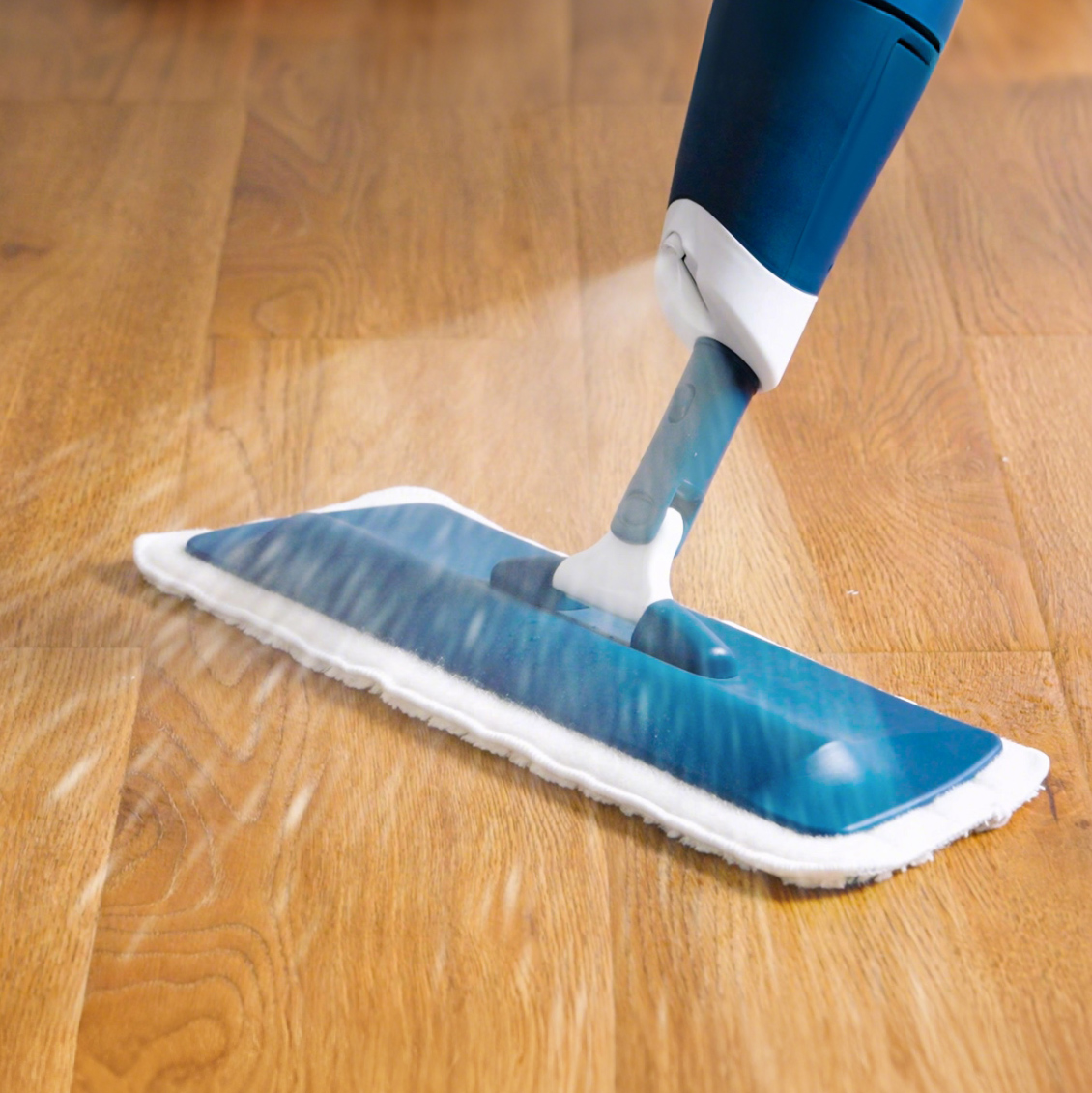
Экономическая сторона вопроса — если говорить честно: Дропшиппинг жертвует маржой ради снижения риска, связанного с наличием товаров на складе. Поскольку вы покупаете по цене поставщика, готового к отправке, и дополнительно оплачиваете расходы платформы и затраты на привлечение клиентов, маржа за заказ, как правило, меньше, чем при оптовой торговле. Многие дропшиппинг-магазины не могут стать устойчиво прибыльными, потому что затраты на привлечение клиентов, выполнение заказов, возвраты и расходы платформы могут быстро истощить доступную маржу — именно поэтому большинство операторов, зарабатывающих реальные деньги, рассматривают дропшиппинг как испытательный полигон, а не как конечную цель.
Чтобы понять почему, смоделируйте типичный заказ, прежде чем его оформлять. Вот наглядный пример экономики единицы продукции для инструмента средней ценовой категории — скажем, швабры с распылителем или комплекта насадок для швабры по цене $39.99:
| Элемент | Пример |
|---|---|
| Цена продажи | $39.99 |
| себестоимость продукции | $12.00 |
| Комплектация заказов и доставка | $8.00 |
| Платежные/платформенные комиссии | $2.00 |
| Реклама | $7.00 |
| Предполагаемый вклад | $10.99 |
Это лишь иллюстративный пример — реальные экономические показатели могут различаться в зависимости от продукта, рынка и канала сбыта. Обратите внимание, что Вклад в прибыль не то же самое, что чистая прибыль.Накладные расходы, возвраты, налоги и другие операционные издержки могут снизить конечную прибыль. Дело не в том, что дропшиппинг «не может работать», а в том, что ваша прибыль с каждого заказа зависит от измеримых затрат, а не от заявленной прибыли.
Преимущества дропшиппинга: Значительное сокращение первоначальных инвестиций в складские запасы, запуск за считанные дни, тестирование десятков товарных позиций без риска потери запасов, быстрое масштабирование успешных продуктов.
Риски дропшиппинга: Более низкая маржа, вы не контролируете процесс доставки, возвраты и обмены съедают прибыль, а качество зависит только от поставщика.
Оптовая торговля против дропшиппинга чистящих средств: 7 реальных различий.
1. Стартовый капитал
Дропшиппинг значительно сокращает первоначальные инвестиции в товарные запасы — вы, как правило, закупаете товар только после получения заказа от клиента, а не вкладываете капитал в оптовые поставки сразу (расчеты платежей, блокировки на платформе и расходы на рекламу все еще могут вызывать дефицит денежных средств). Оптовая торговля требует оборотного капитала для хранения, складирования и доставки. Низкие минимальные объемы заказа (MOQ) при прямых поставках с завода — JESUN начинает поставки некоторых товаров со 100 единиц — позволяют новым реселлерам поддерживать этот уровень на приемлемом уровне.
2. Валовая прибыль
Оптовые цены позволяют вам устанавливать собственную цену перепродажи, исходя из себестоимости продукции непосредственно у производителя, что, как правило, обеспечивает более высокую валовую прибыль, чем дропшиппинг, где наценка поставщика, а зачастую и торговой площадки, находится между вами и заводом. Фактическая маржа варьируется в зависимости от продукта, канала сбыта, стоимости доставки и объема заказа, поэтому, прежде чем принимать решение по какому-либо из этих вариантов, рассчитайте собственную экономику единицы продукции.
3. Риск, связанный с запасами
Оптовая торговля означает, что медленно продающийся товар замораживает денежные средства, которые могли бы быть использованы в других целях. Дропшиппинг перекладывает большую часть рисков, связанных с запасами, на поставщика, но вы по-прежнему несете риски, связанные с выполнением заказов, качеством, возвратом средств, аннулированием платежей и привлечением клиентов. Для начинающего продавца, тестирующего спрос, профиль рисков дропшиппинга действительно более щадящий.
4. Бренд и упаковка
При оптовой торговле вы можете использовать собственную торговую марку: свой логотип, свои цвета, свою упаковку, свои вкладыши. При дропшиппинге вы в основном продаете товары поставщика через свой интернет-магазин. Если вы планируете создать бренд (а большинство успешных реселлеров это делают), традиционная частная торговая марка обычно требует оптового заказа или заказа с минимальным объемом заказа (MOQ), поскольку для изготовления индивидуальной упаковки и разработки технических характеристик продукта требуется предварительное производство — хотя некоторые поставщики также предлагают индивидуальную упаковку и фирменные вкладыши с низким MOQ. См. как запустить собственный бренд чистящих средств Полный текст правил доступен по ссылке.
5. Скорость доставки и опыт.
Оптовая торговля: вы выбираете перевозчика и даете обещания. Дропшиппинг: ваша репутация зависит от склада поставщика. Именно поэтому дропшиппинг с местным складом имеет значение — если у вашего поставщика есть склад в США или регионе, сроки доставки могут быть существенно сокращены по сравнению с доставкой из-за рубежа. Местоположение склада является важным фактором выполнения заказов для дропшиппинга, поскольку оно влияет на время доставки, стоимость доставки и общее впечатление клиента.
6. Пригодность для B2B-сектора
Именно это различие упускают из виду большинство общих сравнений. Оптовая торговля идеально подходит для покупателей B2B. — дистрибьюторы, компании по поставке товаров для уборки и предприятия, занимающиеся обустройством помещений, которые заключают контракты, заказывают оптом и пополняют запасы по графику. Дропшиппинг подходит для брендов, работающих по модели прямых продаж потребителям (DTC), которые тестируют потребительский спрос по одному заказу за раз. Если ваш план получения дохода зависит от оптовых заказов и повторных контрактов, то оптовая торговля выигрывает; если же он зависит от онлайн-трафика потребителей, то дропшиппинг позволяет вам быстрее начать работу.
7. Масштабируемость и соответствие требованиям
Оптовая торговля масштабируется с предсказуемой экономикой на единицу продукции — ваши затраты на единицу продукции снижаются по мере роста объема. Дропшиппинг быстро масштабируется за счет увеличения количества SKU, но каждая продажа будет меньше. Соблюдение нормативных требований также отличается: оптовые импортеры имеют дело с таможней, тарифами и документацией; дропшипперы полагаются на своих поставщиков в решении этих вопросов (еще одна причина выбирать поставщиков, которые поддерживают соблюдение этих требований). DDP — Доставка с оплатой пошлины).
Гибридная модель: быстрое тестирование, разумное масштабирование.
Вот закономерность, которую мы наблюдаем среди успешных продавцов чистящих средств — и это не оптовая торговля. или Дропшиппинг – это и то, и другое, в последовательности:
- Протестируйте с дропшиппингом. Перечислите широкий ассортимент чистящих средств (насадки для швабр, щетки для чистки, тряпки для пыли, скребки) из каталога поставщика, готового к отгрузке. Обратите внимание на три показателя: коэффициент конверсии, коэффициент повторных продаж и стоимость доставки, рассматривая их как % (единица измерения цены).
- Продвигайте победителей. Вашими кандидатами являются товары, по которым поступают реальные повторные заказы и которые приносят значительную прибыль — именно их стоит включить в свой портфель.
- Масштабирование успеха за счет оптовой торговли. Заказывайте проверенные товары оптом (при минимальном объеме заказа 100 единиц или более), выпускайте их под собственной торговой маркой, если вы создаете бренд, и передавайте их на собственный склад для более быстрой доставки и большей прибыли с единицы товара.
- Продолжайте заниматься дропшиппингом для экспериментов. Используйте дропшиппинг как канал для постоянного тестирования, пока оптовая торговля и производство товаров под собственной торговой маркой формируют ваши каналы постоянного дохода.
Для компаний, стремящихся снизить риски, связанные с запасами, такой подход «тестирование и масштабирование» может сделать оптовые закупки более основанными на данных — вы никогда не платите за запасы товара, который еще никто не покупал, и вкладываете капитал только после подтверждения спроса. И легко запустить обе модели с одним поставщиком, если этот поставщик поддерживает обе модели. готовый к отправке дропшиппинг и оптовая торговля с низким минимальным объемом заказа (Так мы и работаем).
Что считается «победой»? Используйте конкретные критерии, а не интуицию — товар стоит переводить на оптовый рынок, когда он демонстрирует большинство своих характеристик:
- Стабильный спрос: Стабильные заказы в течение 2–4 недель подряд с положительной маржой прибыли.
- Повторные сигналы: повторные покупки или повторные посещения для приобретения одного и того же товара.
- Здоровая экономика судоходства: Стоимость доставки остается в пределах примерно 25–301 тыс. трлн долларов от продажной цены.
- Признаков низкого качества нет: Отсутствуют какие-либо закономерности в жалобах, возвратах или негативных отзывах о самом товаре.
Простое правило принятия решения:
- Уже есть спрос? → Оптовая торговля.
- Не знаете, какой товар будет хорошо продаваться? → Дропшиппинг.
- Создание бренда? → Оптовая торговля / Торговая марка.
- Проверяете перед инвестированием? → Сначала дропшиппинг, потом оптовая торговля.
Как выбрать поставщика для каждой модели
Какую бы модель вы ни выбрали, успех вашего проекта будет зависеть от поставщика больше, чем от самой модели. Используйте этот контрольный список при оценке поставщика чистящих инструментов:
- Минимальный объем заказа соответствует требованиям. Для оптовых закупок ищите поставщиков с действительно низкими минимальными объемами заказа (например, JESUN начинает с 100 единиц некоторых товаров), чтобы можно было начать с малого. Для дропшиппинга требования другие — вам нужен поставщик, который продает отдельные единицы товара, а не только паллеты.
- Местоположение склада. Для дропшиппинга наличие товара на местном складе имеет решающее значение: склад в США или регионе может существенно сократить время доставки по сравнению с доставкой из-за рубежа, а более быстрая доставка, как правило, снижает процент возвратов.
- Качество и соответствие стандартам. Поинтересуйтесь у поставщика о процессе контроля качества, технических характеристиках материалов, протоколах испытаний и любой документации, соответствующей требованиям конкретного рынка, необходимой для продукции, которую вы планируете продавать, — например, о применимых требованиях CE, обязательствах REACH или других документах, специфичных для данного рынка.
- Поддержка DDP. Для оптовых импортеров услуга Delivered Duty Paid упрощает таможенное оформление и обеспечивает предсказуемую стоимость товара с учетом всех расходов.
- Возможности брендинга. Если вы планируете продавать товары под собственной торговой маркой, поставщик должен будет заняться изготовлением индивидуальной упаковки, нанесением логотипа и размещением вкладышей — большинство платформ для дропшиппинга этого не могут.
- Каталог, готовый к отправке. Самый быстрый способ начать заниматься дропшиппингом — это найти поставщика с товарами в наличии, готовыми к отправке, и уже существующими объявлениями на торговой площадке.
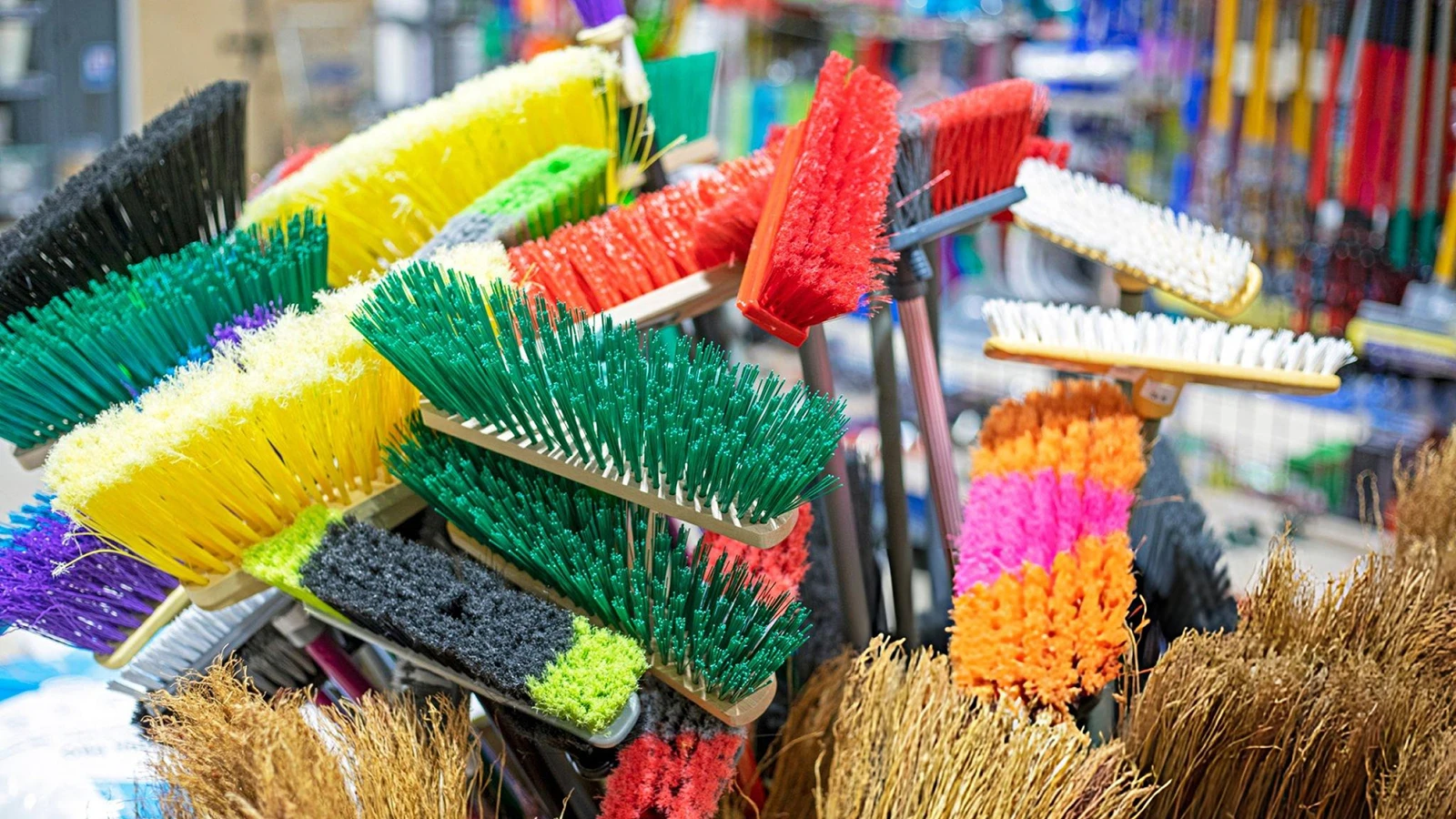
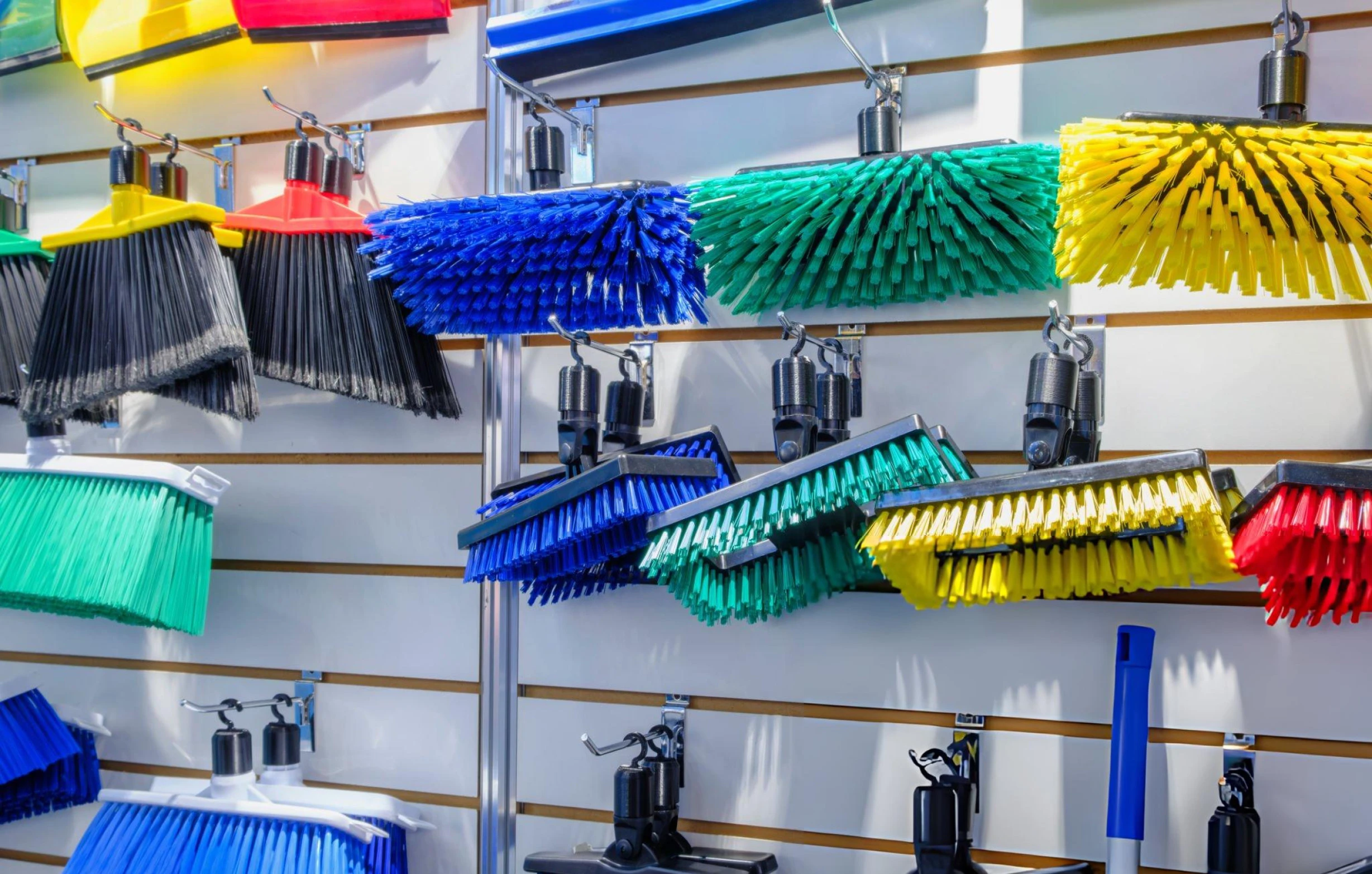
Хотите увидеть, как выглядит настоящий каталог чистящих средств? Категории, с которых начинают большинство покупателей — наши швабры из микрофибры, распылительные швабры, метлы, кисти и скребки — Все товары доступны оптом с низкими минимальными объемами заказа и готовы к отгрузке для дропшиппинга.
Мы построили нашу компанию таким образом, чтобы охватить все эти аспекты: Минимальный объем заказа (MOQ) составляет всего 100 единиц для отдельных товарных позиций., Дропшиппинг со складов в США и Индонезии., ДДП, Индивидуальная упаковка и продукция под собственной торговой маркойи а каталог, готовый к отправке для быстрого старта. Если вы сравниваете варианты поставок, два других наших руководства подробно описывают этот вопрос: ведущие дистрибьюторы товаров для уборки и как найти поставщиков чистящих инструментов за пределами Китая.
Часто задаваемые вопросы
В чём разница между оптовой продажей чистящих средств и дропшиппингом?
В оптовой торговле вы закупаете чистящие средства оптом у производителя, храните запасы и самостоятельно выполняете заказы — вы контролируете цены, брендинг и доставку, а также несете риски, связанные с запасами. В дропшиппинге поставщик хранит запасы и отправляет товары вашему клиенту, поэтому вы инвестируете меньше средств на начальном этапе, но получаете меньшую прибыль с каждого заказа и зависите от выполнения заказов поставщиком. Полный анализ представлен в сравнительной таблице и описаны 7 ключевых отличий выше.
Выгоднее ли оптовая торговля для компаний, занимающихся поставками чистящих средств для бизнеса (B2B)?
Для дистрибьюторов, компаний по поставке товаров для уборки, предприятий по обслуживанию зданий и брендов, продающих продукцию под собственной торговой маркой другим компаниям, оптовая торговля обычно является более подходящим вариантом: покупатели B2B заказывают оптом, нуждаются в постоянном наличии товара, индивидуальной упаковке и предсказуемых ценах — всё это обеспечивает оптовая торговля, чего дропшиппинг в значительной степени не может обеспечить. Дропшиппинг — это, прежде всего, экспериментальная модель прямых продаж потребителям.
Можно ли заниматься дропшиппингом чистящих средств?
Да. Большинство обычных чистящих инструментов, таких как швабры, метлы, щетки и скребки, не относятся к категории опасных материалов, как многие химические чистящие средства, что упрощает их доставку со складов за рубежом. Тем не менее, требования к доставке все еще зависят от конкретного продукта, материалов, упаковки и места назначения — уточните у поставщика и перевозчика перед тем, как принимать решение о масштабировании.
Подходит ли дропшиппинг для продажи чистящих средств под собственной торговой маркой?
Традиционная продажа товаров под собственной торговой маркой обычно требует оптовых заказов или заказов с минимальным объемом заказа (MOQ), поскольку изготовление индивидуальной упаковки и разработка технических характеристик продукции требуют предварительного производства. Дропшиппинг, как правило, продает готовые к отгрузке товары поставщика через ваш интернет-магазин — хотя некоторые поставщики предлагают индивидуальную упаковку с низким MOQ и фирменные вкладыши. Обычно сначала тестируют спрос с помощью дропшиппинга, а затем переносят успешные товары на оптовый рынок под собственной торговой маркой.
На что следует обратить внимание при выборе поставщика чистящих средств?
Проверьте соответствие минимальному объему заказа (низкие минимальные объемы заказа для тестирования оптовой торговли; дропшиппинг отдельных единиц, если вы начинаете прямые продажи потребителям), местоположение склада (местный склад сокращает сроки доставки), контроль качества и сертификаты, поддержку DDP для импорта, возможность брендирования для частной торговой марки и готовый к отгрузке каталог для быстрого запуска.
Можно ли совмещать оптовую торговлю и дропшиппинг?
Да, и это рекомендуемый путь: используйте дропшиппинг в качестве инструмента для тестирования продукции, а затем переводите проверенные товары на оптовую продажу, чтобы обеспечить более высокую маржу, собственный бренд и более быструю доставку. Один поставщик, поддерживающий как дропшиппинг готовых к отправке товаров, так и оптовую продажу с низким минимальным объемом заказа, делает переход беспроблемным.
Оптовая торговля, дропшиппинг или и то, и другое — давайте рассмотрим подходящие варианты.
Расскажите нам о вашем ассортименте продукции и целевом рынке. Мы предложим оптовые цены с низкими минимальными объемами заказа (от 100 единиц по выбранным артикулам) или организуем для вас прямую доставку со складов в США и Индонезии.
Запросить оптовые цены → Спросите о дропшиппинге →Заключение
Оптовая торговля и дропшиппинг — это не конкуренты в сфере чистящих средств, а два механизма в одном. Дропшиппинг позволяет быстро выйти на рынок с минимальным риском нехватки запасов, и он особенно хорошо подходит для чистящих инструментов, поскольку большинство обычных инструментов не представляют опасности и, как правило, просты в доставке, с высоким уровнем повторных покупок. Оптовая торговля превращает проверенный спрос в реальную прибыль, контроль над брендом и масштабирование B2B. Начните с тестирования, подтвердите данные, а затем переведите ваши лучшие предложения на оптовую торговлю. Именно так строятся устойчивые бизнесы в сфере чистящих средств — и именно по этому пути мы помогаем покупателям идти каждый день.
Ссылки
- Dataintelo — Отчет об исследовании рынка товаров для уборки помещений (данные за 2025 год составляют 1 ТБ 42,8 млрд долларов США в рамках более узкого определения категории; в других отчетах, охватывающих более широкое определение, рынок оценивается выше). dataintelo.com/report/janitorial-supplies-market
- Исследовательская компания Business Research Company — Глобальный отчет о рынке бытовых чистящих средств и принадлежностей за 2026 год (1 трлн рупий 19,77 млрд. в 2025 году → 1 трлн рупий 27,41 млрд. к 2030 году, среднегодовой темп роста 6,71 трлн рупий). thebusinessresearchcompany.com/report/household-cleaning-tools-and-supplies-global-market-report




 Russian
  English
  Spanish
  Arabic