

Вкратце:
- Полный комплект должен охватывать туалеты, стекло, поверхности, полы и труднодоступные места – пропуск хотя бы одного участка снижает эффективность уборки.
- При выборе чистящих средств приоритетными должны быть долговечность, гигиеничность конструкции и химическая стойкость.
- Покупка средств для чистки ванных комнат оптом позволяет снизить долгосрочные затраты и обеспечить стабильное качество.
- Салфетки из микрофибры и сменные инструменты часто изнашиваются – их всегда следует иметь в наличии в больших количествах.
В этом руководстве показано, как предприятиям собрать полный стартовый набор инструментов для уборки ванной комнаты. Согласно CDCПравильно подобранные чистящие инструменты снижают риск перекрестного заражения, поэтому правильный выбор инструментов должен быть приоритетом в вопросах гигиены, а не просто бюджетным решением.
Какие инструменты должны входить в стартовый набор для уборки ванной комнаты?
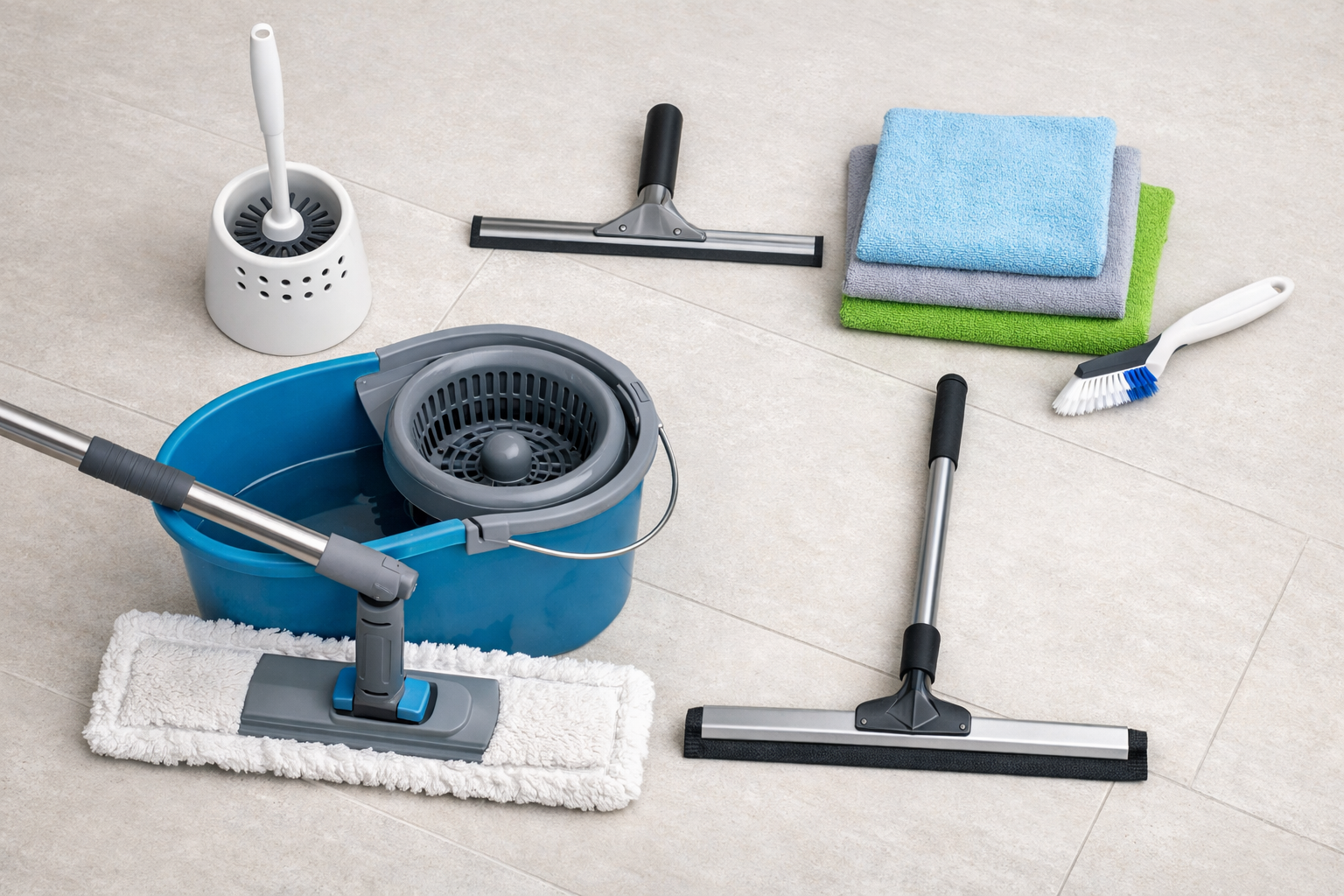
Полный стартовый набор включает инструменты из пяти категорий: чистка туалета, уход за стеклом/зеркалами, протирка поверхностей, уход за полом и тщательная уборка.
| Категория инструментов | Название инструмента | Основное применение |
|---|---|---|
| Уборка туалета | Туалетная щетка с держателем | Чистка унитазов |
| Чистка стекол | Швабра для окон и/или душевой кабины | Удаление воды со стекла душевой кабины
Зеркала и стекло без разводов |
| Очистка поверхности | Полотенца из микрофибры | Протирка раковин, столешниц, сантехники. |
| Детальная чистка | Щетка для затирки швов и/или углов | Очистка плиточных швов и труднодоступных мест. |
| Уборка пола | Швабра и ведро
Швабра для пола Щетка для чистки с длинной ручкой |
Генеральная уборка полов
Удаление избытка воды Глубокая чистка полов |
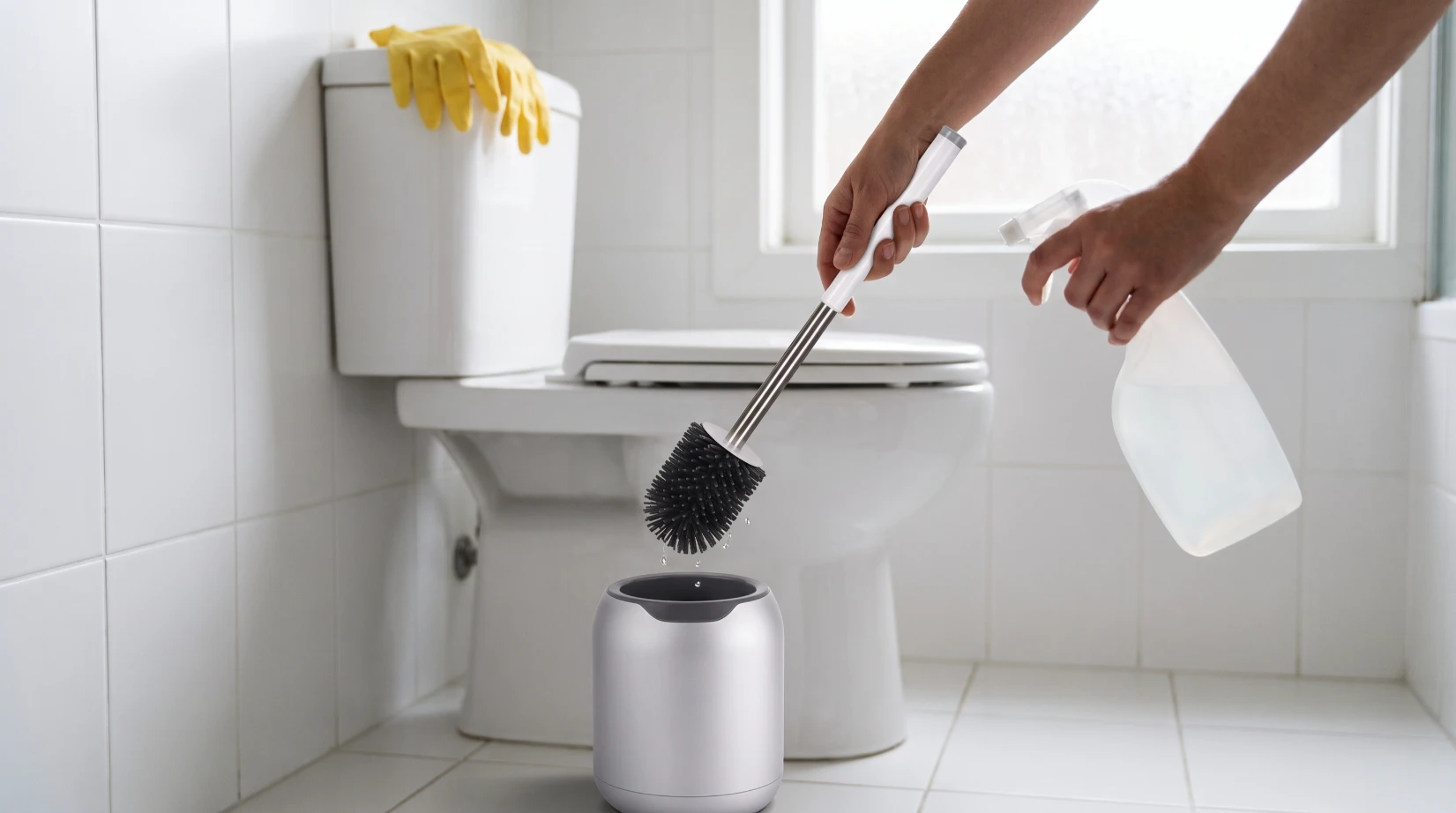
Инструменты для чистки туалета
Многоразовые щетки экономичны для обычной уборки, в то время как одноразовые системы предпочтительнее в местах с более строгими стандартами гигиены, таких как медицинские учреждения или престижные гостиничные комплексы.
При выборе инструментов следует обращать особое внимание на то, насколько легко их чистить и хранить. Неправильно спроектированный держатель может быстро стать источником скопления бактерий, что сводит на нет цель уборки.
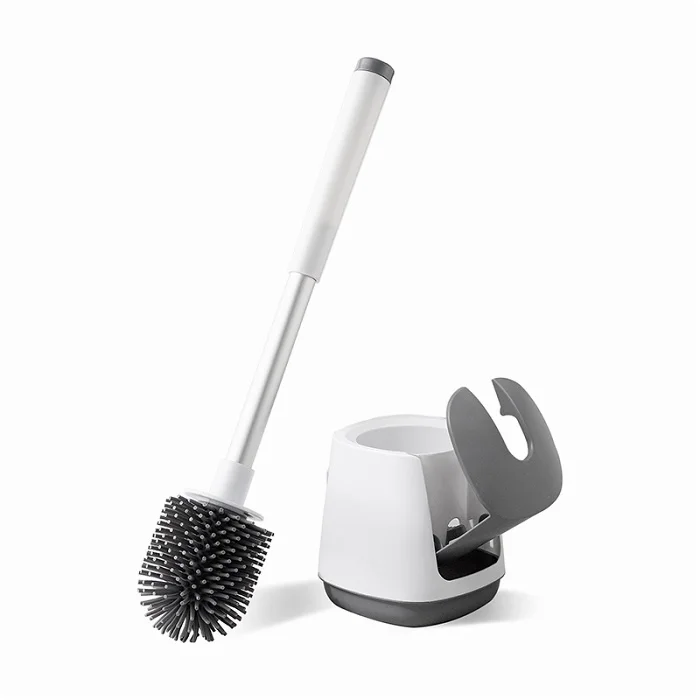
Основные характеристики, на которые следует обратить внимание
|
|---|
Инструменты для чистки стекла и зеркал
Стеклянные поверхности, такие как зеркала и душевые панели, требуют иного подхода, чем другие зоны ванной комнаты. В отличие от полов или раковин, даже небольшие разводы или пятна от воды сразу видны, поэтому выбор средств для чистки особенно важен.
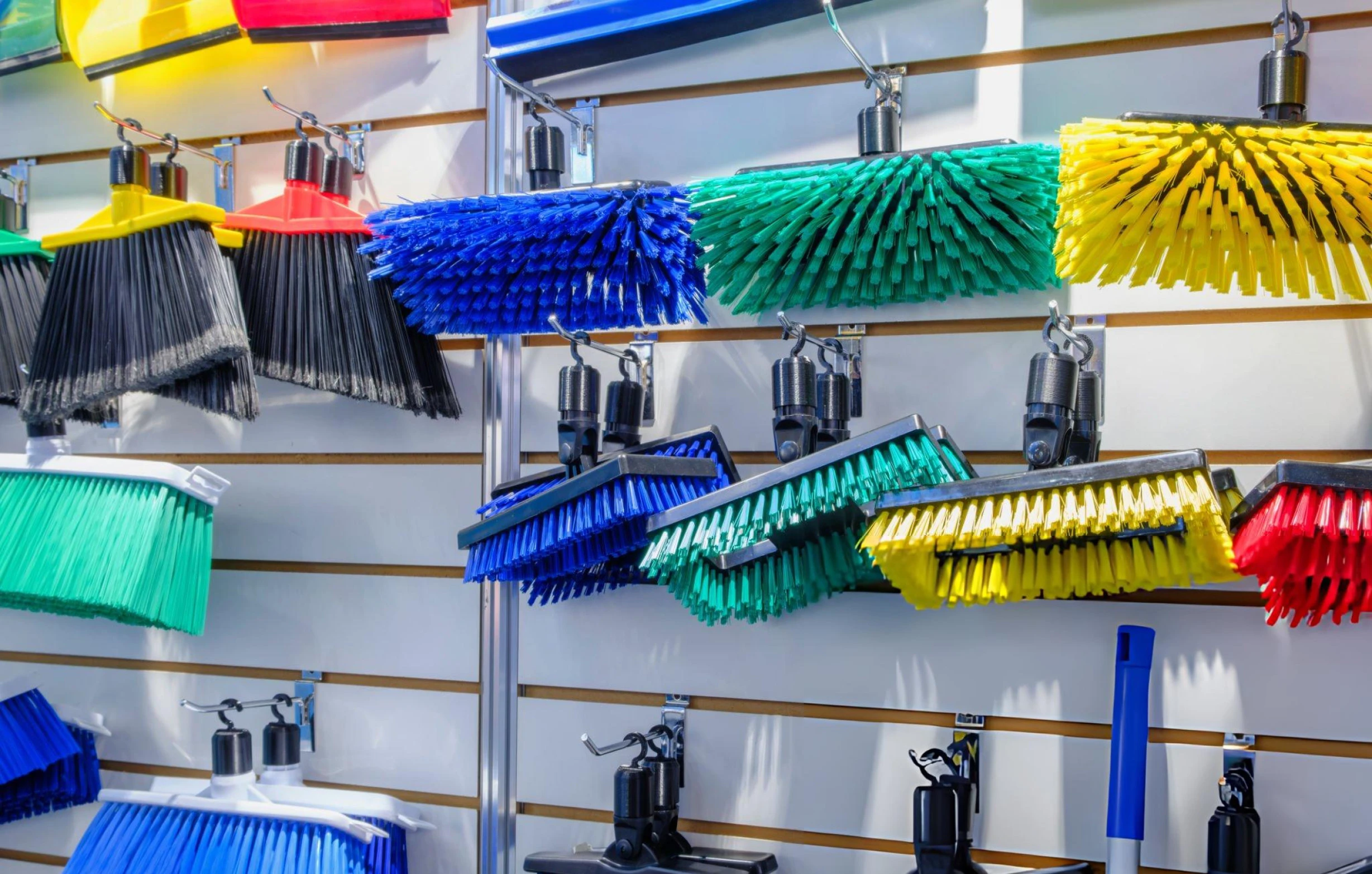
Швабра для душа против оконной щетки
| Швабра для душа | Скребок для окон | |
|---|---|---|
| Основное применение | Душевое стекло | Зеркала и окна |
| Тип лезвия | Более мягкая резина | Более прочная прецизионная резина |
| Размер | Меньший, компактный | Более широкое лезвие |
| Гибкость | Высокие (изогнутые поверхности) | Умеренная (плоские поверхности) |
Инструменты для очистки поверхности и деталей
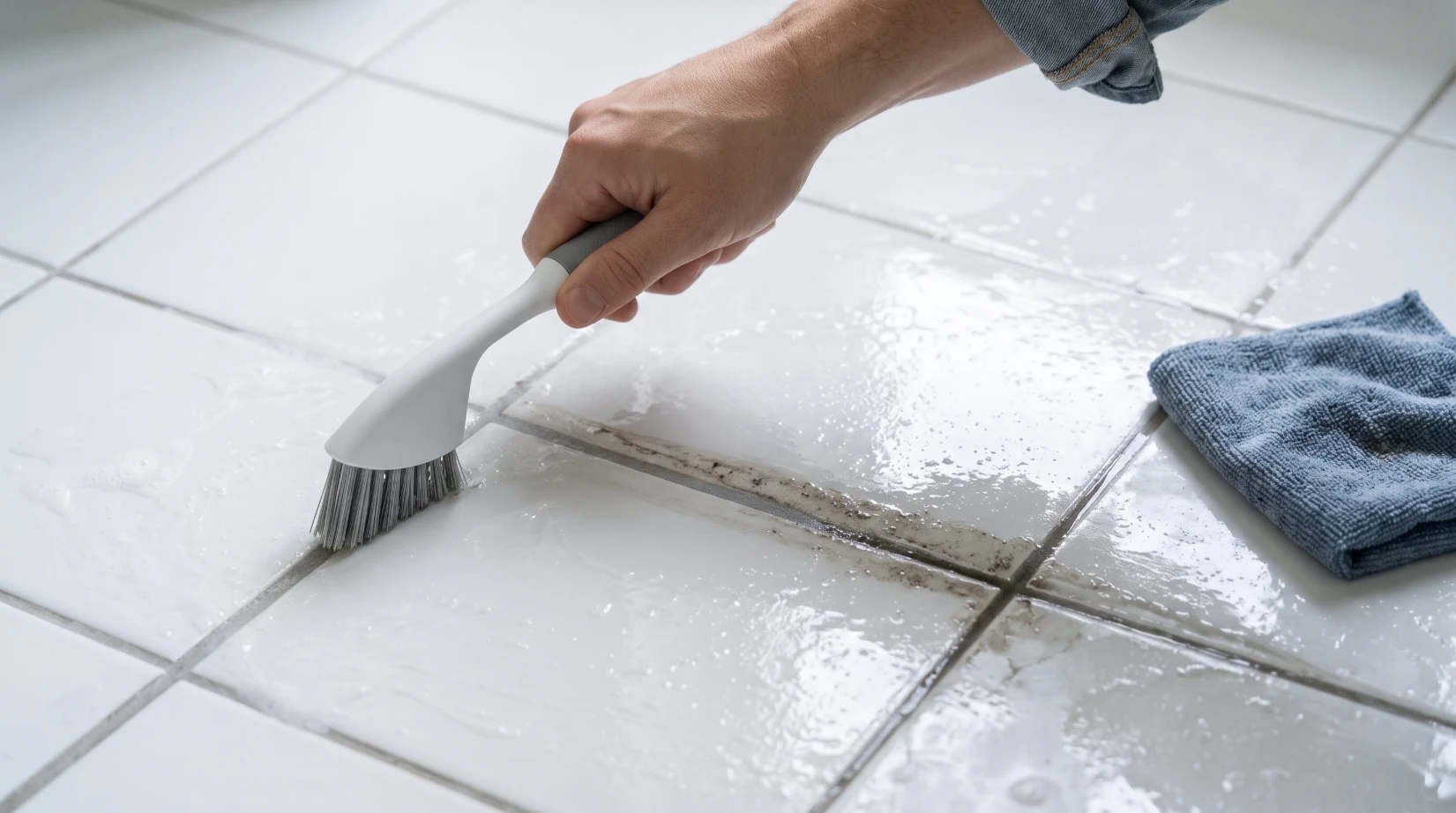
Не всю грязь в ванной легко увидеть или достать. В таких местах, как швы между плитками, углы и края сантехники, со временем скапливаются загрязнения, и одних обычных тряпок недостаточно для их тщательной очистки.
Здесь важную роль играют инструменты для детальной очистки. Салфетки из микрофибры широко используются для общей протирки, поскольку они эффективно задерживают грязь, но их необходимо сочетать с щетками, способными справиться с более сложными или точными задачами по очистке.
В реальных условиях уборщики часто тратят дополнительное время на эти небольшие участки, потому что их сложнее всего очистить неподходящими инструментами. Инвестиции в правильное сочетание тряпок и щеток сокращают трудозатраты и улучшают общие результаты.
Инструменты для уборки пола
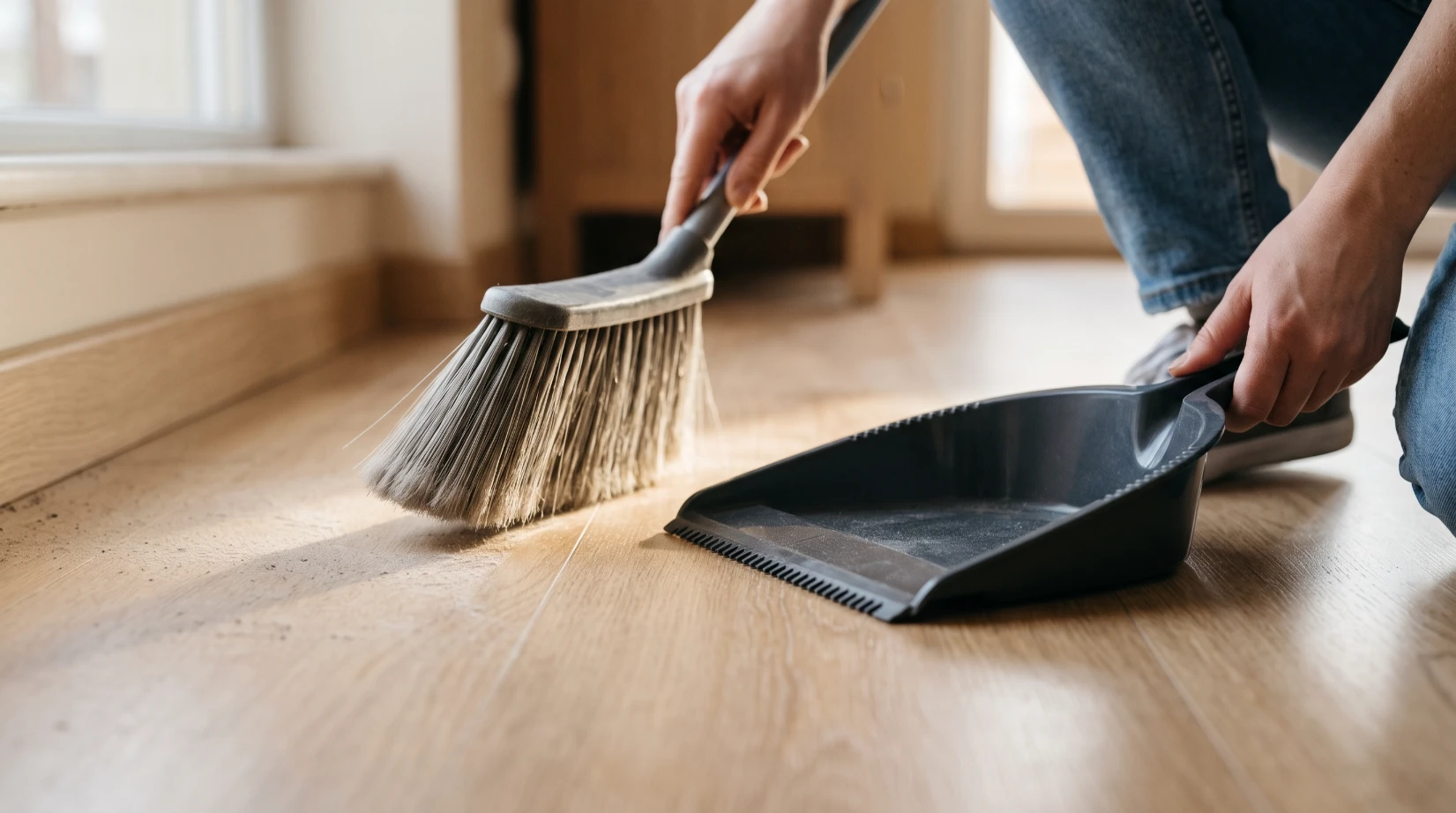
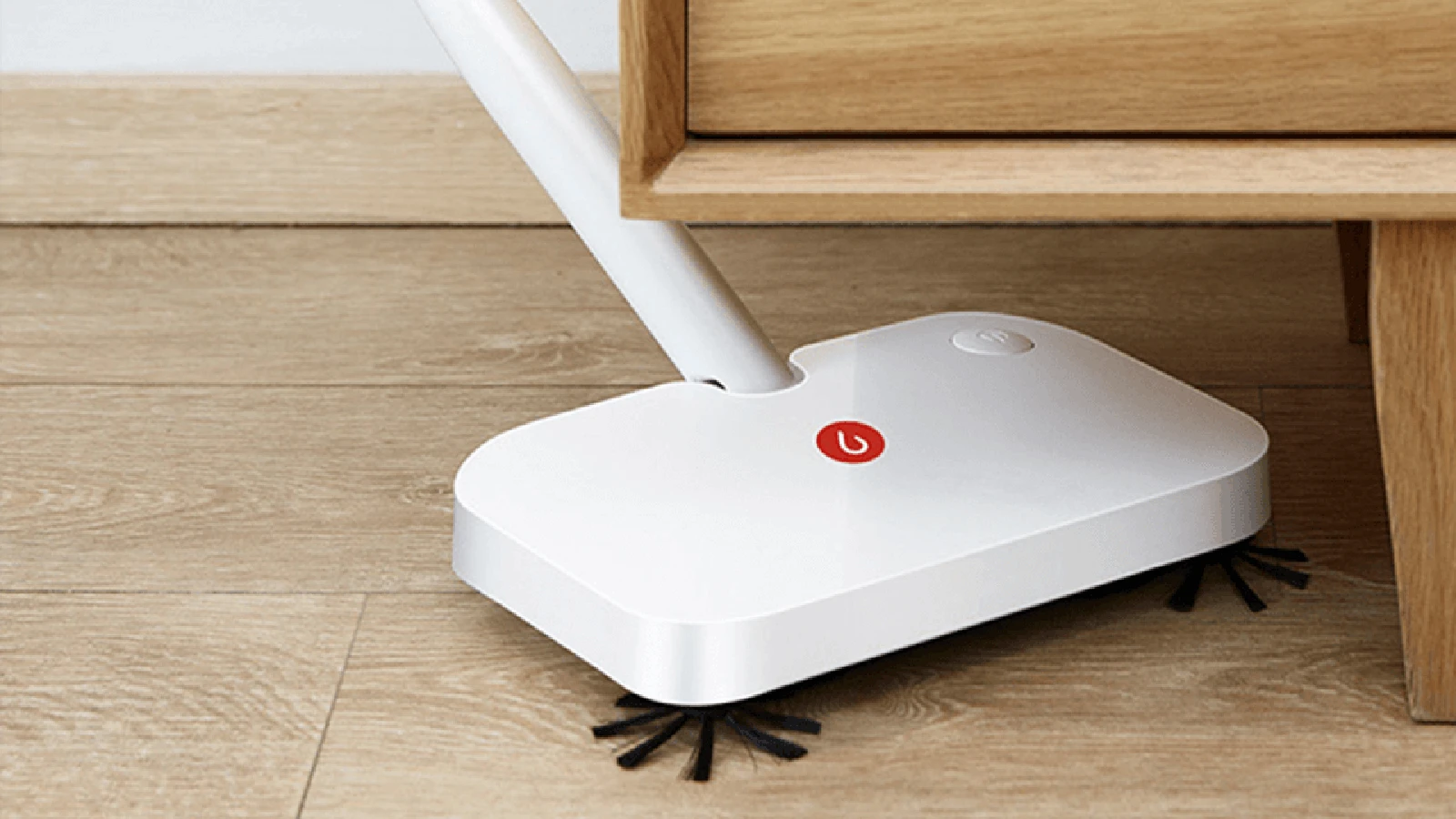
Для уборки полов в ванной комнате необходимы инструменты, способные выдерживать как высокую влажность, так и частое использование. Поэтому долговечность становится ключевым фактором при выборе инструментов для уборки полов. Легкое или некачественное оборудование может быстро изнашиваться или не справляться с эффективной уборкой под давлением.
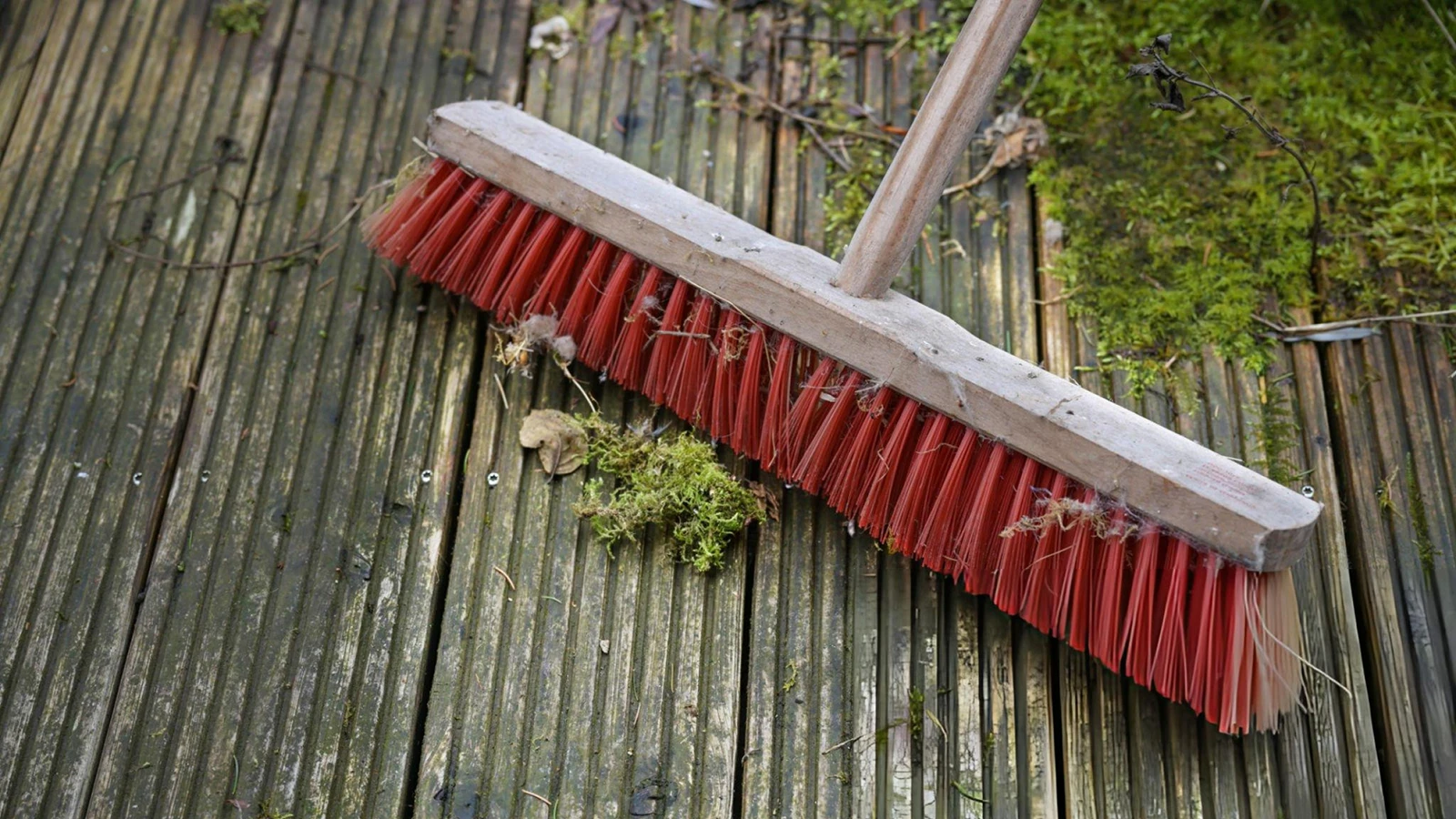
Сочетание сухие или влажные швабры, скребкии с длинной ручкой щетки для чистки Обычно его используют как для ежедневной уборки, так и для более тщательной чистки. Поддержание полов в сухом состоянии особенно важно не только для чистоты, но и для безопасности.
Как выбрать средства для чистки ванной комнаты
Чтобы выбрать подходящие средства для уборки ванной комнаты, следуйте этой четырехэтапной схеме: определите условия уборки, отдайте приоритет долговечности, выбирайте эргономичные модели.
Вместо того чтобы сосредотачиваться только на цене, эффективнее оценить, как инструменты работают со временем, насколько они удобны и насколько хорошо они вписываются в стандартизированный процесс уборки.
Шаг 1: Определение условий уборки
В каждом помещении свои требования к уборке, и эти требования напрямую влияют на тип инструментов, которые вам следует приобрести. Также учитывайте основной тип загрязнений – для удаления жира, мыльного налета и минеральных отложений требуются разные характеристики инструментов для эффективной очистки.
Шаг 2: Выберите долговечные чистящие средства
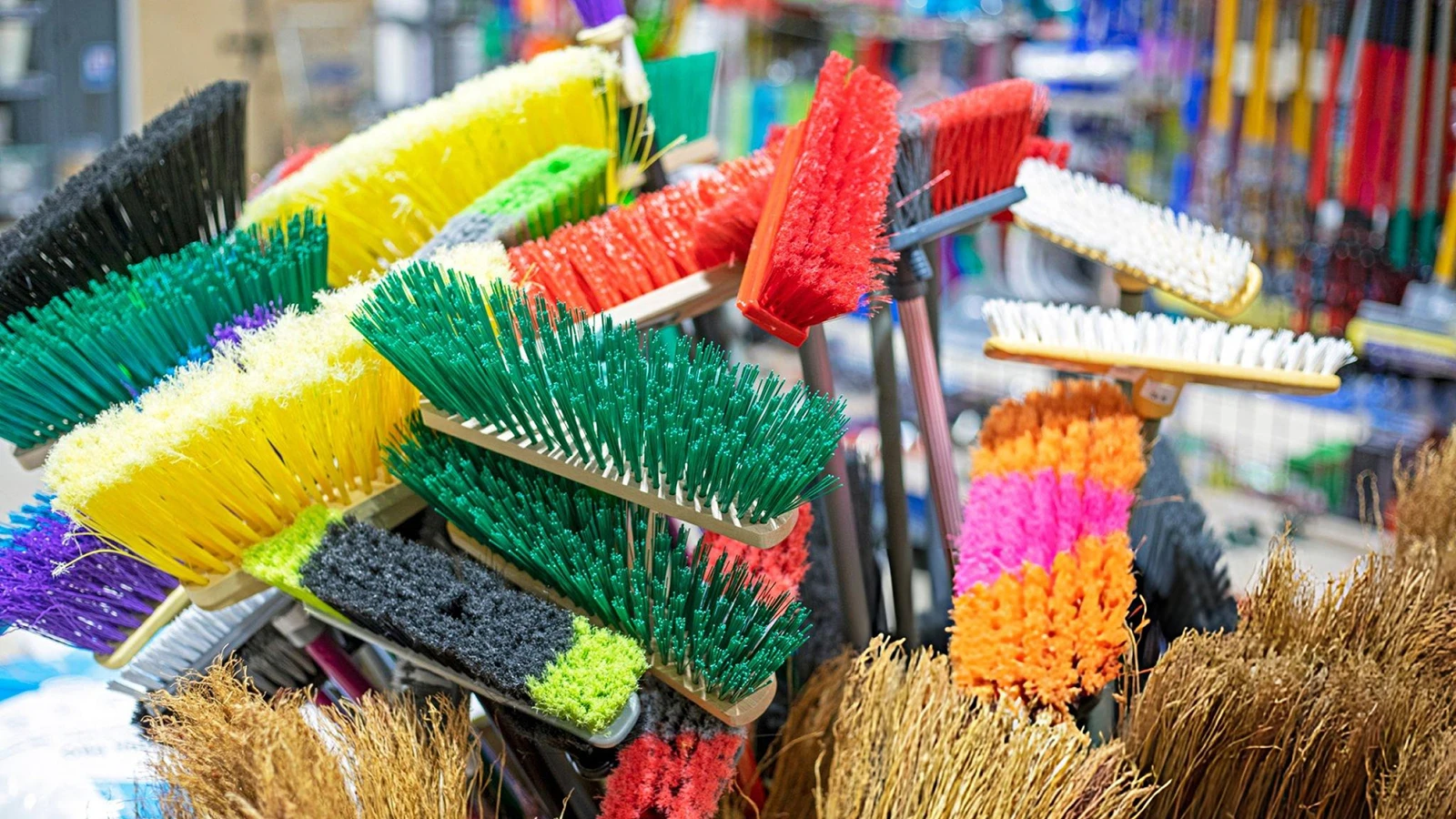
Долговечность — один из важнейших факторов в уборке, поскольку инструменты используются многократно, часто с применением сильнодействующих химикатов. Низкокачественные инструменты могут казаться дешевле на первый взгляд, но они, как правило, быстро ломаются, деформируются или теряют свою эффективность.
При оценке долговечности обращайте внимание не только на внешний вид. Посмотрите, как сконструирован инструмент – усилены ли рукоятки? Плотные ли и прочно ли прикреплены щетинки? Можно ли заменить такие детали, как головки или лезвия, вместо того, чтобы выбрасывать весь инструмент?
Шаг 3: Выберите эргономичные инструменты
Уборка — это физически монотонная работа, и плохо спроектированные инструменты могут привести к усталости, снижению производительности и даже незначительным травмам со временем. Эргономичный дизайн — это не просто элемент комфорта, он напрямую влияет на производительность.
Инструменты с более длинными рукоятками уменьшают необходимость наклоняться, что особенно важно при уборке полов. Нескользящие рукоятки помогают сохранять контроль, даже если руки мокрые, а легкая конструкция делает инструменты удобными для длительного использования.
Что делать, если обычных средств для уборки ванной комнаты недостаточно?
При удалении пятен с затирки плитки, минеральных отложений от жесткой воды или загрязнений на стеклянных поверхностях следует использовать специализированные инструменты – обычные тряпки и щетки не справятся с этими проблемами эффективно. Со временем в ванных комнатах может накапливаться налет, с которым обычные инструменты просто не могут эффективно справиться.
Например, для удаления глубоко въевшихся загрязнений с плиточных швов часто требуется специальная щетка с жесткой щетиной. Аналогично, для очистки стеклянных поверхностей от пятен жесткой воды или минеральных отложений обычно необходимы специальные инструменты для удаления накипи или специализированные чистящие средства. Попытки очистить эти поверхности обычными тряпками или щетками часто приводят к пустой трате усилий и неудовлетворительным результатам.
Как выбрать надежного производителя инструментов для уборки ванной комнаты (OEM)
Выбор правильного OEM-производителя имеет решающее значение для предприятий, стремящихся к стабильному качеству, надежным поставкам и долгосрочной экономической эффективности. Хороший поставщик — это не просто продавец, он становится частью вашей операционной системы.
| Фактор оценки | На что обратить внимание | Почему это важно |
|---|---|---|
| Опыт в производстве | Опыт работы в отрасли, ассортимент продукции (лет в отрасли). | Свидетельствует о надежности и компетентности. |
| Испытание на долговечность | Испытания продукции на прочность, проверка качества материалов. | Обеспечивает работоспособность инструментов в реальных условиях. |
| Производственная мощность | Умение обрабатывать крупные заказы | Предотвращает задержки поставок |
| Услуги под собственной торговой маркой | Варианты индивидуального брендинга и упаковки. | Полезно для клининговых компаний, занимающихся созданием бренда. |
| Сертификаты качества | ISO или аналогичные стандарты | Демонстрирует приверженность неизменно высокому качеству. |

Учитывайте долгосрочную надежность поставщиков.
Надежный OEM-партнер должен быть способен расти вместе с вашим бизнесом. Это означает постоянную связь, стабильные сроки производства и возможность масштабирования заказов по мере роста ваших потребностей.
Например, такие производители, как Джесун В отрасли они известны тем, что предлагают инструменты для чистки ванных комнат от OEM-производителя с возможностью нанесения собственной торговой марки и массового производства, что делает их практичным выбором для коммерческих покупателей.
Часто задаваемые вопросы
Как часто следует менять инструменты для чистки ванной комнаты?
В местах с высокой проходимостью ёршики для унитаза следует менять каждые 1-3 месяца. Насадки для швабр необходимо менять каждые 2-4 недели при ежедневном использовании. Щетки скребка обычно служат 4-8 недель, после чего их эффективность снижается. Салфетки из микрофибры можно стирать и использовать повторно до 300-500 раз, прежде чем потребуется их замена.
Почему салфетки из микрофибры так часто используются для уборки ванной комнаты?
Салфетки из микрофибры широко используются, поскольку они более эффективно, чем традиционные салфетки, задерживают грязь, пыль и бактерии. Кроме того, они обеспечивают чистоту без разводов на стекле и других поверхностях.
Как повысить эффективность средств для уборки ванной комнаты?
Использование тележек для уборки, маркированных мест хранения или цветовой кодировки для организации инструментов может значительно повысить эффективность работы. Разделение инструментов по зонам – например, туалеты, стекло и полы – позволяет персоналу быстро находить необходимые инструменты во время уборки.
Какие чистящие средства необходимы для общественного туалета?
В комплект для уборки общественных туалетов, соответствующий требованиям, входят: ёршики для унитаза, дезинфицирующие салфетки для поверхностей, швабра для пола с отжимным ведром, скребок для зеркал, щетка для межплиточных швов и скребок для удаления воды. OSHA и местные санитарные нормы могут также требовать использования инструментов с цветовой кодировкой для предотвращения перекрестного загрязнения при уборке туалета и поверхностей.
Заключительные мысли
Создание эффективной системы уборки ванной комнаты начинается с правильных инструментов, но долгосрочный успех зависит от того, как эти инструменты выбраны, организованы и обслуживаются. Хорошо структурированный набор инструментов для уборки ванной комнаты гарантирует эффективную и равномерную уборку каждой зоны.



 Russian
  English
  Spanish
  Arabic