

TL;DR
- Un kit completo debe cubrir inodoros, cristales, superficies, suelos y espacios reducidos; omitir una zona reduce la eficacia de la limpieza.
- Los utensilios de limpieza deben priorizar la durabilidad, el diseño higiénico y la resistencia química.
- Comprar productos de limpieza para el baño al por mayor reduce los costes a largo plazo y garantiza una calidad constante.
- Los paños de microfibra y las herramientas reemplazables son artículos que se desgastan mucho; siempre es recomendable tenerlos en grandes cantidades.
Esta guía muestra a las empresas cómo crear un kit básico completo de herramientas de limpieza de baños. Según la Centros para el Control y la Prevención de EnfermedadesEl uso de herramientas de limpieza adecuadas reduce los riesgos de contaminación cruzada, lo que convierte la selección de las herramientas correctas en una prioridad de higiene, no solo en una decisión presupuestaria.
¿Qué herramientas debería incluir un kit básico de limpieza para el baño?
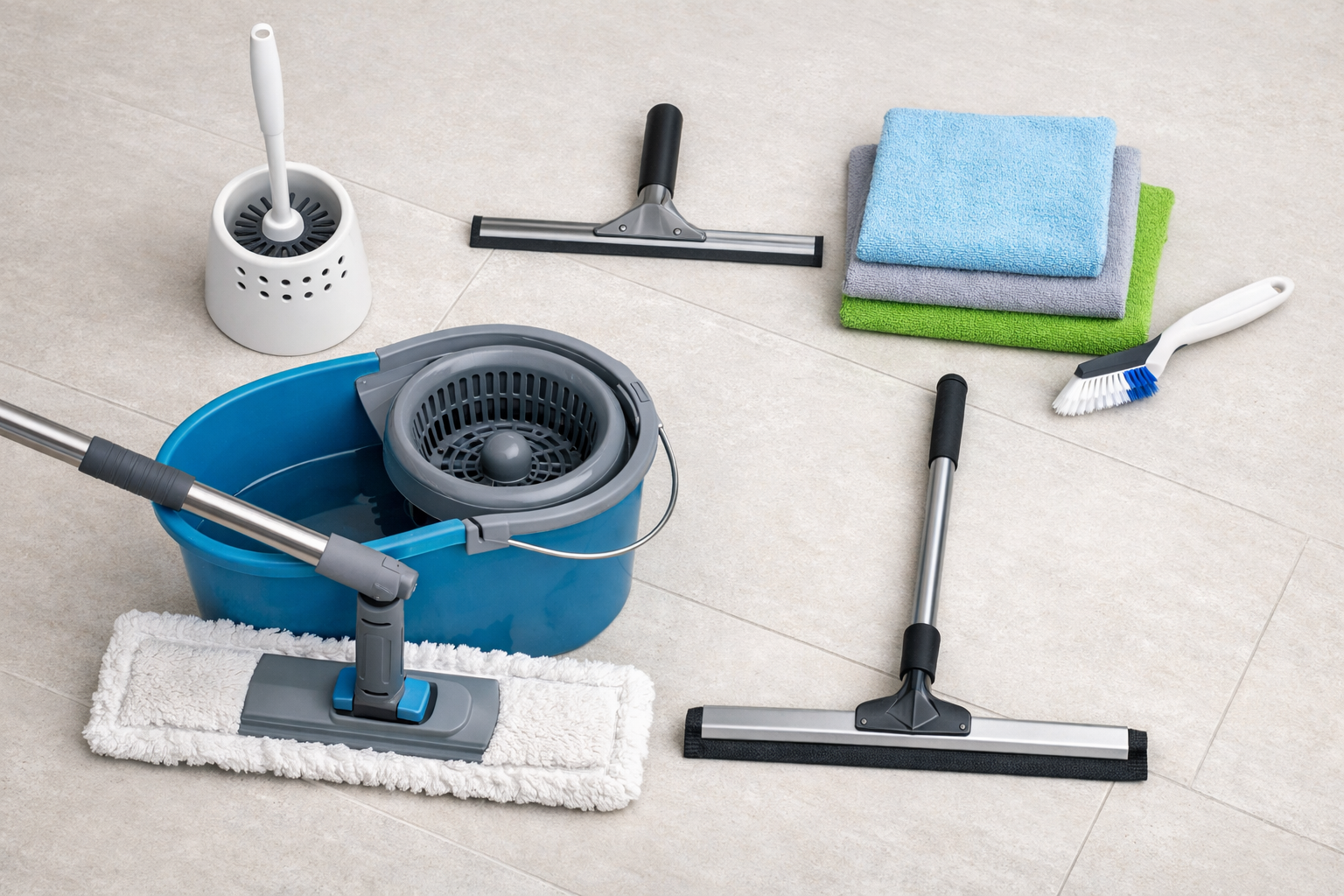
Un kit básico completo requiere herramientas de cinco categorías: limpieza de inodoros, cuidado de cristales y espejos, limpieza de superficies, mantenimiento de suelos y limpieza a fondo.
| Categoría de herramientas | Nombre de la herramienta | Uso principal |
|---|---|---|
| Limpieza del inodoro | Cepillo de baño con soporte | Fregar inodoros |
| Limpieza de cristales | Limpiacristales y/o rasquetas para ducha | Eliminar el agua del cristal de la ducha
Espejos y cristales sin marcas |
| Limpieza de superficies | Toallas de microfibra | Limpiar fregaderos, encimeras y grifería. |
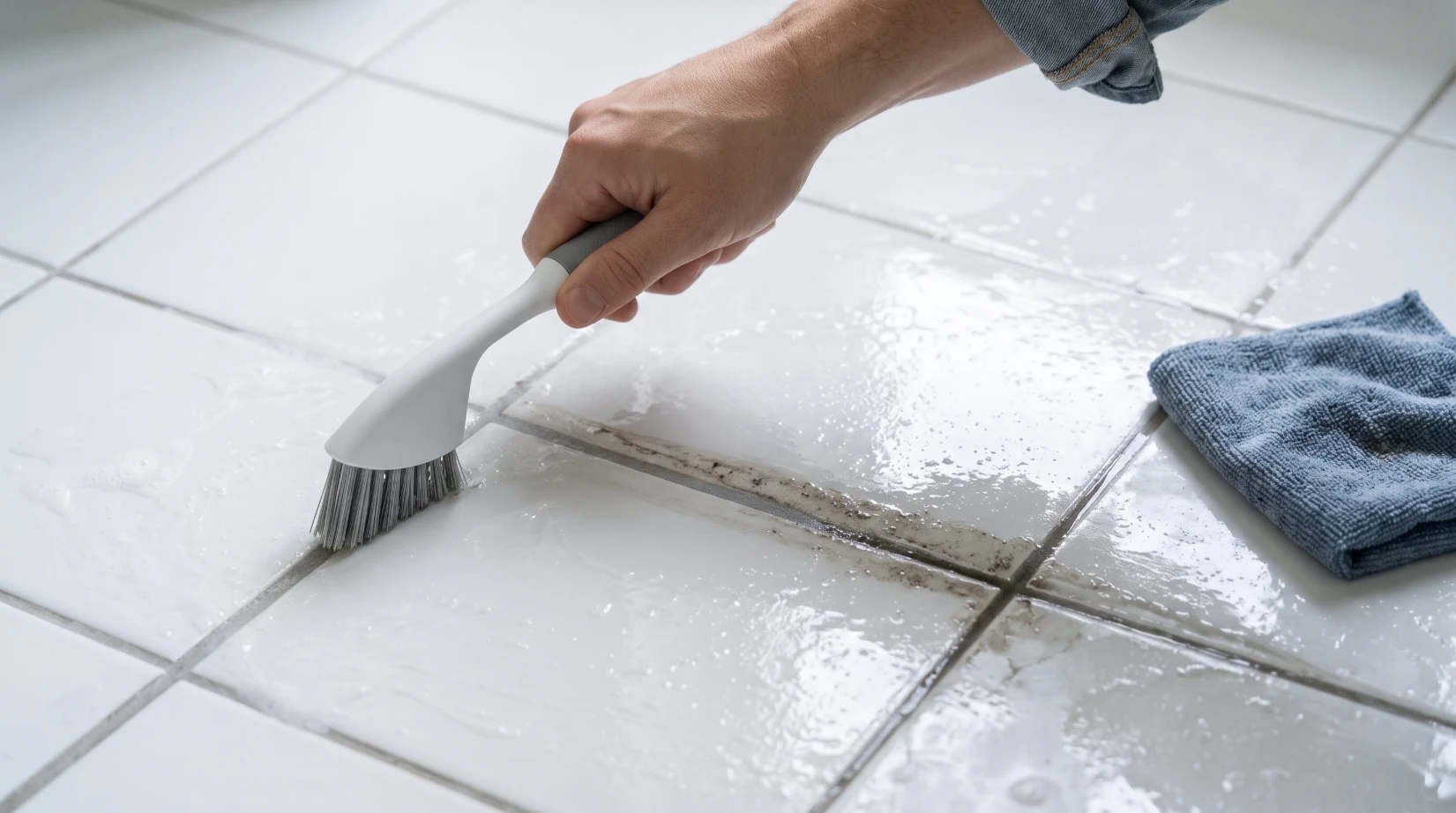
| Limpieza a fondo | Cepillo para juntas y/o esquinas | Limpieza de juntas de azulejos y espacios reducidos |
| Limpieza de pisos | Fregona y cubo
Escobilla de goma para suelos Cepillo de fregar de mango largo |
Limpieza general de suelos
Eliminar el exceso de agua Limpieza profunda de suelos |
Herramientas para la limpieza del inodoro
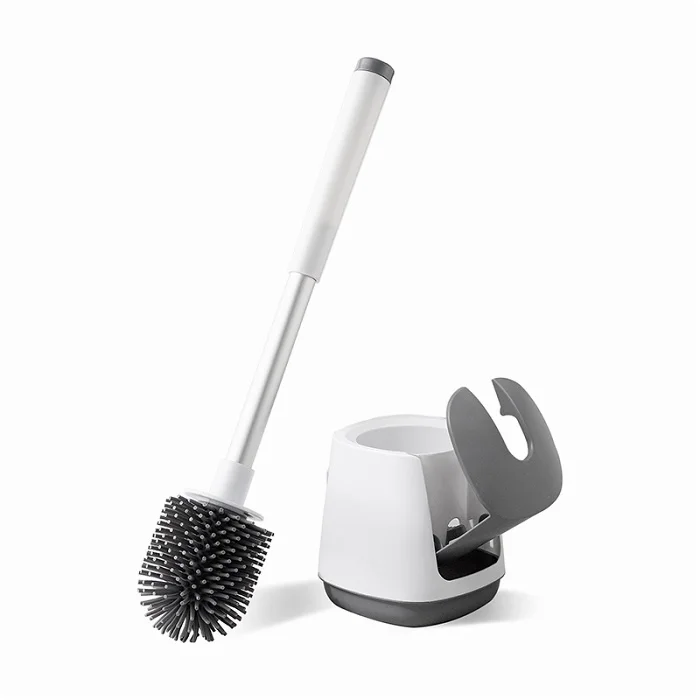
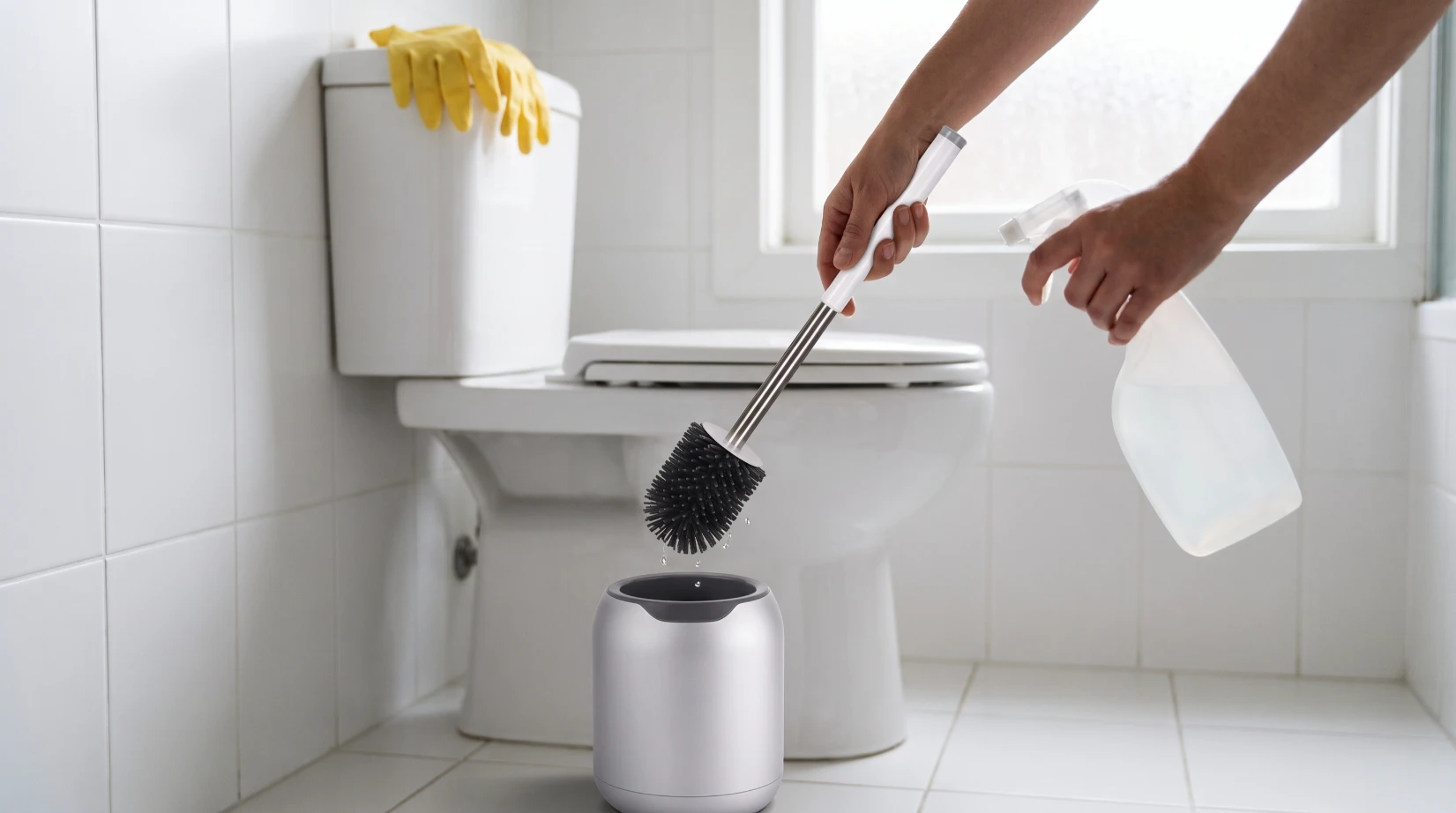
Los cepillos reutilizables son rentables para la limpieza rutinaria, mientras que los sistemas desechables son preferibles en entornos donde los estándares de higiene son más estrictos, como en el sector sanitario o en espacios de hostelería de alta gama.
Al seleccionar herramientas, conviene prestar especial atención a la facilidad de limpieza y almacenamiento. Un soporte mal diseñado puede convertirse rápidamente en un foco de acumulación de bacterias, lo que anula el propósito de la limpieza.
Características clave a tener en cuenta
|
|---|
Herramientas para la limpieza de cristales y espejos
Las superficies de vidrio, como espejos y paneles de ducha, requieren un enfoque diferente al de otras áreas del baño. A diferencia de los pisos o lavabos, incluso las pequeñas manchas o marcas de agua son inmediatamente visibles, lo que hace que la elección de las herramientas sea especialmente importante.
Ducha vs. limpiacristales
| Escobilla de ducha | Limpiacristales | |
|---|---|---|
| Uso principal | Cristal de ducha | Espejos y ventanas |
| Tipo de cuchilla | Goma más blanda | Caucho de precisión más firme |
| Tamaño | Más pequeño y compacto | Hoja más ancha |
| Flexibilidad | Altas (superficies curvas) | Moderado (superficies planas) |
Herramientas de limpieza de superficies y detalles
No toda la suciedad del baño es fácil de ver o alcanzar. Zonas como las juntas de las baldosas, las esquinas y los bordes de los grifos tienden a acumular suciedad con el tiempo, y los paños comunes no son suficientes para limpiarlas adecuadamente.
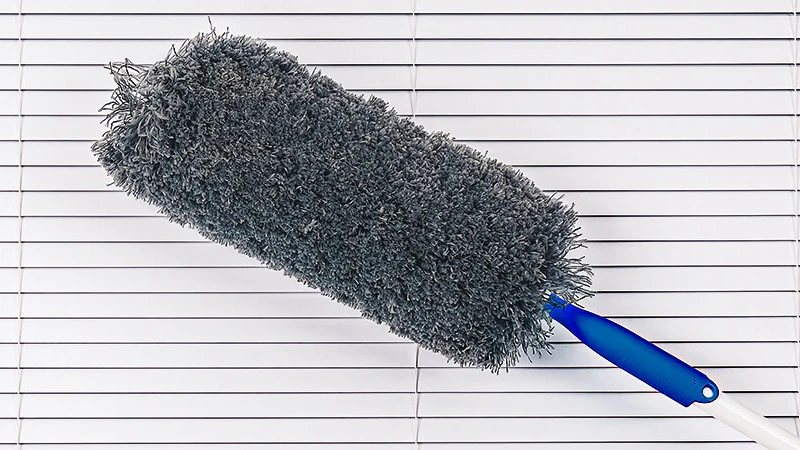
Aquí es donde las herramientas de limpieza de precisión juegan un papel importante. Los paños de microfibra se usan mucho para la limpieza general porque atrapan la suciedad eficazmente, pero deben combinarse con cepillos que puedan realizar tareas de limpieza más difíciles o que requieran mayor precisión.
En la práctica, el personal de limpieza suele dedicar más tiempo a estas zonas pequeñas porque son las más difíciles de limpiar con las herramientas incorrectas. Invertir en la combinación adecuada de paños y cepillos reduce el esfuerzo y mejora los resultados generales.
Herramientas para la limpieza de suelos
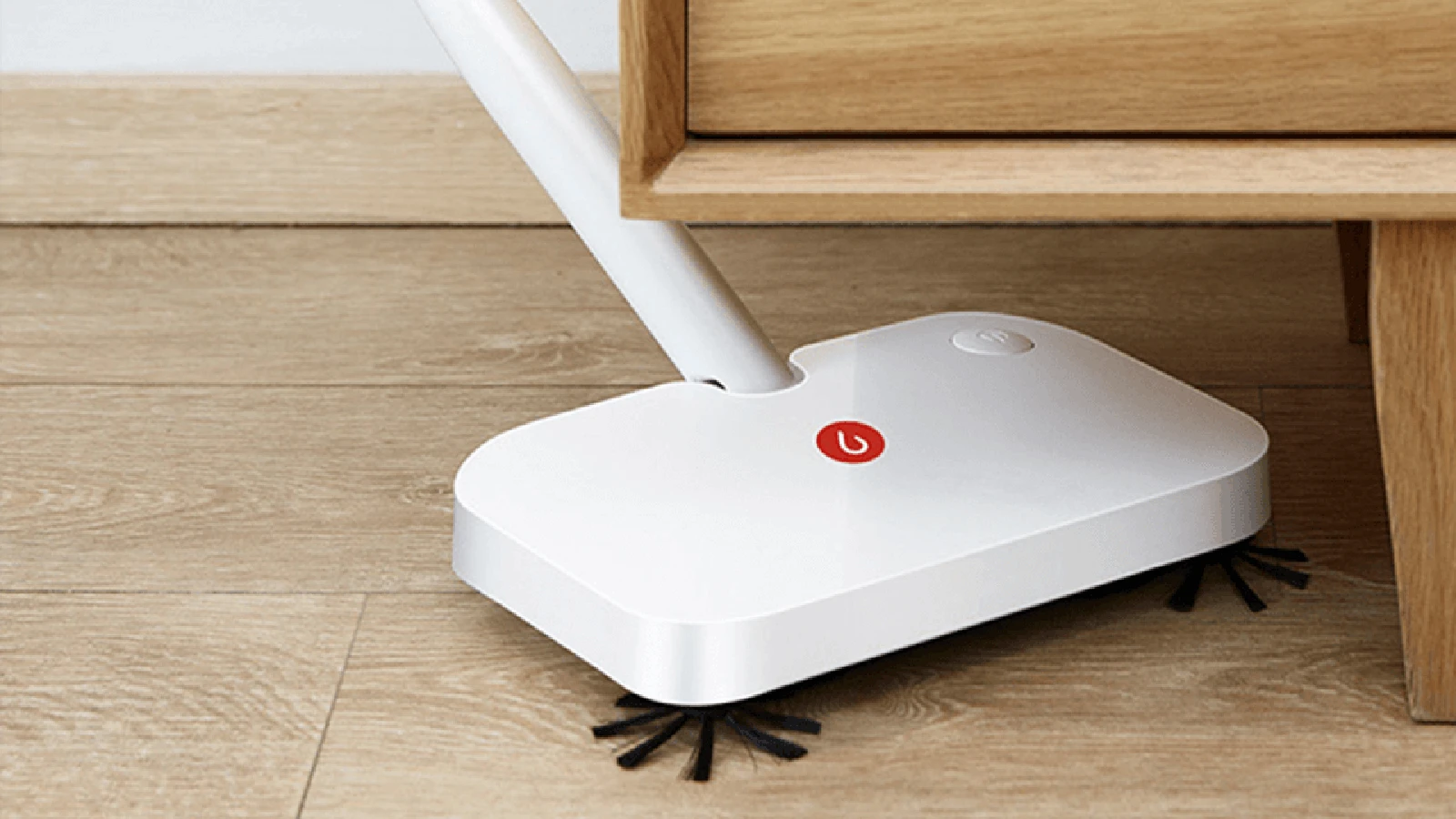
Los suelos de los baños requieren herramientas que soporten tanto la humedad intensa como el uso frecuente. Por ello, la durabilidad es un factor clave a la hora de elegir herramientas de limpieza. Los equipos ligeros o de baja calidad pueden desgastarse rápidamente o no limpiar eficazmente bajo presión.
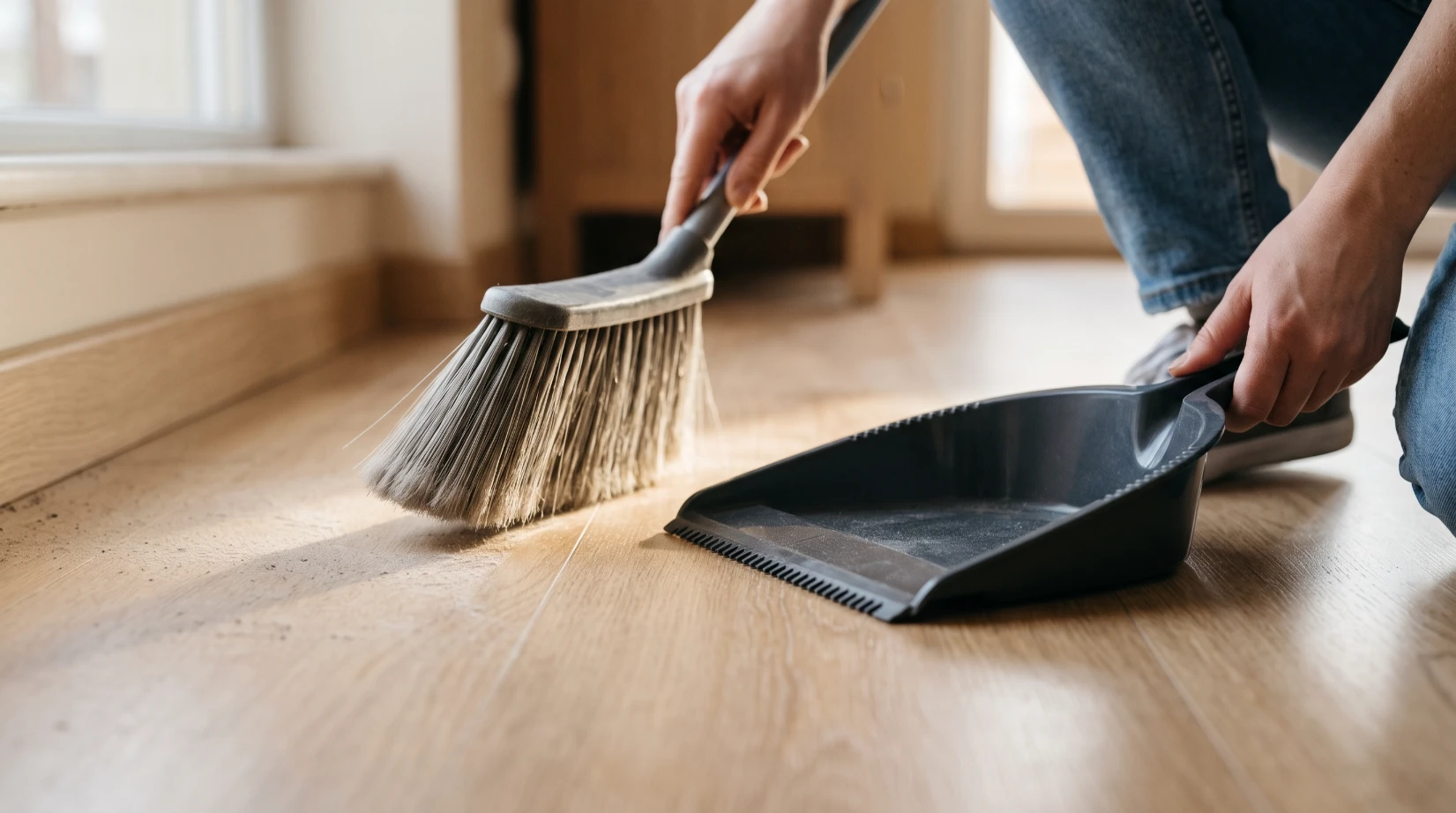
Una combinación de Fregonas secas o húmedas, limpiacristalesy de mango largo cepillos de fregar Se utiliza normalmente para gestionar tanto la limpieza diaria como el fregado a fondo. Mantener los suelos secos es especialmente importante, no solo por higiene, sino también por seguridad.
Cómo elegir herramientas de limpieza para el baño
Siga este método de cuatro pasos para elegir las herramientas de limpieza de baño adecuadas: identifique su entorno de limpieza, priorice la durabilidad y seleccione diseños ergonómicos.
En lugar de centrarse únicamente en el precio, es más eficaz evaluar el rendimiento de las herramientas a lo largo del tiempo, su comodidad y su idoneidad para un proceso de limpieza estandarizado.
Paso 1: Identificar el entorno de limpieza
Cada instalación tiene diferentes necesidades de limpieza, y esas necesidades afectan directamente al tipo de herramientas que debe comprar. Considere también el tipo de suciedad principal: la grasa, los residuos de jabón y los depósitos minerales requieren herramientas con especificaciones diferentes para una limpieza eficaz.
Paso 2: Elija herramientas de limpieza duraderas.
La durabilidad es uno de los factores más importantes en la limpieza, ya que las herramientas se utilizan repetidamente, a menudo con productos químicos fuertes. Las herramientas de baja calidad pueden parecer más baratas al principio, pero tienden a romperse, deformarse o perder eficacia rápidamente.
Al evaluar la durabilidad, no te fijes solo en la superficie. Presta atención a cómo está construida la herramienta: ¿están reforzados los mangos? ¿Son densas las cerdas y están bien sujetas? ¿Se pueden reemplazar piezas como los cabezales o las cuchillas en lugar de desechar la herramienta entera?
Paso 3: Seleccionar herramientas ergonómicas
La limpieza es un trabajo físicamente repetitivo, y las herramientas mal diseñadas pueden provocar fatiga, menor rendimiento e incluso lesiones leves con el tiempo. El diseño ergonómico no es solo una cuestión de comodidad, sino que influye directamente en la productividad.
Las herramientas con mangos más largos reducen la necesidad de agacharse, lo cual es especialmente importante para la limpieza de suelos. Los mangos antideslizantes ayudan a mantener el control incluso con las manos mojadas, y su diseño ligero facilita su uso durante periodos prolongados.
¿Qué sucede cuando los utensilios de limpieza de baño estándar no son suficientes?
Utilice herramientas especializadas cuando se encuentre con manchas en la lechada de los azulejos, depósitos minerales de agua dura o superficies de vidrio con recubrimiento; los paños y cepillos comunes no pueden solucionar estos problemas eficazmente. Con el tiempo, en los baños se acumula suciedad que las herramientas básicas simplemente no pueden eliminar con eficacia.
Por ejemplo, la lechada de azulejos muy manchada suele requerir un cepillo especial con cerdas rígidas para eliminar la suciedad incrustada. Del mismo modo, las superficies de vidrio afectadas por manchas de agua dura o depósitos minerales generalmente requieren herramientas desincrustantes o soluciones de limpieza especializadas. Intentar limpiar estos problemas con paños o cepillos comunes suele resultar en un esfuerzo inútil y resultados inconsistentes.
Cómo elegir un fabricante de herramientas de limpieza de baño OEM confiable
Seleccionar al fabricante OEM adecuado es fundamental para las empresas que buscan calidad constante, suministro fiable y rentabilidad a largo plazo. Un buen proveedor no es solo un vendedor, sino que se integra en su sistema operativo.
| Factor de evaluación | Qué buscar | Por qué es importante |
|---|---|---|
| Experiencia en fabricación | Años en la industria, gama de productos | Indica fiabilidad y experiencia. |
| Pruebas de durabilidad | Pruebas de resistencia del producto, controles de calidad del material | Garantiza que las herramientas funcionen en condiciones reales. |
| Capacidad de producción | Capacidad para gestionar pedidos al por mayor | Evita retrasos en el suministro. |
| Servicios de marca blanca | Opciones de marca y embalaje personalizadas | Útil para empresas de limpieza que buscan construir una marca. |
| Certificaciones de calidad | Normas ISO o similares | Demuestra compromiso con la calidad constante. |
Considere la fiabilidad a largo plazo de los proveedores.
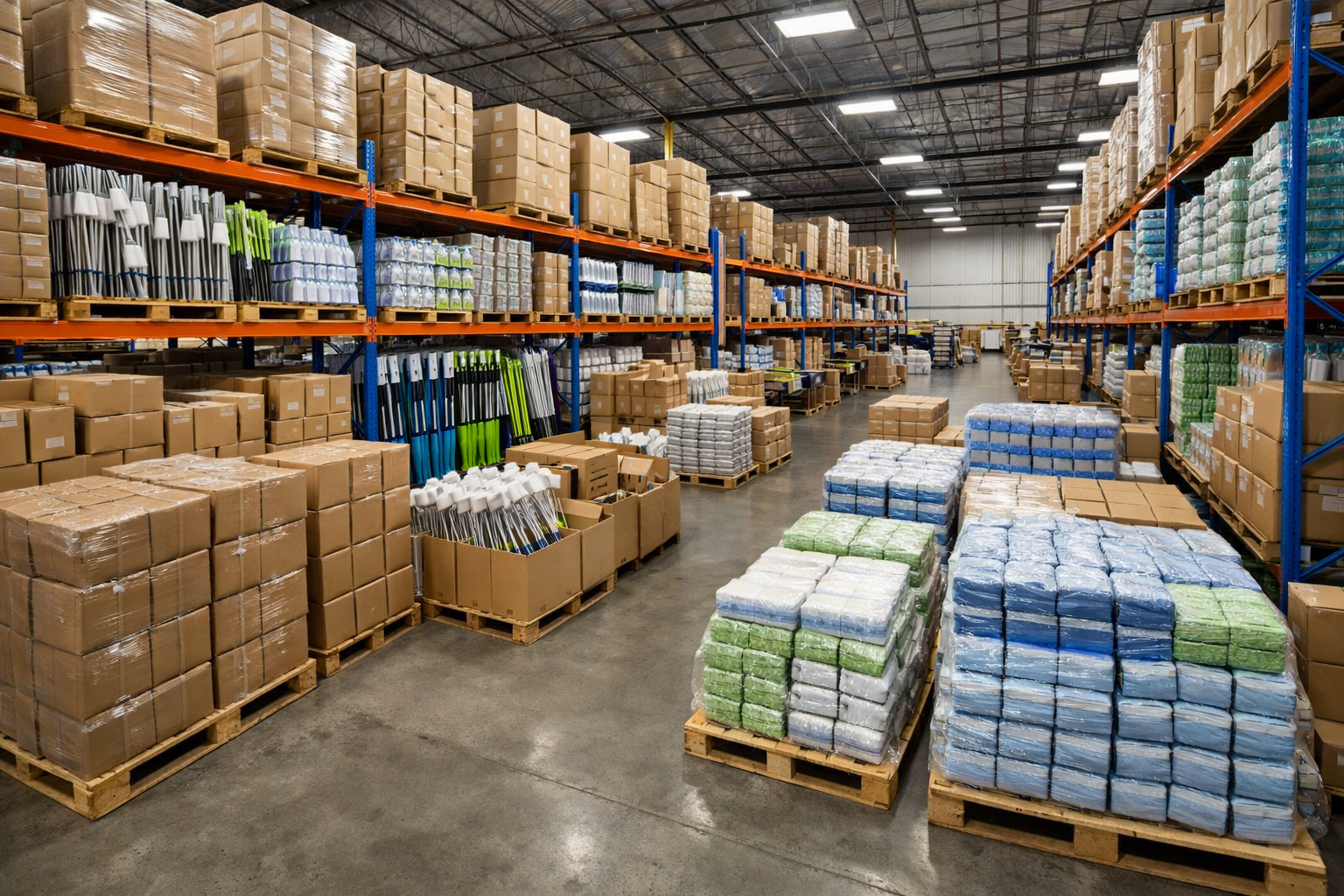
Un socio OEM fiable debe ser capaz de crecer junto con su negocio. Esto implica una comunicación constante, plazos de producción estables y la capacidad de aumentar los pedidos a medida que crecen sus necesidades.
Por ejemplo, fabricantes como Jesús Son conocidos en el sector por ofrecer herramientas de limpieza de baño OEM con opciones de etiquetado privado y producción en masa, lo que los convierte en una opción práctica para los compradores comerciales.
Preguntas frecuentes
¿Con qué frecuencia se deben reemplazar los utensilios de limpieza del baño?
En instalaciones con mucho tránsito, los cepillos de baño deben reemplazarse cada 1 a 3 meses. Los cabezales de las fregonas deben reemplazarse cada 2 a 4 semanas con uso diario. Las escobillas de goma suelen durar de 4 a 8 semanas antes de que su rendimiento disminuya. Los paños de microfibra se pueden lavar y reutilizar hasta 300 o 500 veces antes de tener que reemplazarlos.
¿Por qué se utilizan habitualmente los paños de microfibra para la limpieza del baño?
Los paños de microfibra son muy utilizados porque atrapan la suciedad, el polvo y las bacterias con mayor eficacia que los paños tradicionales. Además, dejan resultados impecables en cristales y otras superficies.
¿Cómo influye la eficiencia de las herramientas de limpieza del baño?
Organizar las herramientas mediante carros de limpieza, almacenamiento etiquetado o sistemas codificados por colores puede marcar una gran diferencia en la eficiencia. Separar las herramientas por área, como baños, cristales y suelos, permite al personal encontrar rápidamente lo que necesita durante la limpieza.
¿Qué productos de limpieza se necesitan para un baño público?
Un kit de limpieza para baños públicos que cumpla con la normativa requiere: cepillos para inodoro, paños desinfectantes para superficies, una fregona con cubo escurridor, una escobilla limpiacristales para espejos, un cepillo para juntas y una escobilla limpiacristales para eliminar el agua. La OSHA y las normativas sanitarias locales también pueden exigir herramientas codificadas por colores para evitar la contaminación cruzada entre la limpieza del inodoro y las superficies.
Reflexiones finales
Para crear un sistema de limpieza de baño eficaz, lo primero es contar con las herramientas adecuadas, pero el éxito a largo plazo reside en cómo se seleccionan, organizan y mantienen dichas herramientas. Un kit de limpieza de baño bien estructurado garantiza una limpieza eficiente y constante de cada área.


 Spanish
  English
  Russian
  Arabic