
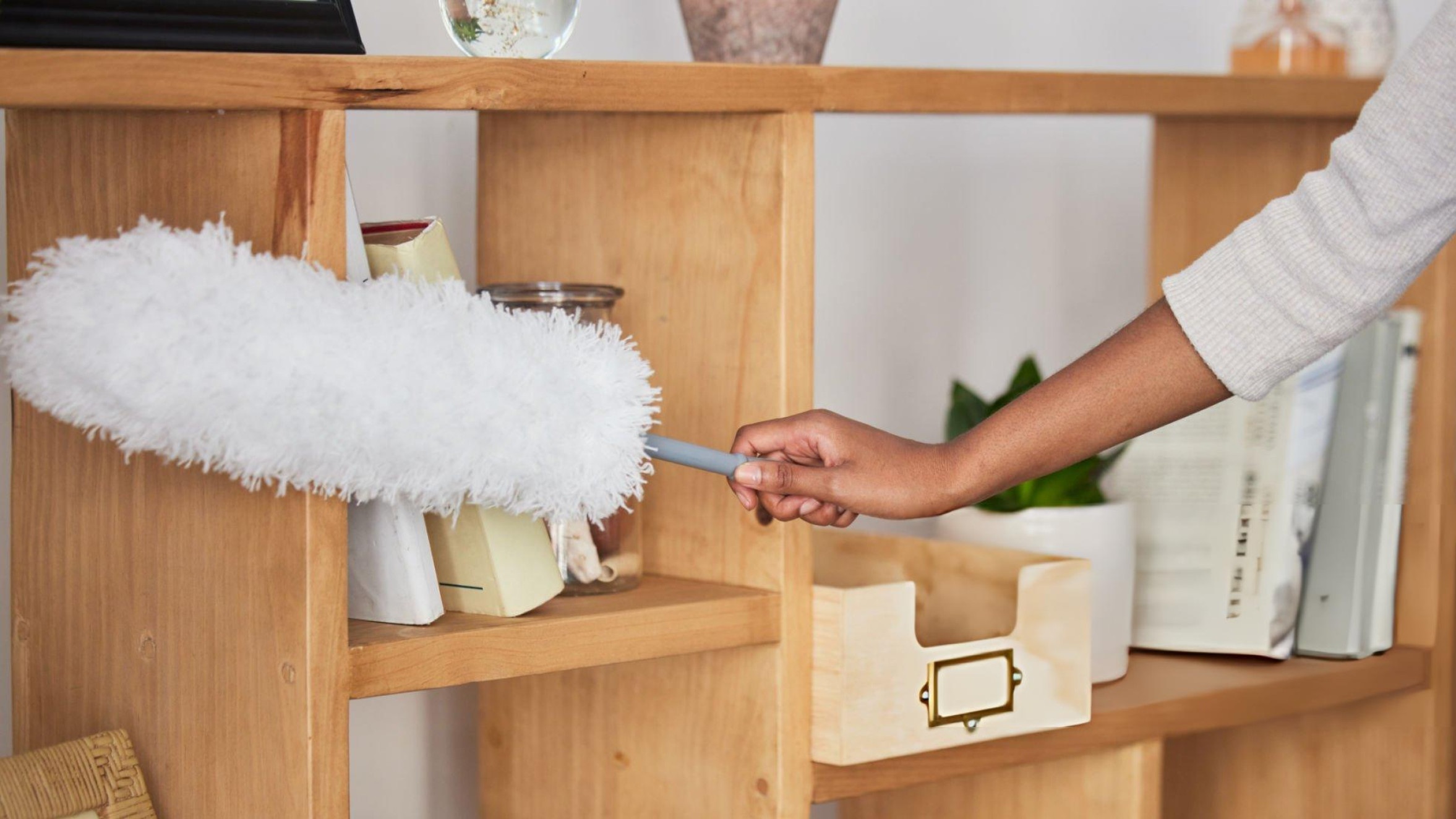
El polvo parece tener vida propia. Después de limpiar los estantes y aspirar las alfombras, esa misma capa grisácea que lo cubre todo reaparece al día siguiente. Es molesto, y uno puede llegar a preguntarse si alguna vez la casa estará completamente ordenada.
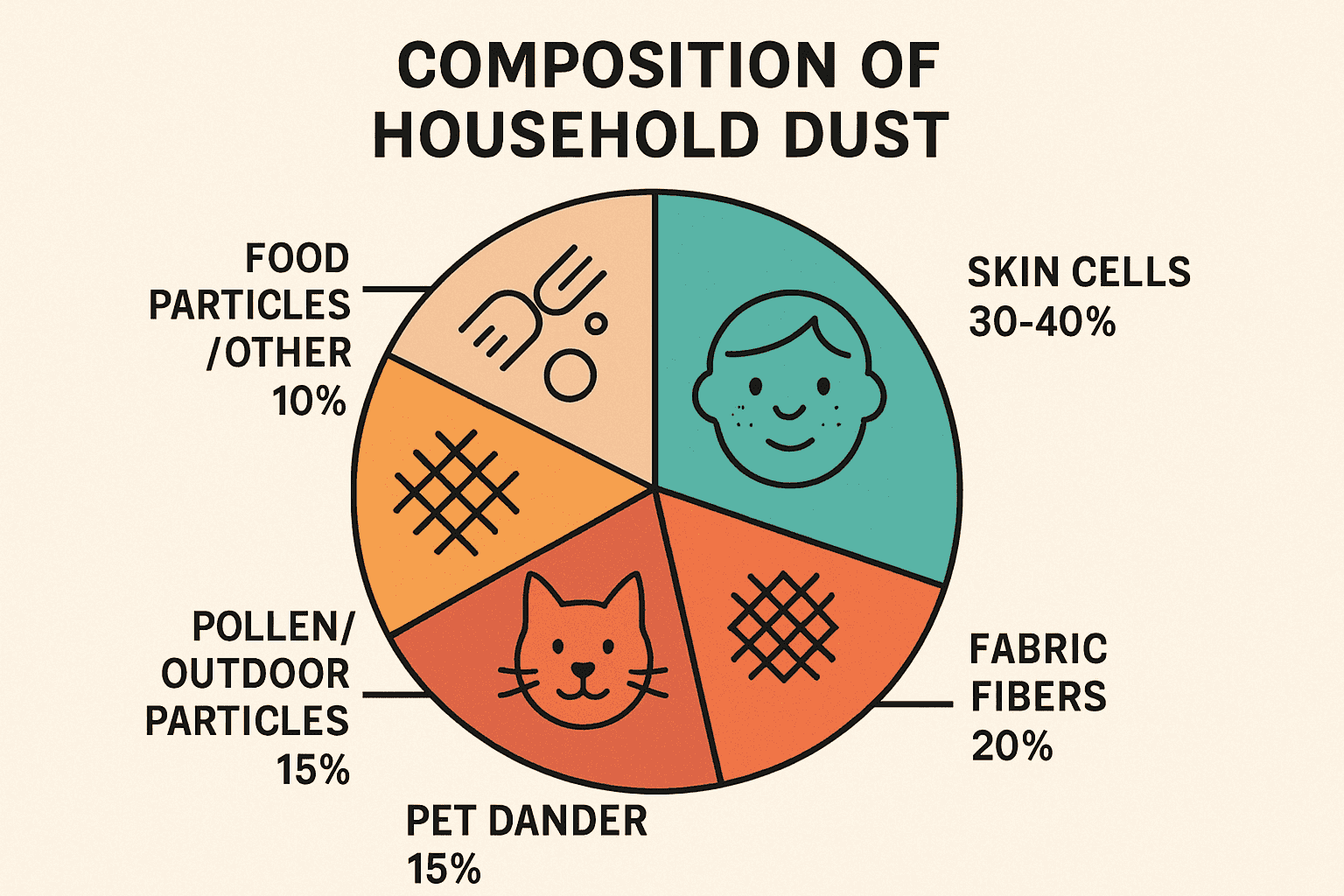
El polvo doméstico es más que simple suciedad. Es una mezcla de células de la piel, fibras de tela, caspa de mascotas, polen e incluso partículas del exterior que se cuelan por puertas y ventanas. Algunas personas creen que pueden eliminar el polvo por completo, pero seamos realistas, un hogar libre de polvo es casi imposible. El verdadero objetivo es control del polvo en casa a un nivel en el que no provoque alergias, no dañe los aparatos electrónicos ni tenga un aspecto antiestético.
En esta guía completa, encontrará todo lo que necesita saber, desde por qué se acumula el polvo hasta cómo prevenirlo, eliminarlo y mantener un ambiente más saludable a largo plazo. Aprenderá a... La mejor manera de eliminar el polvo de casa, Cómo evitar que el polvo entre en casa.y un conjunto de estrategias prácticas y sensatas que realmente funcionan.
¿Qué genera polvo en tu hogar?
La ciencia detrás del polvo doméstico
El polvo es algo extraño. Parece que surge de la nada, pero la ciencia dice lo contrario. Aproximadamente entre 30 y 40 toneladas de polvo doméstico se compone de células de piel humana desprendidas. Otra parte proviene de fibras de muebles y ropa. Si a esto le añadimos caspa de mascotas, restos de comida, polen e incluso diminutas partículas de insectos, tenemos un cóctel de residuos bastante desagradable.
El polvo exterior, como la tierra, el hollín o las emisiones de los vehículos, puede entrar en casa al abrir las ventanas o al caminar con los zapatos puestos. Los cambios de estación también modifican la composición del polvo. El polen de primavera, por ejemplo, es conocido por provocar alergias al polvo. En invierno, es posible que se acumulen más fibras de los tejidos más gruesos, y el aire seco levanta partículas.
Mucha gente cree que la mayor parte del polvo proviene del exterior, pero sorprendentemente, la mayoría se produce dentro de casa. Si te interesa saber exactamente qué contiene el polvo de tu hogar, las evaluaciones profesionales de la calidad del aire pueden ayudarte a identificar esas fuentes con detalle.
Zonas de alto riesgo donde se acumula polvo
El polvo no se acumula de manera uniforme en todos los rincones. Algunos lugares son imanes para él, como por ejemplo:
- Dormitorios: Piensa en ropa de cama, colchones y cortinas. Si te lo estás preguntando Cómo evitar el polvo en tu dormitorioEstos son sus principales sospechosos.
- Áreas alfombradas y tapiceríaLas fibras de la alfombra atrapan el polvo como una esponja.
- Sistemas de climatización y conductos de aireEl aire circula constantemente y los conductos pueden esparcir polvo por toda la casa.
- Armarios y espacios de almacenamientoLos objetos que se encuentran en los estantes a menudo permanecen sin ser tocados, acumulando capas de polvo.
- Centros de electrónica y entretenimientoLa carga estática en los aparatos electrónicos atrae el polvo.
Conocer estas zonas de peligro te ayudará a identificarlas en tu plan de control de polvo.
Estrategias de prevención: Cómo evitar que el polvo entre en casa
Creación de defensas de barrera
La prevención es la mitad de la batalla. Si quieres saber Cómo evitar que el polvo entre en casa., comencemos con las barreras:
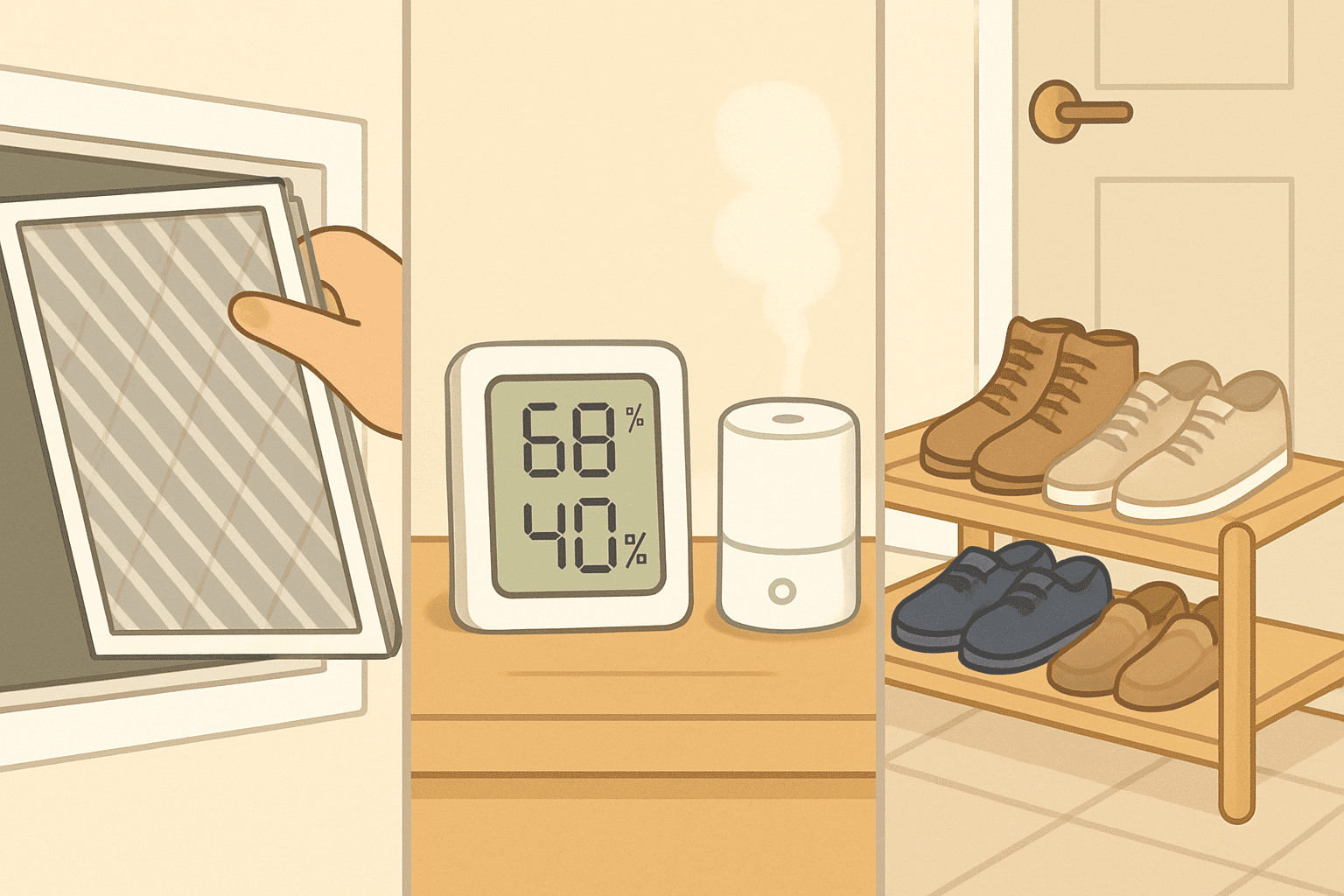
- Coloca un felpudo de buena calidad en la entrada de cada puerta.
- Pida a los familiares e invitados que se quiten los zapatos al entrar.
- Coloca mosquiteras en las ventanas y ábrelas estratégicamente para permitir la circulación del aire sin que entren residuos.
- Comprueba si hay grietas o huecos alrededor de las puertas y ventanas y séllalos para impedir el paso del polvo del exterior.
- Asear a las mascotas con regularidad cerca de la entrada si tiene animales que salen al exterior.
Es mucho más fácil evitar que el polvo entre en casa que lidiar con él una vez que ya está dentro.
Optimización de sistemas de climatización
Tu sistema de climatización no solo calienta y enfría la casa, sino que también mueve el aire. Y con el aire viene el polvo. Para evitar que tu sistema de climatización disperse residuos, puedes:
- Instale filtros de alta calidad con la clasificación MERV adecuada para su hogar.
- Sustituya los filtros periódicamente, normalmente cada 2 o 3 meses.
- Programe un mantenimiento profesional de su sistema de climatización, incluida la limpieza de los conductos de aire, para eliminar la acumulación oculta de suciedad.
Si te has planteado invertir en servicios profesionales de climatización, vale la pena tener en cuenta que pueden detectar problemas que podrías pasar por alto, ayudándote a... controlar el polvo en casa mejor.
Control de la humedad para la reducción del polvo
El polvo se adhiere mejor al aire seco porque permanece suspendido durante más tiempo. Sin embargo, el exceso de humedad también es un problema. Mantener los niveles de humedad entre el 30 % y el 50 % ayuda a que el polvo se adhiera al suelo, facilitando así la limpieza. Un deshumidificador es útil en climas húmedos, mientras que un humidificador puede ser de ayuda en invierno, cuando el aire forzado reseca el ambiente.
Controlar la humedad también previene la proliferación de ácaros del polvo, que se reproducen en ambientes húmedos y cálidos. Considere la posibilidad de instalar sensores de humedad para mantener niveles óptimos durante todo el año.
La mejor manera de eliminar el polvo de casa
El enfoque de limpieza estratégica
Una vez que el polvo está dentro, necesitas un plan de limpieza. La mejor manera de eliminar el polvo de casa Se trata de trabajar de arriba hacia abajo. Quitar el polvo de los estantes más altos y las lámparas primero permite aspirar el polvo que cae después.
Aquí tienes un sencillo programa de limpieza a seguir:
- A diarioLimpieza rápida de superficies de mucho tránsito y felpudos.
- SemanalmenteQuitar el polvo de los muebles, aspirar las alfombras, cambiar la ropa de cama.
- MensualLimpiar las rejillas de ventilación, aspirar a fondo detrás y debajo de los muebles.
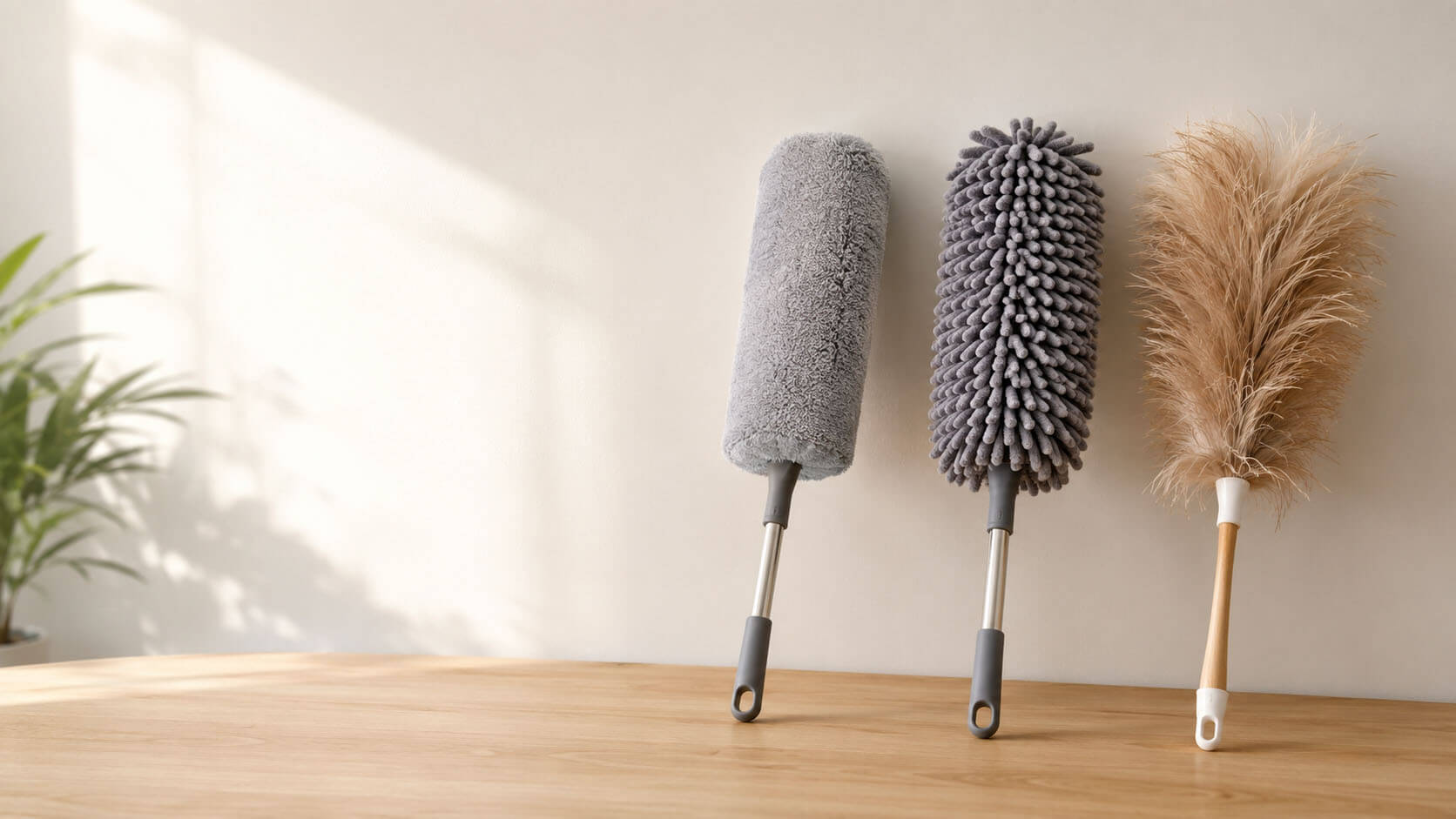
Usar paños de microfibra es revolucionario, ya que atrapan el polvo en lugar de simplemente esparcirlo. Y si te resulta demasiado complicado, contratar un servicio de limpieza profesional de vez en cuando puede ayudarte a reducir los niveles de polvo en tu hogar.
Herramientas y equipos esenciales
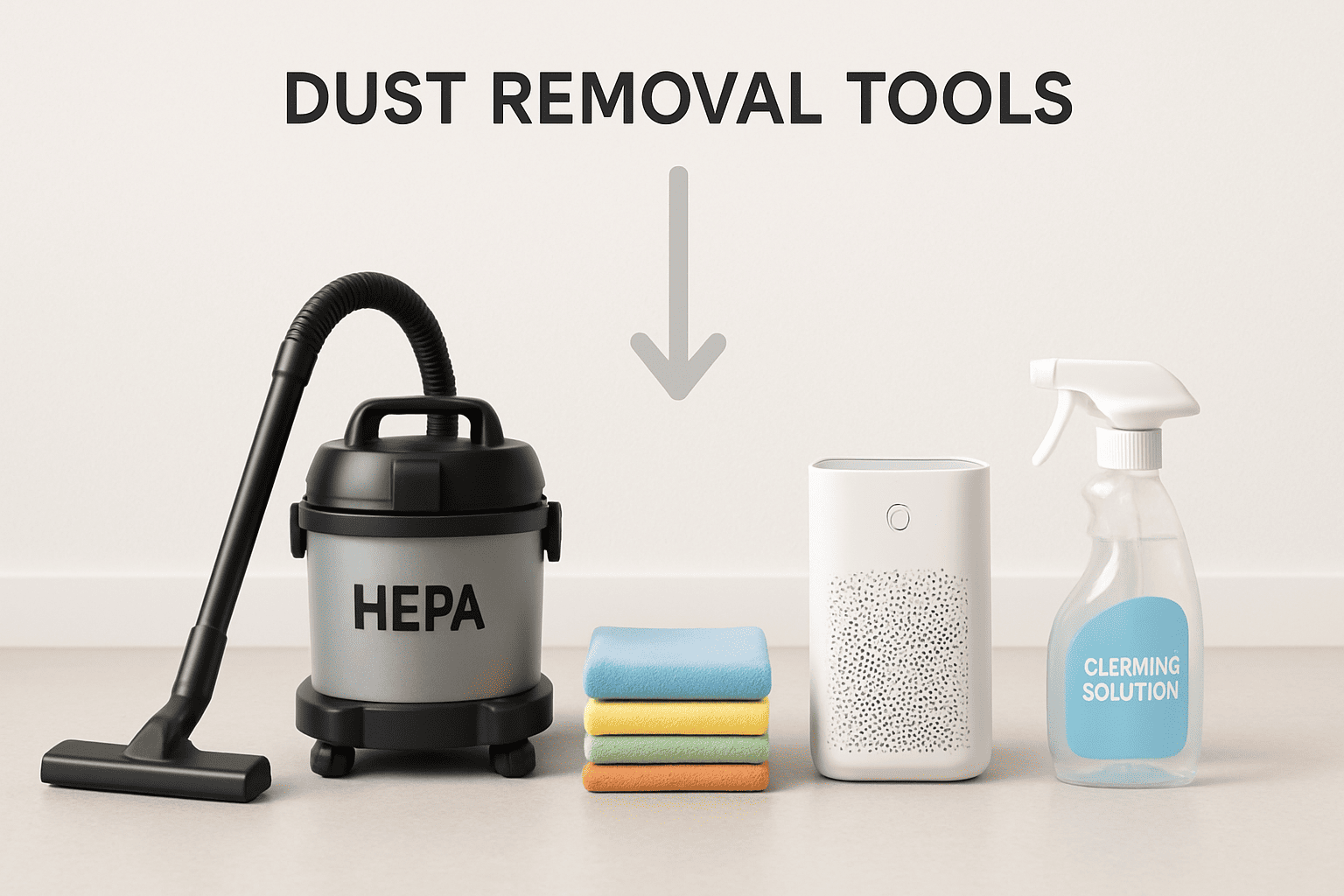
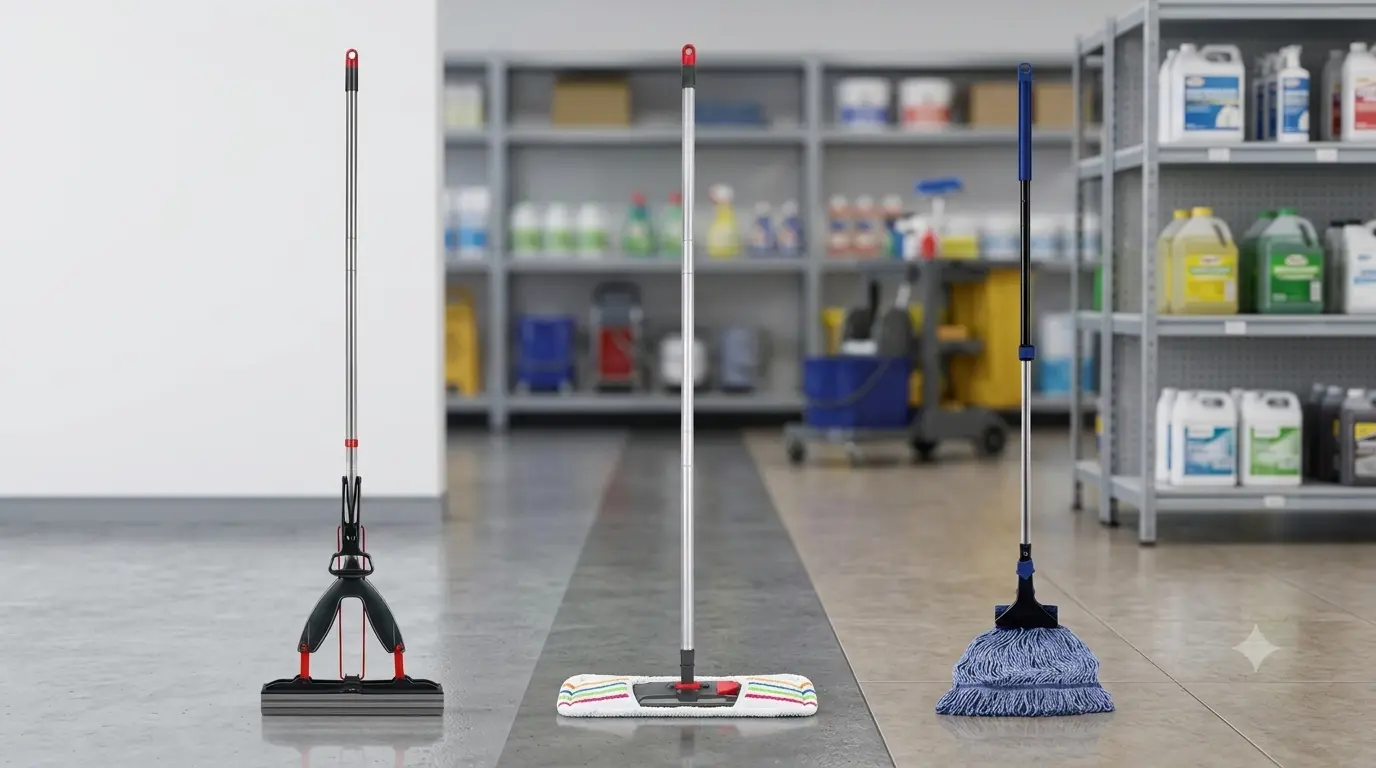
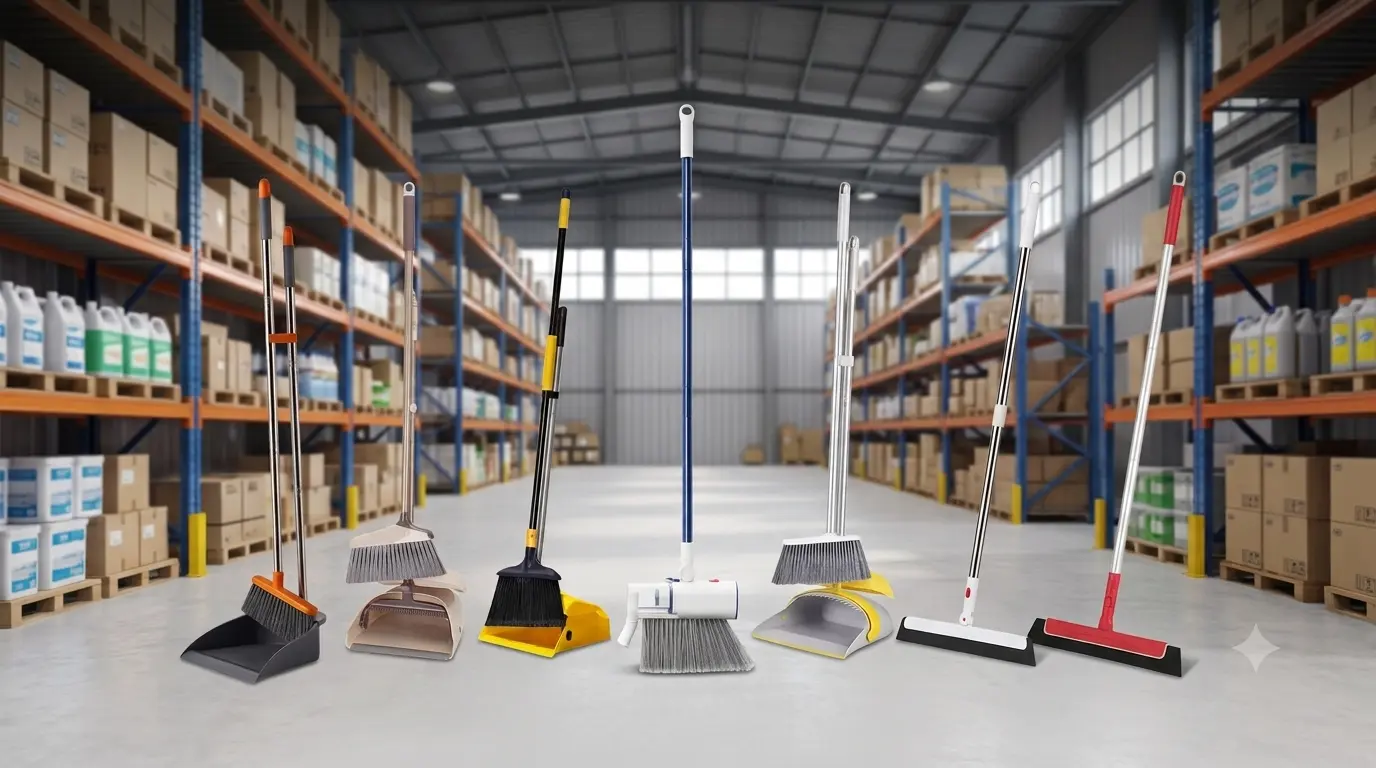
Algunas herramientas marcan una gran diferencia al intentar controlar el polvo en casa:
- Paños de microfibraAtrapa el polvo mejor que los plumeros de plumas tradicionales.
- aspiradora HEPAFiltra las partículas finas
- purificadores de aireLimpiar las partículas del aire, especialmente en los dormitorios.
- Limpiadoras a vaporLimpia profundamente las superficies de los tejidos sin productos químicos agresivos.
¿Alguna vez has oído hablar de un Un truco sencillo para eliminar el polvo de tu casa.Es esto: aspira con un filtro HEPA una vez por semana. Solo con eso se eliminan toneladas de polvo que una aspiradora tradicional no alcanza.
Técnicas de control de polvo específicas para cada habitación
Cada habitación requiere trucos diferentes:
- DormitorioLave las sábanas todas las semanas, aspire el colchón y cambie las cortinas pesadas por persianas que sean más fáciles de limpiar.
- Zonas de estarAspire la tapicería y reduzca al mínimo los objetos decorativos. Limpie los aparatos electrónicos para evitar la acumulación de electricidad estática.
- CocinaLimpie los gabinetes, las campanas extractoras y evite la acumulación de grasa que atrae el polvo.
- BañoControla la humedad con un ventilador para mantener a raya el polvo y el moho.
Cuando la gente pregunta Cómo prevenir el polvo en el dormitorioLa respuesta es una combinación de cambios regulares de ropa de cama, menos almohadas decorativas y aspirar debajo de la cama. Consejos para casas polvorientas puede facilitar tu rutina.
Soluciones avanzadas para el control del polvo
Integración de tecnología y hogar inteligente
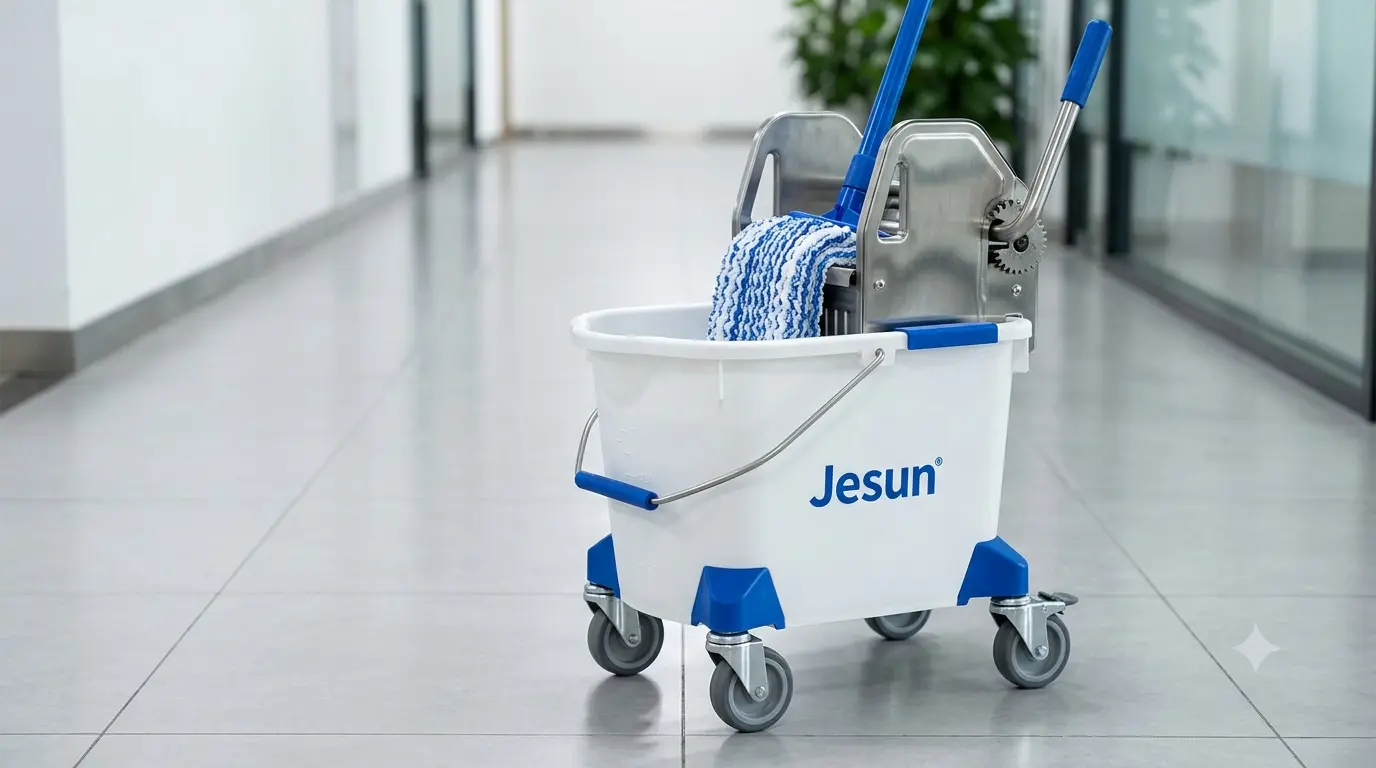
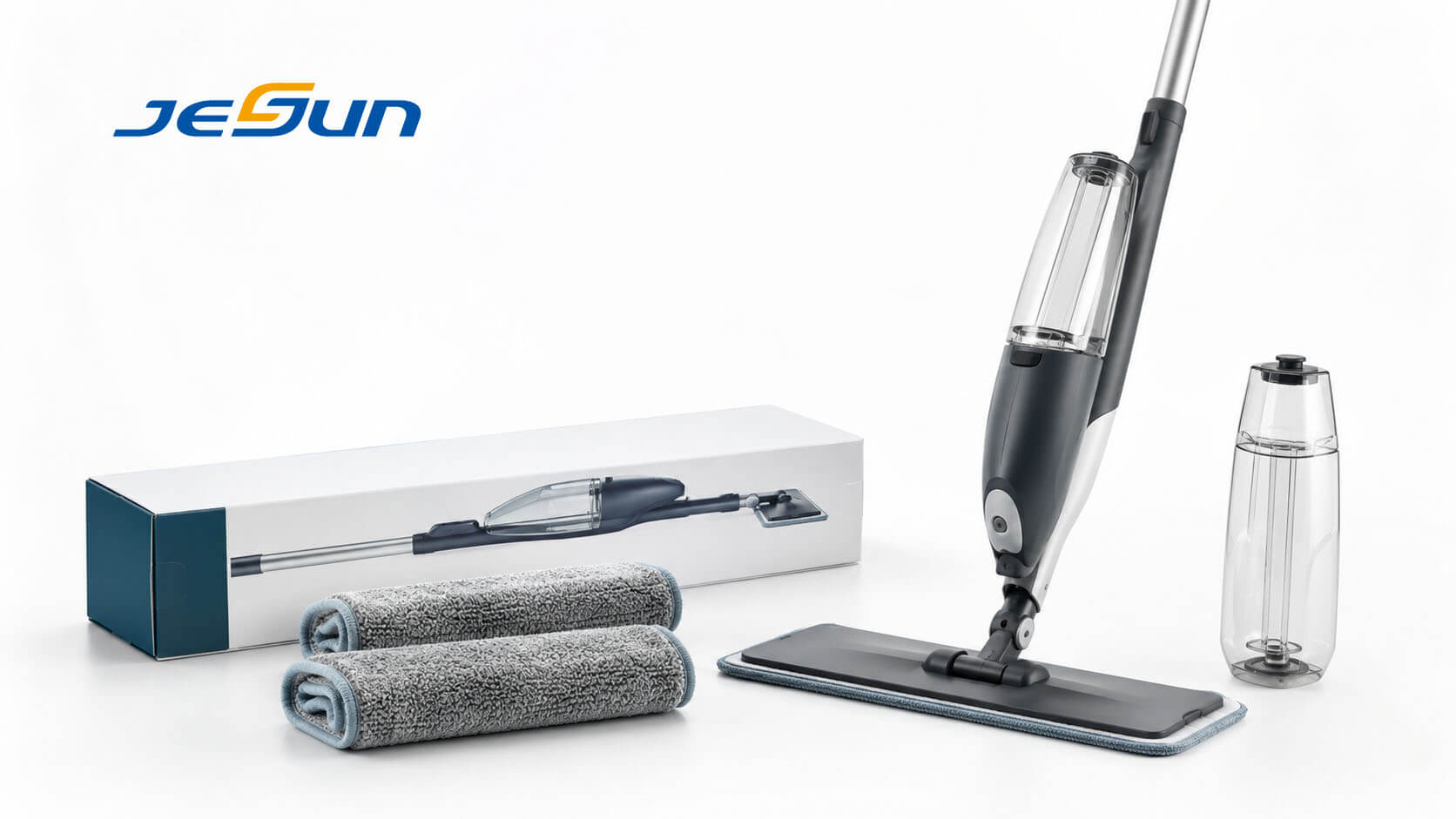
La tecnología hace que el control del polvo sea más inteligente. Los nuevos purificadores de aire inteligentes monitorean los niveles de partículas y se ajustan automáticamente. Las aspiradoras robot funcionan a diario, incluso cuando no estás en casa. Las fregonas eléctricas hacen que la limpieza sea más rápida y sencilla. Recomendamos esto. trapeador eléctrico, ya que posee excelentes propiedades para eliminar la suciedad y absorber el agua.
Otras opciones incluyen termostatos inteligentes que funcionan con sensores para regular la humedad, o dispositivos IoT que monitorizan la calidad del aire en tiempo real.
Si te lo preguntas ¿Qué cosas ayudan a eliminar la suciedad del aire?Una combinación de purificadores y humidificadores inteligentes conectados a una aplicación puede marcar una gran diferencia.
Servicios profesionales y cuándo llamar a expertos
A veces, hacerlo uno mismo no es suficiente. Los servicios profesionales de limpieza de conductos de aire, por ejemplo, pueden eliminar años de acumulación de suciedad en el interior de su sistema de climatización.
Las empresas de limpieza profunda pueden lavar alfombras con champú, tratar tapicerías y llegar a lugares altos o de difícil acceso a los que usted no puede llegar fácilmente.
Quizás pienses que es caro, pero un profesional puede ahorrarte dinero a largo plazo al prevenir alergias y prolongar la vida útil de tus muebles. Si tienes dudas, programa una evaluación de la calidad del aire para identificar cualquier problema de polvo oculto en tu hogar.
Creación de un plan de acción para un hogar libre de polvo
Hábitos diarios para el control del polvo
Mantener un hogar libre de polvo Se trata de constancia. Los hábitos de cinco minutos ayudan:
- Limpie las superficies de entrada.
- Sacude los felpudos.
- Revisa las patas de tu mascota después de los paseos.
- Ordena los objetos sueltos que acumulan polvo.
Si puedes combinar estas tareas con algo que ya haces (como alimentar a las mascotas), te resultará más fácil recordarlo. Y haz que toda la familia participe para que la responsabilidad no recaiga sobre una sola persona.
Programa de mantenimiento semanal y mensual
Divide las tareas grandes en partes más pequeñas para que no te abrumen:
- Semanalmente:
- Aspire todos los pisos
- Lavar la ropa de cama
- Limpiar los zócalos
- Limpiar las rejillas de ventilación
- Mensual:
- Lavar las cortinas
- Limpieza profunda debajo de los muebles pesados
- Reemplace o limpie los filtros.
Este enfoque sistemático realmente puede reducir el polvo doméstico A largo plazo, si lo combinas con recordatorios estacionales, como revisar los filtros del sistema de climatización en otoño, evitarás la acumulación de polvo durante todo el año.
Cómo medir el éxito y ajustar su estrategia.
¿Te preguntas si tu plan de control de polvo está funcionando? Busca lo siguiente:
- Polvo menos visible en las superficies
- Disminución de los síntomas de alergia
- Menor necesidad de desempolvar
Si la situación no mejora, ajusta tus métodos. Considera cambiar las bolsas de la aspiradora con más frecuencia o probar un filtro diferente. Controlar el polvo es un proceso, así que sigue revisando y ajustando.
Consideraciones especiales y desafíos comunes
Cómo lidiar con mascotas y situaciones de alta muda de pelo
Las mascotas pueden generar mucho polvo. El cepillado regular reduce la caspa. Cepíllalas al aire libre si es posible y lava su cama semanalmente.
Elige productos de limpieza seguros para animales y usa aspiradoras con buena succión para recoger el pelo de las mascotas. ¿Tienes varias mascotas? Limpia sus rincones favoritos por turnos para no olvidarte de ninguna zona.
Estrategias estacionales para el control del polvo
Cada estación tiene sus propios desencadenantes del polvo:
- Primavera: Esté atento al polen que pueda entrar en el interior.
- VeranoControlar la humedad y ventilar bien.
- Caer: Limpiar los restos de hojas que hayan entrado en la casa.
- Invierno: Compruebe las rejillas de ventilación de la calefacción y evite que la humedad baje demasiado.
Si te anticipas a los acontecimientos, estarás un paso por delante del polvo, sin importar lo que diga el calendario.
Conclusión
No hay una solución rápida para un hogar libre de polvoSe necesita un plan, constancia y un poco de paciencia.
Recuerda: la clave es controlar el polvo en casa En lugar de pretender eliminarlo por completo, utilice una combinación de prevención, rutinas de limpieza inteligentes y, si es necesario, ayuda profesional.
Empieza poco a poco. Elige un hábito para cambiar esta semana, como quitarte los zapatos al entrar en casa. A partir de ahí, irás incorporando más, y en poco tiempo tu hogar se sentirá más fresco y saludable.
Si alguna vez te sientes abrumado, considera una consulta profesional sobre la calidad del aire. Ellos pueden identificar problemas de polvo ocultos que quizás nunca detectarías por tu cuenta.
Con la estrategia adecuada, es posible tener un hogar más limpio, saludable y fácil de mantener.
Preguntas frecuentes
1. ¿Cuál es la mejor manera de controlar el polvo en casa?
La mejor estrategia consiste en combinar la prevención inteligente con una limpieza constante. Utilice paños de microfibra, selle las rendijas de entrada, aspire con un filtro HEPA y mantenga un nivel de humedad entre 30 y 50 TP3T.
2. ¿Cómo puedo evitar que entre polvo en mi habitación?
Cambie la ropa de cama semanalmente, utilice fundas antialérgicas, aspire debajo de los muebles y reduzca los objetos decorativos para disminuir el polvo en su dormitorio.
3. ¿Por qué mi casa se llena de polvo tan rápido?
La suciedad exterior, las fibras textiles interiores, las células muertas de la piel y la mala ventilación son las principales causas. Las fugas en los conductos y los filtros de aire obsoletos también pueden propagar el polvo rápidamente.
4. ¿Qué cosas ayudan a eliminar la suciedad del aire?
Los purificadores de aire HEPA, los filtros de climatización de calidad y el mantenimiento de una humedad adecuada contribuyen a eliminar la suciedad y las partículas de polvo del aire interior.
5. ¿Merece la pena contratar a un profesional para la eliminación del polvo?
Sí, especialmente para la limpieza de conductos o el lavado profundo de alfombras. Los profesionales pueden llegar a zonas que los métodos caseros no alcanzan, mejorando así la calidad del aire en su hogar.




 Spanish
  English
  Russian
  Arabic