
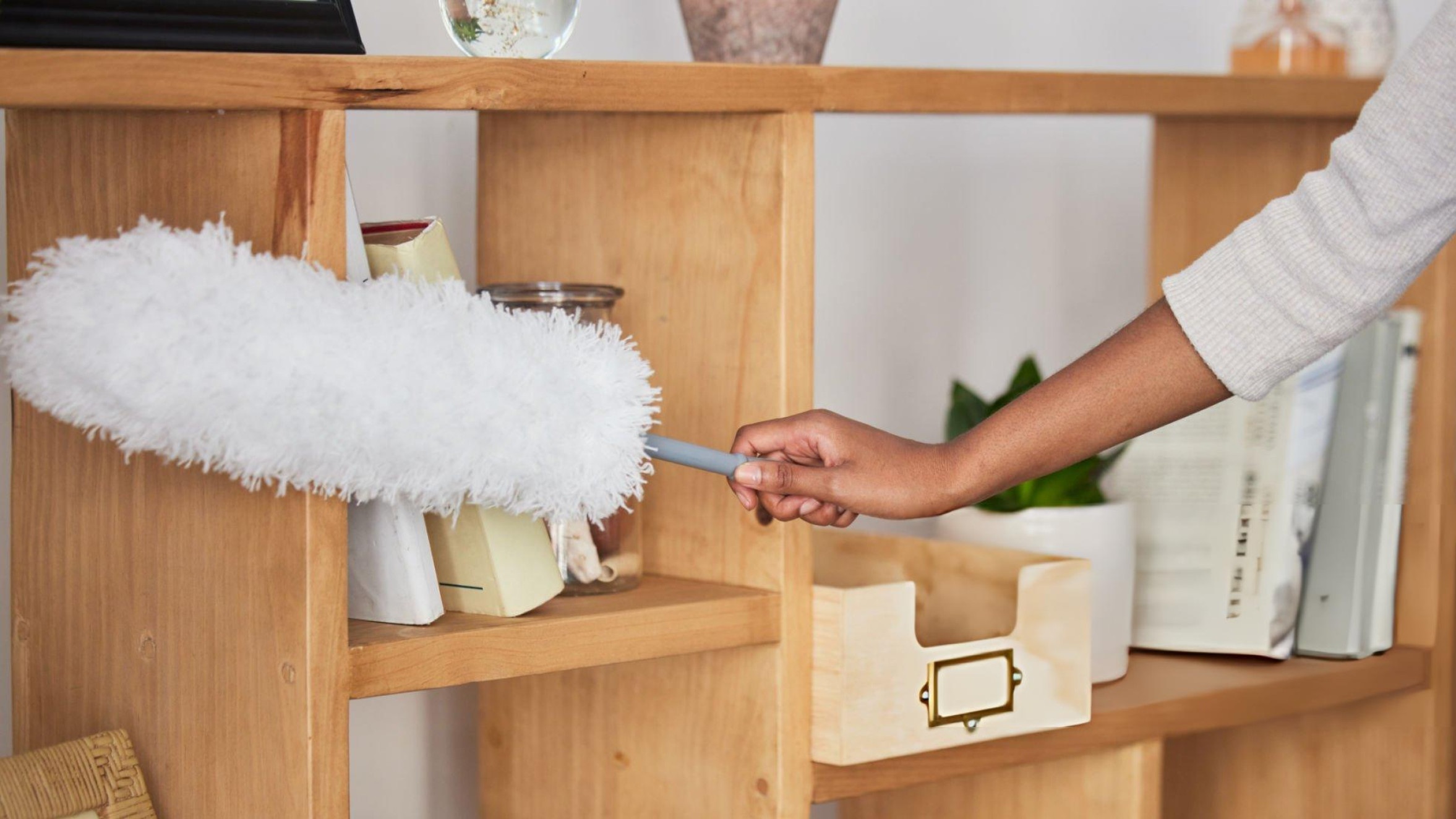
يبدو أن للغبار حياة خاصة به. فبعد تنظيف الرفوف وشفط الغبار من السجاد، تعود نفس الطبقة الرمادية التي تغطي كل شيء للظهور بعد يوم. إنه أمر مزعج، وقد تتساءل عما إذا كان منزلك سيشعر بالنظافة التامة يوماً ما.
غبار المنزل ليس مجرد أوساخ، بل هو مزيج من خلايا الجلد، وألياف الأقمشة، ووبر الحيوانات الأليفة، وحبوب اللقاح، وحتى جزيئات الهواء الخارجي التي تتسلل عبر الأبواب والنوافذ. يعتقد البعض أن بإمكانهم التخلص من الغبار تمامًا، ولكن دعونا نكن واقعيين، فالمنزل الخالي من الغبار شبه مستحيل. الهدف الحقيقي هو السيطرة على الغبار في المنزل إلى مستوى لا يسبب حساسية لديك، أو يتلف الأجهزة الإلكترونية، أو يبدو قبيحاً.
ستجد في هذا الدليل الشامل كل ما تحتاج معرفته، بدءًا من أسباب تراكم الغبار، وصولًا إلى كيفية منعه وإزالته، والحفاظ على بيئة صحية على المدى الطويل. ستتعلم أفضل طريقة لإزالة الغبار من المنزل, كيفية منع دخول الغبار إلى المنزلومجموعة من الاستراتيجيات العملية والفعالة التي تُجدي نفعاً بالفعل.
ما الذي يسبب الغبار في منزلك؟
العلم وراء غبار المنزل
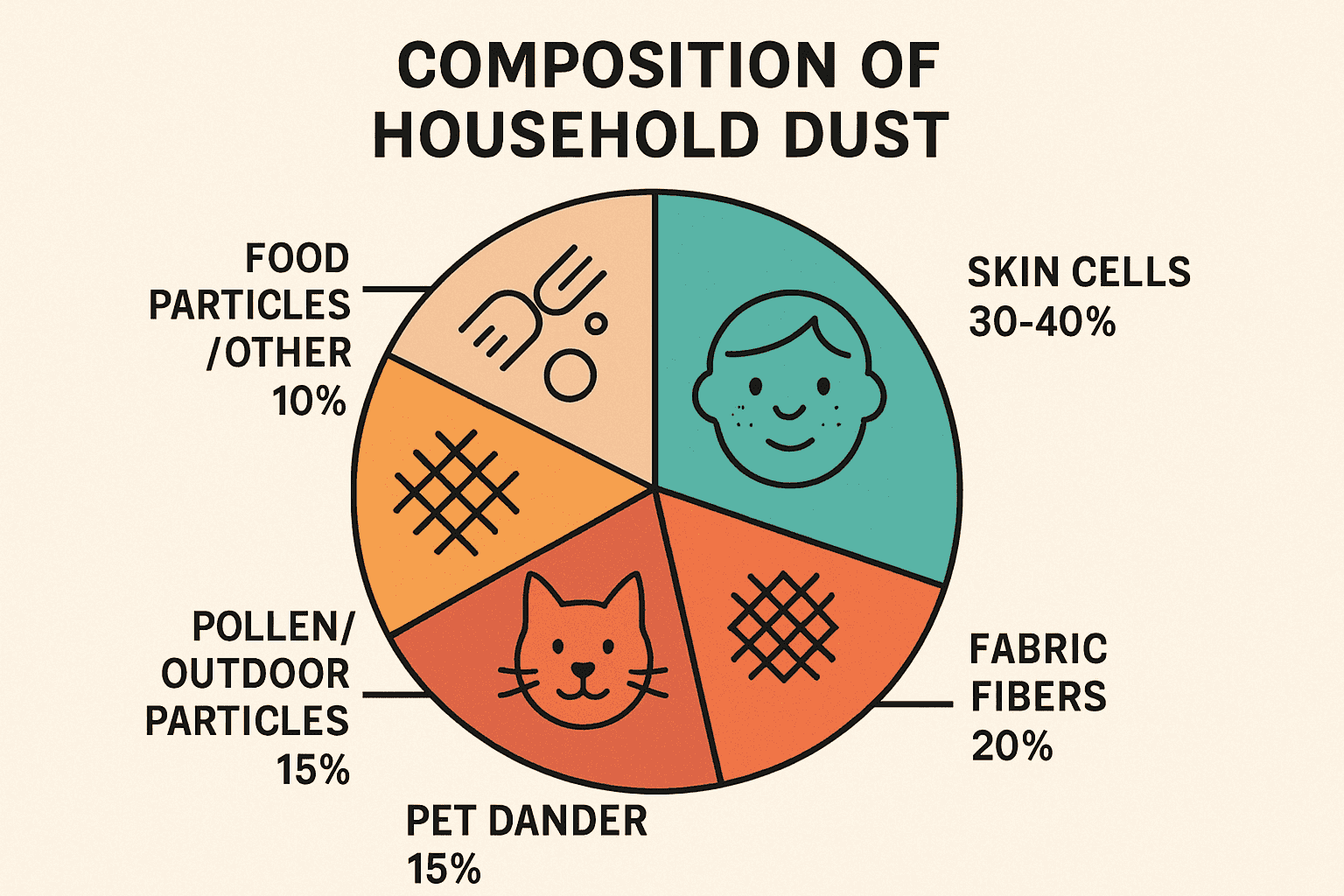
الغبار شيء غريب. يبدو وكأنه يأتي من العدم، لكن العلم يقول عكس ذلك. يتكون ما يقارب 30-401 تيراغرام من غبار المنازل من خلايا الجلد البشري المتساقطة. ويأتي جزء آخر من ألياف الأثاث والملابس. أضف إلى ذلك وبر الحيوانات الأليفة، وبقايا الطعام، وحبوب اللقاح، وحتى جزيئات الحشرات الدقيقة، لتحصل على مزيج مقزز من المخلفات.
يمكن أن ينتقل الغبار الخارجي، كالأتربة والسخام وعوادم السيارات، إلى داخل المنزل عند فتح النوافذ أو المشي بالأحذية. كما أن تغير الفصول يُغير تركيبة الغبار. فحبوب لقاح الربيع، على سبيل المثال، معروفة بتسببها في تفاقم حساسية الغبار. وفي الشتاء، قد تتراكم ألياف أكثر من الأقمشة السميكة، كما أن الهواء الجاف يُثير جزيئات الغبار.
يعتقد الكثيرون أن معظم الغبار يأتي من الخارج، لكن المفاجأة أن أغلبه يتكون داخل المنزل. وإذا كنت ترغب بمعرفة مكونات غبار منزلك بالتحديد، فإن تقييمات جودة الهواء الاحترافية تساعدك في تحديد هذه المصادر بدقة.
المناطق عالية الخطورة حيث يتراكم الغبار
لا يتراكم الغبار بالتساوي في كل زاوية. بعض الأماكن تجذبه بشدة، مثل:
- غرف النومفكّر في أغطية الأسرة والمراتب والستائر. إذا كنت تتساءل كيفية منع تراكم الغبار في غرفة نومكهؤلاء هم أبرز المشتبه بهم.
- المناطق المغطاة بالسجاد والمفروشاتألياف السجاد تحبس الغبار كالإسفنج.
- أنظمة التدفئة والتهوية وتكييف الهواء وقنوات الهواء: الهواء يدور باستمرار، ويمكن للقنوات أن تنشر الغبار في جميع أنحاء منزلك.
- الخزائن ومساحات التخزينغالباً ما تبقى الأشياء الموضوعة على الرفوف دون أن يمسها أحد، فتتراكم عليها طبقات من الغبار.
- مراكز الإلكترونيات والترفيهالشحنة الساكنة على الأجهزة الإلكترونية تجذب الغبار بالفعل.
إن معرفة هذه المناطق الخطرة تساعدك على استهدافها في خطة مكافحة الغبار الخاصة بك.
استراتيجيات الوقاية: كيفية منع دخول الغبار إلى المنزل
إنشاء دفاعات حاجزية
الوقاية نصف المعركة. إذا كنت تريد أن تعرف كيفية منع دخول الغبار إلى المنزلابدأ بالحواجز:
- ضع سجادة باب عالية الجودة خارج كل مدخل.
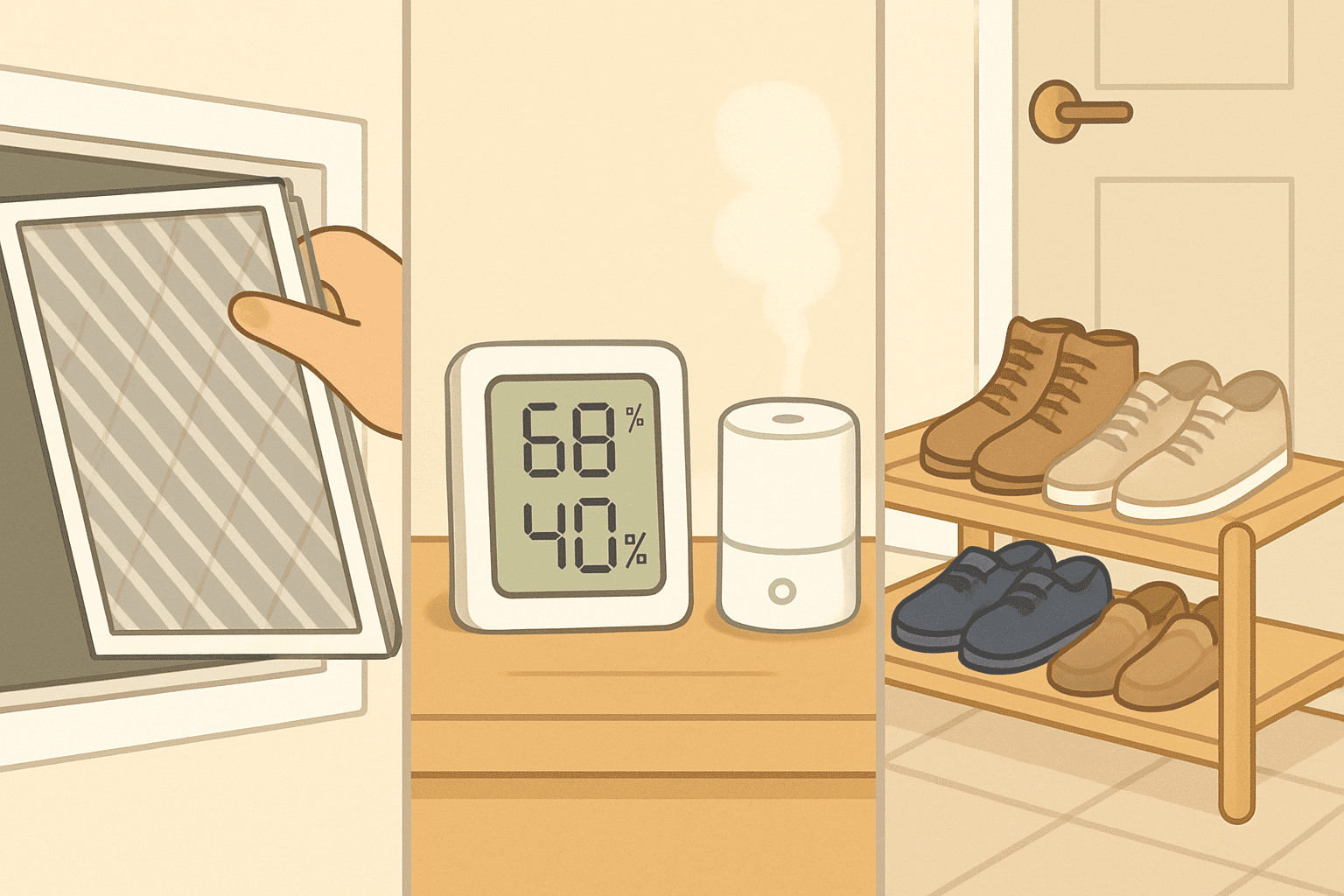
- اطلب من أفراد العائلة والضيوف خلع أحذيتهم في الداخل.
- أضف شبكات النوافذ وافتحها بشكل استراتيجي للسماح بتدفق الهواء دون السماح بدخول الحطام.
- تحقق من وجود تشققات أو فجوات حول الأبواب والنوافذ، وقم بسدها لمنع دخول الغبار الخارجي.
- قم بتنظيف الحيوانات الأليفة بانتظام بالقرب من المدخل إذا كان لديك حيوانات تخرج إلى الخارج.
إن منع الغبار قبل دخوله إلى الداخل أسهل بكثير من التعامل معه بعد دخوله.
تحسين نظام التدفئة والتهوية وتكييف الهواء
لا يقتصر دور نظام التكييف والتهوية على تدفئة وتبريد المنزل فحسب، بل يقوم أيضاً بتحريك الهواء. ومع الهواء يأتي الغبار. ولمنع نظام التكييف والتهوية من نشر الغبار، يمكنك اتباع ما يلي:
- قم بتركيب فلاتر عالية الجودة ذات تصنيف MERV المناسب لمنزلك.
- استبدل الفلاتر بانتظام، عادةً كل شهرين إلى ثلاثة أشهر.
- قم بجدولة صيانة احترافية لأنظمة التدفئة والتهوية وتكييف الهواء، بما في ذلك تنظيف مجاري الهواء، للتخلص من التراكمات الخفية.
إذا كنت تفكر في الاستثمار في خدمات التكييف والتهوية الاحترافية، فمن الجدير بالذكر أنها تستطيع تحديد المشاكل التي قد تغفل عنها، مما يساعدك التحكم في الغبار داخل المنزل أحسن.
التحكم في الرطوبة للحد من الغبار
يزدهر الغبار في الهواء الجاف لأنه يبقى عالقًا لفترات أطول. لكن الرطوبة الزائدة تُشكل مشكلة أيضًا. يساعد الحفاظ على مستويات الرطوبة بين 30 و50% على تثبيت الغبار، مما يُسهّل عملية التنظيف. يُعدّ جهاز إزالة الرطوبة مفيدًا في الطقس الرطب، بينما يُفيد جهاز ترطيب الهواء في فصل الشتاء عندما يُجفف الهواء المُدفأ.
يساهم التحكم في الرطوبة أيضاً في الحد من انتشار عث الغبار، الذي يزدهر في البيئات الرطبة والدافئة. لذا، يُنصح بإضافة أجهزة استشعار الرطوبة للحفاظ على مستويات مثالية على مدار العام.
أفضل طريقة لإزالة الغبار من المنزل
نهج التنظيف الاستراتيجي
بمجرد دخول الغبار إلى الداخل، ستحتاج إلى خطة تنظيف. أفضل طريقة لإزالة الغبار من المنزل يُنصح بالعمل من الأعلى إلى الأسفل. تنظيف الرفوف العلوية ووحدات الإضاءة أولاً يسمح بتنظيف الغبار المتساقط بالمكنسة الكهربائية لاحقاً.
إليك جدول تنظيف بسيط يمكنك اتباعه:
- يوميًامسح سريع للأسطح التي يكثر استخدامها ودواسات الأبواب
- أسبوعيتنظيف الأثاث من الغبار، وتنظيف السجاد بالمكنسة الكهربائية، وتغيير أغطية الأسرة.
- شهريا: نظف فتحات التهوية، وقم بتنظيف المنطقة بالمكنسة الكهربائية بعمق خلف وتحت الأثاث
يُعدّ استخدام مناشف المايكروفايبر حلاً جذرياً، فهي تحبس الغبار بدلاً من مجرد نشره. وإذا بدا الأمر صعباً، فإن الاستعانة بشركة تنظيف محترفة من حين لآخر قد يساعد في إعادة ضبط مستويات الغبار في منزلك.
الأدوات والمعدات الأساسية
تُحدث بعض الأدوات فرقًا كبيرًا عند محاولة التحكم في الغبار داخل المنزل:
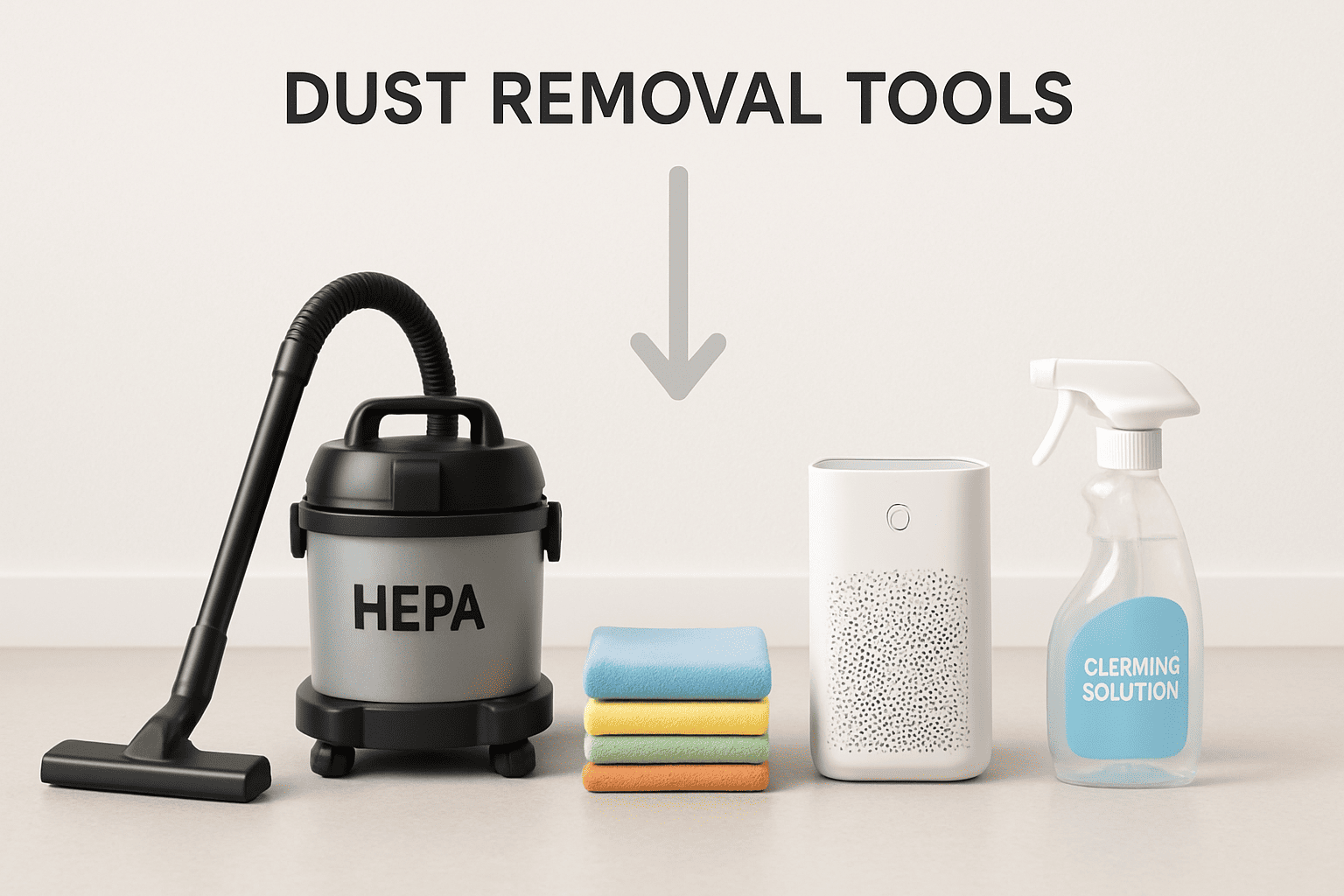
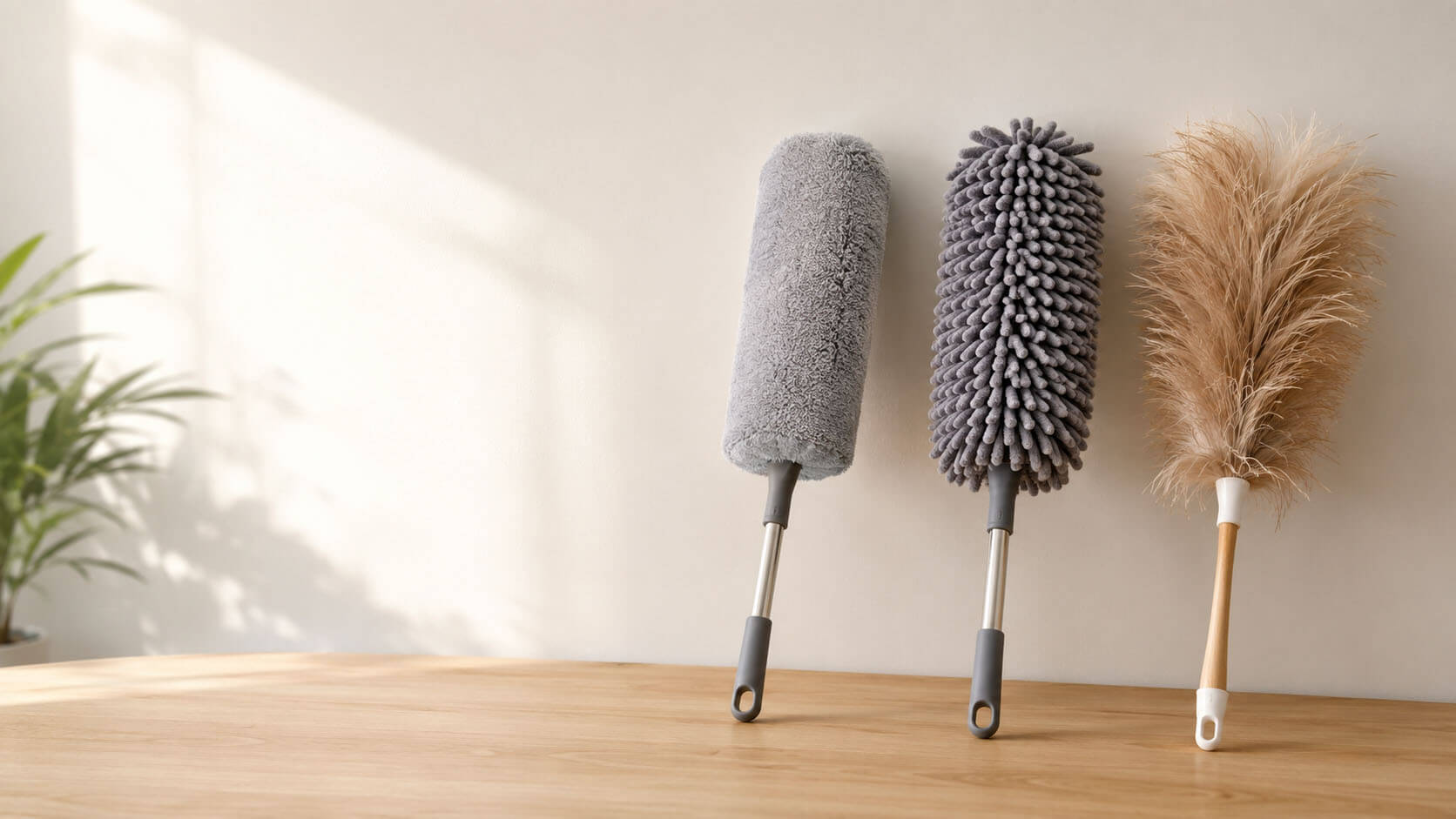
- أقمشة الألياف الدقيقة: تحبس الغبار بشكل أفضل من منفضات الغبار التقليدية المصنوعة من الريش
- مكنسة كهربائية مزودة بفلتر HEPA: يقوم بتصفية الجزيئات الدقيقة
- أجهزة تنقية الهواء: تنظيف الجزيئات من الهواء، وخاصة في غرف النوم
- أجهزة التنظيف بالبخارتنظيف عميق لأسطح الأقمشة بدون مواد كيميائية قاسية
هل سمعت من قبل عن حيلة بسيطة للتخلص من الغبار في منزلكالحل هو استخدام المكنسة الكهربائية المزودة بفلتر HEPA مرة واحدة أسبوعياً. هذا وحده يزيل كميات هائلة من الغبار التي لا تلتقطها المكنسة الكهربائية التقليدية.
تقنيات التحكم بالغبار الخاصة بكل غرفة
تحتاج الغرف المختلفة إلى حيل مختلفة:
- مستوىاغسل الملاءات أسبوعياً، ونظف المرتبة بالمكنسة الكهربائية، واستبدل الستائر الثقيلة بستائر معتمة يسهل تنظيفها.
- مناطق المعيشةنظّف المفروشات بالمكنسة الكهربائية وقلّل من الفوضى الزخرفية قدر الإمكان. امسح الأجهزة الإلكترونية لمنع تراكم الشحنات الساكنة.
- مطبخامسح الخزائن وأغطية التهوية، وحافظ على نظافة المكان من تراكم الدهون التي تلتصق بالغبار.
- حمام: تحكم في الرطوبة باستخدام مروحة لإبعاد الغبار والعفن.
عندما يسأل الناس كيفية منع تراكم الغبار في غرفة النوموالحل يكمن في مزيج من تغيير أغطية السرير بانتظام، وتقليل عدد الوسائد الزخرفية، وتنظيف أسفل السرير بالمكنسة الكهربائية. نصائح لتنظيف المنزل من الغبار يمكن أن يجعل روتينك أسهل.
حلول متطورة للتحكم في الغبار
تكامل التكنولوجيا والمنزل الذكي
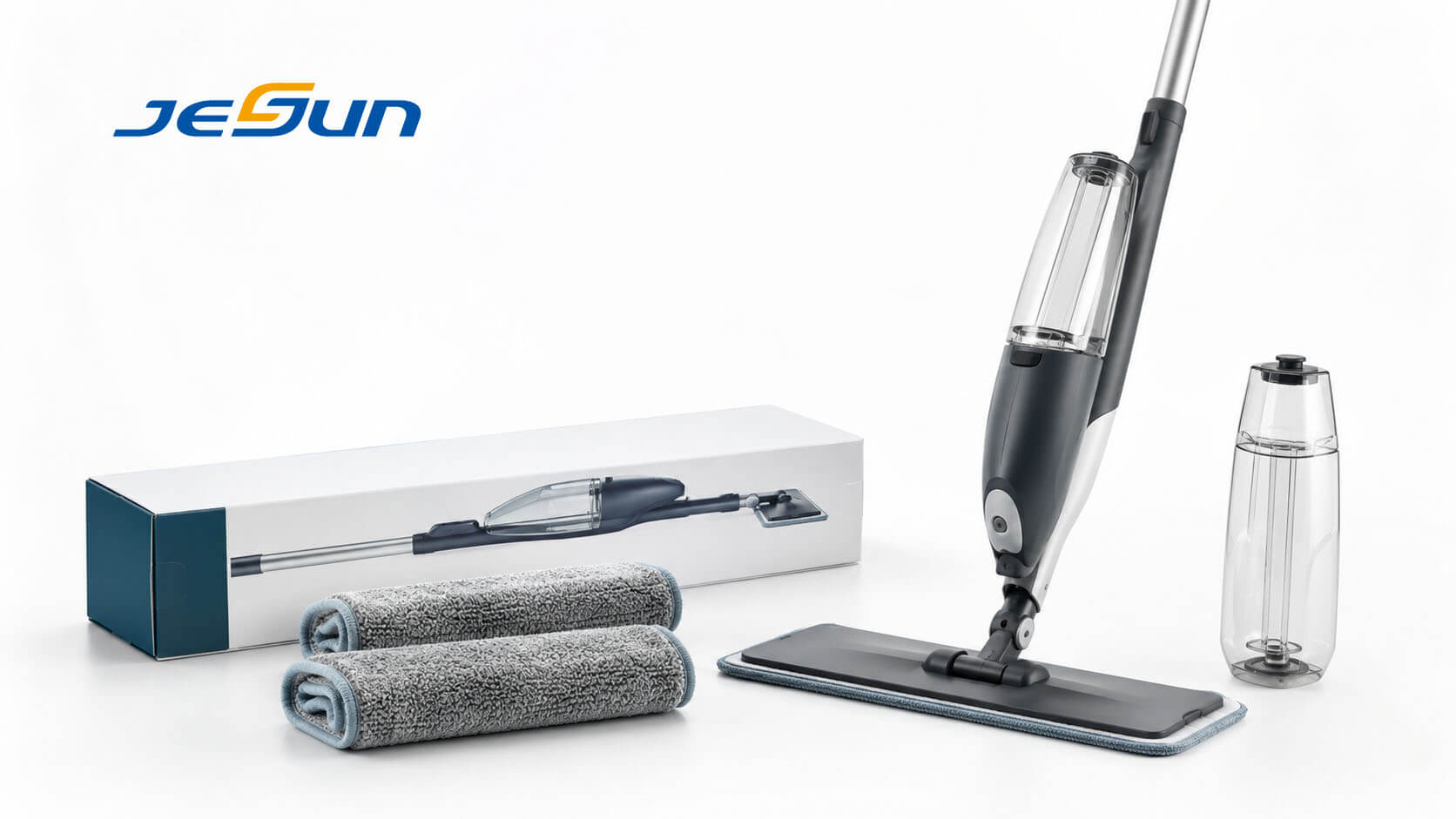
تُسهّل التكنولوجيا التحكم بالغبار. تراقب أجهزة تنقية الهواء الذكية الجديدة مستويات الجسيمات وتُعدّلها تلقائيًا. تعمل المكانس الكهربائية الروبوتية يوميًا، حتى عندما تكون خارج المنزل. تُسهّل المماسح الكهربائية عملية التنظيف وتجعلها أسرع. نوصي بهذا ممسحة كهربائيةوذلك بفضل قدراته الممتازة في إزالة الأوساخ وامتصاص الماء.
وتشمل الخيارات الأخرى منظمات حرارة ذكية تعمل مع أجهزة استشعار لتنظيم الرطوبة، أو أجهزة إنترنت الأشياء التي تتعقب جودة الهواء في الوقت الفعلي.
إذا كنت تتساءل ما هي الأشياء التي تساعد على التخلص من الأوساخ في الهواء؟، يمكن أن يُحدث الجمع بين أجهزة تنقية الهواء الذكية وأجهزة ترطيب الهواء المتصلة بتطبيق ما فرقًا كبيرًا.
الخدمات المهنية ومتى يجب الاستعانة بالخبراء
أحيانًا، لا يكفي القيام بذلك بنفسك. على سبيل المثال، يمكن لخدمات تنظيف مجاري الهواء الاحترافية إزالة تراكمات سنوات من أعماق نظام التكييف والتهوية.
تستطيع شركات التنظيف العميق غسل السجاد بالشامبو، ومعالجة المفروشات، والوصول إلى الأماكن المرتفعة أو التي يصعب الوصول إليها والتي لا يمكنك الوصول إليها بسهولة.
قد تظن أن الأمر مكلف، لكن الاستعانة بمحترف قد توفر لك المال على المدى الطويل من خلال الوقاية من الحساسية وإطالة عمر أثاثك. إذا كنت غير متأكد، فحدد موعدًا لتقييم جودة الهواء لتحديد أي مشاكل غبار خفية قد يعاني منها منزلك.
وضع خطة عمل لمنزل خالٍ من الغبار
عادات يومية للسيطرة على الغبار
الاحتفاظ بـ منزل خالٍ من الغبار الأمر يتعلق بالاستمرارية. العادات التي تستغرق خمس دقائق تساعد على:
- امسح أسطح المدخل
- انفض سجادات الأبواب
- افحص مخالب حيوانك الأليف بعد المشي.
- رتب الأشياء المتناثرة التي تتراكم عليها الأتربة
إذا استطعتَ دمج هذه المهام مع مهام أخرى تقوم بها بالفعل (مثل إطعام الحيوانات الأليفة)، فسيسهل عليك تذكرها. وأشرك جميع أفراد العائلة حتى لا يقع العبء على شخص واحد فقط.
جدول الصيانة الأسبوعي والشهري
قسّم المهام الكبيرة إلى أجزاء حتى لا تصبح مرهقة:
- أسبوعي:
- قم بتنظيف جميع الأرضيات بالمكنسة الكهربائية
- اغسل أغطية السرير
- امسح ألواح الحواف
- تنظيف فتحات التهوية
- شهريا:
- ستائر الغسيل
- تنظيف عميق أسفل قطع الأثاث الثقيلة
- استبدل أو نظف الفلاتر
يمكن لهذا النهج المنهجي أن يكون فعالاً حقاً تقليل غبار المنزل على المدى البعيد. إذا ربطت ذلك بتذكيرات موسمية مثل فحص فلاتر التكييف في الخريف، فستتجنب الغبار على مدار العام.
قياس النجاح وتعديل استراتيجيتك
هل تتساءل عما إذا كانت خطة مكافحة الغبار الخاصة بك فعالة؟ ابحث عن:
- غبار أقل وضوحًا على الأسطح
- انخفاض أعراض الحساسية
- الحاجة إلى تنظيف الغبار أقل تكرارًا
إذا لم تتحسن الأمور، فعدّل أساليبك. فكّر في تغيير أكياس المكنسة الكهربائية بشكل متكرر أو جرّب فلترًا مختلفًا. التحكم بالغبار عملية مستمرة، لذا واصل الفحص والتعديل.
اعتبارات خاصة وتحديات مشتركة
التعامل مع الحيوانات الأليفة وحالات تساقط الشعر بكثرة
قد تُسبب الحيوانات الأليفة الكثير من الغبار. يساعد تنظيفها بانتظام على تقليل وبرها. يُنصح بتمشيطها في الخارج إن أمكن، وغسل فراشها أسبوعياً.
اختر منتجات تنظيف آمنة للحيوانات، واستخدم مكانس كهربائية ذات قوة شفط عالية لإزالة شعر الحيوانات الأليفة. هل لديك أكثر من حيوان أليف؟ نظّف أماكنهم المفضلة بالتناوب وفق جدول زمني محدد حتى لا تفوتك أي منطقة.
استراتيجيات مكافحة الغبار الموسمية
لكل فصل من فصول السنة أسبابه الخاصة لظهور الغبار:
- ربيعانتبه لحبوب اللقاح التي تدخل إلى الداخل.
- صيف: تحكم في الرطوبة وقم بالتهوية بشكل جيد.
- يسقط: تنظيف بقايا الأوراق التي يتم إدخالها إلى الداخل.
- شتاء: تحقق من فتحات التدفئة وحافظ على مستوى الرطوبة من الانخفاض الشديد.
بالتفكير المسبق، ستبقى متقدماً بخطوة على الغبار بغض النظر عما يقوله التقويم.
خاتمة
لا يوجد حل سريع لـ منزل خالٍ من الغبارالأمر يتطلب خطة، ومثابرة، وقليلاً من الصبر.
تذكر: المفتاح هو التحكم في الغبار داخل المنزل بدلاً من توقع القضاء عليه نهائياً، استخدم مزيجاً من الوقاية، وروتينات التنظيف الذكية، وأحياناً المساعدة المتخصصة إذا لزم الأمر.
ابدأ بخطوات صغيرة. اختر عادة واحدة لتغييرها هذا الأسبوع، ربما خلع الأحذية داخل المنزل. انطلق من هذه النقطة، وستشعر بانتعاش منزلك وصحته في وقت قصير.
إذا شعرت يومًا بالإرهاق، ففكّر في استشارة خبير في جودة الهواء. بإمكانهم تحديد مشاكل الغبار الخفية التي قد لا تلاحظها بنفسك.
من الممكن الحصول على منزل أنظف وأكثر صحة وأسهل في الصيانة باتباع الاستراتيجية الصحيحة.
التعليمات
1. ما هي أفضل طريقة للسيطرة على الغبار في المنزل؟
يُعد الجمع بين الوقاية الذكية والتنظيف المنتظم أفضل نهج. استخدم أقمشة من الألياف الدقيقة، وسدّ الفتحات، واستخدم المكنسة الكهربائية المزودة بفلتر HEPA، وحافظ على مستوى الرطوبة بين 30 و50%.
2. كيف أمنع دخول الغبار إلى غرفة نومي؟
قم بتغيير أغطية الفراش أسبوعياً، واستخدم أغطية مضادة للحساسية، ونظف أسفل الأثاث بالمكنسة الكهربائية، وقلل من الفوضى الزخرفية للحد من الغبار في غرفة نومك.
3. لماذا يتراكم الغبار في منزلي بهذه السرعة؟
تُعدّ الأوساخ الخارجية، وألياف الأقمشة الداخلية، وقشور الجلد، وسوء التهوية من الأسباب الرئيسية. كما يمكن أن تُساهم قنوات التهوية المتسربة وفلاتر الهواء القديمة في انتشار الغبار بسرعة.
4. ما هي الأشياء التي تساعد على التخلص من الأوساخ في الهواء؟
تساعد أجهزة تنقية الهواء بتقنية HEPA، وفلاتر التكييف والتهوية عالية الجودة، والحفاظ على الرطوبة المناسبة، جميعها في إزالة جزيئات الأوساخ والغبار من الهواء الداخلي.
5. هل يستحق الأمر الاستعانة بمحترف لإزالة الغبار؟
نعم، خاصةً لتنظيف مجاري الهواء أو غسل السجاد بعمق. يستطيع المحترفون الوصول إلى المناطق التي لا تصل إليها طرق التنظيف المنزلية، مما يحسن جودة الهواء في منزلك بشكل عام.




 Arabic
  English
  Spanish
  Russian