
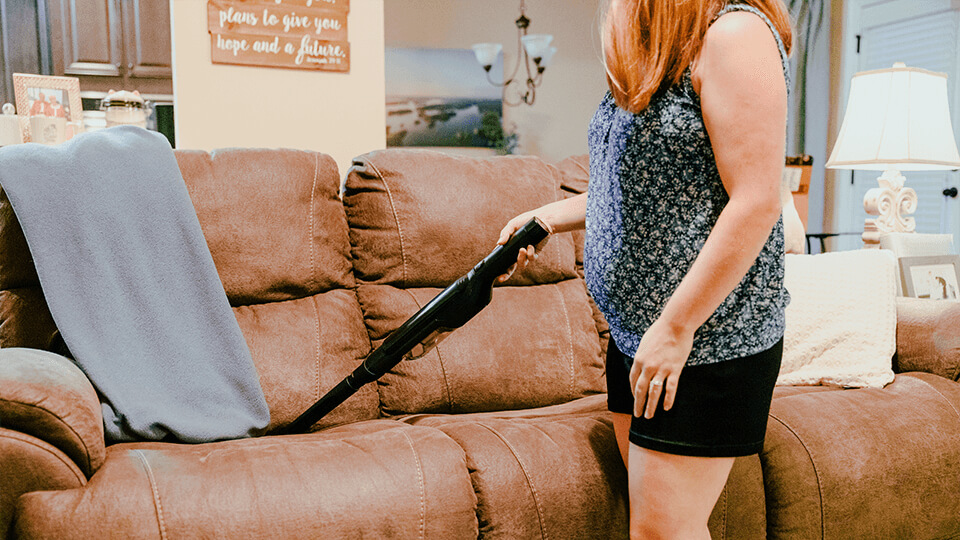
There is no single lifespan for a vacuum cleaner. Household models commonly last somewhere between three and ten years, but that range changes with the machine type, component quality, cleaning frequency, debris load, and maintenance. A corded canister and a cordless stick vacuum should not be judged by the same replacement timetable.
The published estimates show why the question needs more context. The Spruce lists corded upright and canister vacuums at 8 to 10 years, cordless stick vacuums at 3 to 5 years, and handheld and robotic models at 2 to 4 years (The Spruce, 2024). WIRED cites a 5 to 8 year general estimate from Eufy and notes that older Consumer Reports research placed the median at 8 years (WIRED, 2025).
These numbers are not necessarily contradictory. They describe different product types and different assumptions about use. The more useful question is not only how many years a vacuum lasts, but which component controls that clock and whether that component can be serviced.
أهم النقاط
- A household vacuum can last roughly 3 to 10 years, depending on its format, parts, duty cycle, and maintenance.
- The battery is often the life-limiting component in cordless models. Motor strain and restricted airflow matter more in corded machines.
- Filters, brush rolls, belts, hoses, and attachments are usually service items. They should not automatically be treated as reasons to replace the whole vacuum.
- For home-care brands, lifespan is a component and service-part decision. Any durability claim should match the product evidence actually published by the supplier.
How Long Do Household Vacuum Cleaners Last by Type?
The type of vacuum is the quickest way to establish a realistic lifespan range. Larger corded machines generally have fewer battery-related failure points, while compact cordless and robotic models combine smaller components with rechargeable batteries, sensors, or more complex electronics.
| Vacuum type | Published planning range | Likely life-limiting area | Common service items |
|---|---|---|---|
| Corded upright | 8-10 years | Motor, airflow path, brush system | Belt, brush roll, filters |
| Canister | 8-10 years | Motor, hose, seals | Hose, filters, bags, attachments |
| Cordless stick | 3-5 years | Battery, then motor and airflow | Battery, filter, brush roll, dust bin |
| Handheld | 2-4 years | Battery and compact motor | Filter, battery, nozzle |
| Robot vacuum | 2-4 years | Battery, sensors, drive system | Brushes, filters, battery, wheels |
| Central vacuum | 18-20+ years | Central motor and installed system | Hoses, power heads, filters |
The Spruce uses these type-by-type ranges in its household lifespan guide. The same article puts the broad household range at 5 to 10 years, while WIRED cites a 5 to 8 year average from Eufy and notes that cordless and robot vacuums can be shorter-lived. Treat these figures as planning ranges, not guarantees.
Use matters as much as the label on the box. A handheld vacuum used for quick crumbs once a week is under a different load from a stick vacuum used several times each day in a home with pets. A machine that runs hot, operates with a clogged filter, or repeatedly collects material outside its intended use can fall below the published range.
Why Do Different Sources Give Different Lifespans?
Different lifespan estimates usually reflect different product types, data ages, usage patterns, and definitions of failure. One source may describe the point at which a vacuum no longer performs well. Another may describe the point at which the motor stops working. A third may count the years before a consumer decides that repair is no longer worthwhile.
Four variables explain most of the difference:
- Machine type: a corded canister avoids battery degradation, while a cordless stick depends on a rechargeable pack.
- Component and build quality: stronger housing, connectors, seals, brush systems, and motors can tolerate more cycles.
- Use frequency and debris: daily use, pet hair, fine dust, and large debris place different loads on the airflow and brush system.
- Maintenance: restricted airflow makes the motor work harder, while a tangled brush roll increases mechanical resistance.
This is also why a simple “average vacuum lifespan” statistic can be misleading for product planning. A brand that sells a cordless stick vacuum, a corded canister, and a handheld car vacuum is not managing one lifespan category. It is managing three different component systems and three different customer expectations.
Which Part Fails First and Sets the Vacuum’s Lifespan?
For cordless vacuums, the battery is often the first major life-limiting component. For corded vacuums, motor strain and restricted airflow usually matter more. Brush rolls, belts, hoses, filters, and attachments are commonly wear items that can be replaced without discarding the complete machine.
Rechargeable batteries age through charge and discharge cycles, and heat can accelerate capacity loss. When a cordless vacuum no longer runs long enough for the user’s normal cleaning session, the machine may feel finished even though the motor and housing remain usable. A replaceable battery can renew the machine’s operating time. A sealed battery turns battery wear into a whole-product replacement decision.
Corded vacuums do not have that battery clock, but they are not maintenance-free. A full dust bag, crowded dust bin, blocked hose, or restricted filter reduces airflow. The motor then has to operate against a less effective air path. Over time, repeated operation in that condition can make the motor and thermal system the main durability concern.
| Part | What wears or degrades | Typical decision |
|---|---|---|
| Battery | Capacity and usable runtime fall with age and charging cycles | Replace the battery if the design supports it; otherwise compare replacement cost with a new machine |
| Motor | Heat, restricted airflow, and long operating sessions increase stress | Repair only when the part and labor make sense for the machine’s age |
| Filter | Dust loading reduces airflow; media can lose condition if mishandled | Clean or replace according to the model’s published instructions |
| Brush roll or belt | Hair, threads, friction, and wear reduce pickup or stop rotation | Usually a service item, not an automatic whole-machine failure |
| Hose, seals, and attachments | Cracks, leaks, broken connectors, and repeated bending | Replace the affected part when available |
This component view changes how a buyer interprets the phrase “long-lasting vacuum.” A claim about a durable motor does not answer whether the battery is replaceable. A washable filter does not prove that the housing seals or brush roll will last. Durability is a system of parts, not a single adjective.
For the maintenance actions that protect airflow and reduce avoidable strain, see JESUN’s vacuum filter maintenance guidance.
How Long Do Cordless Stick Vacuums Last?
A cordless stick vacuum is commonly planned around a 3 to 5 year lifespan, although published estimates vary. The battery is the main reason. Once battery capacity falls below the user’s normal cleaning need, a compact cordless machine can feel unusable even when its suction system, housing, and attachments still work.
The battery specification is therefore more useful than a generic promise of long life. Buyers and consumers should look for battery capacity, charge time, expected run time, battery type, and whether the battery can be replaced. Capacity alone does not tell you how many years the battery will last, but it does show how the product is configured and what the user can expect from one charge.
JESUN’s public product pages illustrate this level of visible information. The K908 Multi-purpose Cordless Stick Vacuum lists a 2000 mAh battery, a 4 hour charging time, and 25 or 13 minutes of use depending on the mode. The ALE015 Bactericidal Vacuum Cleaner lists a 2200 mAh battery, 3 to 4 hours of charging, and 15 minutes of working time. These pages do not publish battery cycle life or a service-life promise, so no lifespan should be inferred from them.
Short-run-time cordless units can still be useful. They may serve as quick-clean tools, car vacuums, or secondary machines rather than the household’s only full-floor vacuum. That positioning affects workload. A second device used for short cleanup sessions may experience a different duty cycle from a primary vacuum used throughout the home several times a week.

When Should You Replace a Vacuum Instead of Repairing It?
Start with the simple fix before replacing the machine. Loss of suction, strange noises, odors, frequent clogs, dust emission, and overheating can all indicate a worn vacuum, but they can also come from a blocked hose, overloaded filter, tangled brush roll, or poorly fitted dust bin.
| Symptom | First check | Replace rather than repair when |
|---|---|---|
| Loss of suction | Clear the hose, empty the bin or bag, and clean or replace the filter | Performance remains poor after the airflow path is clear |
| Strange noise or smell | Check the brush roll, belt, housing, and visible blockages | Grinding, burning, or overheating continues after service |
| Frequent clogs | Inspect the nozzle, hose, brush roll, and material being collected | The machine repeatedly restricts airflow during normal use |
| Dust comes back into the room | Check the filter, dust bin, bag fit, and seals | The problem persists after correct filter and bin maintenance |
| Short cordless runtime | Check charging behavior, operating mode, and battery condition | The battery is not replaceable and no longer covers the normal cleaning task |
The Spruce and WIRED both make the same practical point: a repairable problem should be separated from an end-of-life problem. Filters, belts, brush rolls, hoses, and attachments can often be changed. A motor failure on an old, low-cost vacuum or a sealed battery that no longer holds enough charge may make replacement more sensible.
There is no universal repair percentage that applies to every market. Compare the repair cost, parts availability, age of the machine, and expected performance after repair. If the repair is frequent, the machine is already near the lower end of its type range, and a replacement offers a materially better service path, replacing it is usually the clearer decision.
For the practical cleaning steps that should come before this decision, see JESUN’s guide on how to clean a vacuum.
What Makes a Vacuum Last Longer?
Durability is designed before the vacuum reaches the home. The key inputs are the motor and airflow path, battery arrangement, filter service, dust-handling design, mechanical connections, and availability of parts. Maintenance then determines how much of that design capacity the user actually receives.
Motor and airflow
A motor cannot compensate forever for a full bag, clogged filter, blocked hose, or tangled brush roll. The product should make airflow maintenance understandable and accessible. Users should also know which materials the machine is designed to collect. A household vacuum is not automatically a construction-dust extractor or a hazardous-material system.
Battery and charging design
For cordless products, battery replacement is a major service question. A replaceable battery can extend the useful life of the motor and housing. A sealed battery may simplify the exterior design, but it can make battery wear a whole-product decision. Published capacity and run time are useful specifications, but they are not a substitute for cycle-life evidence.
Filter and dust handling
Bagless machines transfer more responsibility to the dust bin and filter. The user must empty the bin before it restricts airflow and clean or replace the filter according to the manual. Bagged machines need a reliable supply of compatible bags. Both formats need a clear service path if the brand wants consistent performance over time.
Replaceable wear parts
Brush rolls, belts, hoses, nozzles, and filters should be treated as service items where the design allows. Their replacement can be less expensive and less wasteful than replacing the complete vacuum. For a home-care brand, these components also create a practical after-sales and repeat-purchase structure.
JESUN’s foam, cartridge, and HEPA filter roles article covers how filter type relates to the cleaning task. For format selection, see when a vacuum fits your daily-cleaning routine.

KLE020 Lightweight Bagless Vacuum Cleaner
The published page lists a 0.8 kg household platform, a 2000 mAh battery version, a 400 W corded version, a 0.5 L dust tank, and an attachable 0.25 L water tank. No lifespan claim is made on the page.
عرض صفحة المنتجWhat Should Home-Care Brands Ask Before Claiming a Long Product Life?
A brand can only market the durability evidence its supplier’s published specification supports. Product pages commonly show battery capacity, charge time, run time, power, weight, and dust capacity. They do not always show motor type, battery cycle life, filter replacement life, spare-part availability, or warranty scope.
Before using a lifespan or durability message in packaging or an online listing, a product manager should ask:
- What motor type and operating conditions support the product’s intended duty cycle?
- Can the battery be replaced, and what battery information is documented?
- Is the filter washable, replaceable, or neither? What does the manual say?
- Which filters, brush rolls, hoses, batteries, and attachments can be supplied as service parts?
- Which warranty terms apply to the exact production configuration?
- Which claims are supported by a product specification, and which require a test report or a separate substantiation file?
This is a product-development question as much as a purchasing question. A longer-lasting brand proposition is easier to support when the user can replace the parts that normally wear first. It is also easier to explain when the product page clearly distinguishes a listed specification from a tested performance claim.
For a deeper discussion of household filtration claims and whole-machine evidence, see the guide to evaluating household vacuum filtration and sealed-system claims. JESUN’s public vacuum pages currently publish product specifications, but they do not assign a specific service-life number to the models discussed here.
الأسئلة الشائعة
How long do vacuum cleaners last?
Household vacuum cleaners commonly last about 3 to 10 years, depending on the type, build quality, usage, and maintenance. The Spruce lists 8 to 10 years for corded uprights and canister vacuums, 3 to 5 years for cordless sticks, and 2 to 4 years for handheld and robotic models. Treat these as planning ranges, not guarantees.
How long do cordless stick vacuums last?
A cordless stick vacuum is commonly planned around a 3 to 5 year lifespan, although published estimates vary. The battery is usually the key life-limiting component. A model with a replaceable battery can remain useful longer than one that requires replacement of the entire machine when battery capacity falls.
Which part of a vacuum cleaner wears out first?
The battery often wears out first in cordless vacuums, while motor strain and restricted airflow are more important in corded models. Brush rolls, belts, hoses, filters, and attachments are usually service or wear items that can be replaced without replacing the entire machine.
Should I repair or replace my vacuum cleaner?
Try clearing blockages, cleaning or replacing the filter, and checking the brush roll before replacing a vacuum. If the problem persists, the machine is near the lower end of its expected type range, and repairs are becoming frequent or expensive, replacement is usually the more practical decision.
How can I make my vacuum cleaner last longer?
Empty the dust bin or replace the bag before airflow is restricted, clean or replace filters according to the manual, clear hoses and brush rolls, and avoid using a household vacuum for materials it was not designed to collect. Cordless models should also be protected from excessive heat and poor charging habits.
خاتمة
A vacuum cleaner lasts as long as its weakest component is renewed or its fatigue is managed. The honest answer to “how long” is a range shaped by machine type, parts, use, and care.
أهم النقاط المستفادة:
• Use the right range for the right type. Corded upright and canister vacuums generally outlast compact cordless, handheld, and robotic models.
• Find the life-limiting part. Battery wear usually controls cordless life, while motor strain and restricted airflow matter more in corded machines.
• Repair service items first. Filters, belts, brush rolls, hoses, and attachments should not automatically trigger whole-machine replacement.
• Do not turn a published specification into a lifespan promise. Product pages show the starting evidence. A durability claim needs matching documentation.
JESUN’s household vacuum range includes compact, cordless, wet-and-dry, and vacuum-and-mop platforms for different home-care scenarios. Compare the published format and component specifications first, then build the right service and replacement expectations for the market you serve.
مراجع
- The Spruce. “How Long Do Vacuums Last? 5 Signs It’s Time for a New One.” October 24, 2024. https://www.thespruce.com/how-long-do-vacuums-last-8731195
- WIRED. “How Long Do Vacuums Last? It Might Be Time for a New One.” October 23, 2025. https://www.wired.com/story/how-long-do-vacuums-last/
- Consumer Reports. “How Long Do Vacuum Cleaners Last?” Older research cited by WIRED. https://www.consumerreports.org/vacuum-cleaners/how-long-do-vacuum-cleaners-last/


 Arabic
 English
 Spanish
 Russian